WELLINGTON, New Zealand (AP) — New Zealand's Prime Minister Christopher Luxon has unveiled a proposed law banning children younger than 16 from using social media platforms, citing what he said Monday was “harm being done to a generation” of young people.
However, the bill hasn't yet attracted enough support to pass into law because two of the three parties in Luxon's coalition government will vote against it. Passage would require support from opposition lawmakers, who have yet to decide how they would vote.
There also wasn't enough time for lawmakers to hold a vote on the proposal before Parliament dissolved on Oct. 1 ahead of November’s election, Luxon said. Bills are required to pass three rounds of voting, usually over a period of months, before they become law.
If reelected, Luxon is seeking to make his government the latest worldwide to enact age restrictions for social media platforms after dozens of countries have either introduced or are mulling such measures. He said 2025 research showed a third of New Zealand teenagers spent at least five hours a day on social media.
“Social media is exposing them to harmful content, addictive technology and pressures they are not equipped to deal with and it’s affecting their family life, mental health, sleep, and education,” Luxon said.
The proposal would require social media platforms including Instagram, TikTok, Snapchat and Facebook, to “take reasonable steps” to check users were older than 16, according to material supplied by Luxon's party Monday. This could include “existing account information, facial age estimation, digital ID services and formal ID,” the material said.
Excluded from the proposed law are messaging platforms such as WhatsApp, online gaming platforms like Roblox and AI apps with productivity uses — including ChatGPT, Gemini and Copilot.
No penalties are proposed for parents or children, but tech firms could be fined up to 10% of their global revenue for failing to meet their obligations. Platforms regularly used by children would be required to assess and report on the risks their networks posed, Luxon said.
Luxon's government has mulled such a law since Australia's world-first social media ban for under 16-year-olds took effect in December 2025. However, it's been vehemently opposed by the other two parties that make up the government along with Luxon's center-right group National — libertarian ACT and populist NZ First.
Both minor parties repeated Monday their plans to vote against the law. Lawmakers from the largest opposition party, center-left Labour, haven't decided if they'd vote for it, leader Chris Hipkins said Monday.
Since Australia's law came into force, countries including Canada, Brazil and Indonesia have enacted bans too, while many other countries are studying or developing laws. Child safety advocates and some parents have welcomed age restrictions, while privacy groups say the rules can be cheated and that forcing users to supply identification raises privacy concerns.
In January, a month after Australia's ban was enacted, social media platforms told an Australian regulator they had revoked access to about 4.7 million accounts identified as belonging to children.
Luxon's government enacted a ban in 2024 on the use of cellphones during the school day for students of all ages.
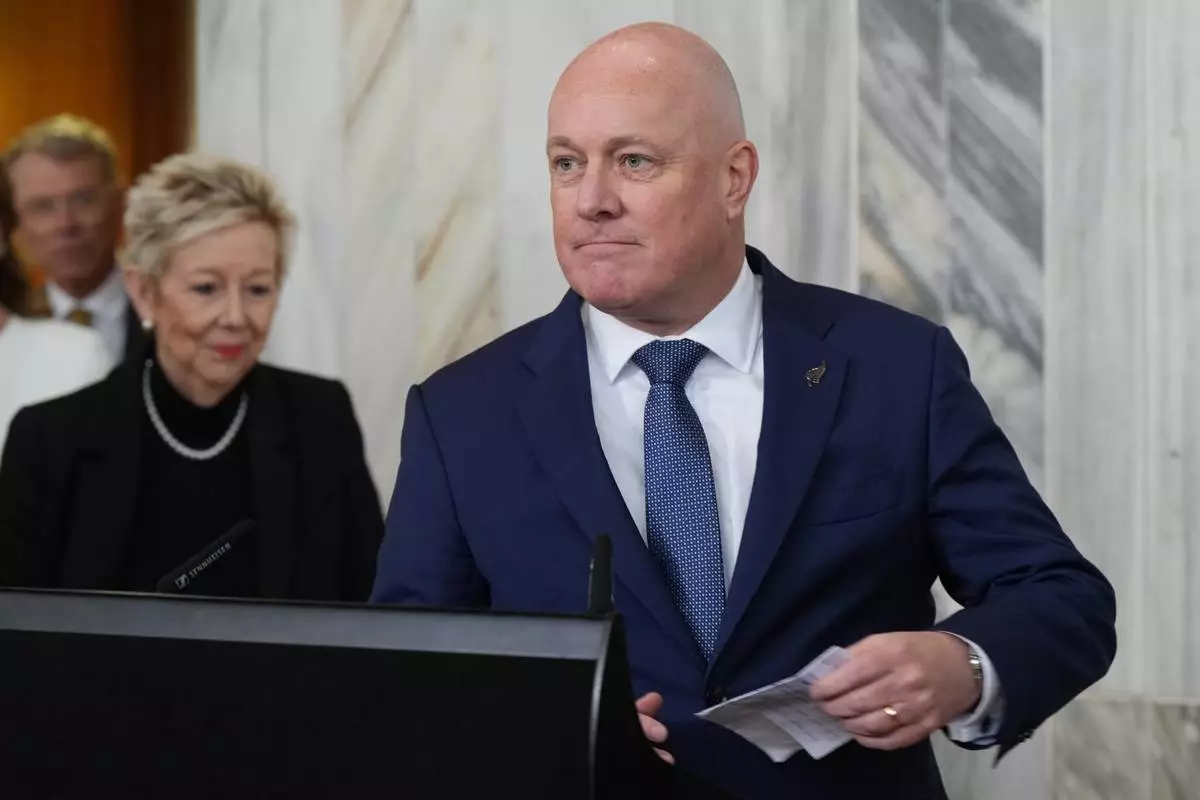
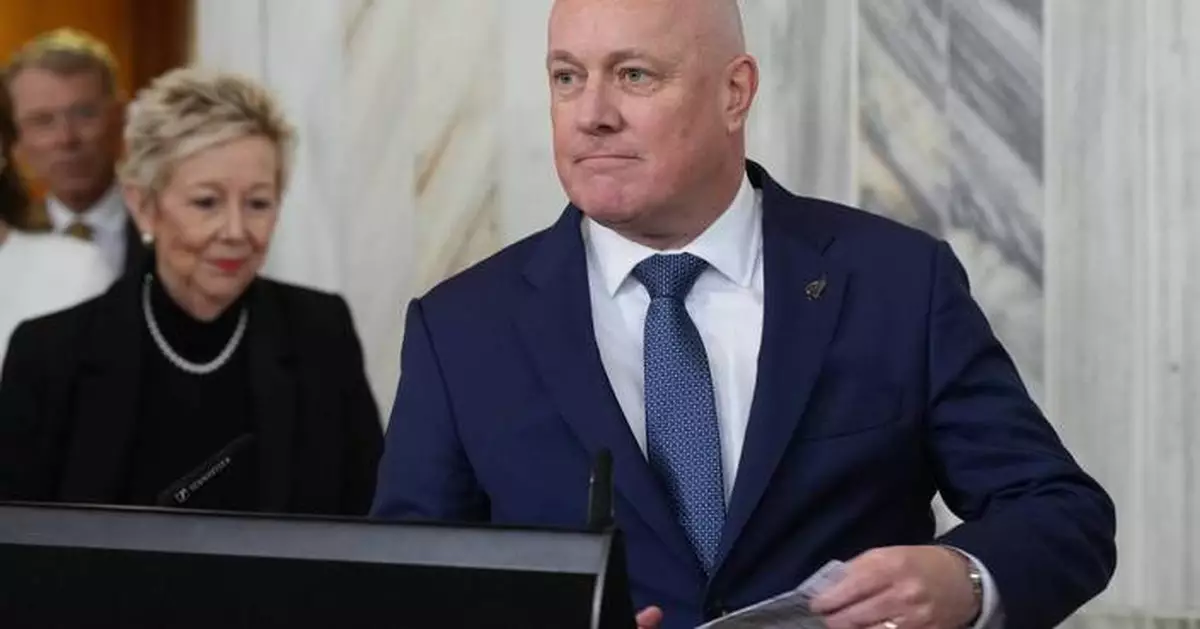
FILE - New Zealand Prime Minister Christopher Luxon speaks to reporters at Parliament in Wellington, New Zealand, on Aug. 12, 2026. (AP Photo/Charlotte Graham-McLay, File)
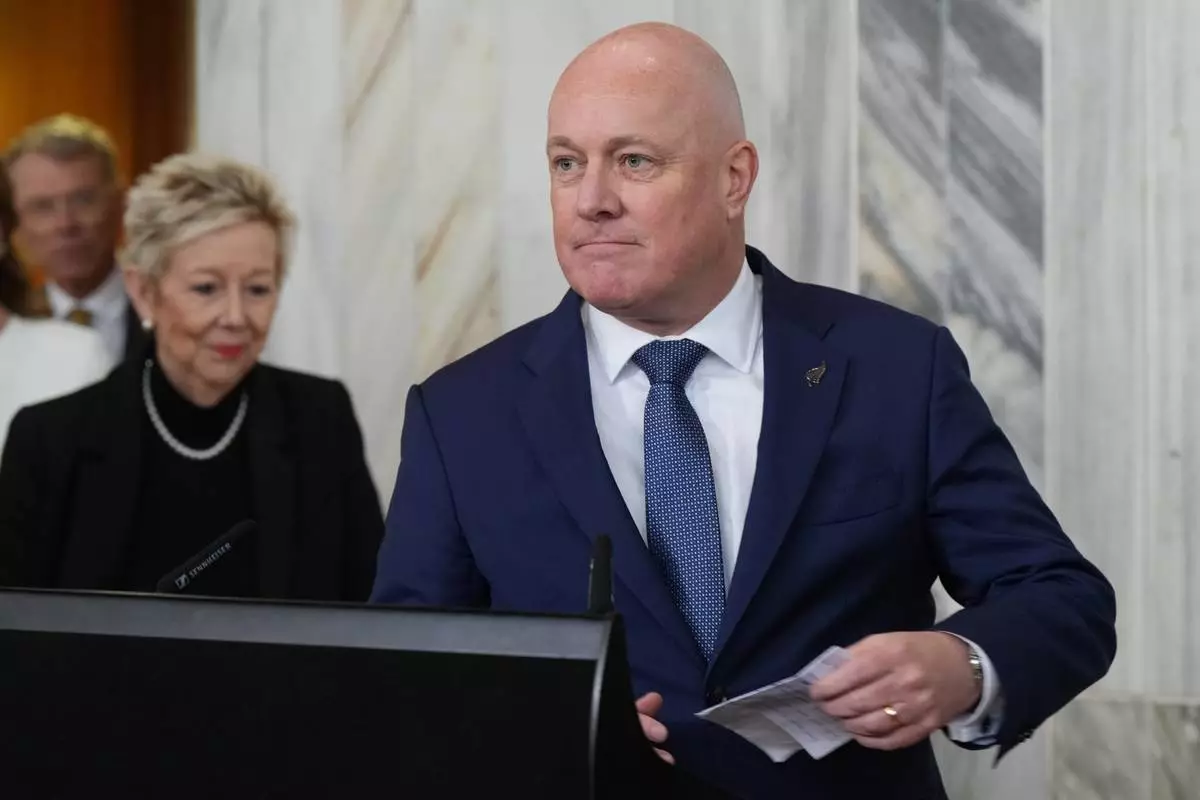
New Zealand Prime Minister Christopher Luxon speaks to reporters at Parliament in Wellington, New Zealand, on Wednesday, Aug. 12 2026, after surviving a leadership vote among his own party’s lawmakers. (AP Photo/Charlotte Graham-McLay) CORRECTION: Corrects date to Aug. 12, instead of Aug. 10
BEIRUT (AP) — The U.S. special envoy to Syria and ambassador to Turkey on Sunday walked back his comments from two days ago that Israel "still” occupies the Golan Heights in violation of U.N. resolutions, remarks that went against U.S. President Donald Trump 's position on the disputed territory.
Israel captured the Golan Heights from Syria in the 1967 Mideast war and annexed it in 1981. The United Nations and most of the international community consider the territory occupied Syrian land and do not recognize Israel’s annexation of it.
In 2019, Trump recognized Israeli sovereignty over the territory, reversing decades of U.S. policy.
Ambassador Tom Barrack on Friday said that Israel “still” occupies the territory in an interview with Lebanese-Australian entrepreneur Mario Nawfal.
Barrack now says that was a description of the territory’s historical status, “not an endorsement of the United Nations’ position” on the Golan.
"United States policy on the Golan was set by President Trump in 2019 and is unchanged,” he said in a statement to The Associated Press on Sunday.
He said he intended to explain why he does not anticipate annexation in Lebanon, where Israeli forces are occupying parts of the south after the latest Israel-Hezbollah war, and to argue that negotiated agreements, rather than territorial maps, are more durable and that he had cited the Golan as an example that “territory taken by force remains contested for generations.”
In the Friday interview, Barrack had also criticized Israel’s strikes on an airbase in northern Syria earlier last week. Israeli officials said the strikes intended to prevent Turkey from establishing a presence at the base.
Israeli Defense Minister Israel Katz defended the strikes, saying on X on Sunday that critics who initially called it “unnecessary and politically motivated” changed their position after the government said they were based on “clear intelligence” and at the recommendation of the Israeli army. He added that Israel would not allow Turkey “to establish itself in Syria and threaten Israeli security.”
The strikes last Tuesday have highlighted growing tensions between Israel and Turkey over Ankara’s increased influence in Syria following the fall of Bashar Assad. Turkey and Syria have denied that Turkish forces were due to be deployed at the Abu Duhur base.
Barrack’s comments on the Golan also sparked a backlash in Washington.
Florida Republican Sen. Rick Scott wrote on X that the ambassador appears to have “forgotten” Trump’s recognition of Israeli sovereignty over the territory.
Barrack went further on the defensive on Sunday, responding to criticism of his assessment of ongoing negotiations between Israel and Lebanon over Israeli withdrawal and the disarmament of the militant group.
He had said “there are two people missing from that (negotiating) table – Hezbollah and Iran.” That remark prompted speculation Barrack meant Tehran and Hezbollah should join the U.S.-backed negotiations.
On Sunday, Barrack stressed that the U.S. does not negotiate with Hezbollah, but said he was pointing out that “the weapons in question are supplied and financed by Iran," which complicates negotiations over their fate.
“I was describing the difficulty of the problem, not proposing a new table,” Barrack told the AP. “Hezbollah is a designated foreign terrorist organization. We do not negotiate with it, and nothing I said suggests otherwise.”
He also defended his remarks questioning who would replace Tehran’s financial support for Shiite communities in southern Lebanon, saying that raising those questions was “not conferring standing on anyone.”
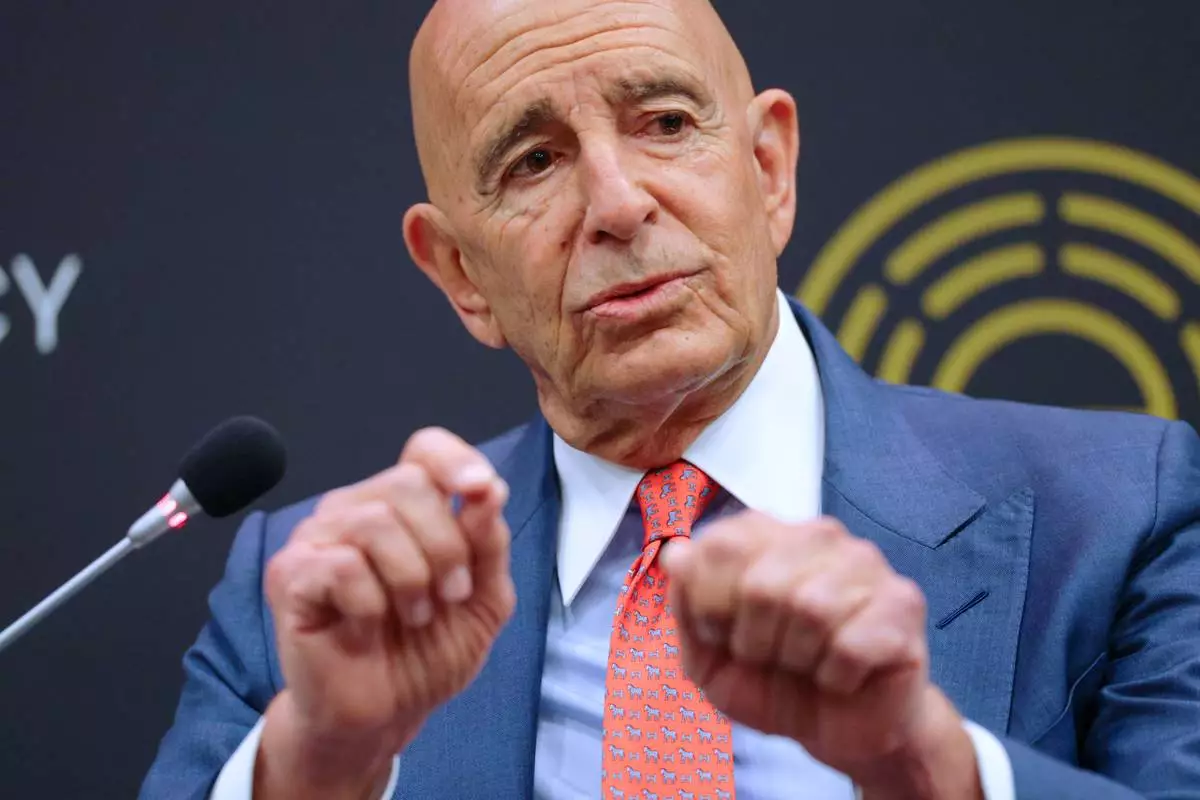
FILE - U.S. Ambassador to Turkey and Special Envoy to Syria Tom Barrack speaks in a panel during the Antalya Diplomacy Forum in Antalya, southern Turkey, April 17, 2026. (AP Photo/Riza Ozel, File)