Radiation exposure among workers at Japan's Fukushima Daiichi Nuclear Power Plant remains significantly higher than at other nuclear facilities in the country, underscoring the enduring health impacts of the 2011 disaster even 15 years later, according to a report by Japan's Jiji Press on Monday.
Citing data compiled up to the end of March this year, the report revealed that the cumulative number of response workers exposed to more than 5 millisieverts (mSv) of annual radiation has surpassed 53,000.
The 5-mSv threshold is notably used by Japan's Ministry of Health, Labor and Welfare as a practical guideline for evaluating work-related leukemia claims.
As of March, the ministry had officially recognized 17 cases of illness, including leukemia and solid cancers, as occupational injuries linked to radiation exposure during post-disaster cleanup and recovery operations. Among the 17 workers, at least two have died, according to the report.
With the plant's decommissioning not expected to be completed until between 2041 and 2051, the number of recognized work-related radiation injuries is likely to continue rising, the report says.
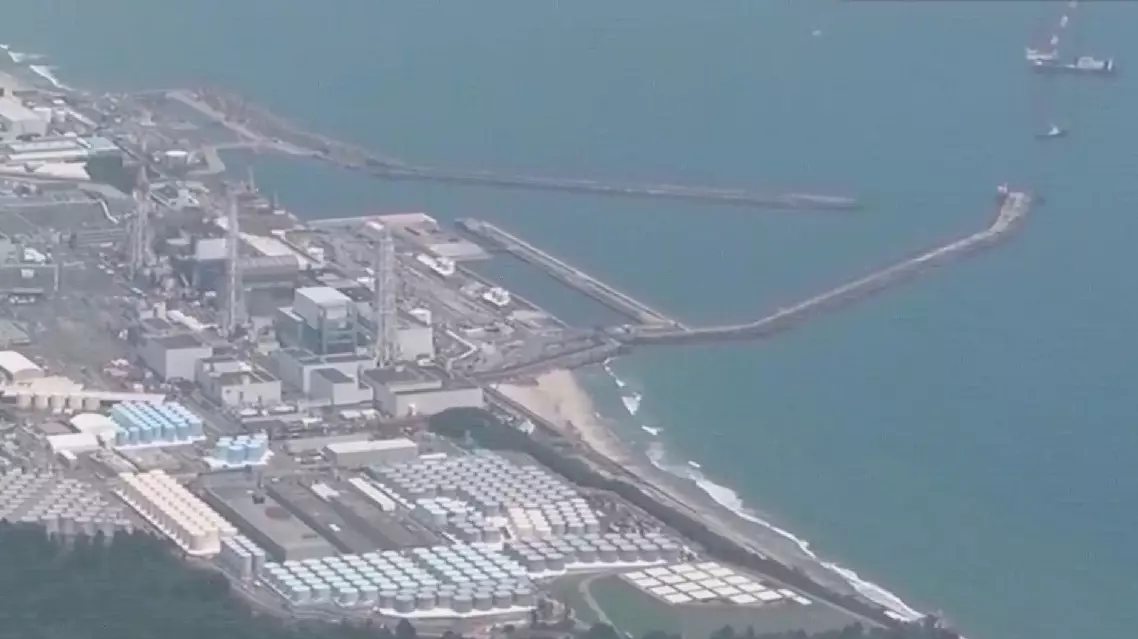
Struck by a magnitude 9 earthquake and the ensuing tsunami on March 11, 2011, the Fukushima nuclear plant suffered core meltdowns that released radiation, resulting in a level-7 nuclear accident, the highest on the International Nuclear and Radiological Event Scale.
Radiation exposure remains high at Japan's Fukushima nuclear plant after 15 years