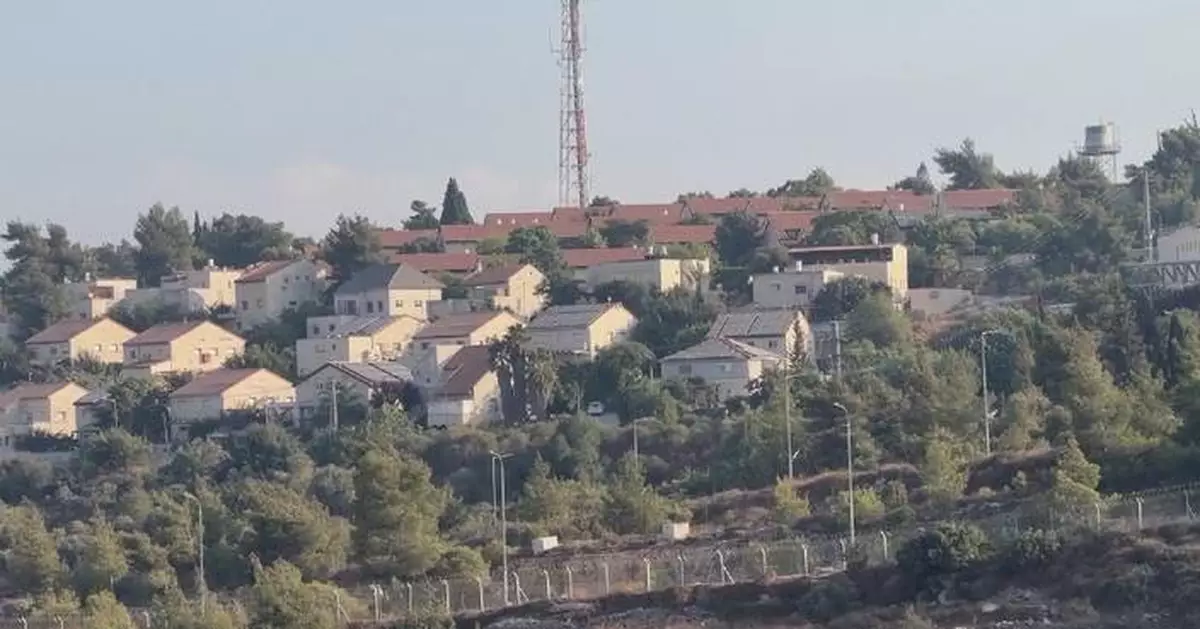
Israel's implementation of the controversial E1 settlement project in the West Bank will effectively fracture the occupied Palestinian region and fundamentally undermine the prospect of the two-State solution, Palestinian experts and officials warned on Sunday.
Last Tuesday, Israel opened a new tender for the construction of 1,234 housing units in the illegal E1 settlement project in the occupied West Bank, about a third of the 3,401 housing units Israel approved for construction.
The move has drawn condemnation from 15 major Western and Arab and Muslim nations and concern from the United Nations. They warned that the controversial settlement project will diminish the possibility of the two-state solution.
Amir Dawood, Director General of Publication and Documentation at the Wall and Settlement Resistance Commission, said that Israel's illegal E1 settlement plan crosses historical political boundaries.
"First, the E1 project is one of the most dangerous settlement projects in the Palestinian territories. The plan was first submitted for approval in the early 1990s. So, we are talking about more than three decades during which it remained shelved and was politically regarded as one of the red lines concerning the two-state solution. Last year, the Israeli government approved this plan, crossing what had long been considered a red line surrounding such settlement projects. What has happened now is that the Israeli government has moved from the planning stage to the implementation stage by issuing a series of tenders related to the construction of more than 1,200 settlement units in this area," said Dawood.
He stressed that the consequences of the settlement plan stretch well beyond new housing, effectively severing the West Bank.
"The danger of this plan is that it goes beyond residential construction or infrastructure. It has a profound geopolitical impact on the Palestinian territories, effectively separating the northern West Bank from the southern West Bank. Second, this plan effectively condemns 18 Palestinian Bedouin communities located east of Jerusalem to destruction. Third, this plan can only be viewed as part of the so-called 'Greater Jerusalem' plan," he said.
Ali Obeidat, a Jerusalem-based journalist and activist, echoed those warnings, describing the development as a crucial turning point.
"This is clear evidence, and effectively the final announcement, that the prospect of a geographically contiguous Palestinian state is being brought to an end. Israeli measures have moved from hints and threats of eliminating the prospect of a Palestinian state to actually creating that reality on the ground. This is what the Israeli government itself is saying: that what is now happening east and southeast of Jerusalem is a dream they have been waiting 20 years to realize. It eliminates all prospects for peace in the region," he said.
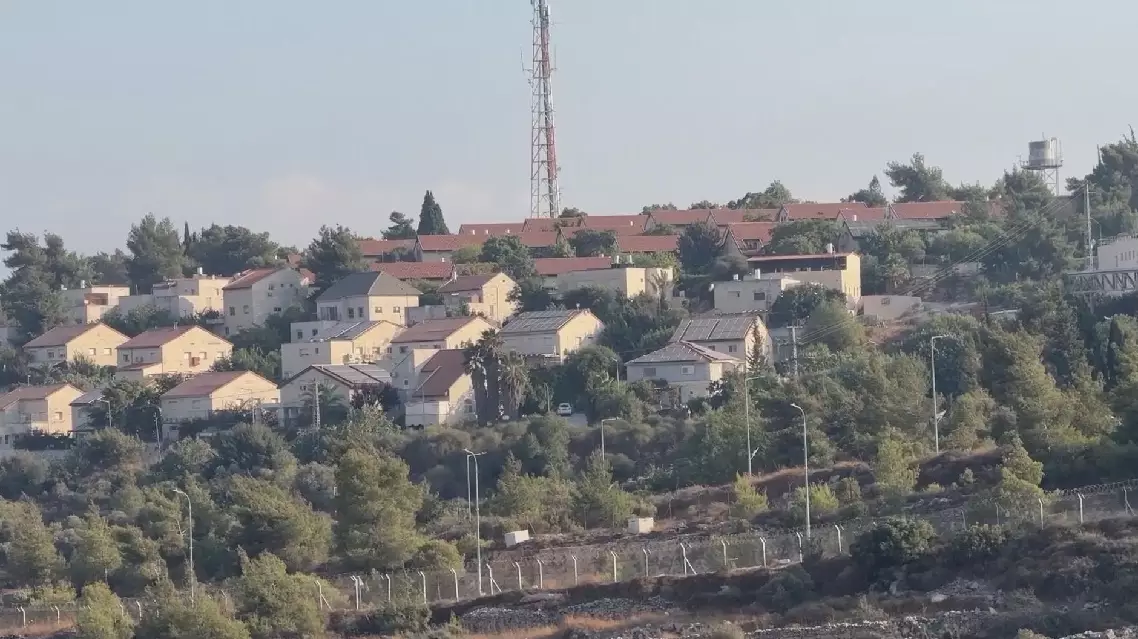
Israel's E1 settlement project severs West Bank, undermines two-state solution