Lindsay Clancy did not have acute psychosis when she killed her three children but rather took their lives so they wouldn’t “suffer” after she took her own life, a forensic psychologist testified Monday in her murder trial.
Kirk Heilbrun said he ruled out acute psychosis with command hallucinations because he didn’t believe Clancy when she said she heard a voice telling her to “kill the children so you can kill yourself.”
Click to Gallery
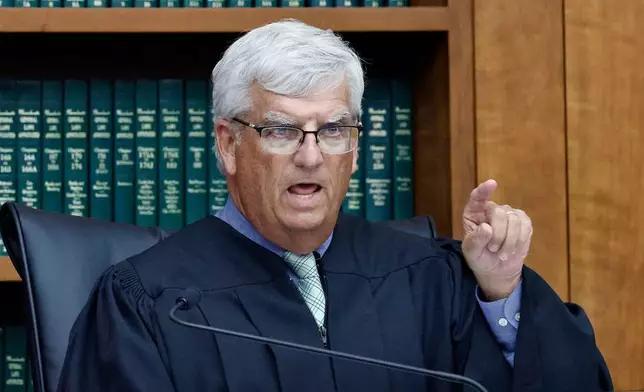
Judge William Sullivan admonishes the prosecution after their witness Dr. Kirk Heilbrun brought up the Catholic religion during his testimony about the mental state of Lindsay Clancy during Clancy's murder trial at Plymouth Superior Court, Monday, Aug. 24, 2026 in Plymouth, Mass. (Greg Derr/The Patriot Ledger via AP, Pool)

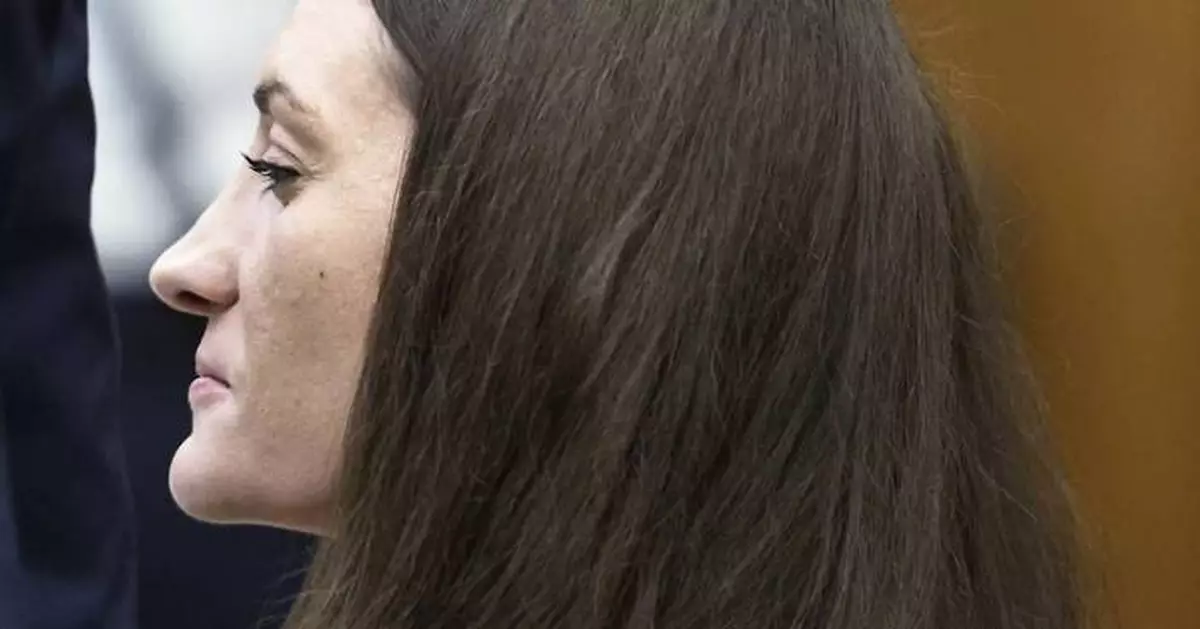
Defendant Lindsay Clancy listens to forensic psychologist Dr. Kirk Heilbrun testify about the voices she says she heard before she strangled her three children during her murder trial at Plymouth Superior Court, Monday, Aug. 24, 2026 in Plymouth, Mass. (Greg Derr/The Patriot Ledger via AP, Pool)
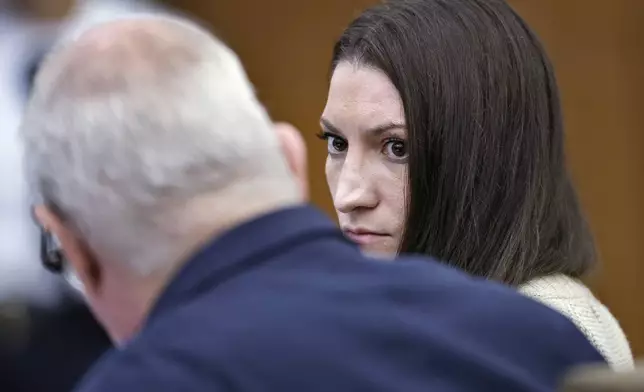
Defendant Lindsay Clancy talks with her lawyer Kevin Reddington. during her murder trial at Plymouth Superior Court, Monday, Aug. 24, 2026 in Plymouth, Mass. (Greg Derr/The Patriot Ledger via AP, Pool)

Lindsay Clancy's parents Paula And Mike Musgrove listen to testimony during Clancy's murder trial at Plymouth Superior Court, Monday, Aug. 24, 2026 in Plymouth, Mass. (Greg Derr/The Patriot Ledger via AP, Pool)
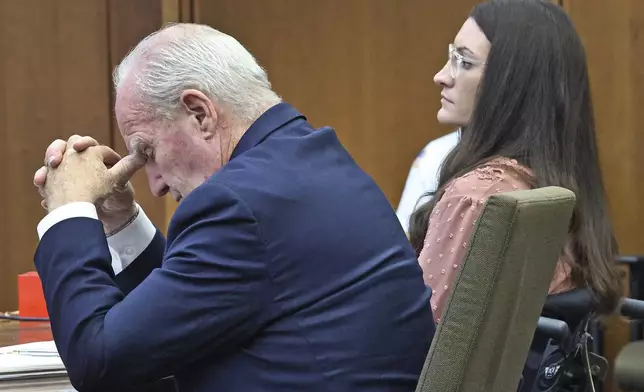
Defense attorney Kevin Reddington, seated with client Lindsay Clancy, listens to testimony by forensic phycologist Dr. Kirk Heilbrun, a prosecution rebuttal witness during Clancy's murder trial at Plymouth Superior Court, Monday, Aug. 24, 2026 in Plymouth, Mass. (Greg Derr/The Patriot Ledger via AP, Pool)

Forensic Phycologist Dr. Kirk Heilbrun speaks on the witness stand during Lindsay Clancy's murder trial at Plymouth Superior Court, Monday, Aug. 24, 2026 in Plymouth, Mass. (Greg Derr/The Patriot Ledger via AP, Pool)
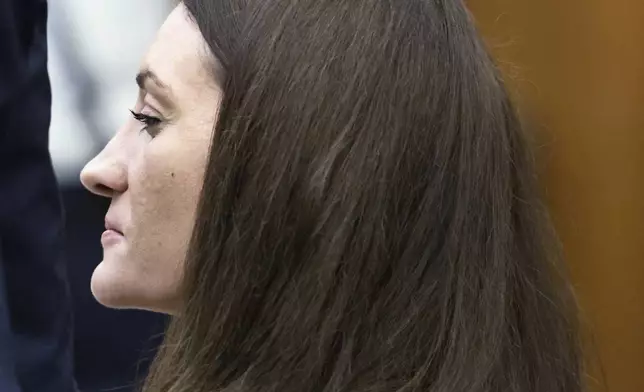
Lindsay Clancy grins after her attorney Kevin Reddington concluded his cross examination of rebuttal witness Dr. Avram Mack during her murder trial at Plymouth Superior Court, Monday, Aug. 24, 2026 in Plymouth, Mass. (Greg Derr/The Patriot Ledger via AP, Pool)
“The way she described this as happening is that she heard a voice that she’d never heard before, experienced a hallucination and she’s never experienced it since. But she only experienced it for the 18 minutes or so that it took to kill the children,” Heilbrun testified. “To put it mildly, that would be a very, very unusual pattern or manifestation of how this kind of thing comes about. Very unusual.”
A key issue at trial is Clancy's mental health. Defense attorney Kevin Reddington does not dispute that Clancy killed the children in January 2023 but says she shouldn’t be held criminally responsible because she had postpartum psychosis, a rare mental illness linked to the stress, sleep deprivation and hormonal changes that follow childbirth.
EDITOR’S NOTE: This story includes discussion of suicide. If you or someone you know needs help, the national suicide and crisis lifeline in the U.S. is available by calling or texting 988.
After killing her children, Clancy jumped from a second-floor window and remains paralyzed from the waist down. Heilbrun testified that he concluded that Clancy killed her children because she wanted to kill herself but didn't want to leave them behind.
“One of the things that she said when I asked about what happened, is that in the course of strangling each child, she said, `Go to God, baby. Go to God,'” he said. “That was part of her expectation that she and the children would be together in heaven with God.”
Heilbrun also mentioned Clancy's Catholic faith, prompting a request for a mistrial from Reddington that Judge William Sullivan denied.
He later instructed the jury to disregard the reference to “the religion that the defendant was raised with,” calling it “an absolutely inappropriate area of testimony.”
Heilbrun is the latest prosecution witness to say that while Clancy was mentally ill, she still knew that what she was doing was wrong.
On Friday, Dr. Avram Mack, a forensic psychiatrist, testified that he found no evidence of mania or hypomania to support a bipolar diagnosis — or of psychosis — leading up to the killings. He said Clancy was experiencing severe mental illness when she killed her children but that it was a continuation of the depression she had experienced for months in which she was able to control impulses and distinguish right from wrong.
However, Heilbrun said he did determine Clancy has bipolar 2 disorder, while saying it was difficult to diagnose at least in part “because of all the diagnoses in the records and all the symptoms that she experienced.” People with bipolar 2 disorder experience cycles of depression and hypomania, which is less intense than the mania experienced with bipolar 1 disorder.
Earlier in the trial, the jury heard that Clancy had sought treatment for mental health problems from multiple providers and even had admitted herself to a psychiatric hospital.
Prosecutors say the former labor and delivery nurse planned the killings and contrived to get her husband out of the house by sending him to pick up medicine for one of their children and dinner for the family.
Clancy, 36, has pleaded not guilty to murder charges in the deaths of Callan, Dawson and Cora Clancy, who ranged from 8 months to 5 years old. Closing arguments are expected later this week.
The condition that Clancy's attorney says she had when she killed the children, postpartum psychosis, is more serious and less common than postpartum depression.
The last witness to testify for the defense before prosecutors began calling rebuttal witnesses was Dr. Phillip Resnick, a forensic psychiatrist and expert in filicide, or the killing of a child by a parent.
Resnick testified Friday that Clancy was “clearly psychotic” on the day she killed her children and was not in control of her actions. “It was almost like she was a puppet and someone else was pulling the strings,” he said.
That echoed another defense witness, psychologist Paul Zeizel, who concluded Clancy “had no appreciation for the wrongfulness of her act.”
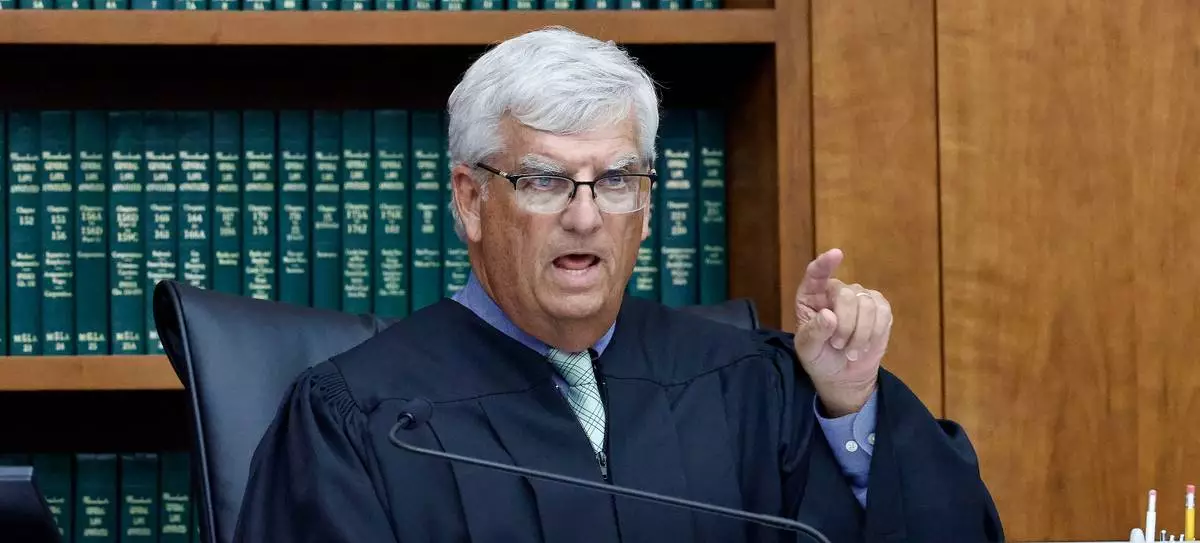
Judge William Sullivan admonishes the prosecution after their witness Dr. Kirk Heilbrun brought up the Catholic religion during his testimony about the mental state of Lindsay Clancy during Clancy's murder trial at Plymouth Superior Court, Monday, Aug. 24, 2026 in Plymouth, Mass. (Greg Derr/The Patriot Ledger via AP, Pool)
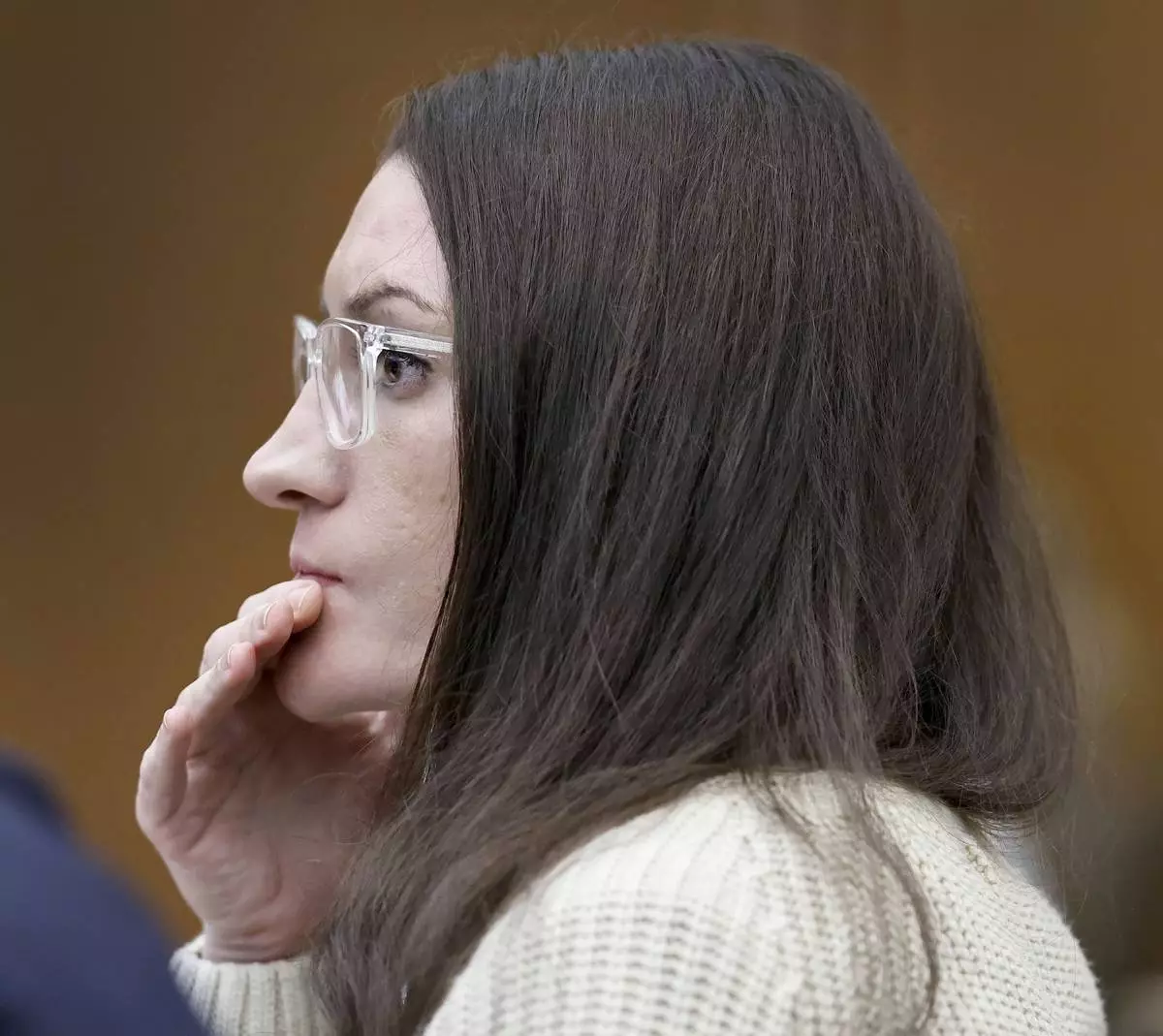
Defendant Lindsay Clancy listens to forensic psychologist Dr. Kirk Heilbrun testify about the voices she says she heard before she strangled her three children during her murder trial at Plymouth Superior Court, Monday, Aug. 24, 2026 in Plymouth, Mass. (Greg Derr/The Patriot Ledger via AP, Pool)
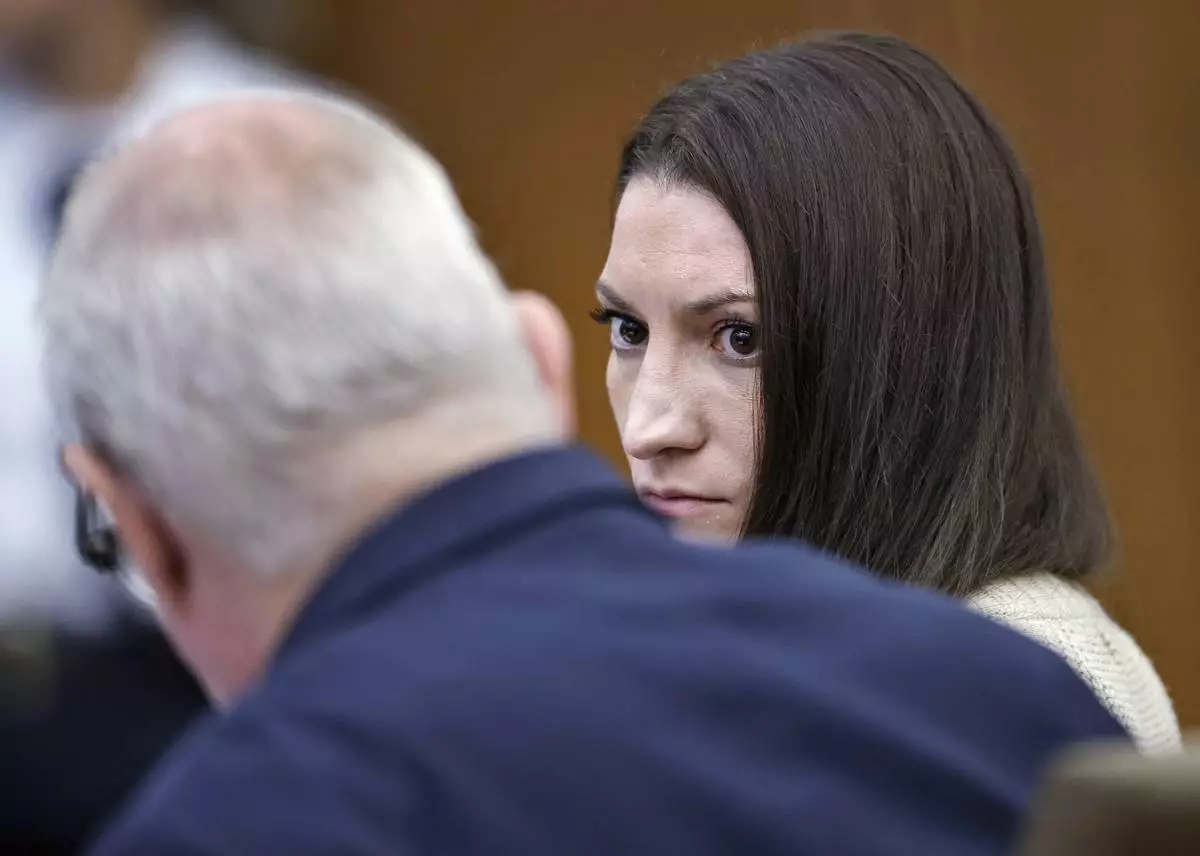
Defendant Lindsay Clancy talks with her lawyer Kevin Reddington. during her murder trial at Plymouth Superior Court, Monday, Aug. 24, 2026 in Plymouth, Mass. (Greg Derr/The Patriot Ledger via AP, Pool)
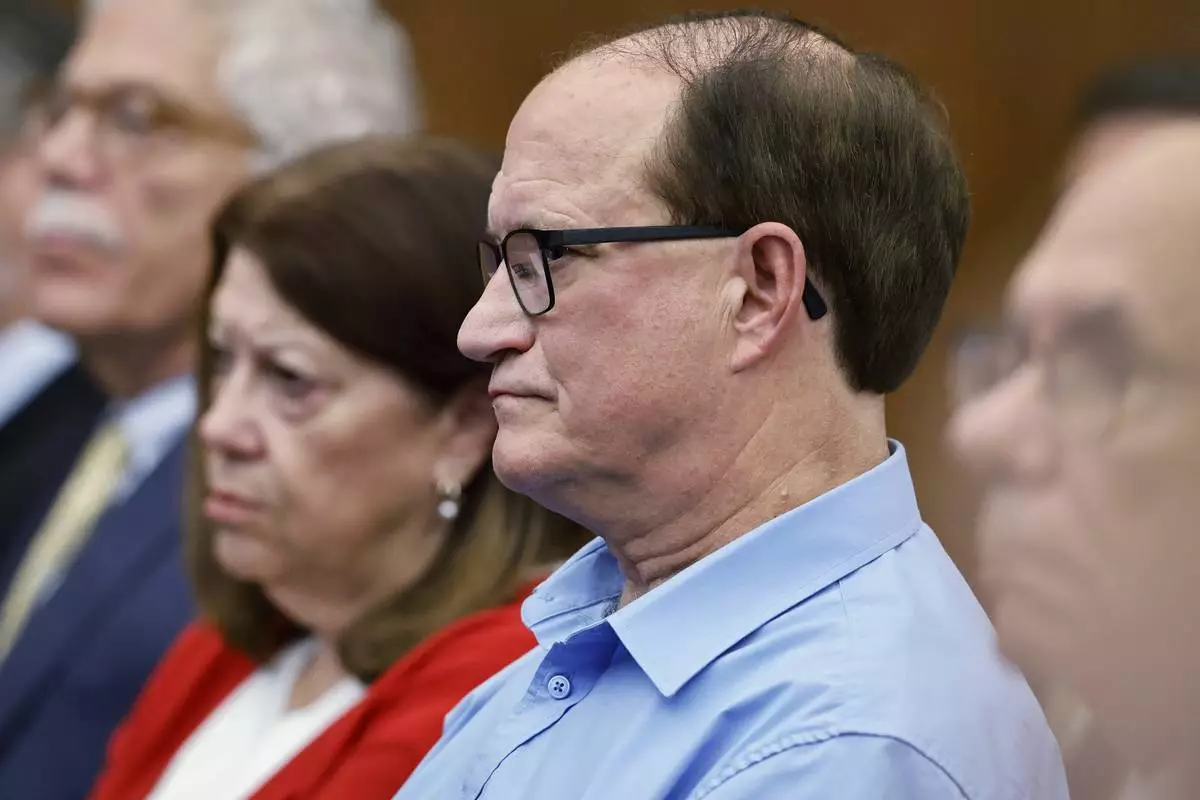
Lindsay Clancy's parents Paula And Mike Musgrove listen to testimony during Clancy's murder trial at Plymouth Superior Court, Monday, Aug. 24, 2026 in Plymouth, Mass. (Greg Derr/The Patriot Ledger via AP, Pool)
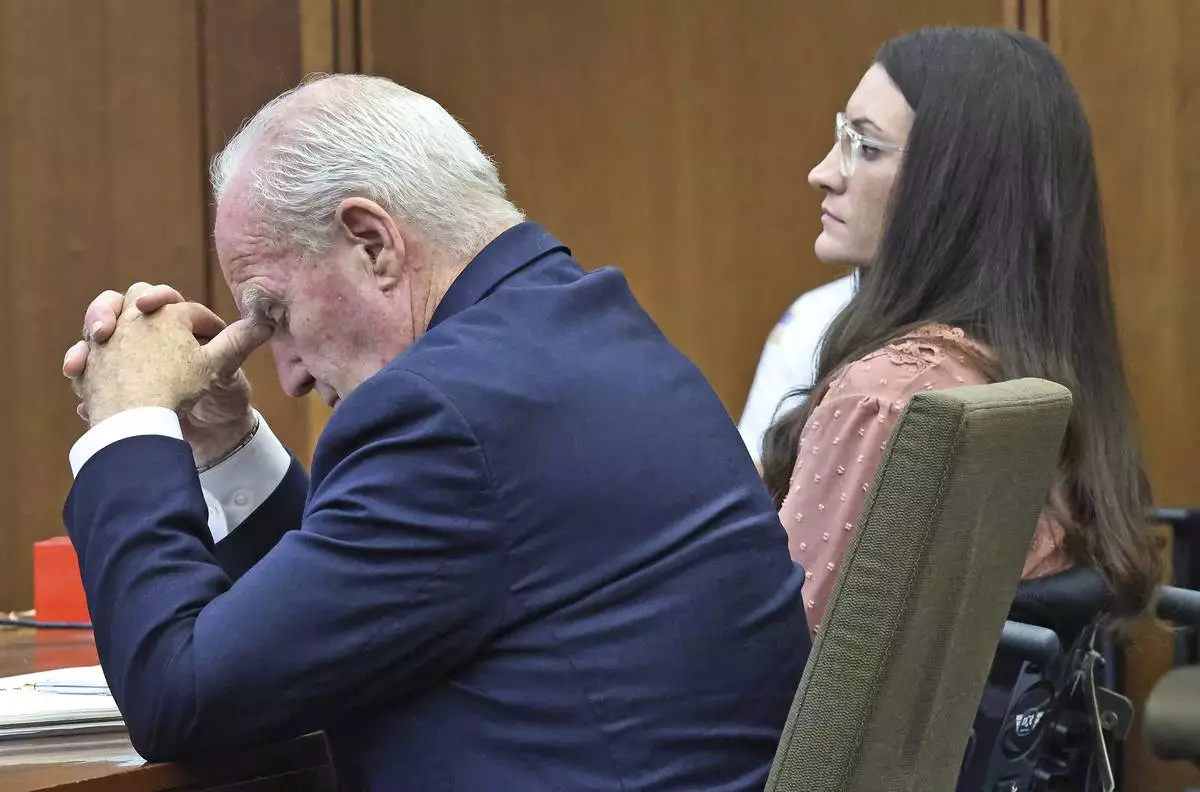
Defense attorney Kevin Reddington, seated with client Lindsay Clancy, listens to testimony by forensic phycologist Dr. Kirk Heilbrun, a prosecution rebuttal witness during Clancy's murder trial at Plymouth Superior Court, Monday, Aug. 24, 2026 in Plymouth, Mass. (Greg Derr/The Patriot Ledger via AP, Pool)

Forensic Phycologist Dr. Kirk Heilbrun speaks on the witness stand during Lindsay Clancy's murder trial at Plymouth Superior Court, Monday, Aug. 24, 2026 in Plymouth, Mass. (Greg Derr/The Patriot Ledger via AP, Pool)
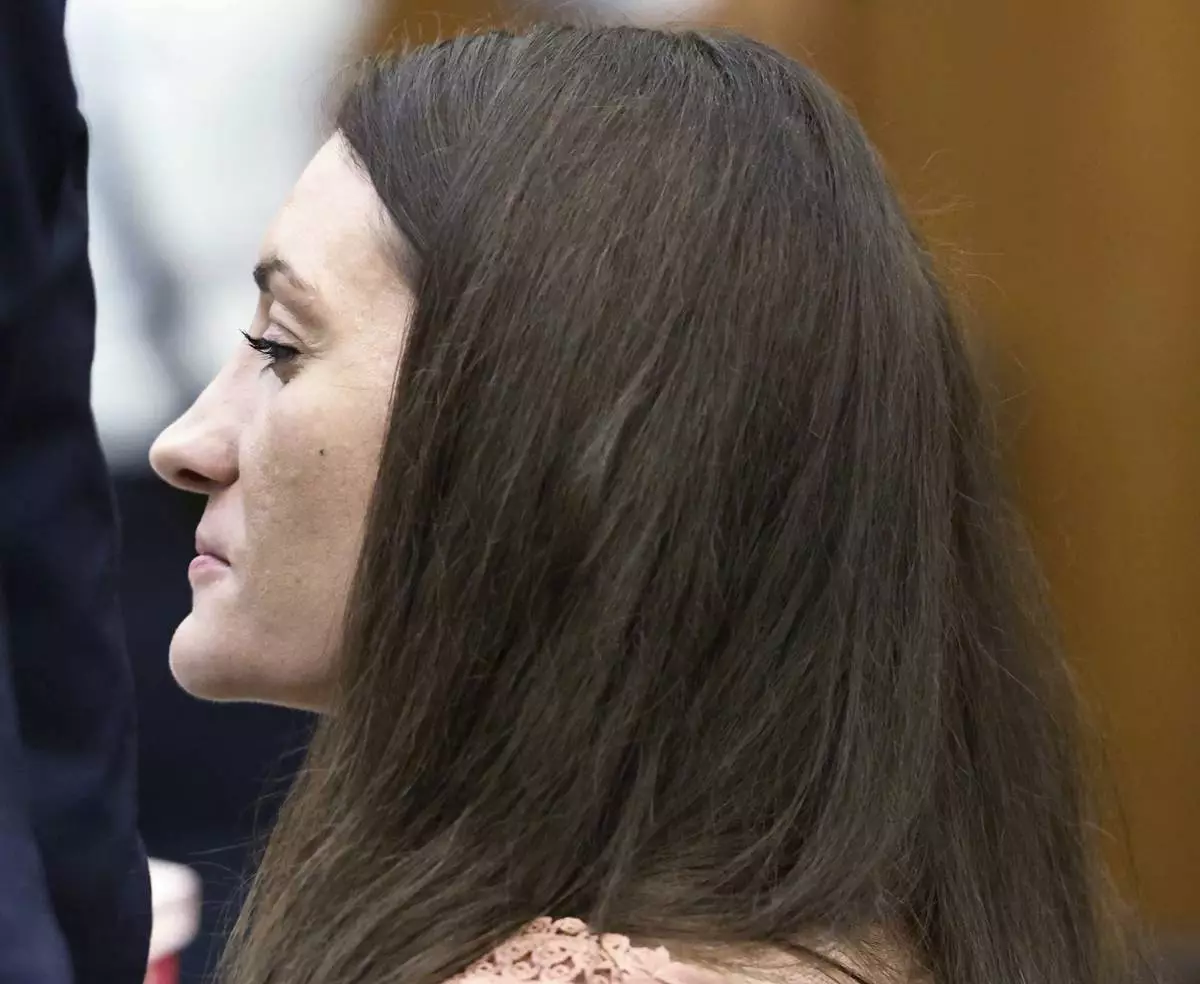
Lindsay Clancy grins after her attorney Kevin Reddington concluded his cross examination of rebuttal witness Dr. Avram Mack during her murder trial at Plymouth Superior Court, Monday, Aug. 24, 2026 in Plymouth, Mass. (Greg Derr/The Patriot Ledger via AP, Pool)