CHICAGO (AP) — Honey. Makeup. Christmas decorations. And hockey sticks.
Those are just a few of the hundreds of different Canadian products that President Donald Trump's administration has slapped with a 50% tax to enter the United States. The new tariffs, which kicked in Saturday, are expected to affect about $20 billion in Canadian goods, which represents roughly 5% of the $381.92 billion worth of products that the country sent to the U.S. last year.
While that's far from the majority of Canada's exports, 50% is a punishing rate. And households could feel the strain of higher prices the longer this import tax stays in effect — on top of spikes already spanning from previously-imposed levies. That's because tariffs are taxes paid by importers, or businesses that buy products from abroad, and at least some of those costs are almost always passed on to shoppers.
The wide scope (and at times incredibly specific) list of goods now levied at 50% means that consumers could see price hikes in many different shopping aisles, as well as other core expenses like home-building. Countermeasures are also around the corner. Canada’s Prime Minister Mark Carney has promised to roll out “dollar for dollar” retaliation next month. All the while, Trump has made more threats to escalate his trade war with America's northern neighbor, notably suggesting he could hike already steep U.S. import taxes on automobiles next year.
Here's a look at some of the products in the crosshairs, on both sides of the border.
When first announcing the planned 50% tariffs last month, the Trump administration said that the new taxes would be levied on Canadian products ranging from hockey sticks to wine and cement. And the list is long — covering more than 550 goods.
Some of the many items specified by the White House include:
Trump imposed these tariffs by reaching back to a long-dormant Great Depression-era law. Section 338 of the Tariff Act of 1930, which has never been used before, authorizes the president to slap import taxes of up to 50% on imports from countries that have discriminated against U.S. businesses.
Trump claimed that Canada discriminated against autos, alcohol and dairy products, particularly following the implementation of his prior U.S. import taxes last year. It's worth noting that the list of Canadian goods now facing the latest levy, as seen above, is far more diverse.
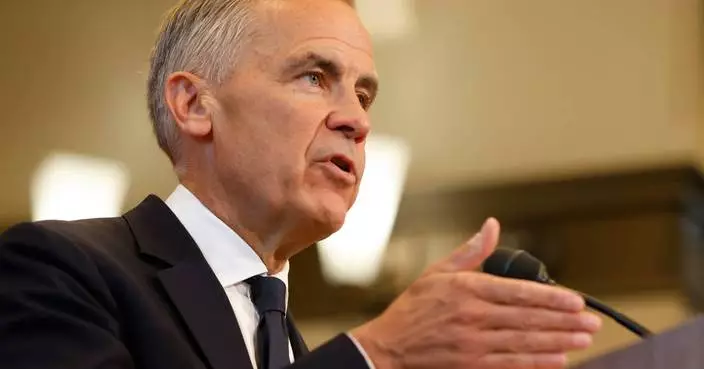
Shortly after the new 50% tariffs kicked in, Canada's Carney promised retaliation.
On Saturday, the prime minister said his government would begin dollar-for-dollar countermeasures on Sept. 8. Carney noted Canada’s tariff increases would target U.S. steel, dairy, appliances, agricultural equipment, pulp and paper and electronics.
He said more details would be on the way.
Threats of stronger countermeasures and further escalation only ramped up on Monday, raising the possibility that additional products or sectors would come into the crosshairs of the trade war.
Ontario Premier Doug Ford told The Associated Press in an exclusive interview Monday that “everything is on the table,” noting his province would be ready to cut off electricity and critical minerals to the U.S. if the trade war worsens.
Trump "underestimates Canada. We’re all in,” Ford said. He also called for Canada to consider using oil and potash — both major exports — as leverage.
Meanwhile, Trump took to social media to say that his administration would also increase tariffs on Canadian cars, trucks, automotive parts and steel to 50% starting Jan. 1, 2027. Like other countries, Canada currently faces a broader 25% tariff on autos. A 50% sectoral tariff on most steel imports is already in effect.
Trump accused Canada of “ripping off” the U.S. for years, through what he called “ridiculously high tariffs” on American farmers. “WE DON’T NEED CANADA, THEY NEED US!” he added in a Monday Truth Social post.
Cars and auto parts, as well as energy products, were excluded from Trump's latest round of tariffs — but remained key sticking points in negotiations that later crumbled at the eleventh hour over the weekend.
In remarks Monday, Carney said Washington’s auto-sector proposals would “gradually dismantle” Canadian production. He added Canada is the largest customer for U.S. automobiles — and questioned what Trump’s latest move would mean for workers in states such as Ohio, Kentucky and Alabama who depend on that demand.
AP Writers Mae Anderson in New York and Rob Gillies in Toronto contributed.

FILE - People rally in response to U.S. President Donald Trump's threats to Canadian sovereignty on Parliament Hill in Ottawa, March 9, 2025. (Justin Tang/The Canadian Press via AP File)
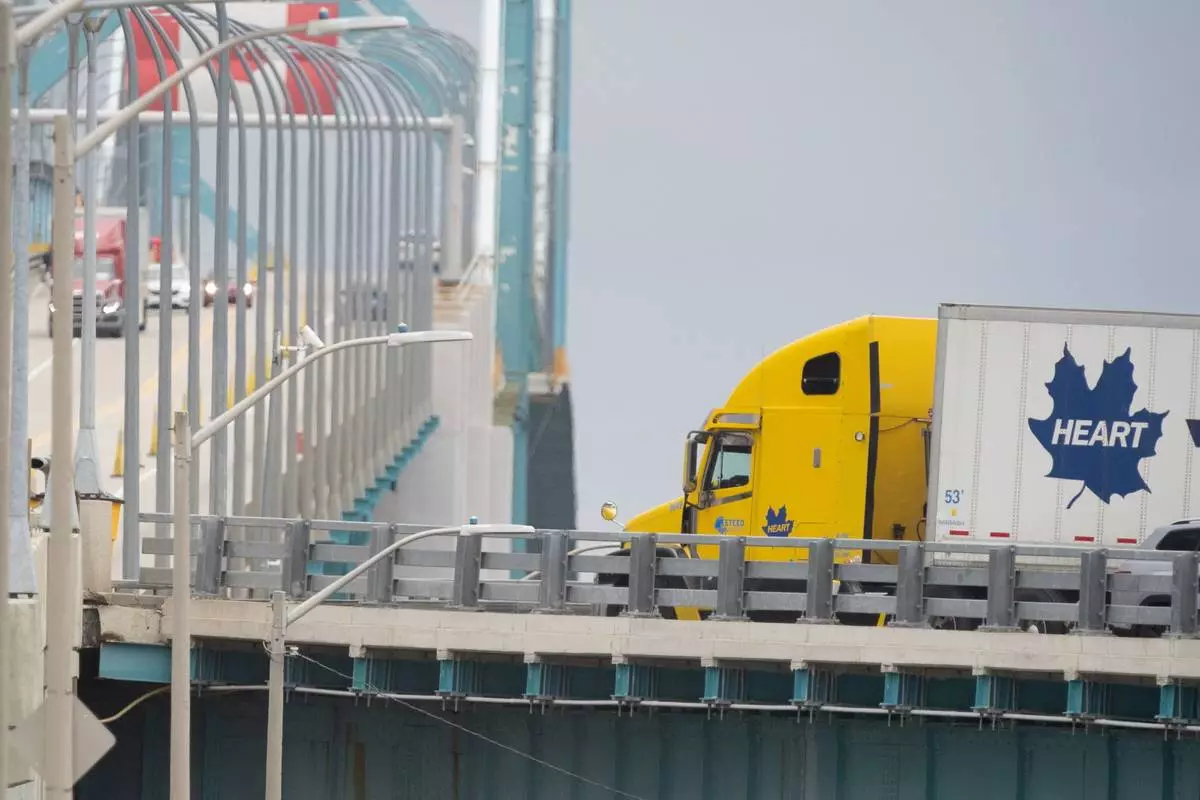
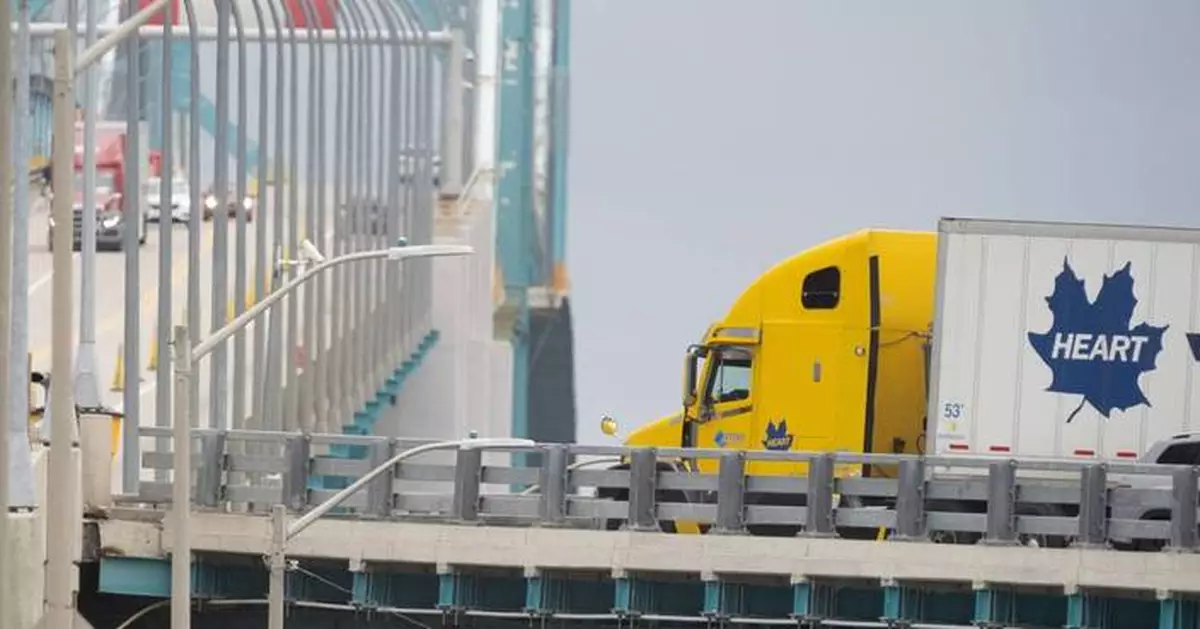
Transport trucks cross the Ambassador Bridge into the United States of America, in Windsor, Ontario, Canada, Saturday, Aug. 22, 2026. (Dax Melmer/The Canadian Press via AP)