Skip to Content Facebook Feature Image

FEHD Accepts Ombudsman's Recommendations to Enhance Public Niche Allocation and Funeral Services

HK

FEHD Accepts Ombudsman's Recommendations to Enhance Public Niche Allocation and Funeral Services
HK

HK

FEHD Accepts Ombudsman's Recommendations to Enhance Public Niche Allocation and Funeral Services

2026-08-25 16:05 Last Updated At:17:21

FEHD responds to Office of The Ombudsman's direct investigation report and continues to enhance public niche allocation arrangements

In response to the Office of The Ombudsman's direct investigation report on "Public Niche Allocation" released today (August 25), a spokesman for the Food and Environmental Hygiene Department (FEHD) said that the department accepts the recommendations in the report. As noted in the report, the allocation of public niches has already been standardised and enhanced through a monthly allocation arrangement. The FEHD will carefully study the Office of The Ombudsman's other recommendations and continue to improve the quality of its services.

The Ombudsman, Photo source: HKSAR Government Press Releases

The Ombudsman, Photo source: HKSAR Government Press Releases

The FEHD has long been committed to improving its funeral services and ensuring a stable supply of public niches. Whether monthly allocation can be adopted depends largely on whether the requisite conditions are in place at the time. As early as 2020, following the completion of the Tsang Tsui Columbarium in Tuen Mun, which provided 160 000 niches, the FEHD launched a pilot monthly allocation arrangement there for the convenience of the public. In recent years, more public columbaria have been completed, including the Shek Mun Columbarium, which was completed in the fourth quarter of 2025. The overall supply of public niches has remained ample and there was generally no need to wait for allocations. Against this background, the FEHD considered that the time was ripe to draw on the successful experience of the Tsang Tsui Columbarium and apply the monthly allocation arrangement to all four columbaria where new extendable niches are available: Tsang Tsui Columbarium in Tuen Mun, Wo Hop Shek Columbarium Phase VI in Fanling, Cape Collinson-San Ha Columbarium in Eastern District, and Shek Mun Columbarium in Sha Tin. The enhanced arrangement was announced in March this year and implemented from August 1. More than 1 600 extendable public niches are now made available each month. Following the ballot, applicants are notified of the results on the same day by SMS or email. Applicants who are not allocated a niche at their preferred columbarium will automatically be allocated a niche at Tsang Tsui.

As the Office of The Ombudsman pointed out, public niches are precious and limited public resources. The FEHD's new arrangement not only meets the overall demand for niches but also strikes an appropriate balance between public preferences and the number of niches available at individual columbaria. This helps maintain a stable supply of niches at the various venues in the medium to long term, so that future applicants will continue to have a choice among different venues. The FEHD will continue to closely monitor applications for niches and make timely adjustments as and when necessary.

The spokesman added, "The FEHD will, as always, continue to respond to community needs, elevate the standard of funeral services and provide people-centric, quality services for the community. Apart from strengthening education on green burials and encouraging the public to use green burial services, the FEHD will also streamline procedures and use resources efficiently."

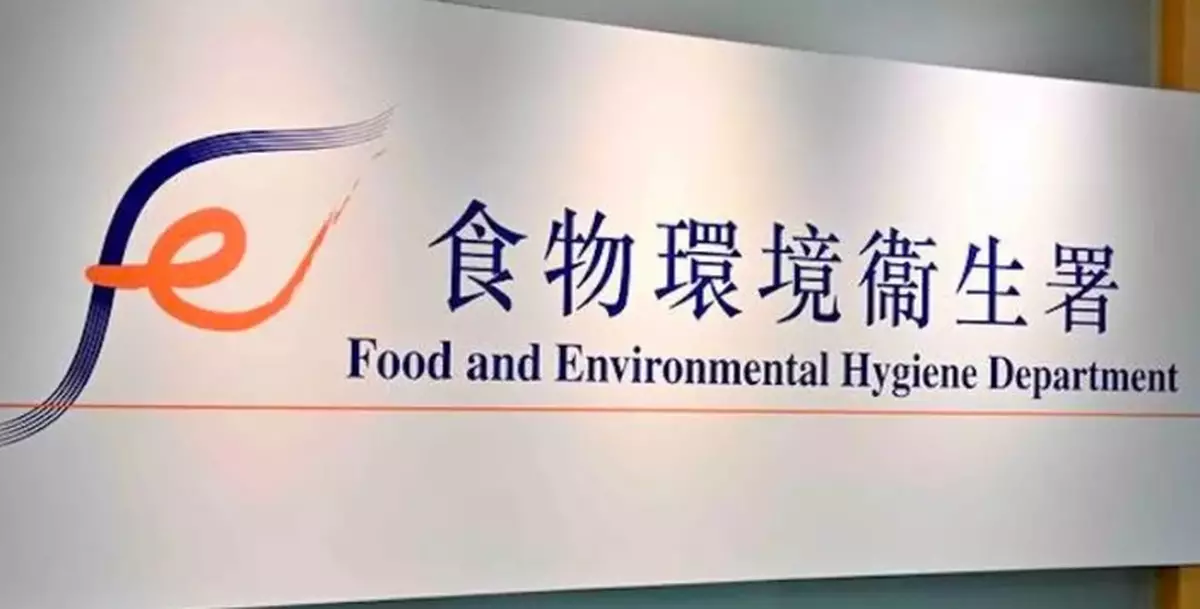
The Food and Environmental Hygiene Department, Photo source: reference image

The Food and Environmental Hygiene Department, Photo source: reference image

EDB organises AI Leadership Training to drive school-based digital education development

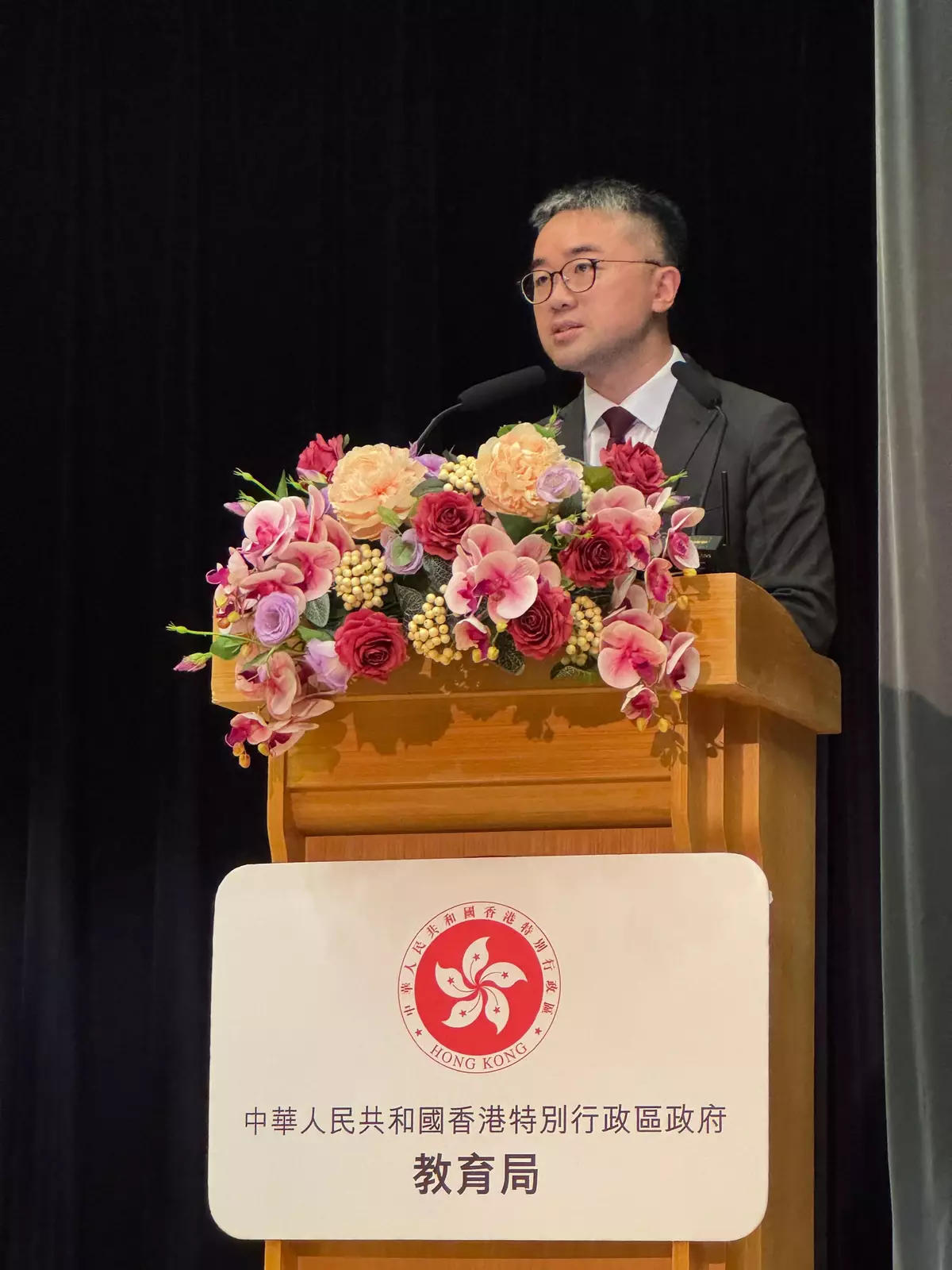
The Education Bureau (EDB) organised the AI Leadership Training for school leaders and middle management of primary and secondary schools for two consecutive days (August 24 and 25) to help them gain a deeper understanding of the development direction and promotion strategies of digital education, and explore how to effectively plan and continuously implement AI education in accordance with school-based circumstances.

Delivering the welcome address, the Under Secretary for Education, Dr Sze Chun-fai, said that to implement the Blueprint for Digital Education Development in Primary and Secondary Schools announced earlier, the EDB has launched a series of tiered teacher professional development activities. This training focuses on strengthening school leaders and middle management's competence to lead and strategically plan technology-empowered education. He expressed the hope that, through policy interpretation and sharing of practical examples, the sustained advancement and optimisation of digital education in schools can be promoted.

Dr Sze emphasised that the key to effectively promoting school-based AI education lies in whether school leaders can translate policy directions into school-based action plans that cater for school contexts and students' needs. This empowers the teaching force to innovate and embrace change, thereby fostering a more inspiring, inclusive, and future-oriented learning environment for students.

Divided into primary and secondary (including special schools) sessions, the training was conducted simultaneously in face-to-face and online modes, attracting about 1 400 school heads, deputy heads, and relevant middle management. The EDB representatives provided a detailed introduction to the AI Literacy Learning Framework for Primary and Secondary Schools and explored how to guide students to learn AI well, use AI effectively and use AI responsibly, progressively cultivating their AI literacy. They also illustrated key points of the Guide to Using AI in Teaching in Primary and Secondary Schools through practical examples, including considerations for applying AI in learning, teaching, and assessment. Furthermore, school heads and deputy heads from several schools shared their experiences in strategically implementing AI + Subjects in schools to enhance learning and teaching effectiveness through practical examples.

Looking ahead, in line with the implementation of the Blueprint, the EDB will continue to provide teachers with diversified professional development activities. Through tiered professional development activities across themes such as AI Leadership, AI + Subjects and AI Literacy, the EDB aims to holistically enhance the AI literacy and pedagogical capacity of teachers and school leaders, guiding the education sector to embrace the opportunities and challenges of the digital era.

EDB organises AI Leadership Training to drive school-based digital education development Source: HKSAR Government Press Releases

EDB organises AI Leadership Training to drive school-based digital education development Source: HKSAR Government Press Releases

Recommended Articles