WINDSOR, Ontario (AP) — With his trade war with Canada intensifying, U.S. President Donald Trump floated the idea of renaming Lake Ontario to become “Lake America.” America's northern neighbors quickly panned the idea.
“He can blow out his hole as much as he wants to, but it’s never going to happen, because Canadians are strong,” said Patricia Wiseman, an Ontario resident, as she walked along the waterfront of the Detroit River.
Click to Gallery
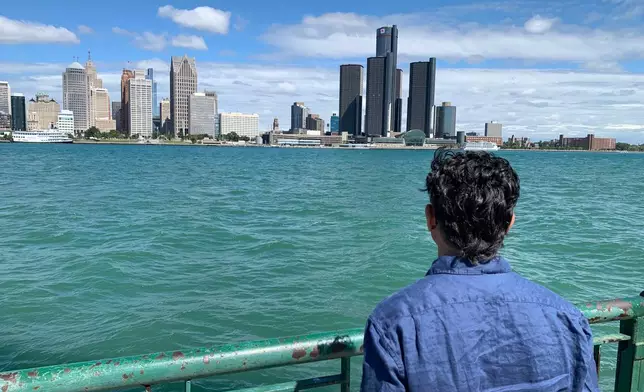
City Councillor Renaldo Agostino looks at the Detroit skyline across the Detroit River Monday, Aug. 24, 2026, in Windsor, Ontario (AP Photo/Mike Householder)
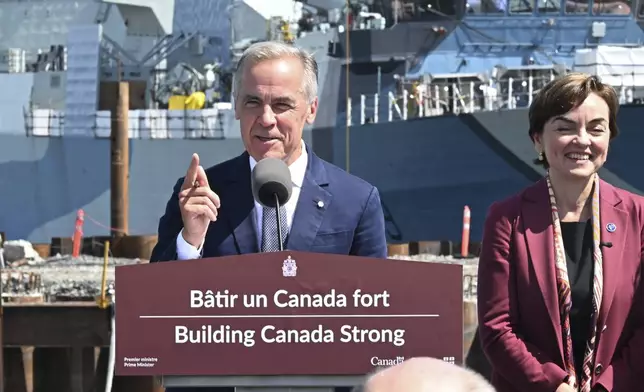
Canadian Prime Minister Mark Carney speaks at the Davie shipyard in Levis, Quebec on Monday, Aug. 24, 2026. Quebec Premier Christine Frechette, right, looks on. (Jacques Boissinot/The Canadian Press via AP)
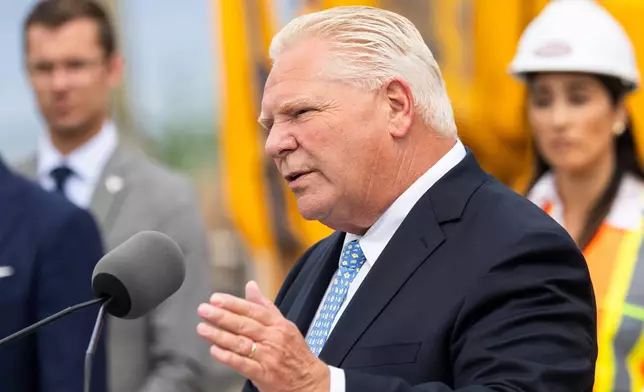
Ontario Premier Doug Ford speaks to media at a housing development in Hamilton, Ontario, Canada on Monday, Aug. 24, 2026. (Nick Iwanyshyn/The Canadian Press via AP)
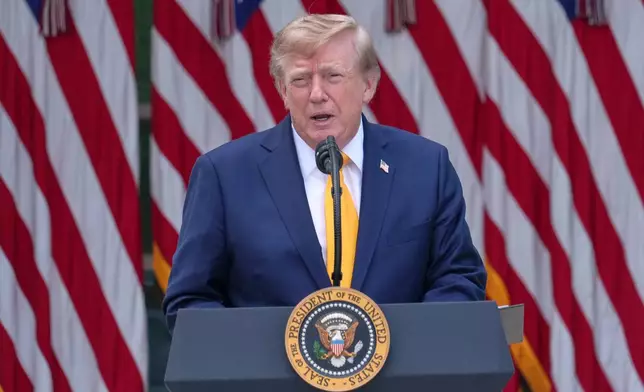
President Donald Trump speaks during a back to school event in the Rose Garden of the White House, Monday, Aug. 24, 2026, in Washington. (AP Photo/Alex Brandon)
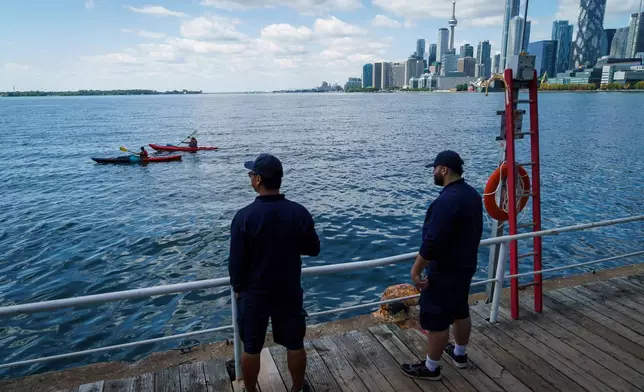
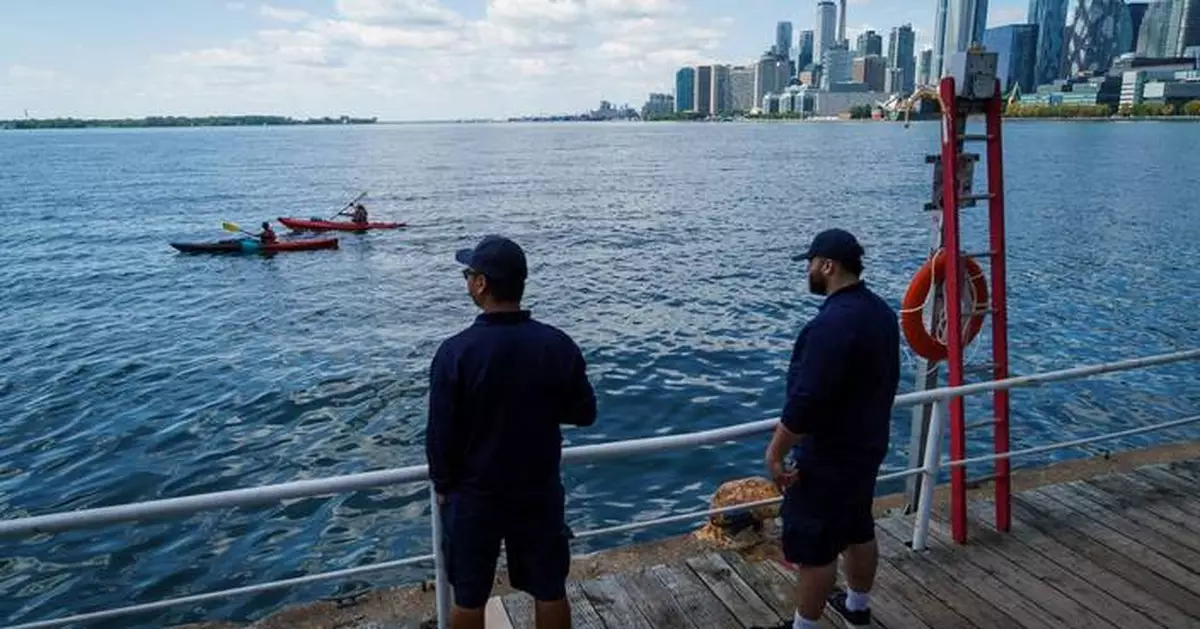
People look out across Lake Ontario from the harbor in Toronto, Tuesday, Aug. 25, 2026. (Keito Newman/The Canadian Press via AP)
It may be more complicated than that. Trump has wide latitude over how the U.S. government recognizes geographic places and landmarks. But he cannot force Canada or individual citizens on either side of the border to follow his preferred naming conventions. And his latest branding idea — reminiscent of his move to rechristen the Gulf of Mexico as the “Gulf of America” — highlights how much his rhetoric and trade policy have sundered the previously warm relationship between Washington and Ottawa.
“I believe the American people love us, and we love them,” Wiseman said. “They’re going through as much turmoil as we are. Hopefully, one day we can reunite.”
Trump introduced the idea of renaming the easternmost area of the Great Lakes hours before Canadian Prime Minister Mark Carney's scheduled announcement of reciprocal tariffs on U.S. imports into his country.
“The United States is giving serious consideration to changing the name of Lake Ontario to Lake America in that we don’t expect to doing much business with Ontario any longer,” Trump posted Monday on Truth Social.
The White House followed later in the day by posting on social media a toy Lego map of the U.S. labeling the Gulf of Mexico with Trump's preferred name, Gulf of America.
The U.S. and Canada, which share borders along multiple Great Lakes, including Lake Ontario, are locked in an extended trade dispute, with the Trump administration imposing 50% tariffs on $20 billion worth of Canadian goods over the weekend after talks between the countries broke down. That ratcheted up lower tariffs that Trump imposed in 2025, shortly after his second presidency began.
Trump has also threatened new 50% tariffs on Canadian vehicles, auto parts and steel, while Carney said U.S. trade demands showed that Washington wanted to “destroy our major industries,” including autos, steel and aluminum.
The official U.S.-Canada border stretches across the water between Lake Ontario's northern and southern shores. The body of water forms much of New York State’s coastline and separates Buffalo from Toronto, the capital of the province of Ontario. Toronto is Canada's most populous city and Ontario its most populous province.
Ontario is also the single largest export destination for more than a dozen U.S. states.
“It’s disappointing,” Ontario resident Paul Butler said of Trump's policy and rhetoric. “The more you hear it, it just gets downright infuriating.”
Ontario Premier Doug Ford, who traded personal insults with Trump on Monday, dismissed the Lake Ontario threat as “a lot of rhetoric” and urged the two countries to resume negotiations. Ford acknowledged in a CNN interview that the dispute had “got a little personal” and agreed it was time to lower the temperature, saying the trade fight was hurting both countries and that Canada and the United States should “get back to the table” to negotiate.
The lake's name comes from the Huron Indigenous people's word “oniatarí:io,” which means “lake of shining waters,” and it predates European settlement in the region. The province, founded in 1867, took its name from the lake.
The International Hydrographic Organization — of which both the United States and Canada are members — works to ensure that the world’s seas, oceans and navigable waters are surveyed and charted uniformly, and also names some of them. But there is no single international body that determines names of international bodies of water.
“It’s been like that for so long, so, why do we need to change it?” said Nancy Minard, an Ontario resident. “It seems to work for Canada and I think probably works for the U.S., too.”
Trump has at least some support for his idea on Ontario's south shoreline.
“I like it. Absolutely. Because I like America, and right now Canada’s not treating us very nicely,” said Jim Fetterhoff, a resident and fisherman in Port Ontario in upstate New York.
He cited Canadian tariffs on dairy and other products. Nothing against Canadians themselves, Fetterhoff added, “just the Canadian government. I love Canadians.”
Canada and Mexico are the largest U.S. trading partners but have drawn Trump's ire throughout his second presidency on trade, immigration and crime. He has called for Canada to become the 51st state, alternating between joking tones and seemingly serious assertions that Carney and other Canadians have rejected and mocked.
On the day of his second inauguration, Trump fulfilled one of his 2024 campaign promises with an executive order to rename the Gulf of Mexico to the Gulf of America. The body of water forms a shared border between Mexico and the U.S.
Mexico does not recognize the change, nor do many other countries and international bodies.
In 2015, President Barack Obama changed the name of Alaska's Mount McKinley, named for the 25th U.S. president, to Denali, its historical name given by Alaska Natives as well as the preference of many Alaska residents. Trump, the same day he ordered the Gulf of Mexico to be renamed, returned McKinley's name to the Alaska mountain to honor “a great president.”
That back-and-forth in Alaska could be a preview for a certain ancient lake. Said Wiseman of Trump, “He’s not going to be in the presidency forever.”
This story has been updated to correct where Ontario resident Patricia Wiseman was walking. It was the waterfront of the Detroit River, not Lake Erie.
Barrow reported from Atlanta. Gillies reported from Toronto. Cara Anna contributed from Lowville, New York.
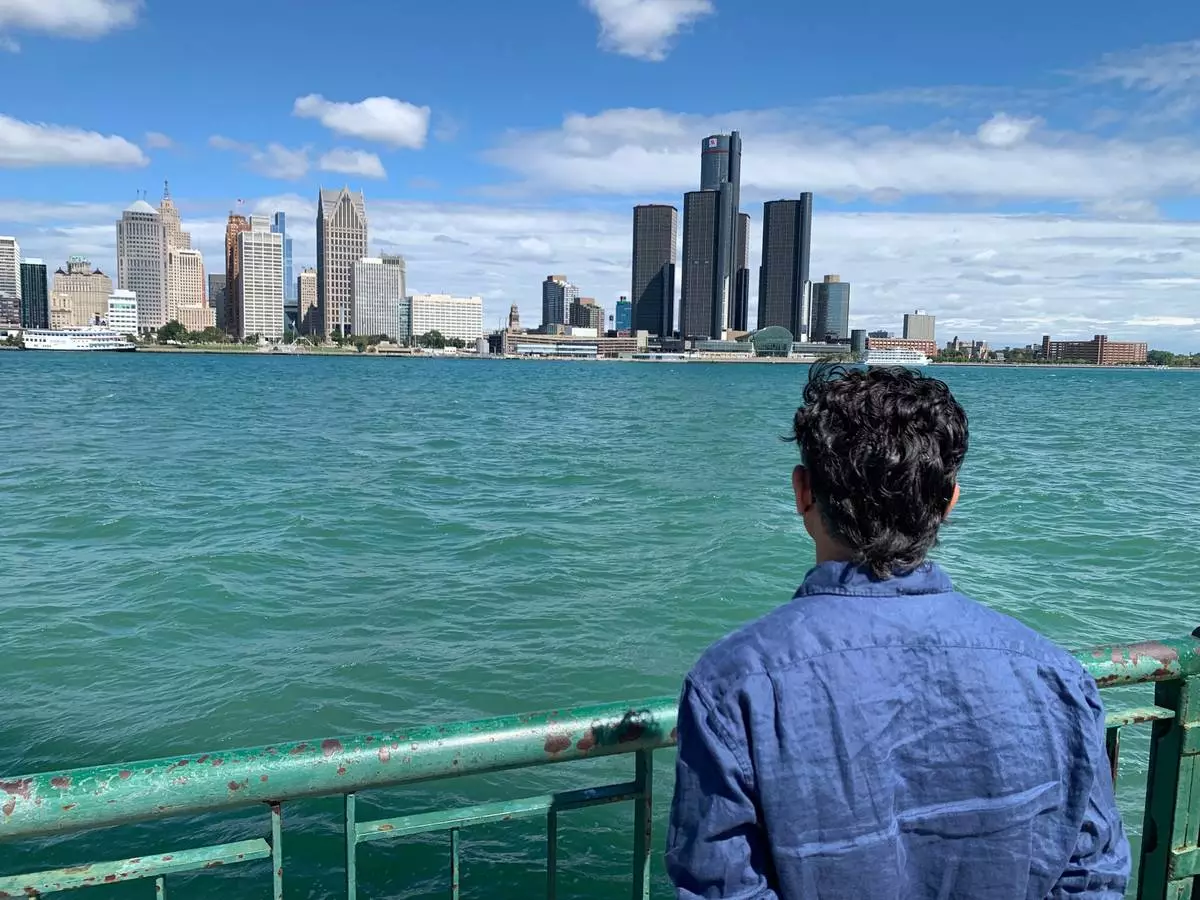
City Councillor Renaldo Agostino looks at the Detroit skyline across the Detroit River Monday, Aug. 24, 2026, in Windsor, Ontario (AP Photo/Mike Householder)
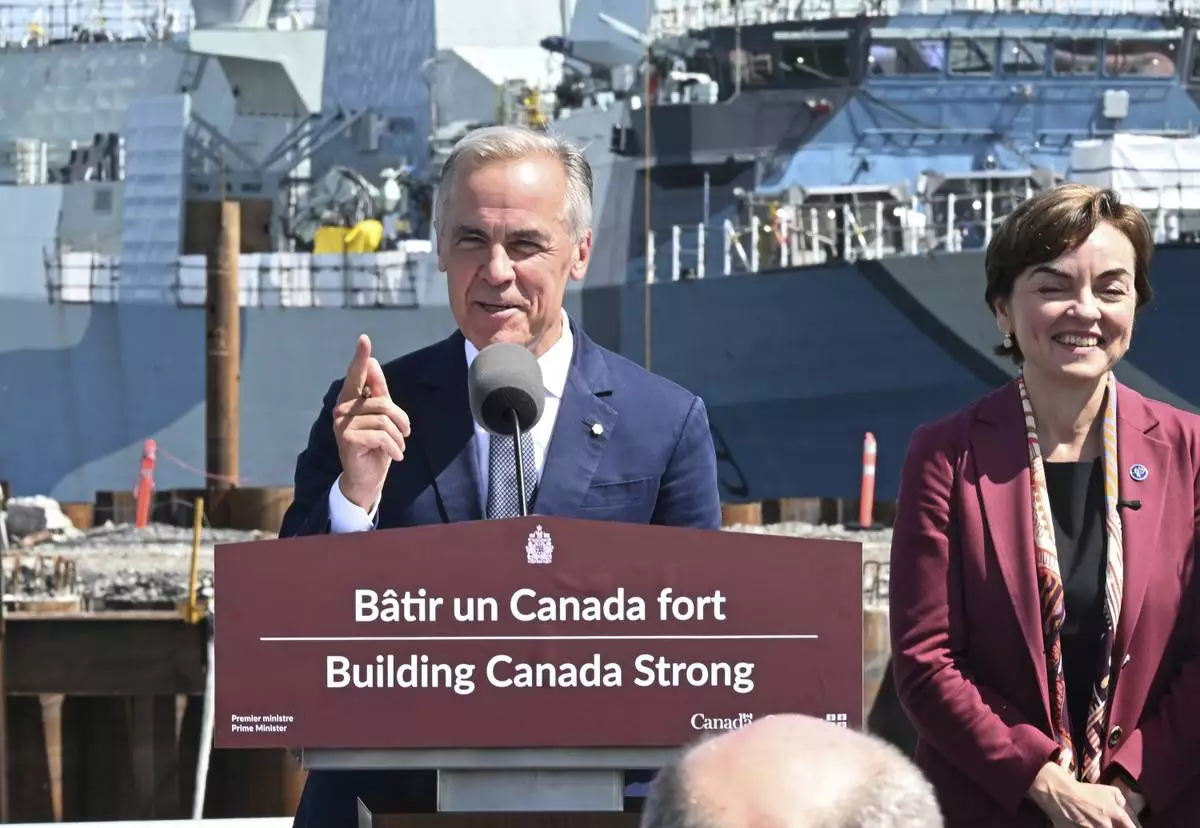
Canadian Prime Minister Mark Carney speaks at the Davie shipyard in Levis, Quebec on Monday, Aug. 24, 2026. Quebec Premier Christine Frechette, right, looks on. (Jacques Boissinot/The Canadian Press via AP)
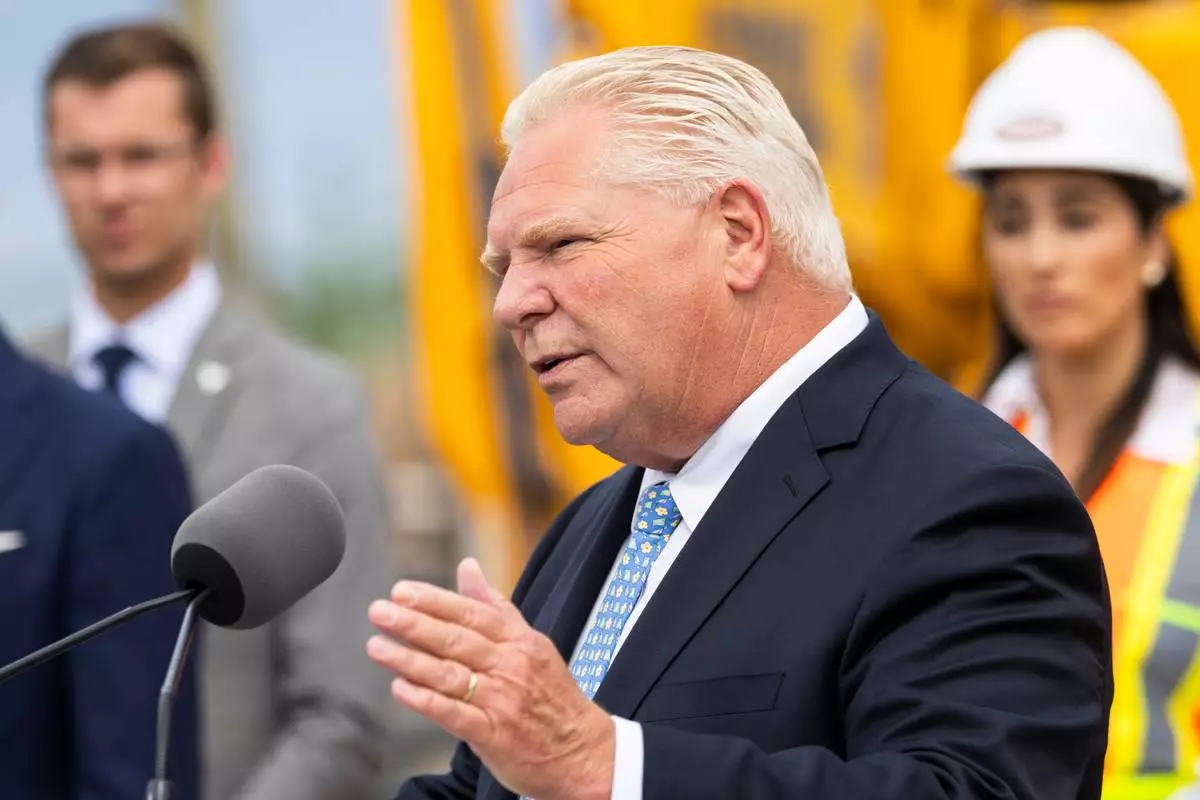
Ontario Premier Doug Ford speaks to media at a housing development in Hamilton, Ontario, Canada on Monday, Aug. 24, 2026. (Nick Iwanyshyn/The Canadian Press via AP)
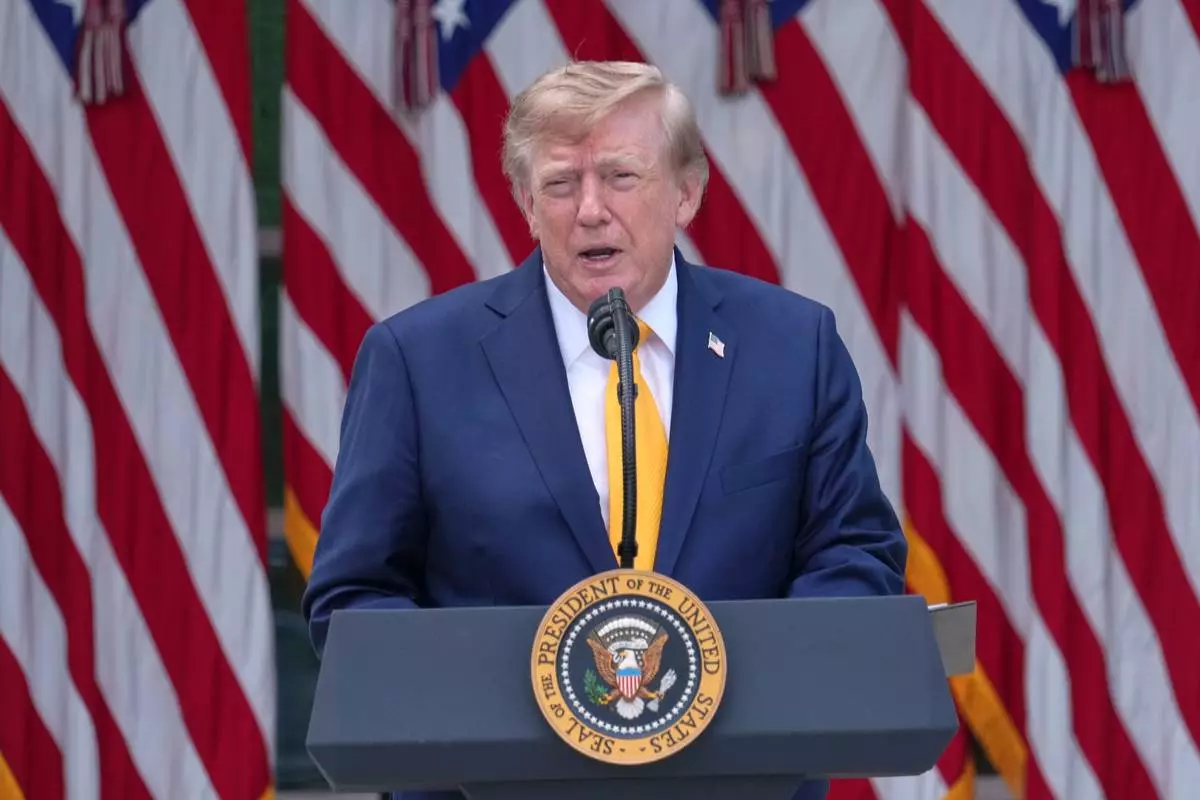
President Donald Trump speaks during a back to school event in the Rose Garden of the White House, Monday, Aug. 24, 2026, in Washington. (AP Photo/Alex Brandon)
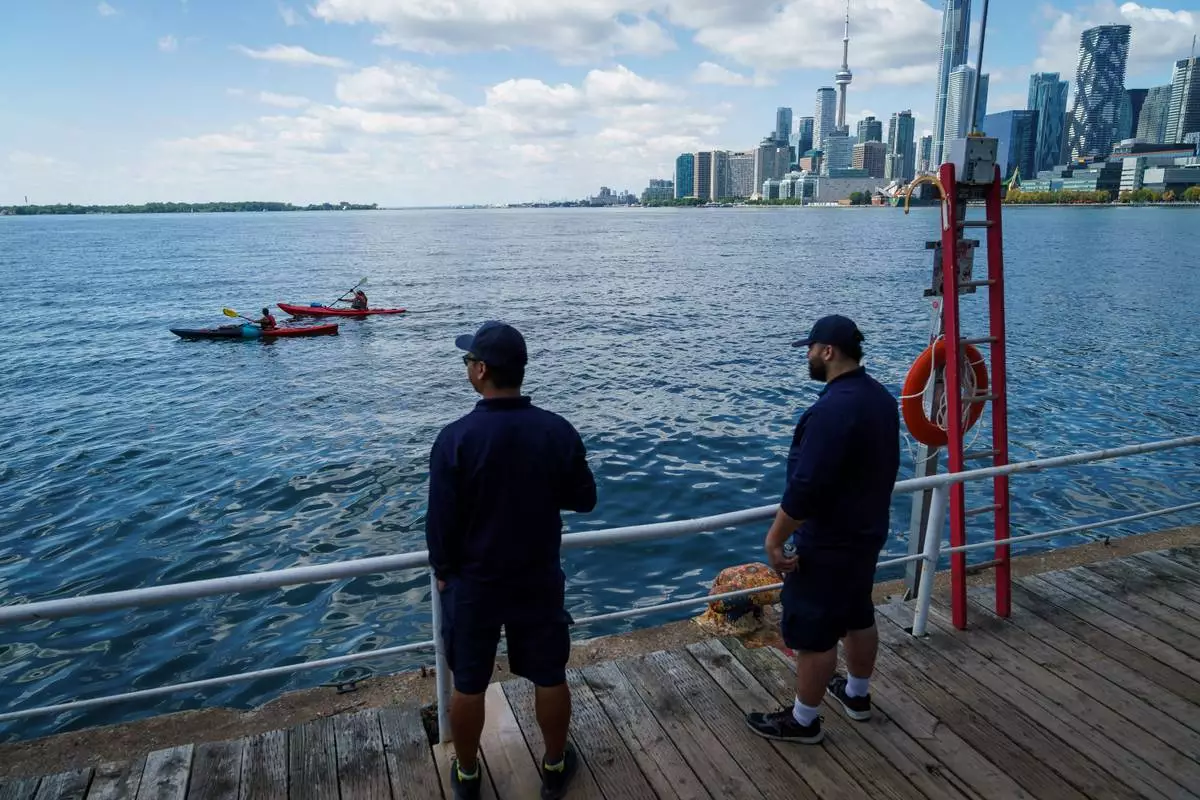
People look out across Lake Ontario from the harbor in Toronto, Tuesday, Aug. 25, 2026. (Keito Newman/The Canadian Press via AP)