China has made substantial progress in consolidating its poverty elimination achievements and advancing comprehensive rural revitalization, according to a State Council report submitted to the country's top legislative body.
The report was presented for review at the 24th session of the Standing Committee of the 14th National People's Congress, which is ongoing in Beijing from August 25 to 28.
The report highlights significant improvements in rural infrastructure and public services over five consecutive years of sustained assistance. The development gap between former poverty-stricken areas and other regions continues to narrow, authorities said.
According to the report, per capita disposable income for rural residents in the counties that have been lifted out of poverty increased from 12,588 yuan (about 1872.5 U.S. dollars) in 2020 to 18,627 yuan in 2025, achieving an average annual growth rate of 8.2 percent. This figure outpaced the national rural average by 0.8 percentage points during the same period.
"During the 14th Five-Year Plan period (2021-2025), central fiscal funding for rural revitalization increased by 320 billion yuan compared to the 13th Five-Year Plan period. For households facing sudden risks of returning to poverty or falling into poverty due to disasters and other causes, assistance measures are implemented first, with supplementary procedures and paperwork completed afterward," said Maierdan Mugaiti, Vice Minister of Agriculture and Rural Affairs.
In the healthcare sector, a national dynamic monitoring system have been established to prevent impoverishment caused by medical expenses. The basic medical insurance participation rate among the formerly impoverished population and monitored households at risk of returning to poverty has remained stable at over 99 percent annually. Policies such as "treatment first, payment later" and "one-stop" settlement have been implemented to effectively guard against the risk of medical impoverishment.
Regarding social security, the government has improved subsistence allowances and special hardship support systems. All eligible rural residents facing difficulties will receive necessary social insurance and emergency assistance without exception.
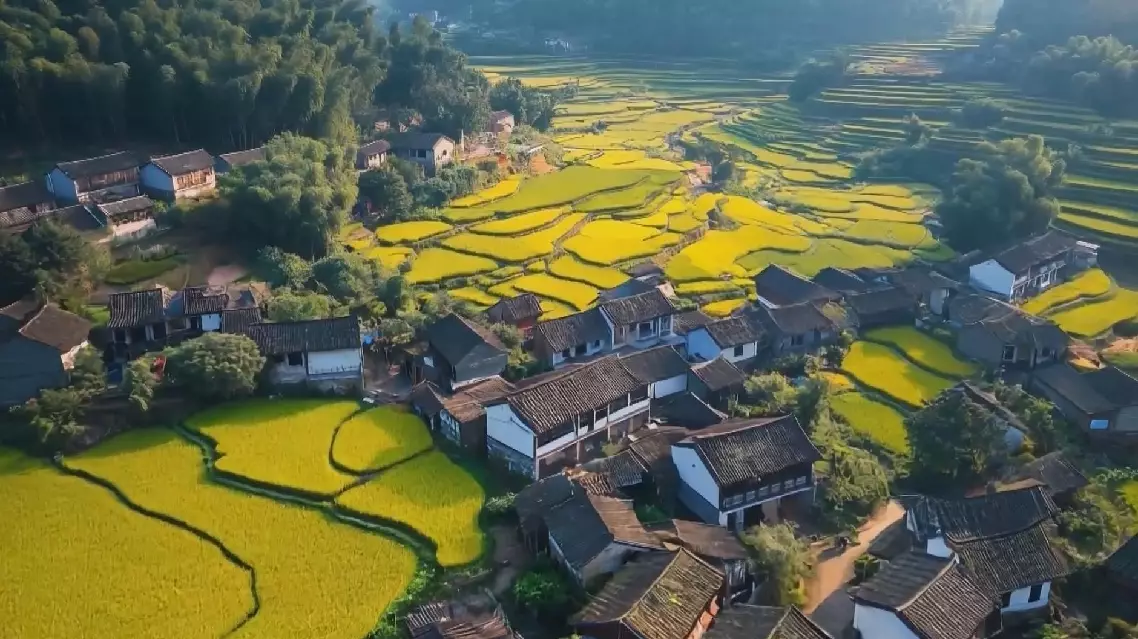
China consolidates poverty alleviation gains as rural incomes climb steadily
Iranian citizens have strongly condemned the latest round of U.S. sanctions, calling on their government to take immediate countermeasures while safeguarding people's livelihoods.
U.S. President Donald Trump announced on Wednesday that the United States will impose "unprecedented" economic warfare and isolation on Iran, after months without a decisive military outcome or diplomatic progress. Calling it "an Economic D-Day," Trump said in a post on Truth Social that the move will be "the most crushing economic operation ever taken against any country."
The move has sparked widespread public backlash in Iran, with many citizens saying that the United States has maintained a hostile stance toward Iran for decades, repeatedly interfering in its domestic politics and imposing sanctions to serve its own geopolitical agenda.
While the Iranian market remains well-stocked with no signs of widespread shortages, citizens acknowledge that each successive round of sanctions takes a toll on the economy and people's daily lives, from currency fluctuations to disruptions in energy exports.
"Unfortunately, we are facing the United States' double standards policy. What the U.S. is doing is completely wrong. It has imposed sanctions on us. Any rational, logical person would not say that sanctions have no impact on people's livelihoods, on inflation, on everyday life. The impacts are real, and they all stem from years of unrelenting hostile actions by the United States," said Omid, an Iranian citizen.
Beyond economic hardships, many Iranians also weigh in on the broader regional context.
They emphasize that Iran has never initiated a war, and argue that the current turbulence across the Middle East originates from sudden hostile moves the U.S. has launched against their country.
As the economic squeeze tightens, the public is urging the government to take a two-pronged approach: rolling out targeted relief policies to ease livelihood strains at home, while taking timely countermeasures against illegal actions by the United States.
"We hope the government can safeguard people's well-being and stand up to the U.S. economic war against Iran. To counter this economic warfare, we can inject more capital and basic supplies into the market to sustain the country's economic development and improve people's lives. Iran must respond immediately to any action taken by the United States," said Ali, another Iranian resident.

Iranians condemn U.S. new sanctions, urge swift government countermeasures