NEW YORK (AP) — Major League Baseball proposed limiting free-agent signings to several weeks in December and then from early February on each offseason along with a trade ban during the gap in-between, a plan aimed at creating more of an offseason transaction flurry similar to those in the NFL and NBA.
The plan offered to the players’ association Thursday is contingent on adoption of the salary cap system MLB proposed in May, which the union has vowed never to accept.
“A cap-and-floor system would unlock additional opportunities to improve the game for players and fans, creating more stability in rosters, getting the best players to the major leagues more quickly, and accelerating the pace of the offseason,” MLB spokesman Glen Caplin said in a statement. “In our current economic system, these changes would be too harmful to competitive balance and would not be practical.”
Union head Bruce Meyer immediately criticized the plan.
“Their latest proposals regarding free agency would eliminate player rights by establishing an artificial free agency window, subject to a salary cap, which would reduce player leverage and create a game of musical chairs pitting player vs. player,” he said in a statement. “The suggestion that the only way to limit roster churn, or incentivize earlier free agent signings is with a salary cap is entirely unserious.”
Management's prior cap proposal led to a 7 1/2-month strike in 1994-95 and the first cancellation of the World Series in 90 years.
Under the current rules, players can become free agents starting the day after the World Series but may not negotiate money terms with new teams until the end of the “quiet period” at 5 p.m. Eastern time on the fifth day after the World Series ends.
MLB proposed extending the quiet period until noon Eastern on the Monday of the winter meetings, usually held in early December. Management said the additional time would be needed for revenue and salary cap figures to be finalized ahead of the business season.
MLB would allow negotiations during the quiet period but would not permit any contracts to be finalized.
Free agents could sign through 5 p.m. Eastern on Dec. 21 and then wouldn’t be allowed to until noon Eastern on the first Monday in February, just ahead of spring training.
“In the draft, we used to have no signing limitation. We’ve all seen what that’s done to player values in the draft, which has dramatically cut in at least half the value of drafted players,” agent Scott Boras said. “It’s just another attempt to apply something like that to free-agent major league players. It doesn’t help the game, doesn’t help the competitiveness of the game. The only thing it does, it reduces the value of players in the market. It doesn't allow evaluation, reflection, adjustment for the teams that don’t sign a particular player.”
During the December-to-February period in which players would not be allowed to sign, there would be a prohibition on trades, similar to the current ban from early August through the end of the postseason.
MLB proposed to cap spending in 2027 at $245.3 million, using figures for luxury tax payrolls that include $20.1 million for benefits and the pre-arbitration bonus pool. It also would establish a payroll floor of $171.2 million, forcing some teams to spend more.
Free-agent eligible players would be limited to deals of $265 million and six years. Under the current rules, outfielder Juan Soto negotiated a record $765 million, 15-year deal with the New York Mets after the 2024 season.
“MLB expressly conditioned these proposals on the players’ agreement to a salary cap system, which would drastically reduce overall player compensation, eliminate fully guaranteed contracts through escrow, and turn back the clock on fundamental player rights," Meyer said of Thursday's plan.
MLB also proposed lowering the maximum in-season options to the minor leagues from five to four and adopting a system of weekly rosters. Teams would be allowed 14 pitchers, up from the current limit of 13 when the 26-man roster limit is in effect from the season’s start through Aug. 31.
Players have proposed optional assignments be cut to three.
“The league is not interested in any changes that don’t directly reduce the rights of all players and shift leverage to the owners,” Meyer said.
Teams would be limited to making callups from the minors and demotions to the period after Sunday’s games and before Monday’s contests, with exceptions for injured list decisions and moves to replace those who got hurt.
Option and injured list periods would be changed from 10 days to one week for position players and from 15 days to two weeks for pitchers, but those periods would start with the first full week after a player goes on the IL. For instance, a pitcher going on the IL or optioned on a Wednesday would have to spend at least 19 days on the IL: the five remaining days that week plus an additional 14 days.
MLB proposed what currently is the 60-day IL, which doesn’t count against the 40-man roster, increase to 12 weeks.
MLB would drop the period by one year for having to protect a player from the Rule 5 draft, to the fourth draft for players who signed their initial contract under age 20 and to three for those 20 and over at the time of their first deal.
Management would allow players selected in the draft to be optioned. Under the current rule, a selected player must be offered back to his former team before he can be assigned to the minors.
See AP’s full MLB coverage here
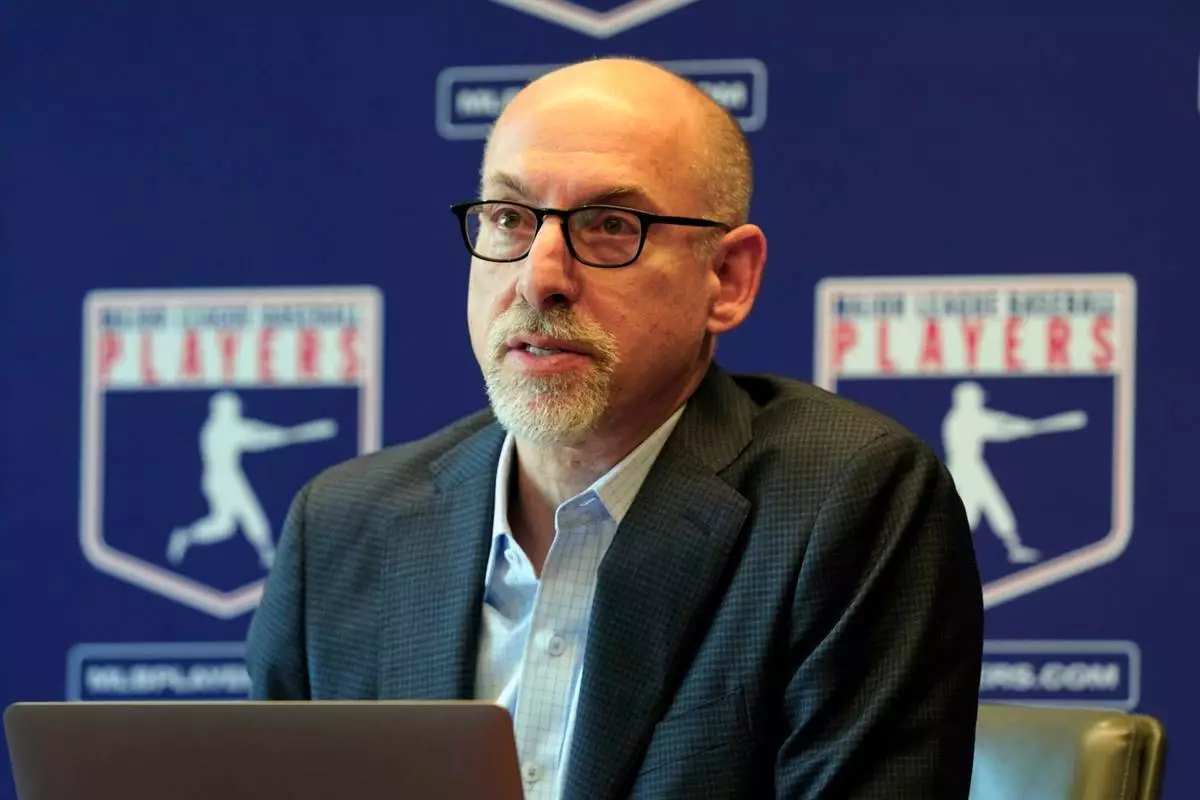
FILE - Attorney Bruce Meyer, the current interim executive director of the Major League Baseball Players Association, speaks at a news conference in New York on March 11, 2022. (AP Photo/Richard Drew, File)
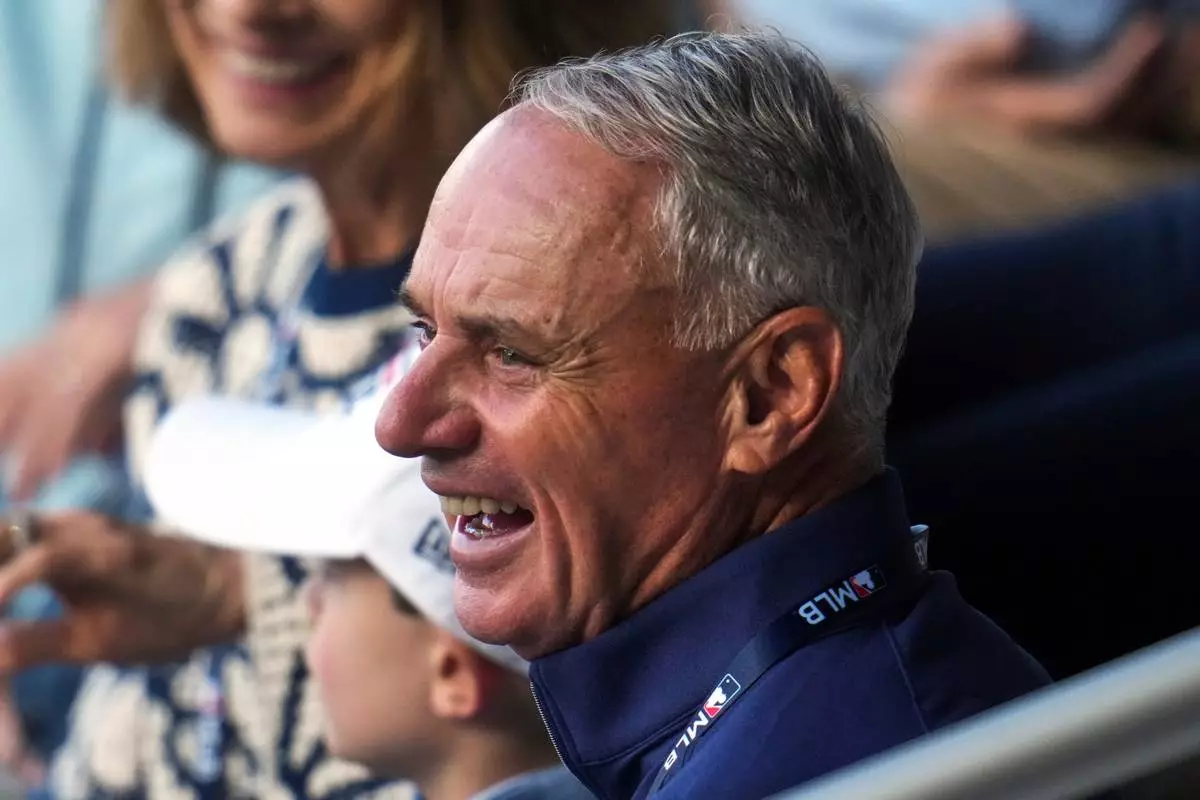
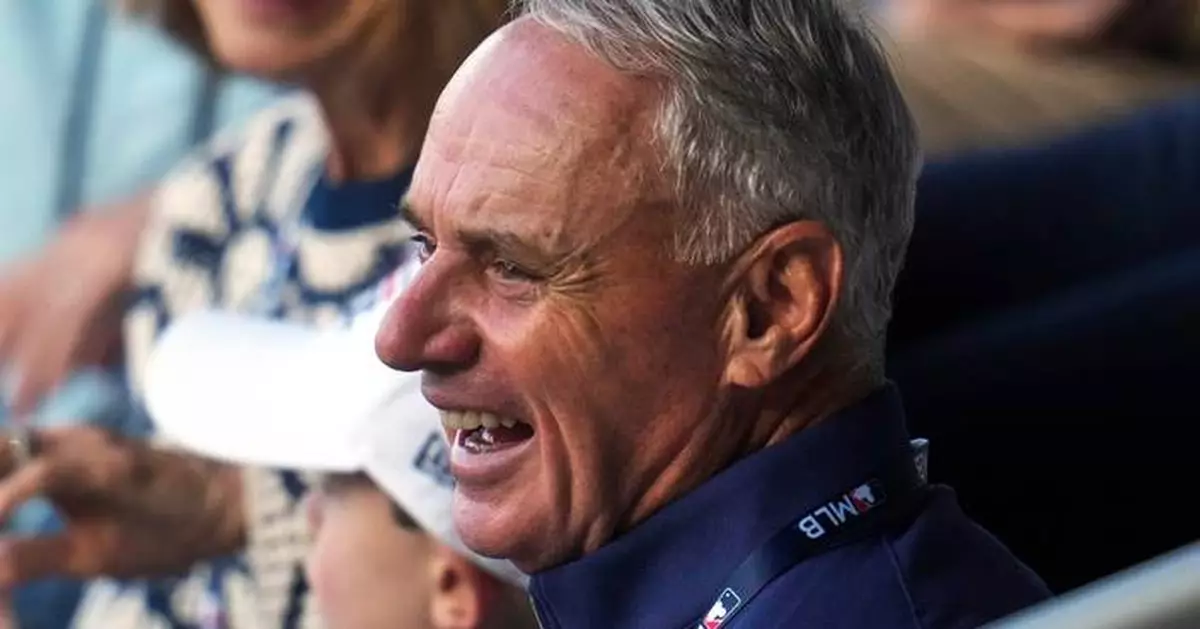
Baseball Commissioner Rob Manfred attends the Little League Classic baseball game between the Milwaukee Brewers and the Atlanta Braves in Williamsport, Pa., Sunday, Aug. 23, 2026. (AP Photo/Gene J. Puskar)
DOHA, Qatar--(BUSINESS WIRE)--Oct 28, 2026--
Speaking at the United Nations Trade and Development (UNCTAD) World Investment Forum 2026 panel, “Investing in AI for an Inclusive Digital Future”, Ant International CEO Peng Yang called for a new, inclusive “re-globalisation” project that harnesses AI and digital connectivity to give small and medium-sized enterprises (SMEs) greater access to global markets and opportunities.
This press release features multimedia. View the full release here: https://www.businesswire.com/news/home/20261027567337/en/
“ Globalisation 1.0 mostly benefited large enterprises, and a lot of SMEs very rarely got to participate in the global economy,” said Yang. “Achieving inclusion is critical to re-globalisation, and AI will accelerate it by democratising opportunities.”
1. The limitation of Globalisation 1.0 and how AI and other innovations offer a chance to improve
Yang said one of the greatest limitations of Globalisation 1.0 was its concentration of power among large enterprises. Small businesses, which make up over 90% of businesses globally, have often been left behind due to the gap in technologies, talent and other resources. It is difficult for them to participate in the last round of globalisation, which involves handling multiple markets and the complexities of global trade.
According to the WTO’s 2024 World Trade Report, 8% of small firms and 15% of medium-sized firms export directly, compared with 30% of large firms.
The AI divide compounds the challenge: a 2025 survey by the Organisation for Economic Co-operation and Development (OECD) shows 52% of large firms used AI, compared with just 17.4% of small firms.
However, the rise of AI means we have the chance to level the field and close the gap if we democratise AI technology and its applications to give equal opportunities to SMEs.
2. When innovation meets inclusion, SMEs can also grow and thrive on the global stage
Yang said that in the past three years, Ant International has been serving over 1 million new small merchants from 54 new markets globally, empowering them to participate in global trade.
“In the last three years, we have seen tremendous growth for SMEs when innovation meets inclusion. When we offer them powerful full-stack AI-native solutions, cross-border transaction volume of SMEs across our own businesses has been growing by about 50% every year, which is 10 times the growth rate of the total volume of global trade,” he said.
“This shows that if we can do things right, drive innovation, provide the AI technologies, and make it more accessible for the small guys, they can take the global stage to grow and thrive,” Yang added.
Ant International processes 25 million transactions daily across its global payment, global account, embedded finance and digitalisation services. 95% of its 150 million-strong global merchant customer base are SMEs. In September 2026, Ant International announced sweeping full-stack AI-native solutions on payment, account, FX, treasury and growth for global businesses, many designed to tackle SMEs’ challenges.
3. New full-stack AI-native solutions empowering SMEs to drive truly inclusive re-globalisation
Democratising the Falcon TST FX model for SMEs
Proprietary agents WorldFirst Autopilot and Antom Autopilot automate operations for SMEs
WorldFirst combines cross-border collections, payments, foreign exchange and fund management in one global account. This enables smaller businesses to manage international operations, collect money and make payments with less FX risk and access working capital at lower cost, even without finance and treasury teams. Ant International’s global AI business agent for SMEs — WorldFirst Autopilot — further simplifies the operations by streamlining financial tasks and connecting businesses to partner services through natural language interactions.
WorldFirst helps over 2 million SMEs to manage their cross-border accounts, with more than US$500 billion in cumulative transaction volume across 210+ markets. Its network connects SMEs to 130+ e-commerce platforms and 600+ ecosystem partners, helping them navigate overseas markets and grow globally.
Antom Autopilot simplifies payment operations for merchants, especially SMEs, with AI support across onboarding, integration, analysis, risk management and reconciliation. By the end of 2026, 95% of merchants are expected to complete onboarding with Antom within 1 hour. Its SmartDispute provides dispute analysis and appeal strategies, helping merchants achieve a 41.8% win rate versus 24.5% without the tool, while its fully automated AutoDispute helps merchants recover an average of 18% of chargeback losses, reducing the additional resources SMEs need to devote to dispute management.
Alipay+ empowers SMEs to access global consumers with AI-powered marketing solutions
In the Siam Square commercial area in Bangkok, Thailand, the Alipay+ marketing campaign combining pre-trip social-media push and on-site ad displays helped small merchants grow TPV by 66% YoY, with an increase in the number of orders by 115% YoY; for merchants in Gaya Street in Kota Kinabalu, Malaysia, it drove more than 120% growth in TPV and 140% in orders; for a local skincare brand in Bali, Indonesia, it delivered a growth of 137% in TPV and 140% in orders during the campaign.
4. New foundations of trust for inclusive AI in public-private sector collaboration
Yang also stressed that businesses, including SMEs, need confidence that AI can be used safely and responsibly, particularly as AI agents take on financial and operational tasks. Effective safeguards require collaboration across the technology and financial industries, alongside regulators and international institutions.
“Trust is everything in payments and financial services, and it becomes even more critical in the AI era. We need to work closely with international organisations and regulators to develop appropriate frameworks, while building safeguards that allow businesses to use AI agents safely. Collaboration across the private sector must also be complemented by international institutions and regulators to establish common standards and trusted infrastructure,” said Yang.
Ant International is advancing this approach through collaboration across the public and private sectors. In Singapore, it works with the Infocomm Media Development Authority on privacy-enhancing technologies and participates in the Monetary Authority of Singapore’s BuildFin.ai initiative on developing and scaling responsible AI solutions for financial services.
The company is also collaborating with Visa and Mastercard on interoperability for Know Your Agent (KYA), helping strengthen trust in AI agents acting on behalf of consumers and businesses.
It also takes a step forward by introducing the industry-first Antom AgentSafePay, built to protect merchants navigating agentic commerce, to verify multi-dimensional purchase intent in real time, and to offer a fund guarantee against losses from intent misinterpretation, malicious prompt injection or other risks within merchant-deployed agents.
Yang said that, with the cost of AI lowered and accessibility made easier for SMEs, both small merchants and individuals can be equipped with enterprise-grade innovative solutions, fully automate their operations and benefit from the next global economic revolution.
“We believe in a future where the new normal of Globalisation will leave no one behind. When innovation meets inclusion, everyone can pursue their opportunities like the big guys did in the past,” Yang said.
The ninth WIF, the UN’s flagship forum for the global investment community, brings together policymakers, investors and business leaders to explore how investment can support sustainable, resilient and inclusive growth amid geopolitical fragmentation and rapid technological change.
About Ant International
Ant International helps businesses to thrive through a full stack of AI-native payment, account, foreign exchange, treasury and growth solutions, underpinned by our trusted foundation models, security architecture, blockchain RTP platform and a world-leading mobile payment ecosystem. We drive relentless innovation to bring inclusive growth for merchants and communities of all sizes, today and tomorrow. To learn more, visit https://www.ant-intl.com/.
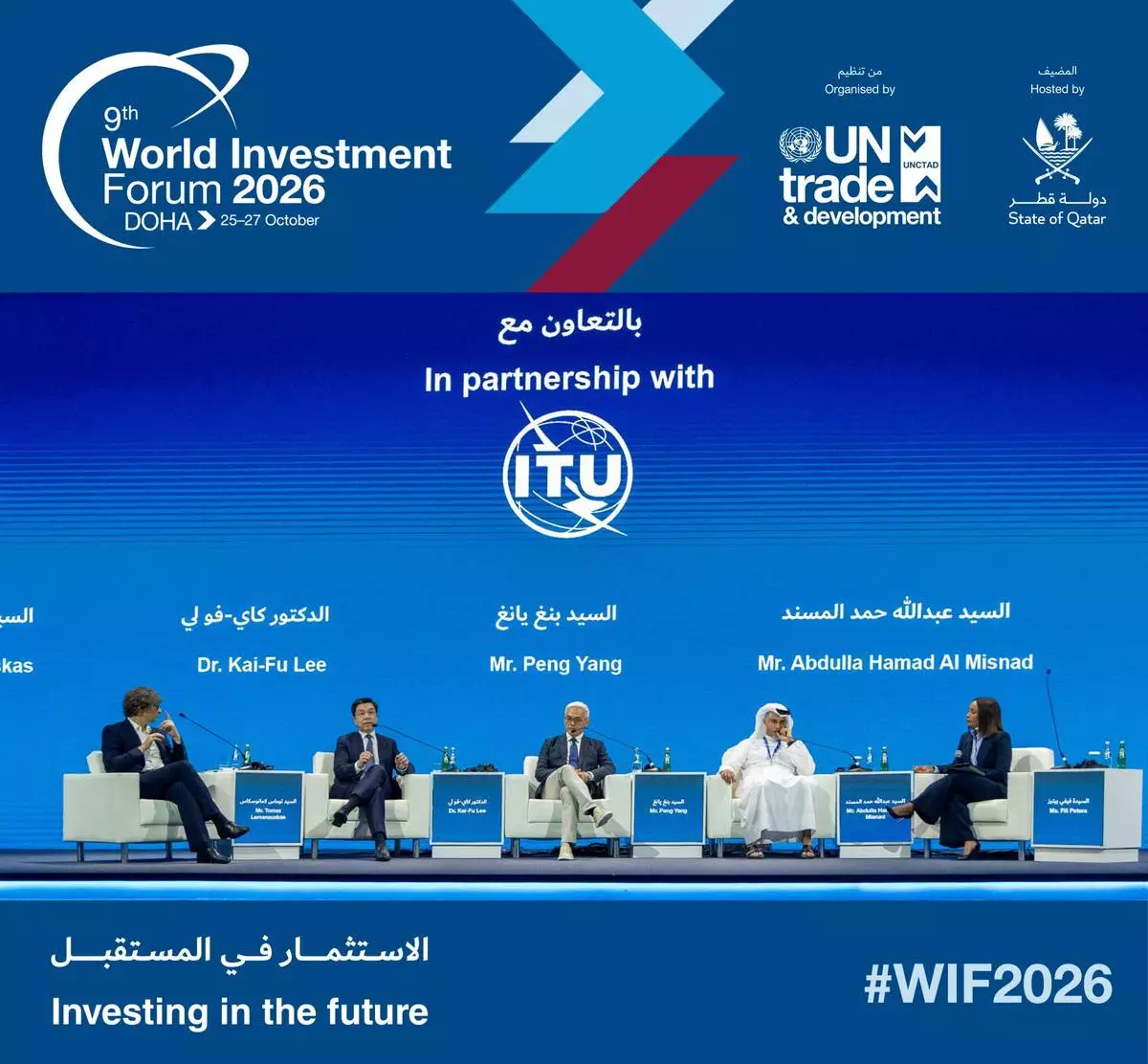
Ant International CEO Peng Yang (center) at a panel in the United Nations Trade and Development (UNCTAD) World Investment Forum 2026
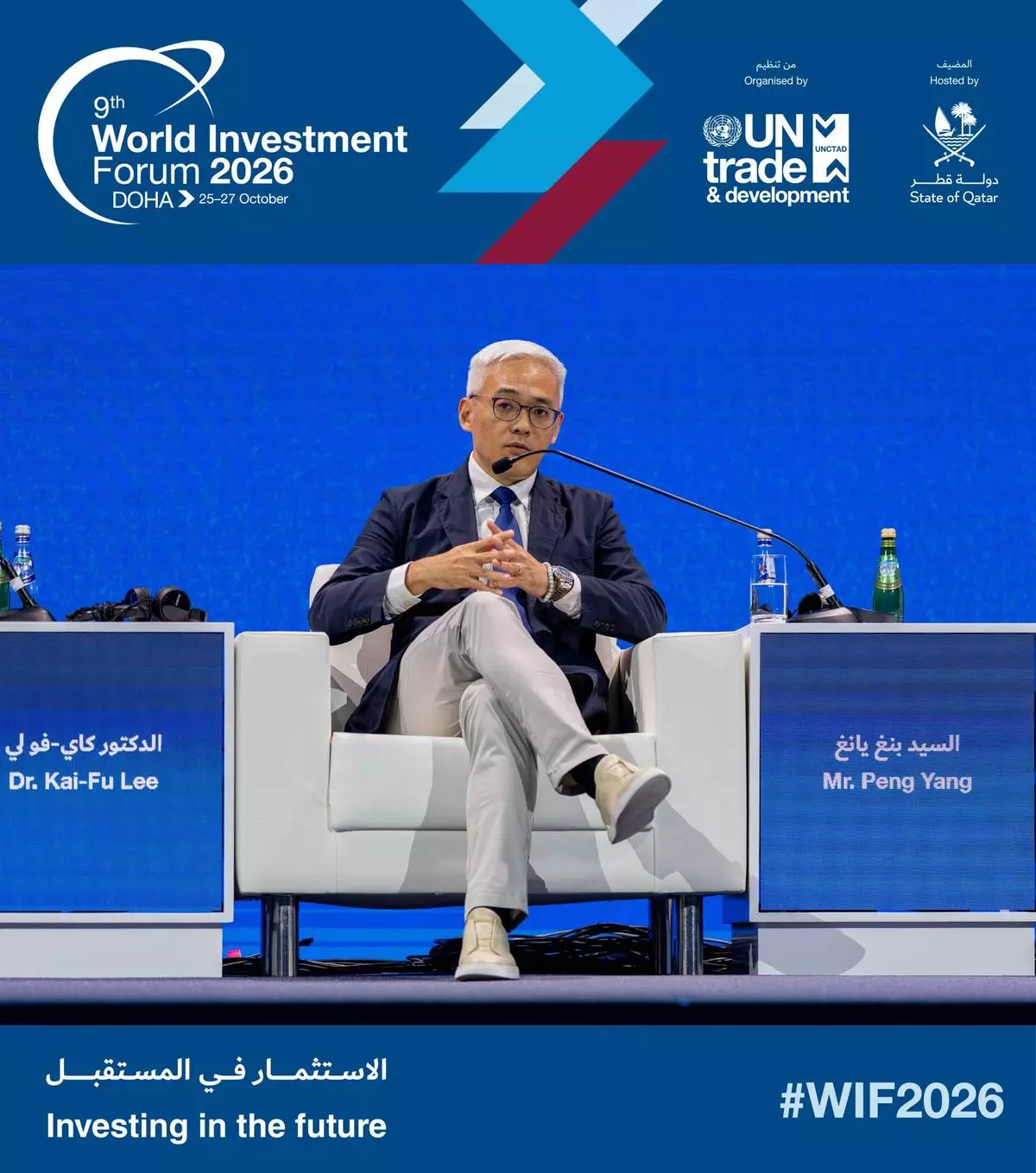
Ant International CEO Peng Yang speaks at the United Nations Trade and Development (UNCTAD) World Investment Forum 2026