TAMPA, Fla. (AP) — City officials on Thursday approved a $2.3 billion deal for a new Tampa Bay Rays ballpark funded by public and private money.
The 4-3 vote by the Tampa City Council came three months after a tentative agreement was reached for a stadium, which would include $967 million in tax money.
Rays Chief Executive Officer Ken Babby said in a statement that the stadium project will “deliver lasting benefits” for the region.
“The Tampa Bay Rays are grateful for the leadership and support of the City Council members to approve an investment that, when accompanied by the private funding guaranteed by the Rays, will secure the future of Major League Baseball in Tampa Bay while creating a landmark destination neighborhood that will serve our region for generations,” Babby said Thursday.
Hillsborough County Commissioners will vote on the project Friday morning.
The Rays ownership reached an agreement earlier this year with Hillsborough College to build the stadium and mixed-use entertainment district on the campus and to renovate some of the school's buildings. The property is located next to the New York Yankees’ spring training facility and across a highway from Raymond James Stadium, home of the Tampa Bay Buccaneers.
The Rays have said they hope to have the new stadium built within three years.
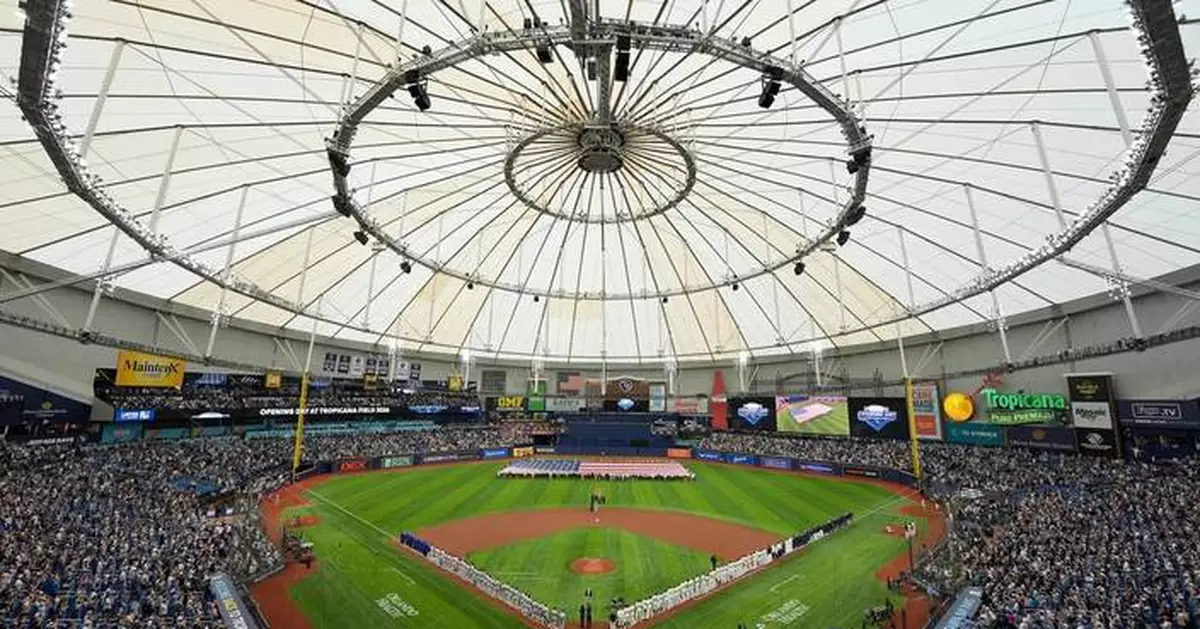
Since the team took the field in 1998, the Rays have played at Tropicana Field in St. Petersburg, except for moving home games to the Yankees' George M. Steinbrenner Field in 2025 following hurricane damage at the Trop. The Rays' lease runs through at least the 2028 season. The team returned to the Trop last month for the start of this season.
A proposed $1.3 billion redevelopment deal for a new ballpark adjacent to the Trop fell through last year, raising new questions about the future of the team, which was bought last September by Patrick Zalupski’s ownership group.
AP MLB: https://apnews.com/hub/MLB
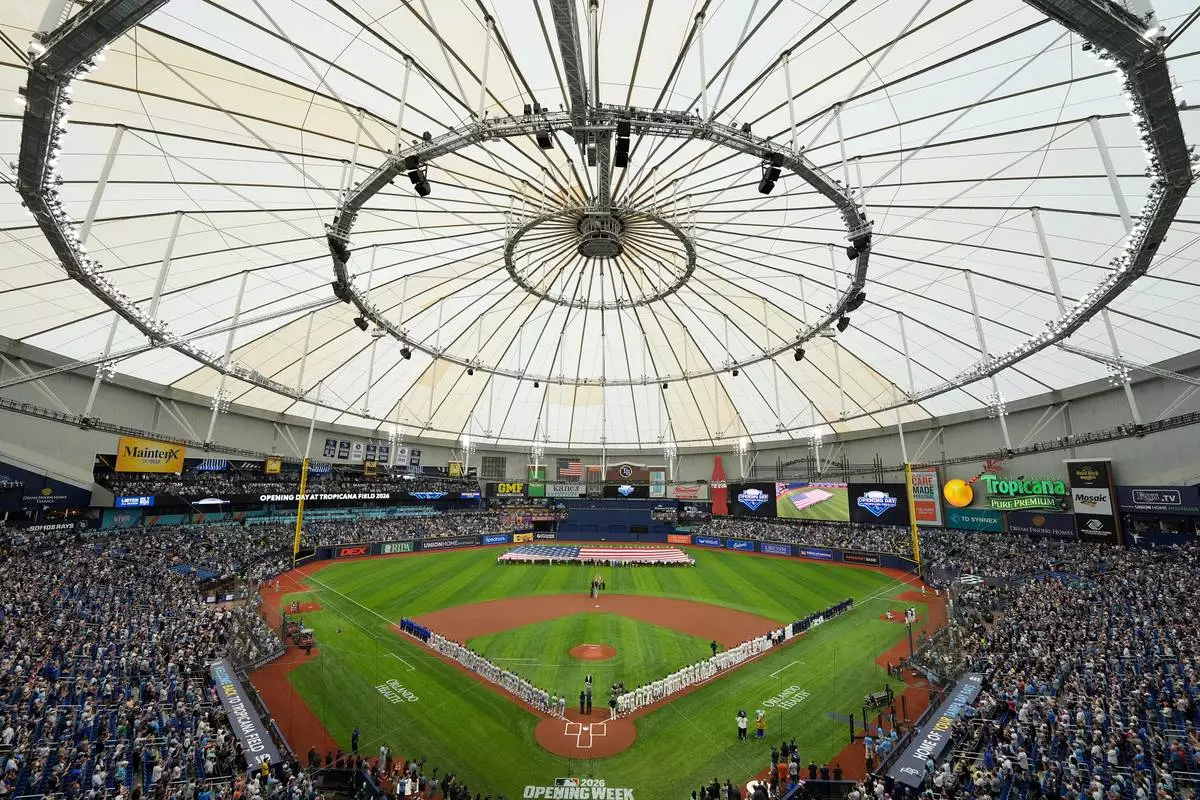
FILE - Players from the Chicago Cubs and Tampa Bay Rays are introduced before a baseball game Monday, April 6, 2026, in St. Petersburg, Fla. (AP Photo/Chris O'Meara, File)
BROWNSVILLE, Texas (AP) — The release of an Immigration and Customs Enforcement officer from a Texas jail on Thursday despite Minnesota’s request for his return could set a dangerous precedent, increasing friction between states and helping criminal defendants avoid justice, legal experts said.
Christian Castro was released from a detention center in Brownsville after Texas Gov. Greg Abbott declined to immediately sign his extradition warrant. A federal judge also declined to block Castro’s release or order Abbott to sign the warrant.
Minnesota officials say they believe Castro could flee to Mexico to avoid prosecution on charges he shot a man and lied about it during an immigration crackdown in Minneapolis in January. Extradition from Mexico would require action by the Trump administration, which opened an investigation into Castro's actions but also has argued ICE agents have “absolute immunity” for their actions on duty.
The standoff between the two states is highly unusual. Under federal law, states have little discretion to reject extradition requests from fellow states. Thousands of fugitives are sent to other states each year as a matter of routine.
But Abbott, a Republican, said last week he would not respond to Minnesota’s extradition request, citing the ongoing investigation into fraud in government social service programs in the state, which President Donald Trump used to justify his immigration crackdown there.
The decision is alarming because it injects politics into the extradition process, said Marsh Halberg, a criminal defense attorney and former prosecutor in Minnesota.
“Something that’s been a routine process may now turn into a political card,” he said in a phone interview.
In recent months, California and New York have rejected extradition requests from Louisiana for doctors accused of mailing abortion pills.
But legal scholars say those cases are different because the doctors weren’t in Louisiana and never fled the state and became fugitives.
Under federal law, the New York and California governors had no duty to turn over the doctors, Georgetown University law professor Stephen Vladeck wrote on Substack.
“Abbot is just refusing to perform his,” he said.
An email to Abbott's office was not immediately returned, but he wrote in a Wednesday post on the social platform X that Minnesota's attorneys did not know the law.
Castro is charged in Minnesota with assault and falsely reporting a crime in the Jan. 14 shooting of 24-year-old Julio Cesar Sosa-Celis. Prosecutors in Hennepin County, where the county attorney is a Democrat, say he fired a gun through the front door of a Minneapolis home, shooting Sosa-Celis in the leg, and then falsely accused Sosa-Celis and another man of attacking an ICE officer with a broom handle and a snow shovel.
The Department of Homeland Security said in a statement that “the officer in question has been suspended without pay" while the U.S. Attorney's Office investigates statements by officers involved in the Minneapolis altercation.
“Upon conclusion of the investigation, the officers may face disciplinary action, including termination of employment, as well as potential criminal prosecution,” the DHS statement said.
After a Minnesota judge issued a nationwide warrant for Castro’s arrest in May, authorities, including Minnesota’s Bureau of Criminal Apprehension, arrested him in Texas' Cameron County on May 29. Minnesota authorities have sought his extradition since then, but he remained in custody in Brownsville, a city bordering Mexico.
Under Texas law and barring extradition, Castro had to be released Thursday after 90 days in detention. Though he is free, he remains a fugitive subject to arrest in Minnesota and other states.
Abbott has exposed one of several loopholes in extradition laws that are likely to lead to more conflict between states in the future, said Ethan Lowens, a fellow at the University of Pennsylvania Carey Law School.
Texas attorneys have argued that Abbott's extradition decision is still pending, as he awaits the outcome of an internal state investigation considering whether Castro was legally a fugitive.
U.S. District Judge Fernando Rodriguez Jr. wrote Wednesday that the court couldn’t intervene without a final decision by Abbott. Minnesota had asked him to compel Castro’s extradition.
Lowens said other governors could make similar arguments to avoid extradition requests they oppose. As states diverge on laws over abortion, gender-affirming care and other issues, he said he expects such extradition conflicts to “come up more and more.”
Gonzalez reported from McAllen, Texas, and Thanawala from Atlanta. Associated Press writer Kathy McCormack in Concord, New Hampshire, contributed to this story.
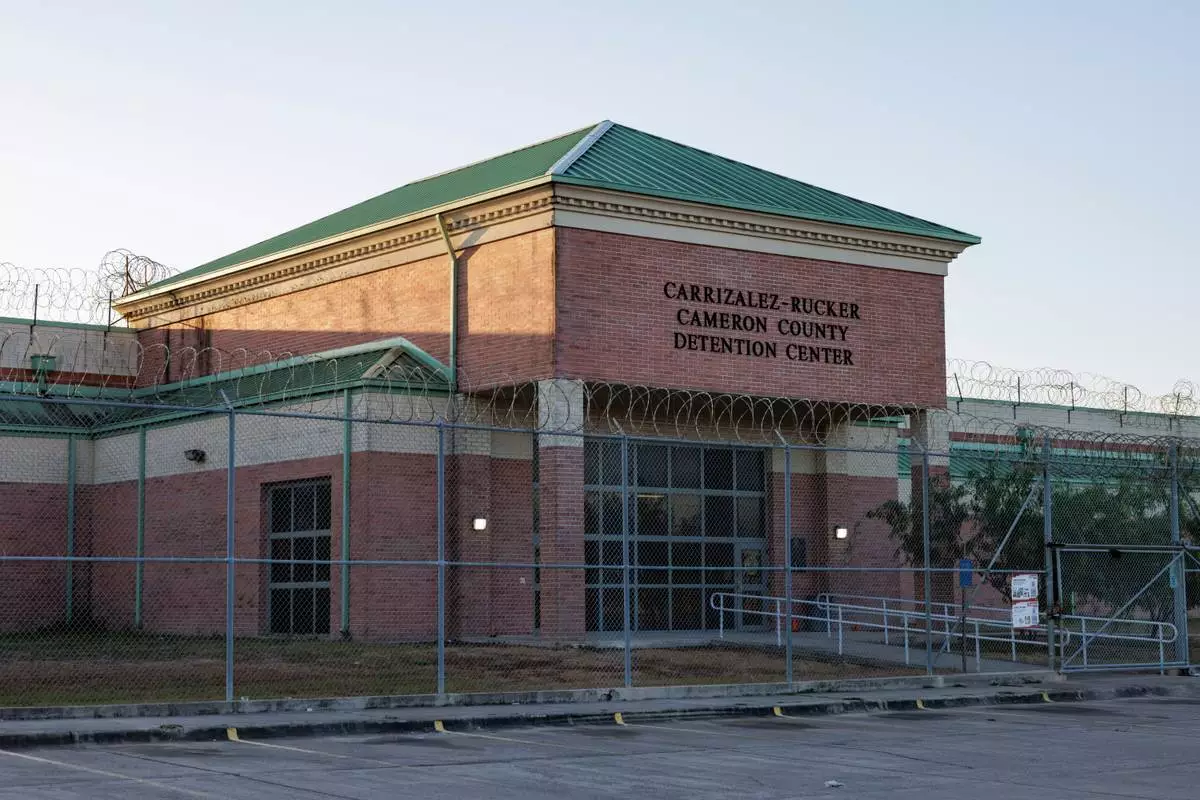
The Carrizalez-Rucker Cameron County Detention Center, where Immigration and Customs Enforcement officer Christian Castro was held, is shown in Brownsville, Texas on Thursday, Aug. 27, 2026. (AP Photo/Michael Gonzalez)
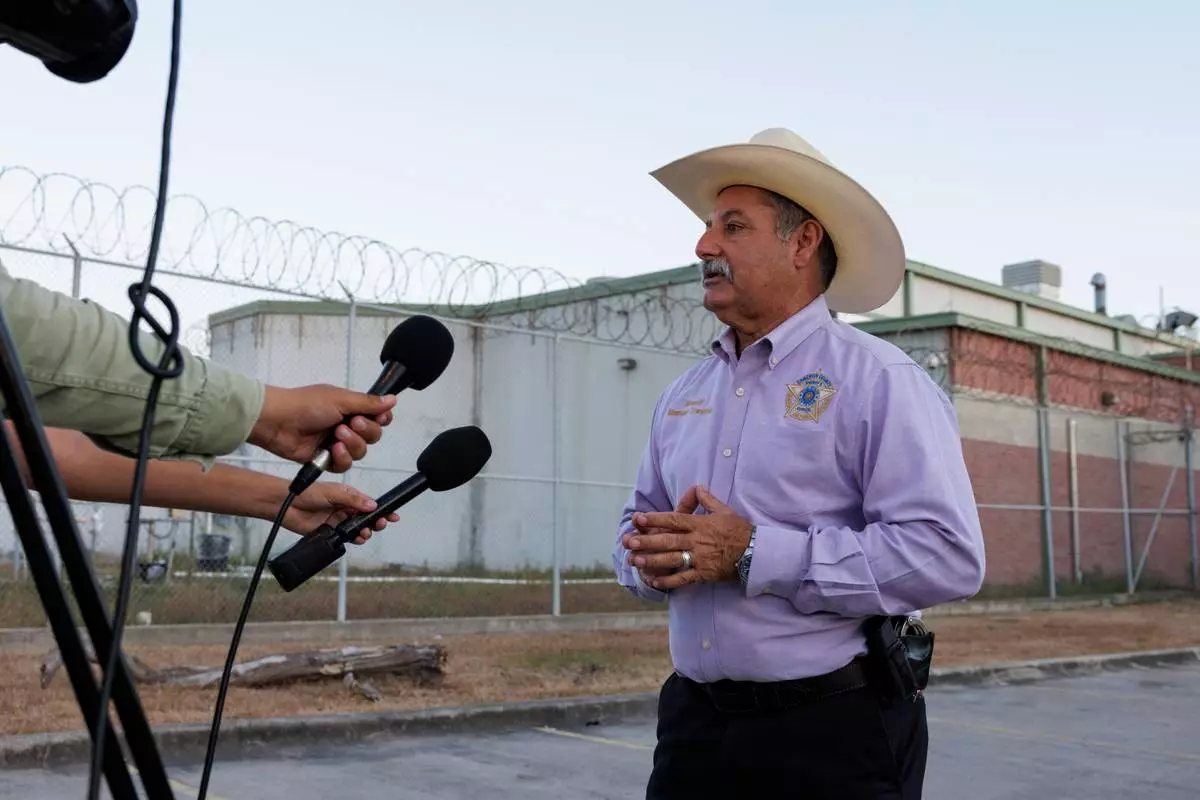
Cameron County Sheriff Manuel Treviño speaks during a news conference outside of the Carrizalez-Rucker Cameron County Detention Center shortly after Immigration and Customs Enforcement officer Christian Castro was released in Brownsville, Texas on Thursday, Aug. 27, 2026. (AP Photo/Michael Gonzalez)
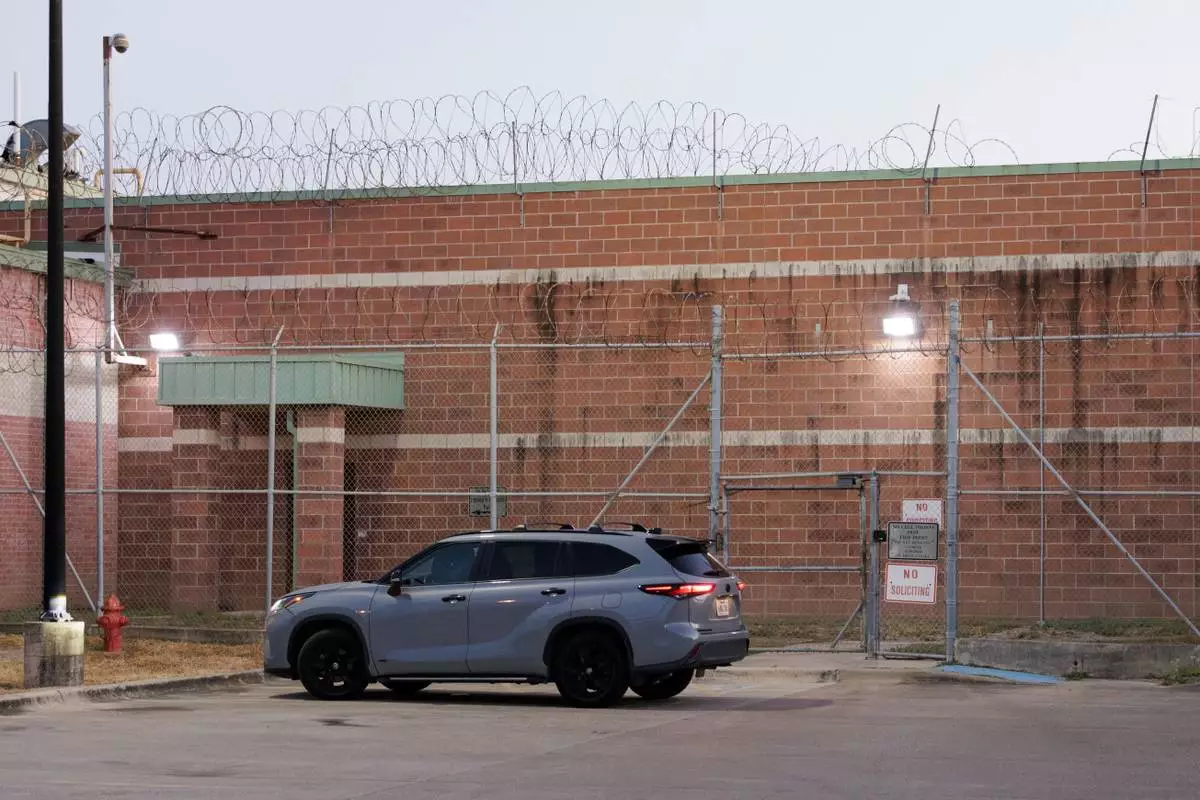
A vehicle waits outside of the Carrizalez-Rucker Cameron County Detention Center for the release of Immigration and Customs Enforcement officer Christian Castro in Brownsville, Texas on Thursday, Aug. 27, 2026. (AP Photo/Michael Gonzalez)
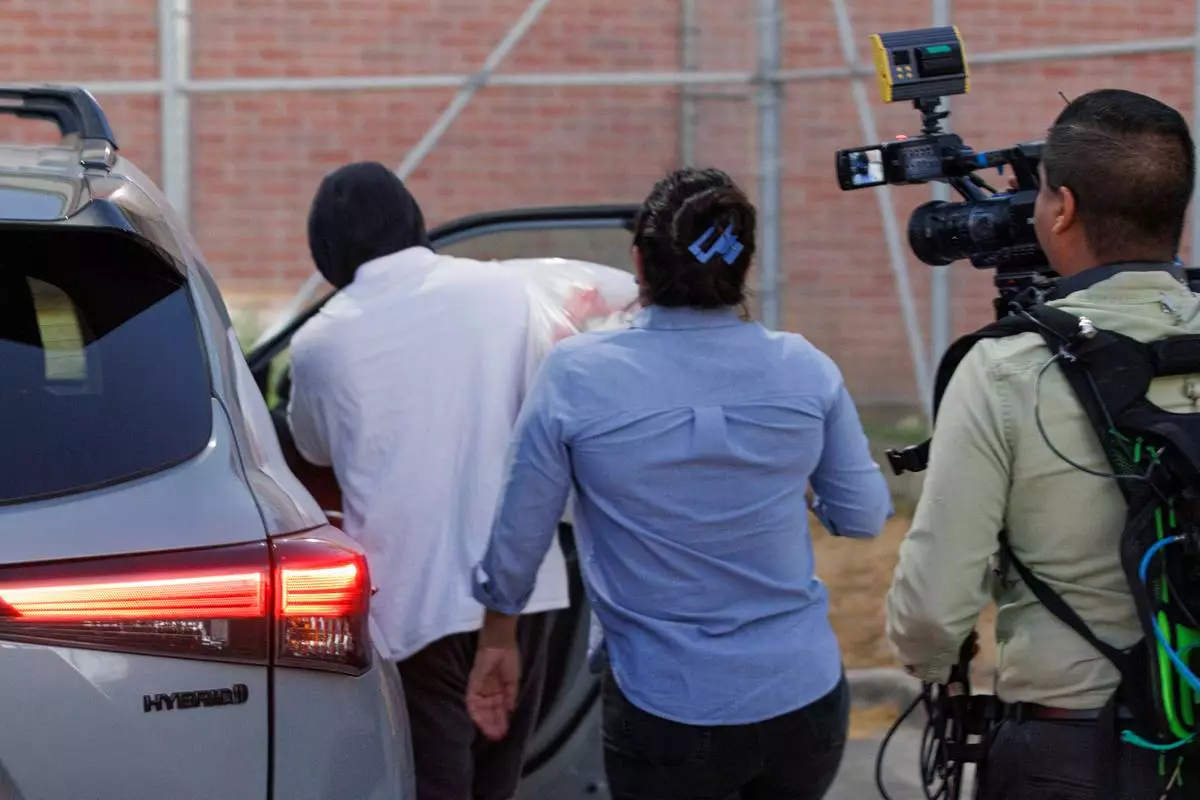
Immigration and Customs Enforcement officer Christian Castro gets into a car surrounded by news reporters moments after being released from the Carrizalez-Rucker Cameron County Detention Center in Brownsville, Texas on Thursday, Aug. 27, 2026. (AP Photo/Michael Gonzalez)
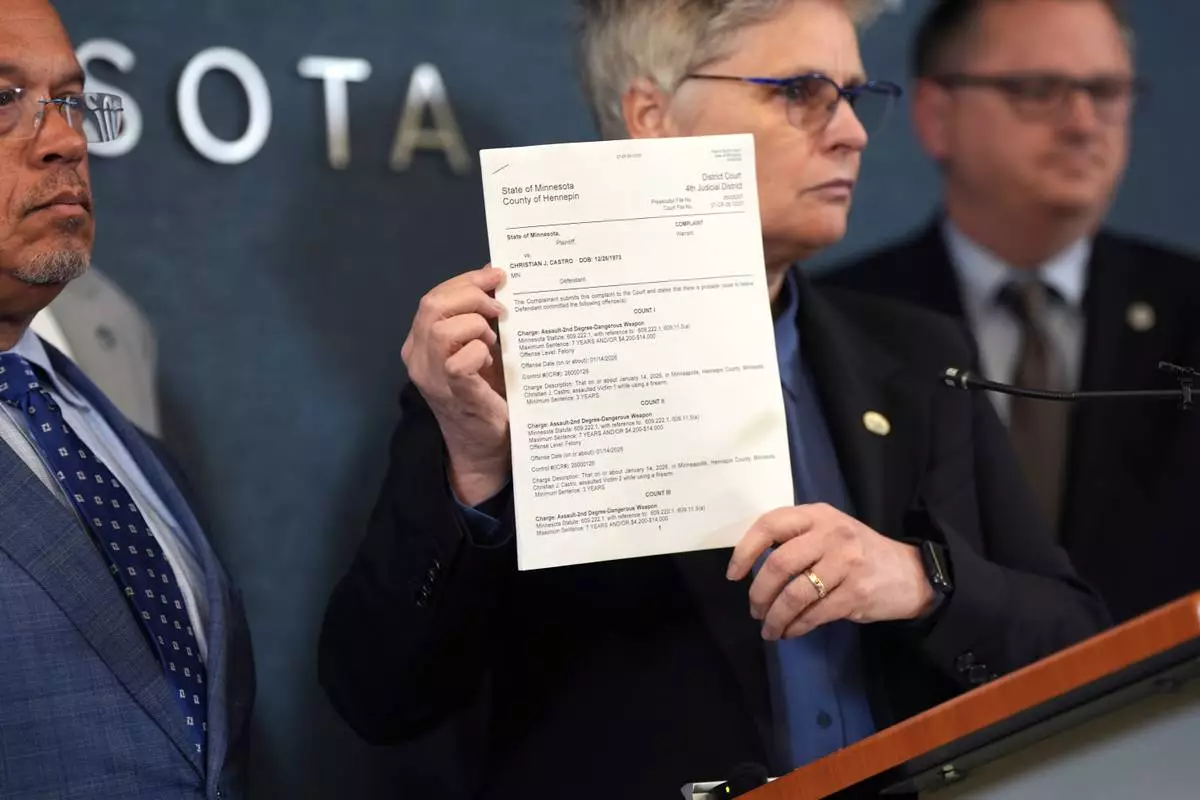
FILE - Hennepin County attorney Mary Moriarty holds up a document containing charges against ICE agent Christian Castro during a news conference at the Hennepin County Government Center in Minneapolis, on Monday, May 18, 2026. (Renée Jones Schneider/Minnesota Star Tribune via AP,File)