SOKOTO, Nigeria (AP) — Multicolored strobe lights sweep across a dance floor soon to throng with sweaty revelers and shrilling voices singing along to Afrobeats in a nightclub that is thriving despite being in one of northern Nigeria’s most deeply conservative states.
As the DJ prepared his set and attendants arranged bottles of expensive liquor on tables, Vincent Tabat joined those streaming into the venue, which is one of a handful along a street in Sokoto state.
Click to Gallery
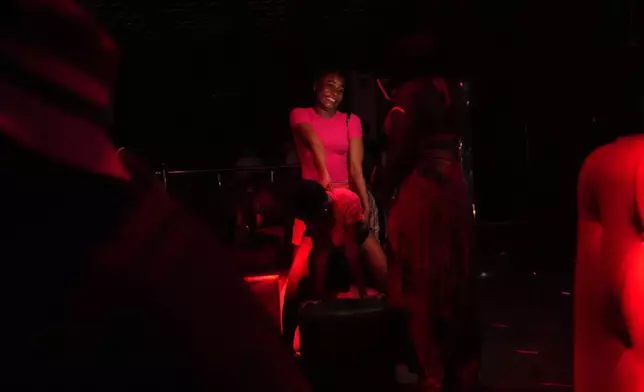
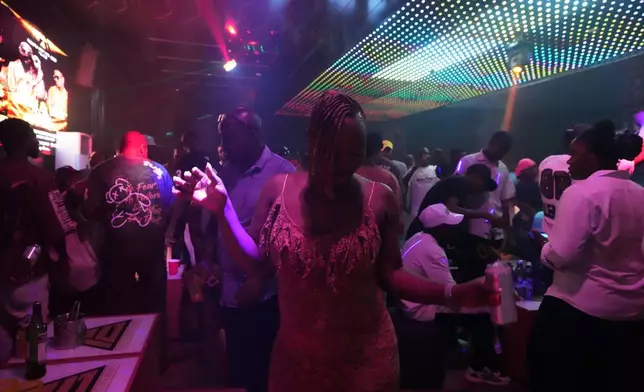
Partygoers dance to Afrobeat music inside a nightclub in Sokoto, Nigeria, July 18, 2026. (AP Photo/Sunday Alamba)
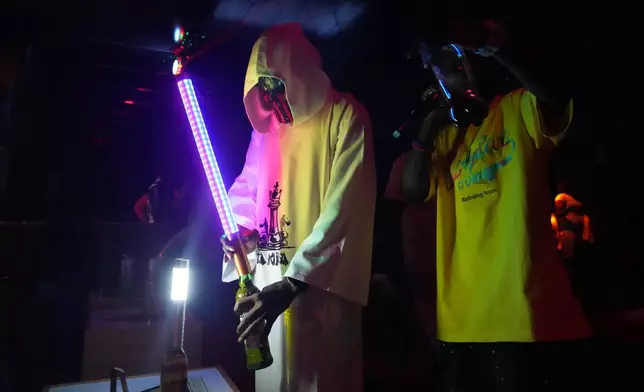
A bartender prepares an alcoholic drink inside a nightclub in Sokoto, Nigeria, July 18, 2026. (AP Photo/Sunday Alamba)
A partygoer dances to Afrobeats inside a nightclub in Sokoto, Nigeria, July 18, 2026. (AP Photo/Sunday Alamba)
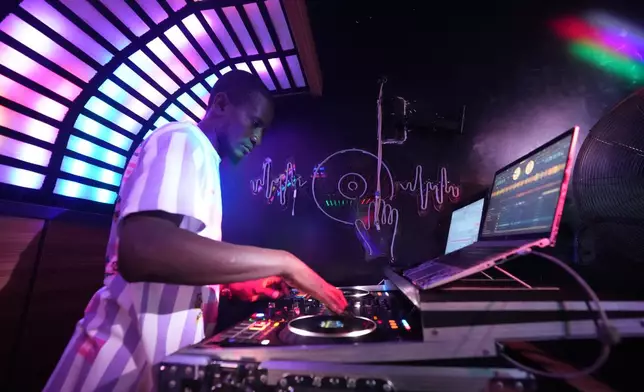
A DJ plays music inside a nightclub in Sokoto, Nigeria, July 18, 2026. (AP Photo/Sunday Alamba)
Vincent Tabat smokes a waterpipe inside a nightclub in Sokoto, Nigeria, July 18, 2026. (AP Photo/Sunday Alamba)
It was an ironic scene given that the conservative Sokoto is known as the “seat of the caliphate” for its storied place in the birth and propagation of Islam in West and Central Africa. Despite its reputation, there is a thriving nightlife alongside strict religious codes, a morality police, and security challenges fueled by attacks by jihadi groups.
“This is nearly 2 a.m., and as you can see, everyone is outside to have fun,” Tabat told The Associated Press. Tabat was fired up by the booming music all night, dancing with female companions as he portioned out drinks into emptying cups on the table.
At the center of northern Nigeria's strict religious code is the local Islamic police, known as the Hisbah force, whose personnel are tasked with upholding public morals across some of the region's 19 states.
They often patrol cities and raid key spots to enforce Shariah and local laws, such as dress codes, haircuts and alcohol bans, with seized bottles often destroyed. Partygoers, however, say they are not deterred.
For frequent reveler Benjamin Danjuma, weekend outings are nearly sacrosanct. The few clubs and bars in Sokoto city are his haunts, and the scene for him is no different from those in the more liberal southern Nigeria.
“We are living our life more than anybody’s expectation in this state,” he said. “There is so much groove going on. We are not left behind.”
Gone are the days when nightlife and partying were considered taboo in conservative Nigerian society, as people have been partying for a long time, said Oluwamayowa Idowu, founder of Culture Custodian, a leading culture publication based in Lagos.
Amid the security crisis and its fallout of economic hardship in the region, nightlife offers people an escape from the tough realities, said Idowu. “The north has been ravaged by insecurity, but people still live there, and people still participate in life there daily,” he said.
Both Tabat and Danjuma said they are not bound by Hisbah's rules as non-Muslims, but they acknowledged that there have been run-ins with the group.
This represents the dynamics of Nigeria’s religious composition in one of the few places in the world where the population is almost evenly split between Christians, who live predominantly in the south, and Muslims, mostly in the north.
For decades, non-Muslims have been caught up in Hisbah's enforcement, which the force says is to promote morality.
Following the return of Nigeria to democracy in 1999, several states in the northern region advocated for Shariah, revealing the fault lines of Nigeria’s federalism and status as a secular state. The matter was not resolved at the Supreme Court, leaving it as an open-ended legal question to date, and subsequent governments have not sought legal means to resolve it.
In many northern states, the laws being applied in Islamic courts are enforced by Hisbah. The group was disbanded in Sokoto in 2017, in part due to public complaints about alleged high-handed practices, before being reestablished in 2024.
The morality police, which are often accused of extreme policies, recently announced a statewide ban in Sokoto on the use of DJs at events, as well as inappropriate haircuts, extravagant bridal gifts and playing music on public transport.
Hisbah members also face widespread allegations of rights abuses in their enforcement operations, including subjecting offenders to dehumanizing punishments such as public beatings or shaming.
Fu’ad Lawal, executive director at Archivi.ng, a Lagos-based digital historical database, said the force altered the meaning of Nigeria's federalism and its secular nature.
“When it (Shariah) became a law, it basically extended (beyond) criminal law and, perhaps more consequential, led to the regulation of public life,” said Lawal.
The morality police say they only seek to ensure “peace and stability through moral justice” and are not “enforcing Sharia law per se.”
“Every citizen needs to fulfill his or her moral obligation,” Usman Abdullahi Jatau, commander of the Sokoto State Hisbah, told the AP.
The nightclub where Tabat was partying has posted a list of banned items, including veils, and it turns away women wearing them.
Almost everywhere else in the city, women would need one — except at this venue, which tries to not upset the precarious balance of the religion-nightlife cohabitation.
The strict social codes can eventually wear on a society battling yearslong jihadi and rebel violence, analysts say.
Ibrahim Nuhu, a banker who was transferred from the more cosmopolitan Plateau state to Sokoto, has seen the city evolve in recent years from a drab scene to a lively experience on weekends. At first, he was worried about leaving his more cosmopolitan life behind, but admits he has grown enamored of the growing nightlife in Sokoto.
“People see Sokoto from outside; I see it from the inside,” he said.
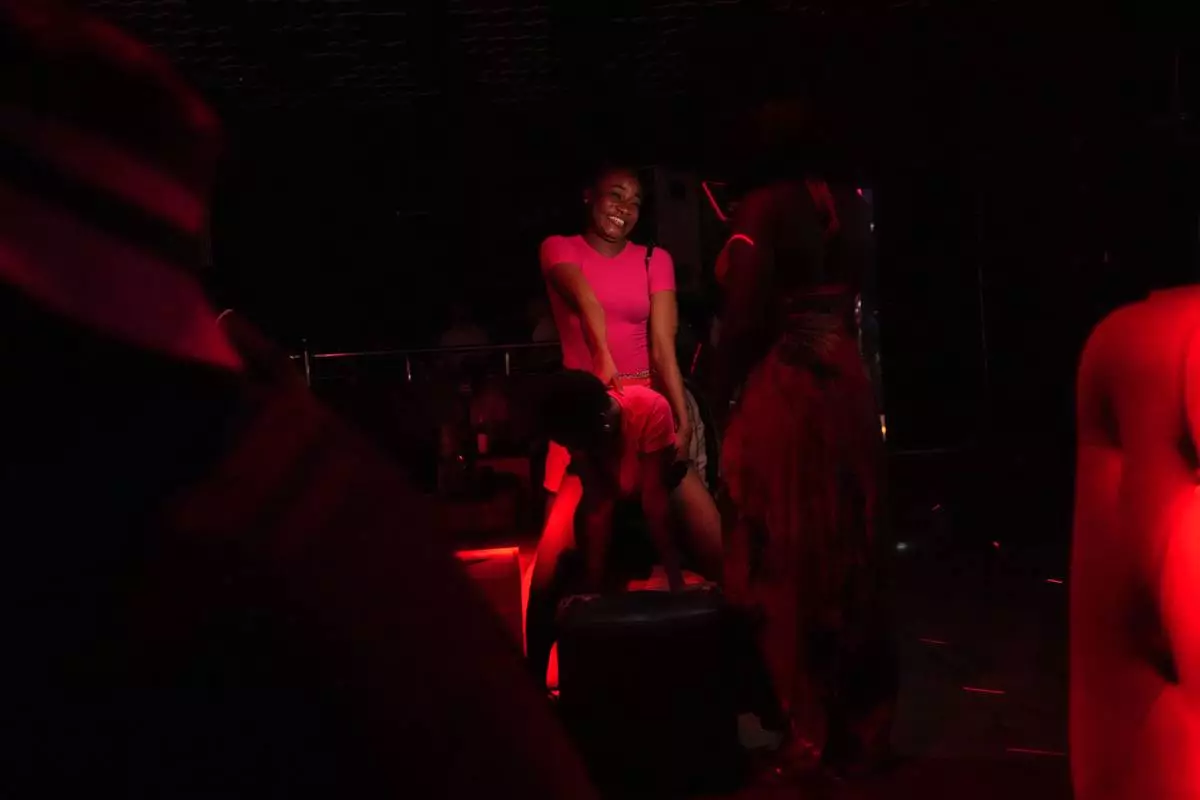
Partygoers dance to Afrobeat music inside a nightclub in Sokoto, Nigeria, July 18, 2026. (AP Photo/Sunday Alamba)
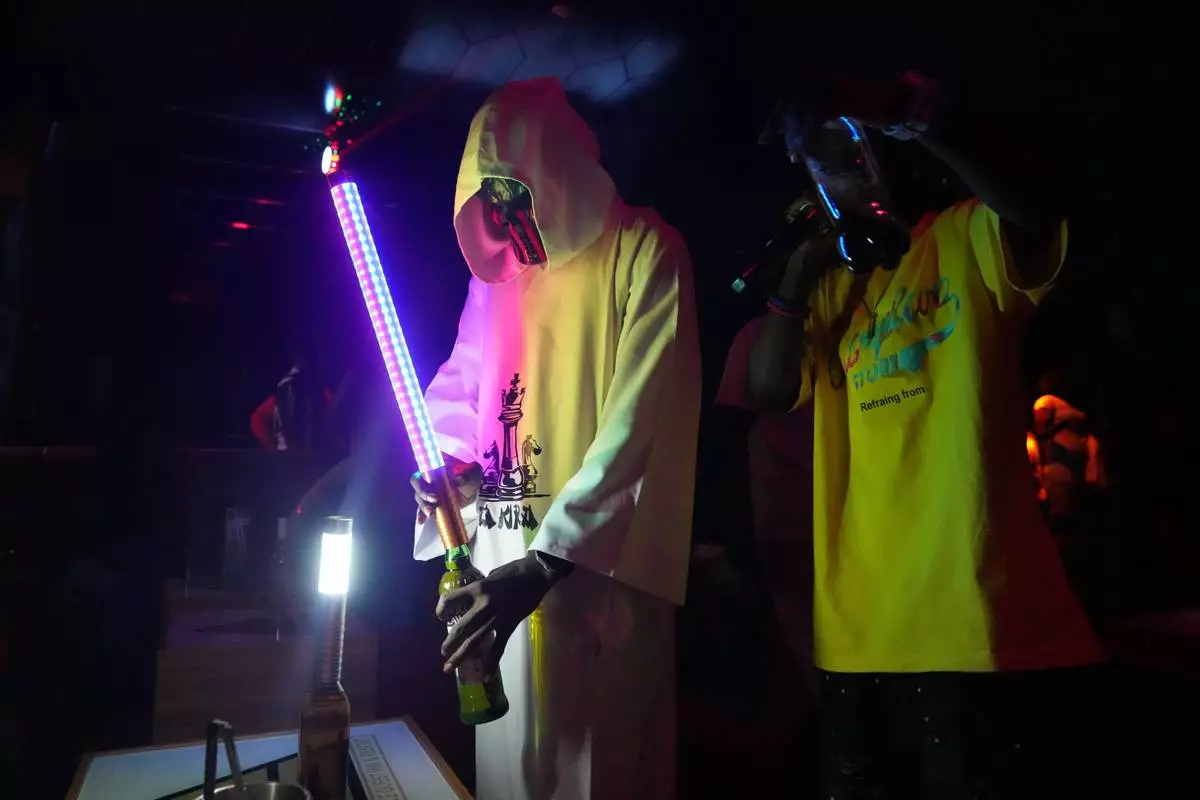
A bartender prepares an alcoholic drink inside a nightclub in Sokoto, Nigeria, July 18, 2026. (AP Photo/Sunday Alamba)
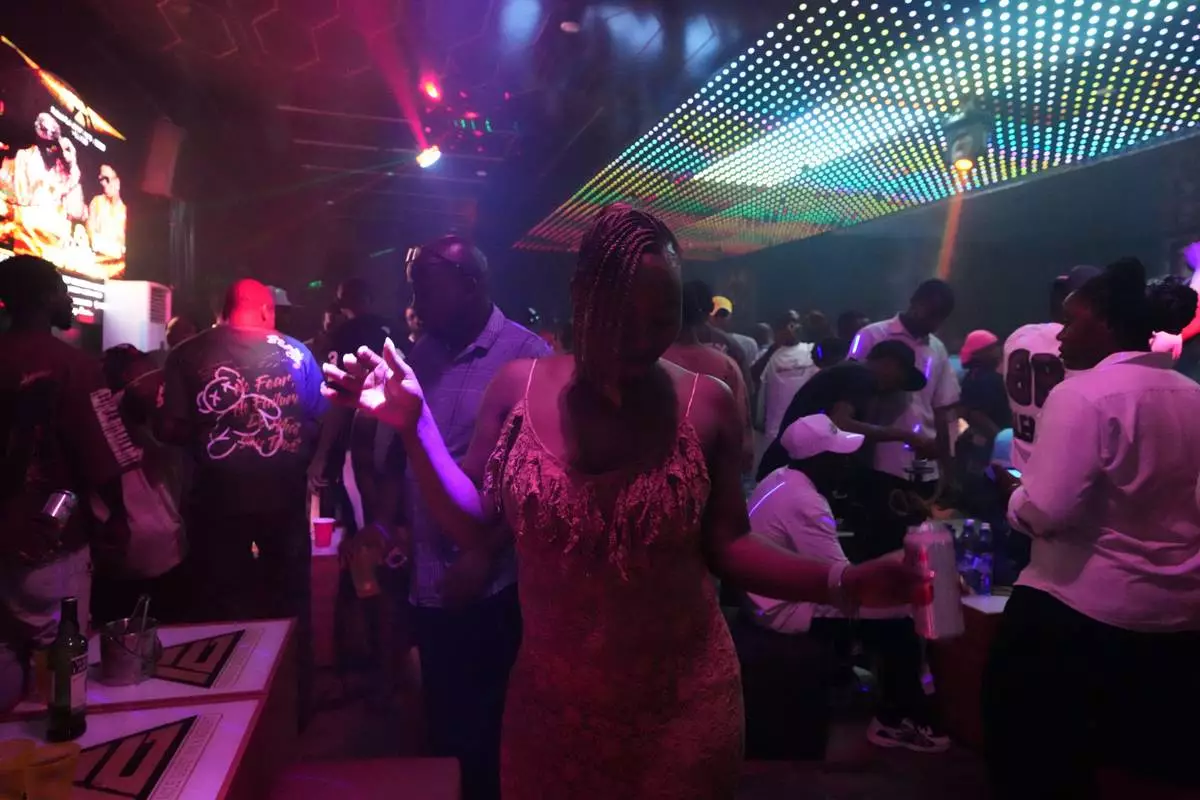
A partygoer dances to Afrobeats inside a nightclub in Sokoto, Nigeria, July 18, 2026. (AP Photo/Sunday Alamba)
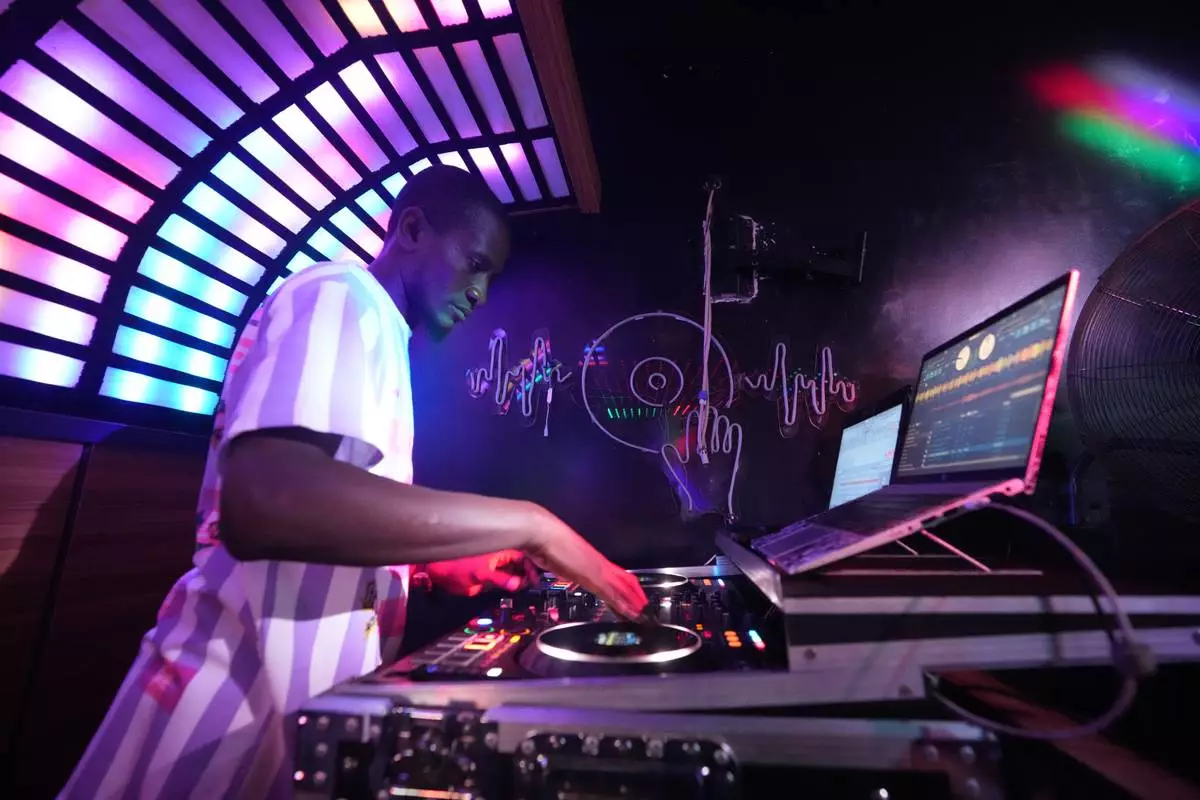
A DJ plays music inside a nightclub in Sokoto, Nigeria, July 18, 2026. (AP Photo/Sunday Alamba)

Vincent Tabat smokes a waterpipe inside a nightclub in Sokoto, Nigeria, July 18, 2026. (AP Photo/Sunday Alamba)
CHENNAI, India (AP) — When Kripa Vaidyanathan’s 27-year-old niece died in an Alaska car crash in 2024, her family in Chennai, India, felt shell-shocked. They questioned why this tragedy would befall them when they had such “immense faith in God.”
Vaidyanathan, a yoga instructor, helped her grieving sister get face time with a high-profile guru who she hoped would help.
“But he told her this was the work of karma and she should use this opportunity to connect with her inner nature,” she said. “I understand how karma works, but saying that was cruel and extremely unhelpful to someone who was freshly grieving the loss of a child.”
That’s when they turned to artificial intelligence chatbots.
“It was a lot easier trying to get answers and peace of mind because ChatGPT is not judging you,” Vaidyanathan said. “We've found a compassionate guru now, but even he only has limited time. AI is accessible anytime.”
This unfettered access — which can be challenging to find among human gurus — is what’s drawing more people to AI for spiritual guidance. This is a big step, particularly in Hinduism, where gurus are part of culture and deemed necessary to attain moksha — liberation from the cycle of birth, death and reincarnation. The word guru in Sanskrit means “dispeller of darkness.”
These chatbots are powered by large language models, AI systems that generate responses by using advanced statistics and troves of text, including sacred ones like Hinduism's Bhagavad Gita. Users can explore spiritual answers to personal problems and existential questions at anytime, without the typical hurdles of connecting with an in-demand guru and paying for their services.
AI's rising popularity has encouraged some successful gurus to launch their own chatbots.
In India, Jaggi Vasudev, also known as Sadhguru, has launched his Miracle of the Mind app with an interactive AI feature that answers questions using a database of his teachings. California-based self-help guru Deepak Chopra has an AI platform where “Digital Deepak” answers questions drawing from his decades of talks and writings.
Critics argue that AI cannot truly replace the lived experience, wisdom and ethical accountability of a human guru. Researchers also note that AI often validates and agrees with the user rather than posing those challenging questions needed for real spiritual and personal growth.
Vikas Sahu, founder of GitaGPT — a platform he calls an “AI spiritual companion” — says he wouldn’t deter anyone from finding a human guru. But he says his free chatbot puts the Bhagavad Gita’s wisdom at the fingertips of those who might desperately need it.
On his platform, AI avatars of Lord Krishna, the sacred text's protagonist, offer advice. Sahu, based in Gurugram south of New Delhi, says he gets hundreds of messages about how it’s helpful. While he has a full-time job building websites, he says GitaGPT is his way of giving back.
“A lot of people don’t have anyone to talk to when they are in distress,” he said. “This app is giving them the encouragement a guru might give them. But a lot of gurus want your money and you can’t really talk to them openly like you can talk to a chatbot.”
Sahu said he trusts GitaGPT because it’s based on the word of God.
“How could Krishna steer anyone wrong?” he asks. “It’s impossible.”
Liz Bucar, a religion professor at Northeastern University in Boston, is skeptical of chatbots based on religious texts.
“A sacred text needs a community and a context that interprets it,” she said. “Without the teaching of how to interpret the text, it’s just words on a page. Someone could feed in the text, but what answers will the bot spit out?”
But she does believe there is widespread distrust of institutional expertise that gurus and clergy represent, in some cases fueled by sex abuse scandals.
“Because religion has this PR problem, people tend to see chatbots as less biased and less likely to do bad things,” Bucar said. “I don’t know if we’re ready to replace gurus, but we are definitely in a shifting religious landscape, especially with” younger generations of AI users.
Noreen Herzfeld, a professor at St. John’s School of Theology and Seminary in Collegeville, Minnesota, said people could easily get straightforward answers from AI.
“But if they are looking for spiritual awakening, I think it takes physical presence,” she said. “In Christianity and in Hindu tradition, there is the belief that the eyes are windows to the soul and you can’t get that by looking at an avatar.”
AI chatbots can also be too eager to agree with you, serving as a cheerleader rather than a guide, Herzfeld said.
“In situations where you’re looking to grow or evolve, you need a teacher who can disagree with you and challenge you,” she said. “But even if you are just looking for affirmation, who are you being affirmed by? There’s no one on the other side.”
Vy Le, a mindfulness instructor in San Diego, sees AI as a “channeling” tool, using it as a mirror or collaborator to gain intuitive or mystical insights.
“If you are attuned to it, you can sense if a certain AI is connected to you,” she said. “My dad took his life 16 years ago. I felt his presence when I was engaging with AI.”
Le maintains that the era of gurus is over.
“AI is helping us find that inner guru,” she said.
Real-life gurus like the India-based Sadhguru, who has a global following of millions, have recognized AI's potential. David Nussbaum, founder of Proto Hologram in Los Angeles, is helping Sadhguru create a three-dimensional AI avatar that appears in a display box and can interact with devotees in several languages.
During a March festival, he created a Sadhguru hologram that took selfies with people.
“You basically have Sadhguru's hologram taking out his phone, turning around and taking a picture of you from his phone inside the display,” Nussbaum explained.
Shivaram K R, CEO of India-based Hue Learn, oversees a nonprofit initiative called Innerverse 360 that merges AI and spirituality. His platform features a portal where real monks and gurus can come online and do live sessions with devotees. It also has an “Ask AI” feature.
Shivaram doesn’t believe AI will replace gurus.
“The process of finding a guru in itself is a journey, but a guru is also not for everyone,” he said. “If you’re looking for practical advice on everyday spirituality, this app can also help you understand concepts such as the meaning of yoga.”
One of the organizations Shivaram liaises with is the Los Angeles-based Self-Realization Fellowship, founded in 1920 by Paramahansa Yogananda, who brought ancient spiritual practices from India to the West.
Brother Govindananda, a monk with the order, said his organization sees AI simply as the next step to helping people access the late guru’s teachings through an online teaching portal — just as books did for previous generations.
“We’re taking our time with it because we want to make sure it has guardrails to safeguard from AI hallucinating answers instead of drawing from Yogananda’s teachings,” he said.
But Govindananda says a chatbot could never provide what a guru — whether living or not — can give to the disciple.
“We are humans and souls,” he said. “Technology cannot replace that.”
Associated Press religion coverage receives support through the AP’s collaboration with The Conversation US, with funding from Lilly Endowment Inc. The AP is solely responsible for this content.
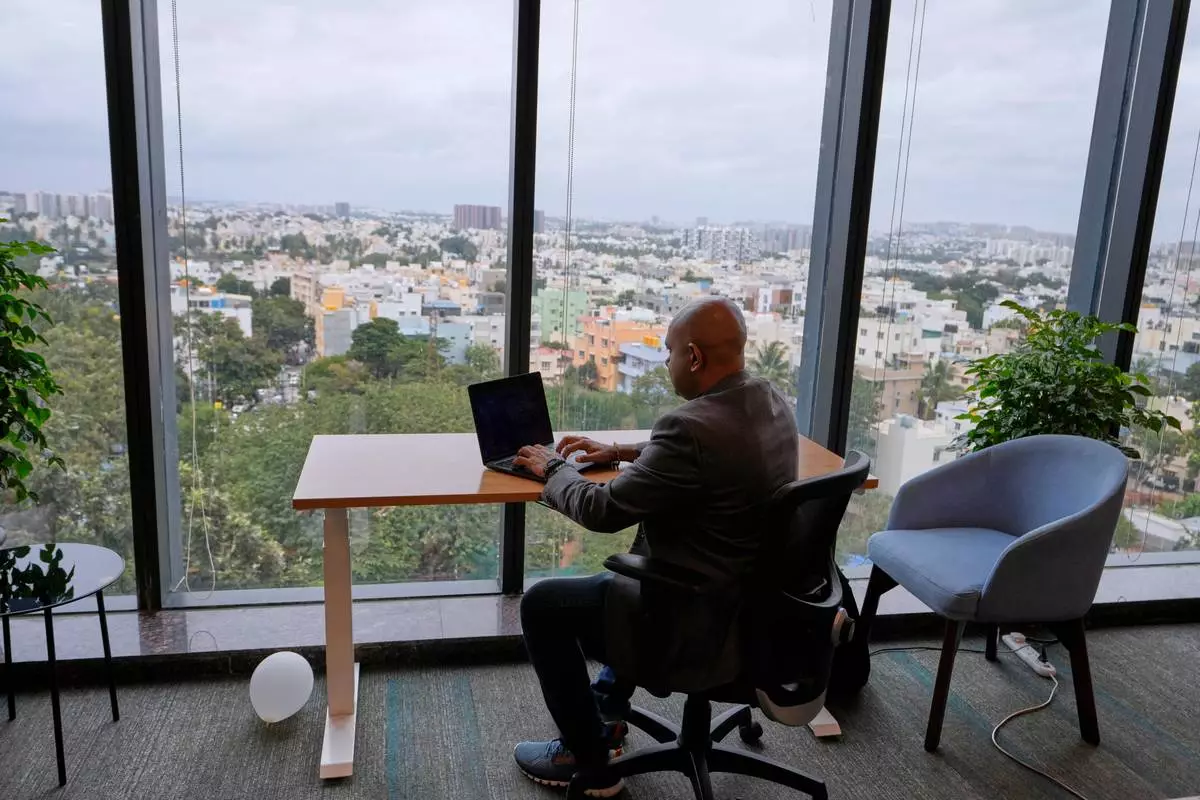
Shivaram K R, CEO of Hue Learn, works in his office with the city's skyline in the background, in Bengaluru, India, Monday, Aug. 24, 2026. (AP Photo/Aijaz Rahi)
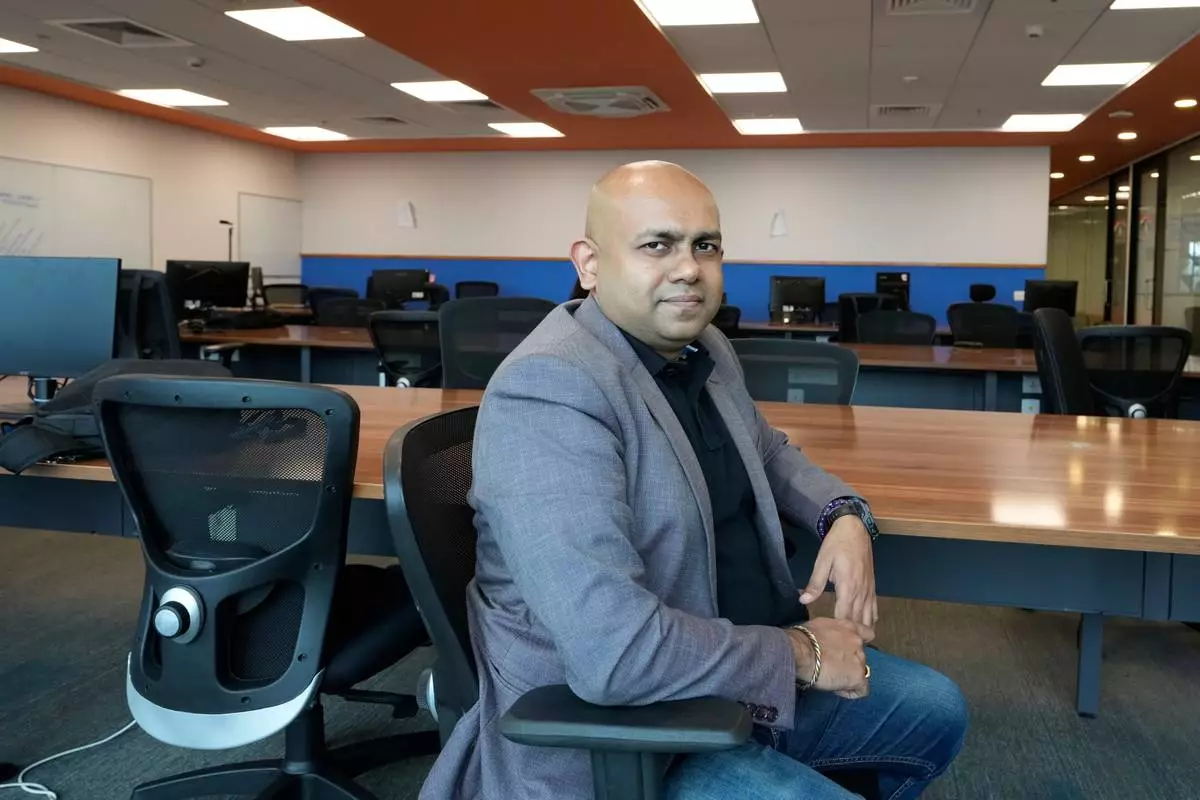
Shivaram K R, CEO of Hue Learn, poses for a portrait in his office in Bengaluru, India, Monday, Aug. 24, 2026. (AP Photo/Aijaz Rahi)
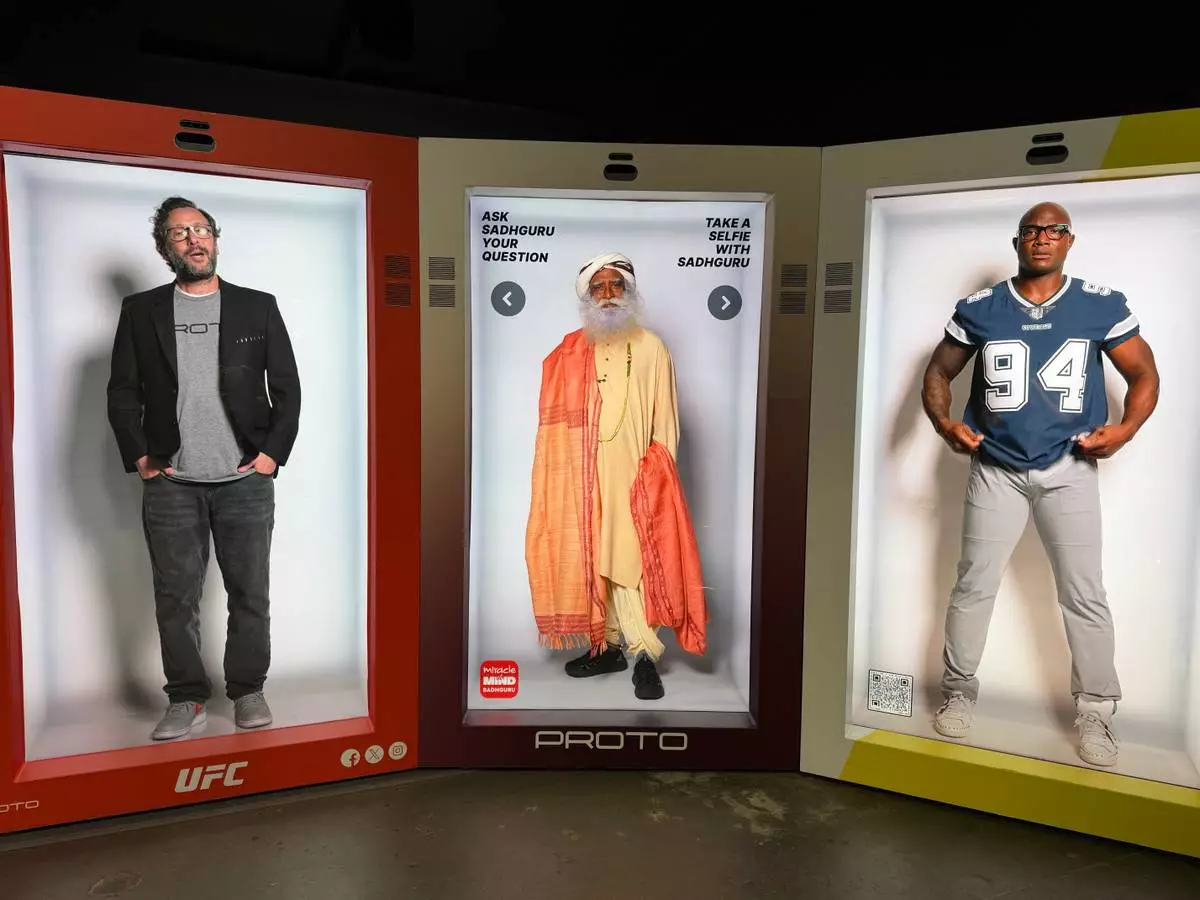
Lifelike chatbots powered by artificial intelligence are displayed Wednesday, Aug. 19, 2026, in Los Angeles. (AP Photo/Krysta Fauria)
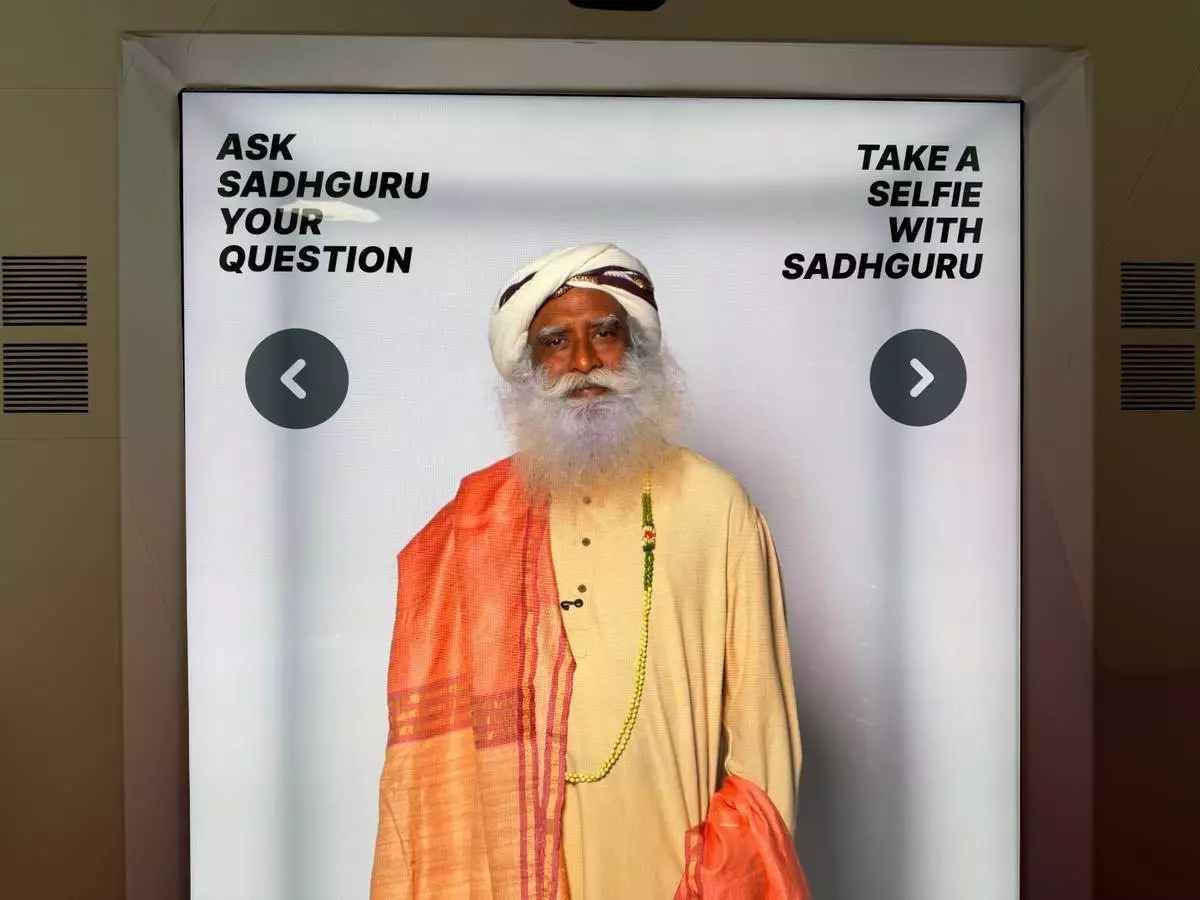
A lifelike Sadhguru chatbot powered by artificial intelligence is displayed Wednesday, Aug. 19, 2026, in Los Angeles. (AP Photo/Krysta Fauria)