BUNIA, Congo (AP) — The fastest-growing Ebola outbreak in history has spread to two new health zones in eastern Congo, with a total of 60 now affected, according to the latest government figures published on Friday.
The two new zones affected are Biena and Manguredjipa in Congo’s North Kivu province, where the case fatality rate is much higher than the overall rate of 48%, due in part to delayed response efforts, according to Congo’s Ministry of Health data.
It said the outbreak has recorded 5,794 confirmed cases, including 2,786 deaths, as it is spreading at an unprecedented speed, faster than efforts to track and slow it.
The outbreak is spreading under extremely difficult conditions, fueled by insecurity, displacement, a health workers’ strike and intense population movements. The World Health Organization has said that it remains out of control and is on track to surpass the 2014-2016 West Africa Ebola outbreak, the deadliest on record, which killed more than 11,000 people, primarily in Guinea, Liberia and Sierra Leone.
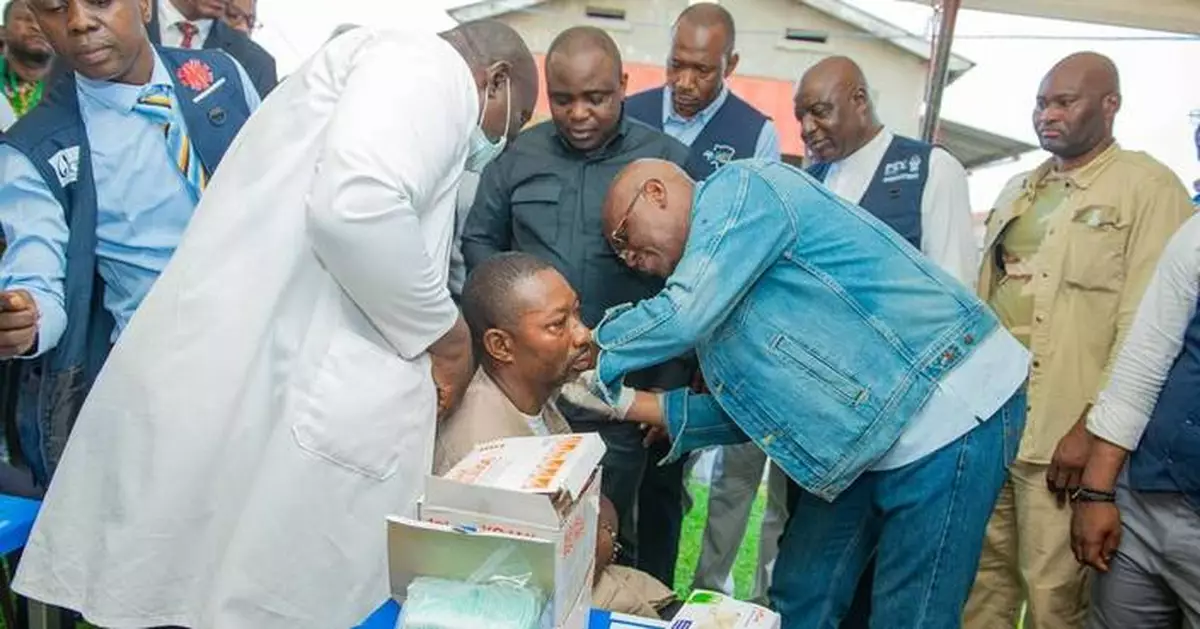
On Thursday, Congo began vaccinating health workers and other front-line workers with the Ervebo vaccine that was effective in past Ebola outbreaks caused by a different, more common type called Zaire.
Clinical trials are underway to find a licensed vaccine for the rare Bundibugyo virus that is causing the current outbreak and which has no approved vaccines or treatments.
Although the current outbreak was declared in mid-May, officials believe it had been spreading since February. It has spread from three health zones to nearly 60, with most cases and deaths occurring outside the network of monitored contacts and within communities.
Efforts to bring the outbreak under control — from limited public gatherings to social distancing and airport closures — have disrupted life in the six affected provinces, particularly Ituri, which has been ravaged by rebel violence.
The government has introduced measures, including installing health and sanitary equipment at some locations, but advocacy groups say more needs to be done to build trust within the community.
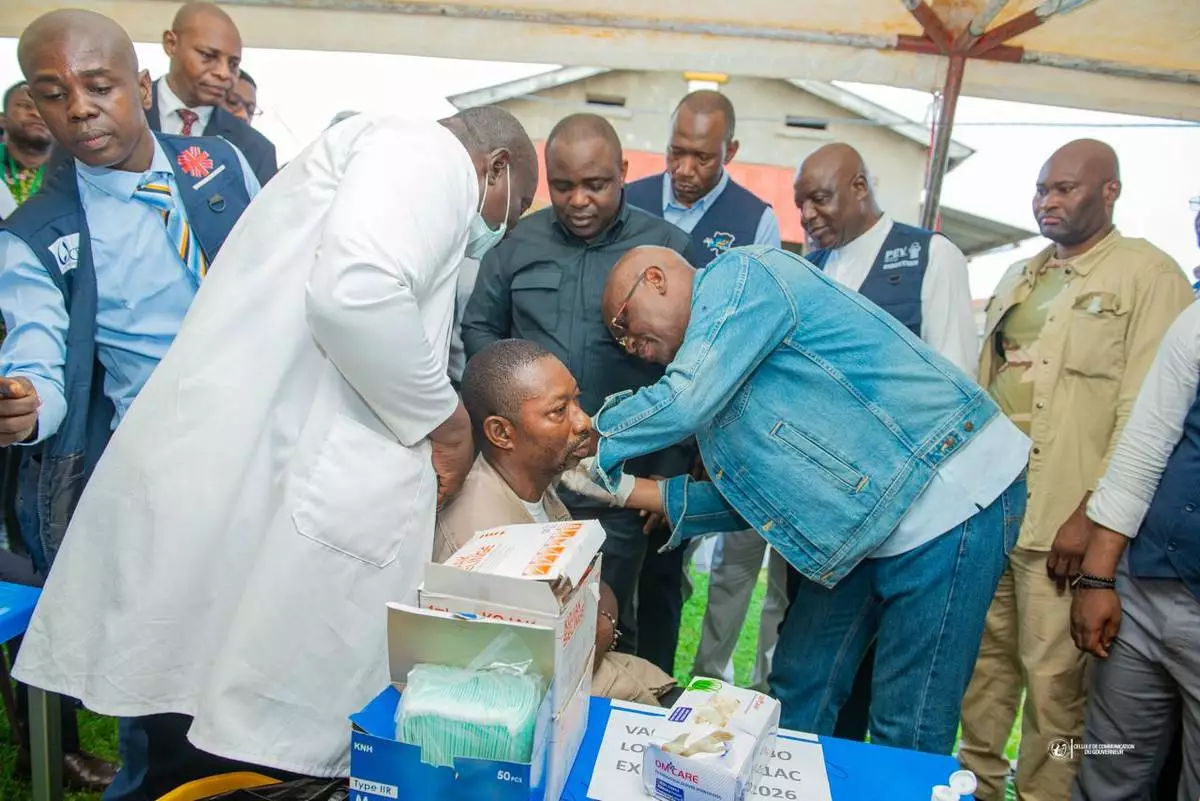
Congo’s Health Minister Roger Kamba administers an Ebola vaccine to a health care worker in Kisangani, Congo, Thursday, Aug. 27, 2026. (AP Photo/Samy Kamanga)
As rescue teams continue searching for hundreds of people missing along the Nepal-China border following catastrophic floods, humanitarian organizations are mobilizing to aid survivors.
Hundreds are dead or missing after a deadly torrent of water and mud several stories high swept through communities Wednesday following a glacier collapse.
The Nepalese army has been using helicopters to rescue people because so many roads and bridges have been washed out.
Dan Hovey, vice president of emergency response at Direct Relief, which provides medicines and healthcare to disaster-struck areas, said his organization had already pre-positioned emergency supplies in Nepal for the upcoming monsoon season. That preparation has enabled Direct Relief to help quickly during these unexpected floods.
“Nepal is a very disaster-prone country,” he said. “On the disaster vulnerability indexes, it’s one of the highest – from earthquakes, floods, drought, wildfires.”
In addition to the medicines and supplies already in Nepal, Direct Relief was readying more shipments to send to Nepal Thursday, said Hovey, adding that new donations would allow the nonprofit to provide more support in the months to come.
“This is going to be a long recovery process,” Hovey said.
Responding organizations say giving cash is currently most needed to provide local agencies and nonprofits flexible funding to continue their relief efforts.
Here are some organizations aiding those on the Nepal-China border, including U.S. groups responding on the ground.
All Hands & Hearts, the disaster recovery nonprofit, says it is currently providing emergency relief in Nepal, where it has worked since 2015 and plans to continue its work of rebuilding schools and homes.
Catholic Relief Services, the international humanitarian agency, has partnered with Caritas Nepal to provide aid and social services, while also working to deploy its own teams to help relief efforts.
Global Giving, the support nonprofit, has launched the Nepal Flood Relief Fund that it hopes will raise $1.5 million to provide flexible funding for search and rescue efforts and other emergency responses, as well as infrastructure rebuilding and other recovery projects.
Humanity & Inclusion, the international victim assistance nonprofit, says it is already distributing emergency supplies and providing rehabilitation support inside local hospitals.
Save the Children, the international nonprofit, says it is already delivering cooking kits, mosquito nets and blankets to 1,000 households in the region and coordinating with national and local authorities to determine how to scale its response.
World Central Kitchen, Chef Jose Andres’ humanitarian nonprofit, says it is already feeding those in the region through its local partners. It plans to activate its distribution network to bring more food to the affected area.
Associated Press coverage of philanthropy and nonprofits receives support through the AP’s collaboration with The Conversation US, with funding from Lilly Endowment Inc. The AP is solely responsible for this content. For all of AP’s philanthropy coverage, visit https://apnews.com/hub/philanthropy.
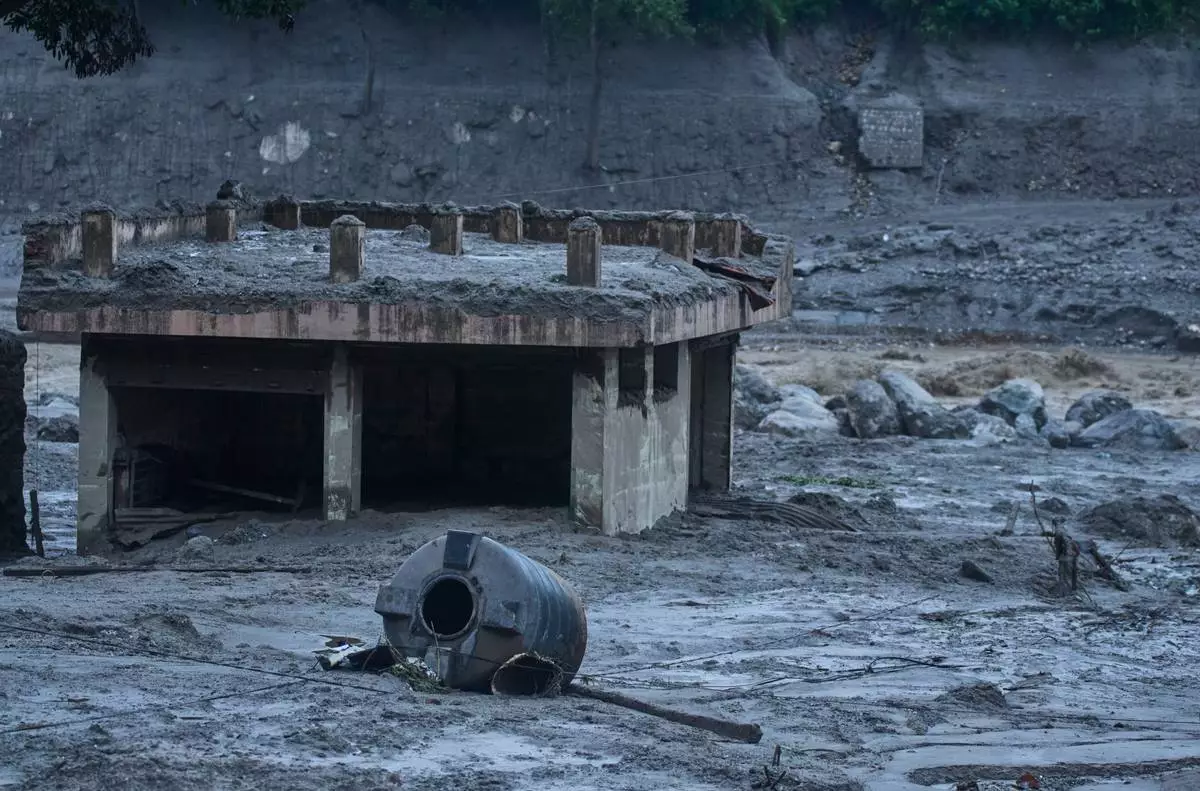
Damage is seen in the aftermath of flash floods in Devighat in the Nuwakot district in Nepal, Thursday, Aug. 27, 2026. (AP Photo/Niranjan Shrestha)