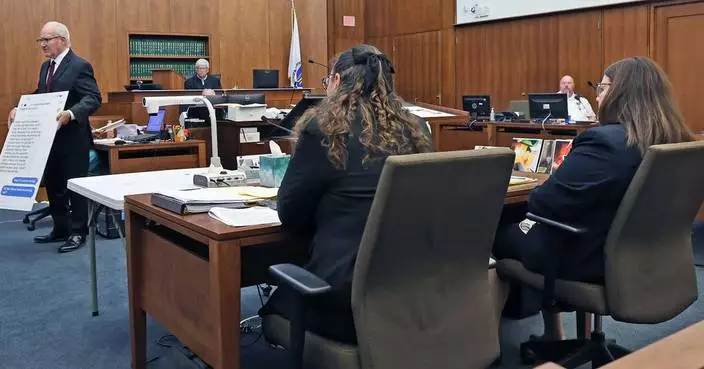
PLYMOUTH, Mass. (AP) — Jurors resumed deliberations Friday morning in the Lindsay Clancy murder trial in Plymouth, Massachusetts. They must decide whether to hold the former labor and delivery nurse criminally responsible for killing her three children in 2023.
While both sides agree she killed her children, Clancy’s attorneys argued she suffered from postpartum psychosis, with Kevin Reddington saying “ lousy medical care ” exacerbated her condition. Plymouth County prosecutors argued she intentionally planned the killings and that the nation’s healthcare system is “ not on trial here.”
Postpartum psychosis is estimated to afflict 1 to 2 per 1,000 women after delivery. Experts at the Cleveland Clinic describe it as a mental health emergency affecting someone’s sense of reality. It can happen to anyone after giving birth, but the chances are higher for people with certain mental health conditions. Though most people with postpartum psychosis don’t harm their children, mothers with severe cases may try to do so, and also may try to harm themselves.
Editor’s Note: If you or someone you know needs help, the national suicide and crisis lifeline in the U.S. is available by calling or texting 988. There is also an online chat at 988lifeline.org.
Here's the latest:
Speaking to reporters as he entered the courtroom Friday morning, attorney Kevin Reddington said Clancy has had those feelings since the killings.
Asked why, he responded: “What would you be scared of?”
Reddington said he hopes the jury will come back with a verdict on Friday, but acknowledged deliberations could take longer.
“There are 290-something exhibits, five weeks of testimony,” he said. “It’s obviously a lot of work. They have been very attentive. I don’t know how long it will take them.”
The 12 regular jurors and six alternates were called into the courtroom briefly early Friday.
The judge asked them if they had read or heard anything about the case that might affect their ability to deliberate impartially, or if there were any concerns about continuing their service. The jurors all answered no.
The judge then sent the jury back to the deliberations room to begin their second day.
Jurors must decide whether Clancy committed first-degree murder in each child’s death. The charge, which requires proof of premeditation and malice, carries a sentence of life without parole.
If jurors acquit her of that charge, they must consider lesser charges.
If the jury finds Clancy not guilty, a judge can order an evaluation. If she is found mentally ill and a danger to herself or others, the court can commit her to a state mental hospital for six months. She would be assessed annually, but could remain hospitalized for the rest of her life.
If she is no longer considered dangerous or suffering from a mental illness, Clancy would be discharged.
By LAURA UNGAR
Postpartum psychosis is estimated to afflict only 1 to 2 per 1,000 women after delivery. Experts at the Cleveland Clinic describe it as a mental health emergency affecting someone’s sense of reality.
It can happen to anyone after giving birth, but the chances are higher for people with certain mental health conditions. In a journal article on the subject in 2023, researchers at the Medical University of Lublin in Poland said about half of people with postpartum psychosis have a previous history of psychiatric problems and the most common risk factor associated with the condition is bipolar affective disorder, which causes extreme mood swings.
Though most people with postpartum psychosis don’t harm their children, mothers with severe cases may try to do so, and also may try to harm themselves.
Experts say it’s important to seek immediate help if you or your partner or family member show signs of postpartum psychosis.
▶ Read more
The trial hinges on Clancy’s mental health and whether she understood that killing the children was wrong.
Prosecutors contend she did and that she acted intentionally. They noted she was involved in everyday activities the day of the killings, such as taking her children to the doctor and playing with them in the snow. The prosecution claims she deliberately sent her then-husband on errands to get him out of the house, and prosecutors have questioned the seriousness of her suicide attempt.
Clancy’s lawyer, Kevin Reddington, maintains she was so mentally ill that she shouldn’t be held criminally responsible for the killings. According to her defense, she had bipolar disorder and postpartum psychosis and, ultimately, it led her to believe she heard a voice telling her to kill the children so she could end her own life.
In diary entries Clancy wrote in the months before the killings, she described feeling anxious, overwhelmed, preoccupied with the details of her infant’s care, beset by “brain fog,” and “desperate to get a mental break from taking care of everyone.”
Both the prosecution and the defense have drawn on expert testimony to support their contrasting views of Clancy’s mental state at the time of the killings.
One forensic psychiatrist, testifying for the defense, said Clancy was “clearly psychotic” and held a delusional belief that her children would be better off dying with her than being left behind. The prosecution’s experts agreed that she had serious psychological problems, but said she wasn’t psychotic. They also questioned Clancy’s account of being commanded by a voice and asserted that she knew right from wrong and had control of her behavior.
Lindsay Clancy’s murder trial is in the hands of a jury after a month of searing testimony about the deaths of her three children in 2023 and the psychiatric problems she experienced before she killed them.
Closing arguments concluded Thursday in the case, which has sparked debate online and demonstrations outside the courthouse over maternal well-being and the mental health system.
The jury deliberated Thursday afternoon and will resume at 9:30 a.m. on Friday.
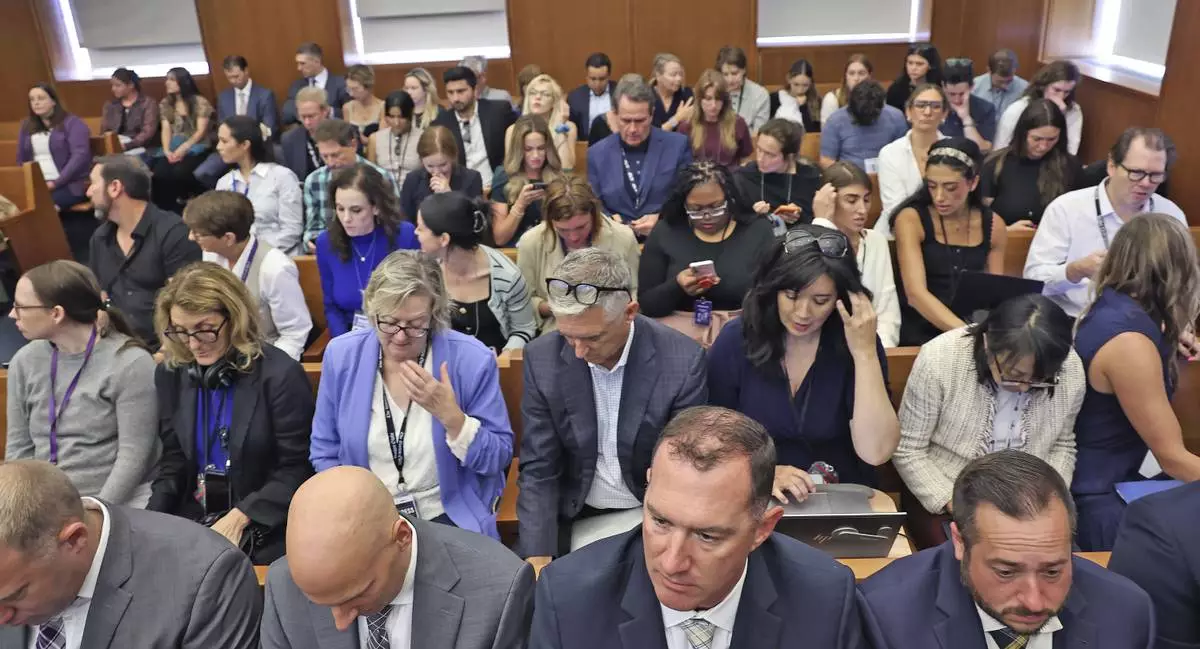
A packed courtroom gallery listens during closing arguments in the Lindsay Clancy murder trial at Plymouth Superior Court in Plymouth, Mass., Thursday, Aug. 27, 2026. (Greg Derr/The Patriot Ledger via AP, Pool)
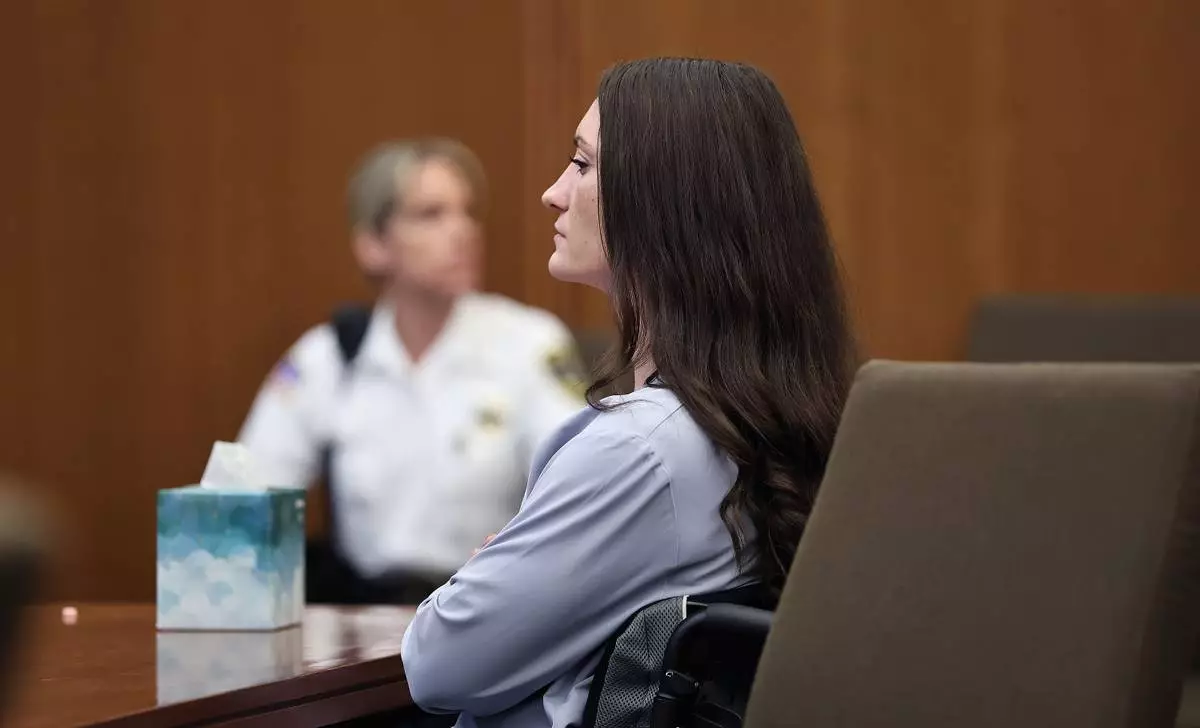
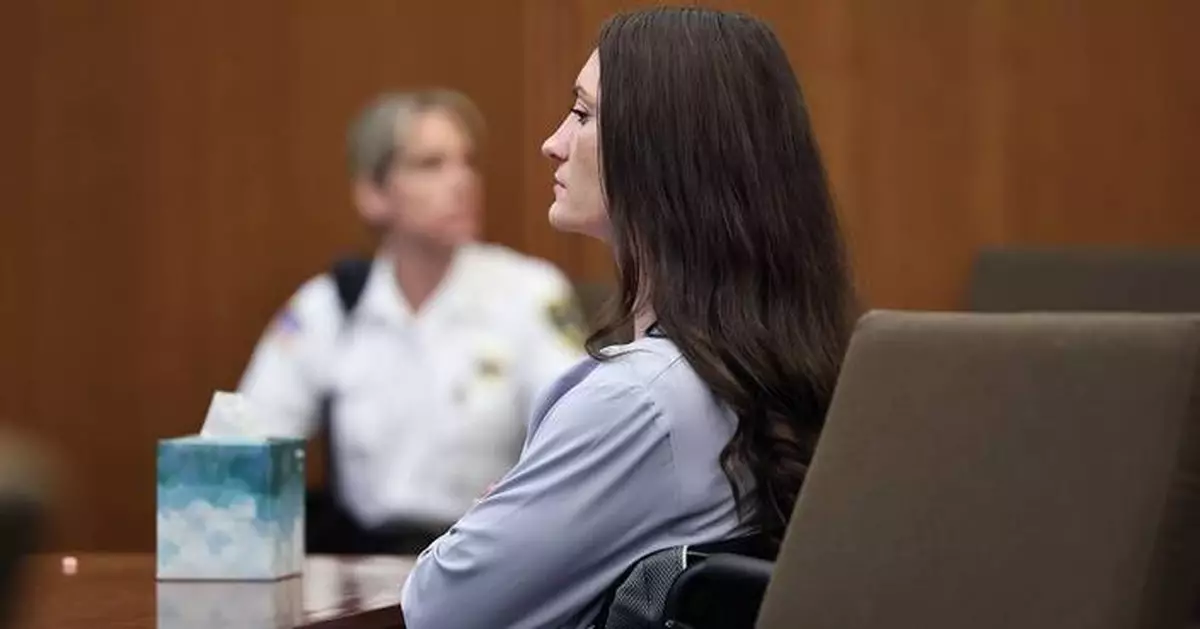
Lindsay Clancy waits for the jury to leave and start deliberations during her murder trial at Plymouth Superior Court in Plymouth, Mass., Thursday, Aug. 27, 2026. (Greg Derr/The Patriot Ledger via AP, Pool)