Chinese President Xi Jinping has attached great importance to global cooperation in building a more just and equitable global governance system and a community with a shared future for humanity, with the Shanghai Cooperation Organization (SCO) increasingly playing the role as a great platform for this endeavor.
In 2025, when chairing the "SCO Plus" Meeting in north China's port city of Tianjin, Xi proposed the Global Governance Initiative (GGI), calling on countries to work in concert for a more just and equitable global governance system.
"I would like to propose the Global Governance Initiative (GGI). I look forward to working with all other countries for a more just and equitable global governance system and advancing toward a community with a shared future for humanity," Xi said while delivering a speech at the meeting held on Sept 1, 2025.
The GGI marks the fourth landmark global initiative proposed by Xi over the past several years, following the Global Development Initiative, the Global Security Initiative and the Global Civilization Initiative.
The initiative outlines five core principles: adhering to sovereign equality, abiding by international rule of law, practicing multilateralism, advocating the people-centered approach, and focusing on taking concrete actions.
On June 17, 2026, China's State Council Information Office released a white paper to introduce China's principles, proposals and actions on global governance.
Titled "More Just and Equitable Global Governance: China's Principles, Proposals and Actions", the white paper was published to foster broader consensus within the international community, ensure more effective responses to global challenges, and build a more just and equitable global governance system.
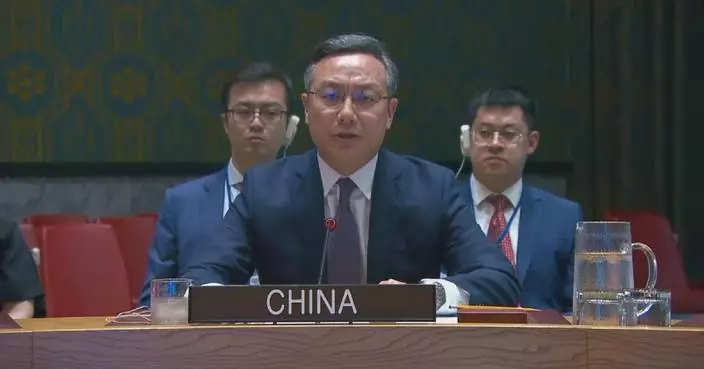
At the Group of Friends of Global Governance held at the UN headquarters in New York on May 28, 2026, representatives from different countries spoke highly of the initiative. All parties in the group welcomed the Global Governance Initiative proposed by China, noting that the initiative is fully consistent with the purposes and principles of the UN Charter and aims to defend and practice multilateralism while strengthening the central role of the UN in international affairs.
Since 2013, Xi has attended every SCO summit, either in person or via video link, promoting closer cooperation among member states on security, development and cultural exchanges.
"We should uphold the innovative, coordinated, green, open and inclusive development concept, to achieve coordinated social and economic progress of various countries," Xi said at the 18th Meeting of the Council of Heads of Member States of the SCO in east China's Qingdao City in 2018. "The SCO should step up to play a leading role and set an example in carrying out the GGI," Xi said at the "SCO Plus" Meeting in 2025.
Founded in Shanghai in 2001 by China and its neighboring countries, the SCO has expanded from six founding members to a 27-nation family, standing out as a model for a new type of international relations.
"The cooperation is covering a very wide range, and it is probably difficult to name an industry in which we have not developed trade and economic cooperation," said Nurlan Yermekbayev, secretary-general of the SCO.
"China will readily share the opportunities of its vast market, and continue to implement the action plan for high-quality development of economic and trade cooperation within the SCO family," Xi said at the "SCO Plus" Meeting in 2025.
As of September 2025, China's investment stock in other SCO member states had exceeded 84 billion U.S. dollars, and its annual bilateral trade with other SCO member states had surpassed 500 billion U.S. dollars.
"Now the world's center of gravity of influence is quietly and steadily shifting toward the SCO, and we are a member of the family. The SCO is maintaining a solid and steady development. Perhaps we should adopt China's steady and confident development path. We are like a big family, discussing issues and plans for the future together," said Belarusian President Alexander Lukashenko.
"The fundamental goal of global governance, in essence, is to achieve common development. And common development, at its core, is about improving people's livelihoods. That is why President Xi has specifically emphasized a people-centered approach -- which is also a very important principle that should be upheld in international cooperation," said Sun Zhuangzhi, a researcher at the China Center for Shanghai Cooperation Organization Studies.
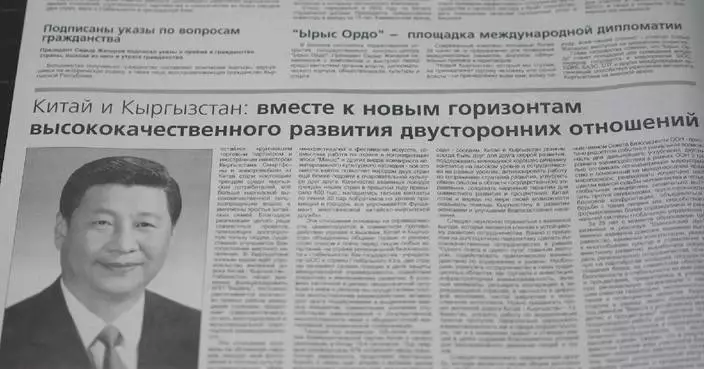
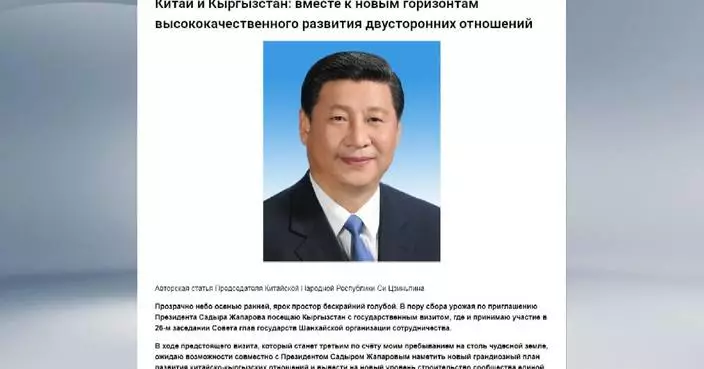
This year marks the 25th founding anniversary of the SCO. At the Bishkek Summit in Kyrgyzstan from Aug 30 to Sept 3, Xi will have in-depth exchanges of views with other participating leaders on deepening SCO cooperation in various fields under the new circumstances and on major international and regional issues, which will provide guidance for the SCO's high-quality development and participation in the reform and development of the global governance system, said Chinese Foreign Ministry Spokesman Lin Jian.
"'Where will prevails, no boundary holds.' Let us stay true to the SCO's founding mission, step up to undertake our duties and honor our responsibilities, promote sound and sustained development of the SCO with greater resolve and more practical measures, and march steadily toward a brighter tomorrow of a community with a shared future for humanity," Xi said at the "SCO Plus" Meeting in 2025.
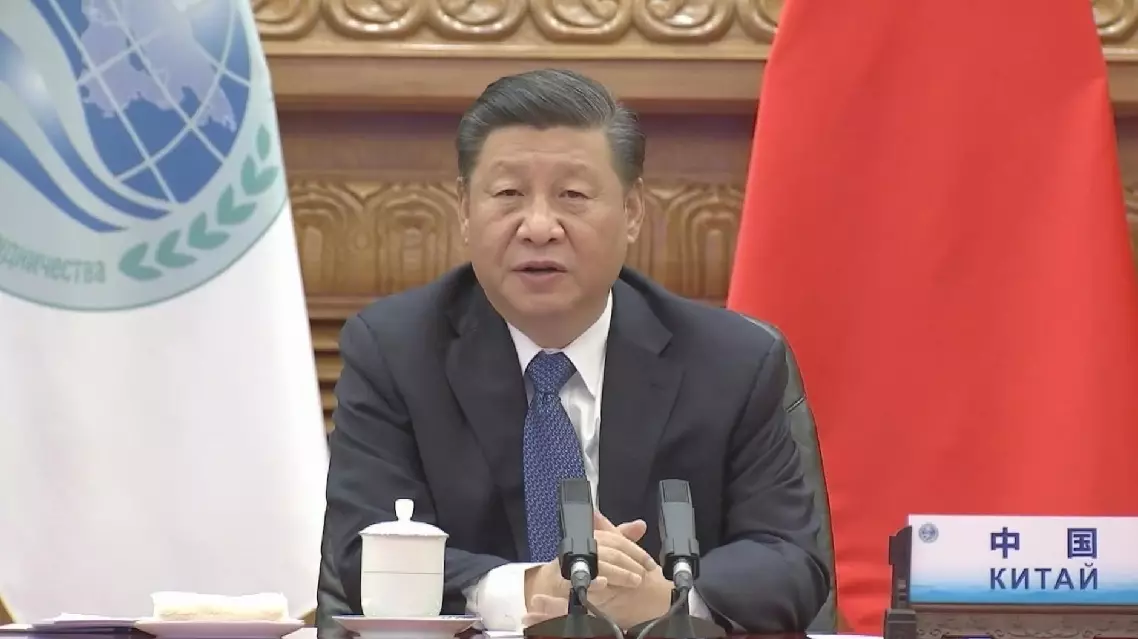
Xi expands great platform of SCO for global cooperation