ALGIERS, Algeria (AP) — Algerian firefighters are struggling against an unprecedented wave of deadly and devastating wildfires that have prompted the president to call for reinstating the death penalty for arsonists.
The fires have spread across several provinces, creating a vast front of flames stretching from the center to the far east of the country. Civil Protection units, supported by army squadrons, were still battling flare-ups in the provinces of Sétif and Guelma this week, where large swathes of forests have been burned.
Click to Gallery
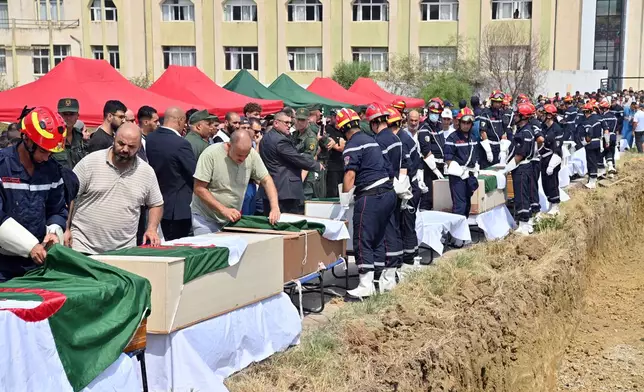
People take part in a burial ceremony for victims of wildfires, in the Djemaa Beni Habibi town in Jijel, Algeria, Friday, Aug. 28, 2026. (AP Photo)
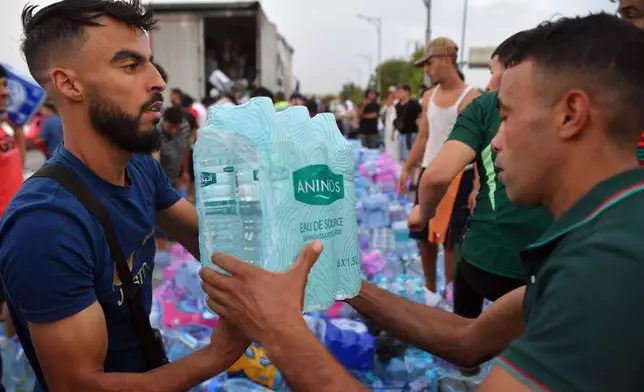
People load relief supplies in Algiers, Friday, Aug. 28, 2026, for communities affected by deadly wildfires in eastern Algeria. (AP Photo/Fateh Guidoum)
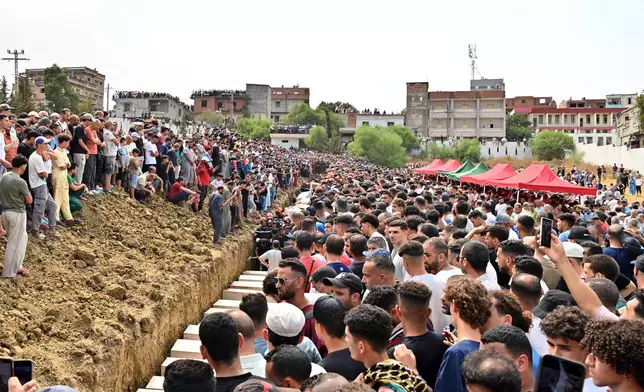
People take part in a burial ceremony for victims of wildfires, in the Djemaa Beni Habibi town in Jijel, Algeria, Friday, Aug. 28, 2026. (AP Photo)
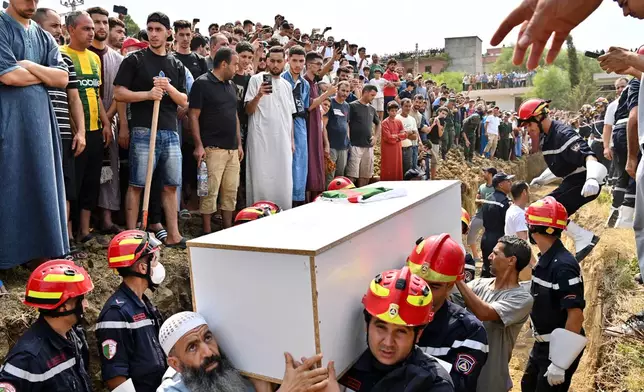
People take part in a burial ceremony for victims of wildfires, in the Djemaa Beni Habibi town in Jijel, Algeria, Friday, Aug. 28, 2026. (AP Photo)
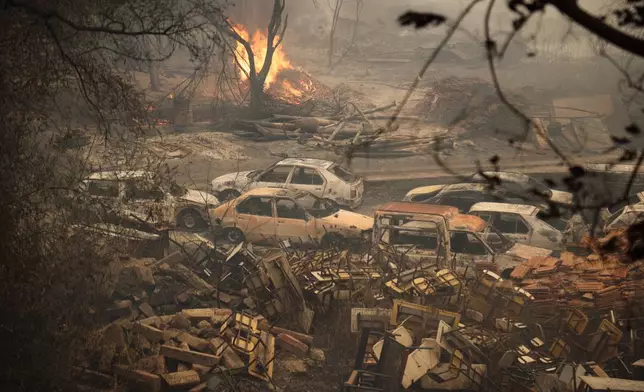
A wildfire burns through a forest in Jijel, Algeria, Thursday, Aug. 27, 2026. (AP Photo)
The province of Jijel, 200 kilometers (125 miles) east of Algiers, renowned for its fine sandy beaches, turquoise waters and hills of olive trees and fruit trees and cedars, has suffered the greatest damage.
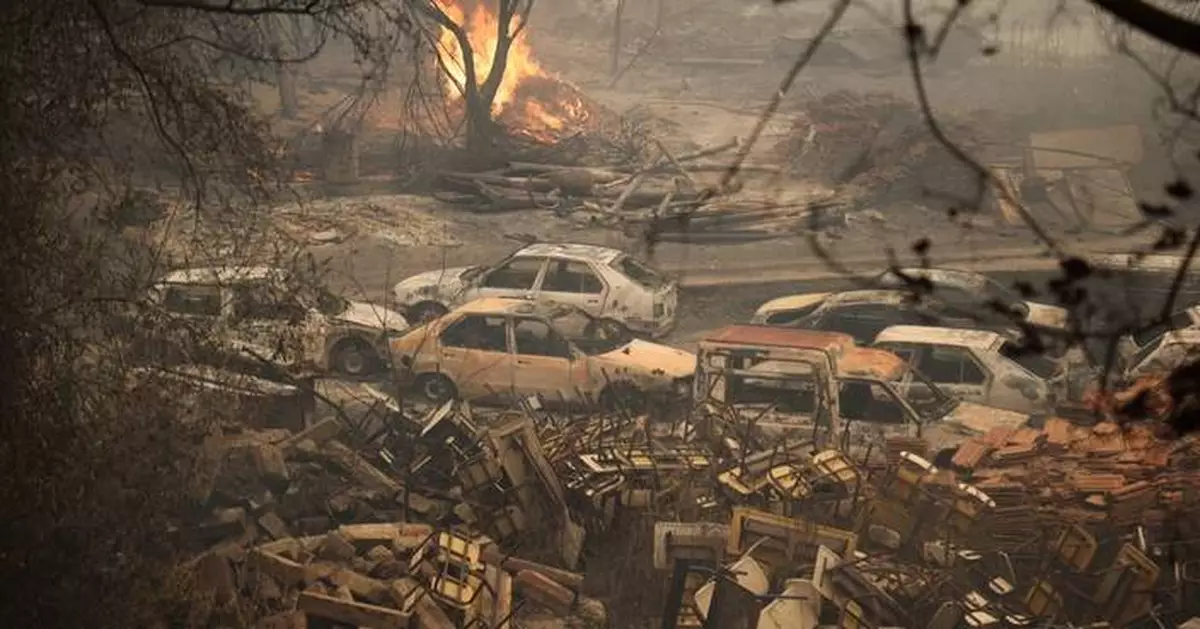
Nothing remained of the 1,200 square kilometers (460 square miles) of forests, only smoldering ashes and charred tree stumps. The official number of deaths in Jijel stood at 12, according to one of the first statements by the Interior Ministry at the beginning of the crisis at the end of August.
But the situation is far more tragic, with videos on social media showing dozens of coffins lined up beside mass graves, awaiting burial before the bodies decompose in the heat.
“I have worked in Civil Protection for 40 years. We have dealt with fires, but this is the first time we have faced such a human, environmental, and material catastrophe. There are hundreds of dead,” Lt. Djabri Said told The Associated Press.
Abdelwahab Boukrouh, a journalist with the Presidency’s Communications Directorate, announced on his Facebook page that his family, living in the mountain village of Ouled Riyah, lost 12 members during the night of Aug. 22-23, with three others missing, among them women, children and older people who were surprised by the flames in their modest homes.
Thousands of livestock, including cattle, sheep, goats, mules, and donkeys, were unable to escape. Their charred carcasses litter the steep lanes leading to the villages, while the houses have been reduced to nothing more than piles of smoking ashes.
The private and public media, all of which are under state control, have stuck to the figure of 12 deaths in their reports, while emphasizing the presence of ministers on the ground and the interventions of state institutions to assist the victims.
Faced with the catastrophe, President Abdelmadjid Tebboune interrupted his vacation to personally visit the specialized hospitals in Algiers where the severely burned victims were treated. He declared three days of mourning and convened a special Council of Ministers meeting to declare the Jijel region a “disaster area” and allocate resources to deal with the crisis.
A spontaneous wave of national solidarity has seen endless convoys of trucks loaded with food, medicines, packs of water and clothing heading toward the villages ravaged by the fire. Tebboune also announced compensation to affected families, with the state undertaking to rebuild their homes.
Priority was given to restoring schools to ensure students can return for the start of the school year, scheduled for Sept. 21.
Tebboune has rejected what he called “conspiracy theories” for the fires, instead pointing to climate-related explanations. He cited other Mediterranean countries hit by fires this summer, such as France, Portugal, Spain and Italy. Scientists warn that climate change is exacerbating the frequency and intensity of heat and dryness.
But Tebboune also mentioned “criminal hands,” announcing ongoing investigations.
He said those responsible for the fires “will be sentenced to death.” He also announced the lifting of the moratorium on the death penalty, which has been in effect since 1993, the year of the country's last executions of three Islamist militants convicted over a bloody attack at Algiers International Airport.
The parties supporting Tebboune’s presidency, as well as Islamist parties, have backed the president’s position. Parties associated with Algeria’s democratic movement and some human rights organizations, however, have strongly opposed the return of the death penalty, calling it “a retreat by Algeria into barbarism” and an attempt by those in power to evade responsibility for the failure of their management.
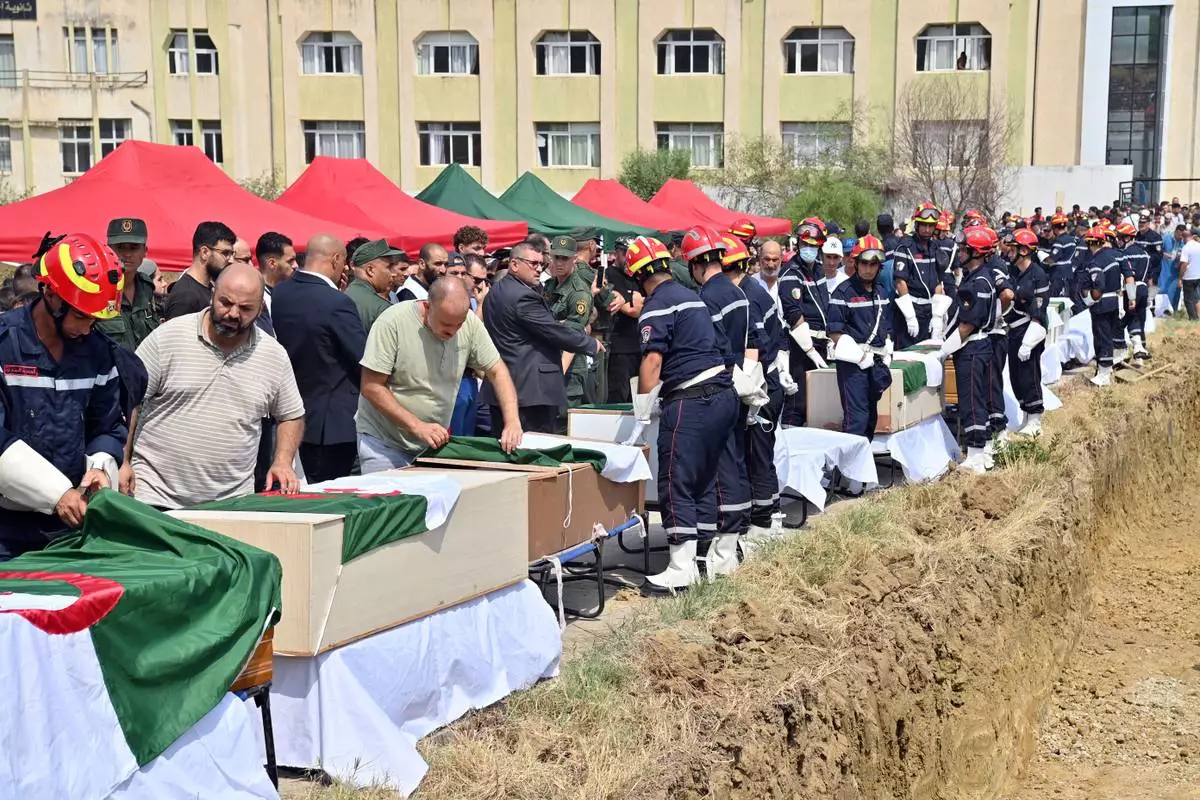
People take part in a burial ceremony for victims of wildfires, in the Djemaa Beni Habibi town in Jijel, Algeria, Friday, Aug. 28, 2026. (AP Photo)
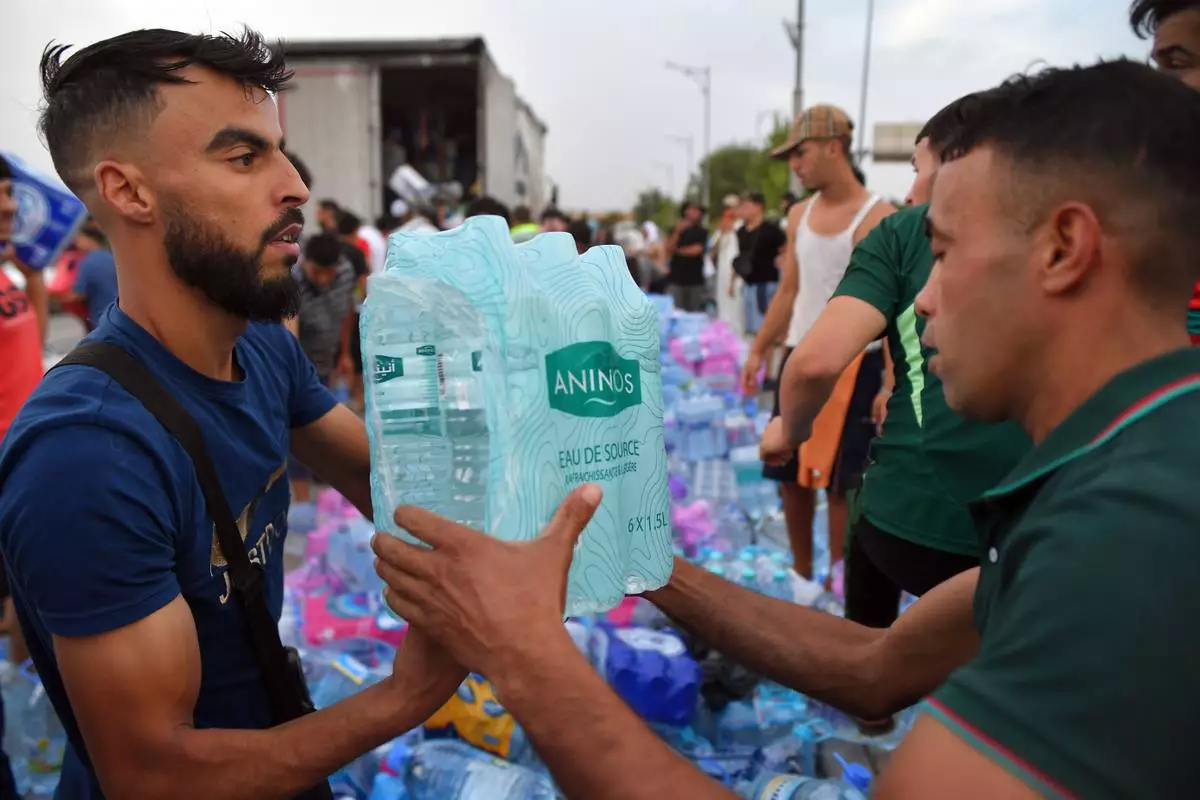
People load relief supplies in Algiers, Friday, Aug. 28, 2026, for communities affected by deadly wildfires in eastern Algeria. (AP Photo/Fateh Guidoum)
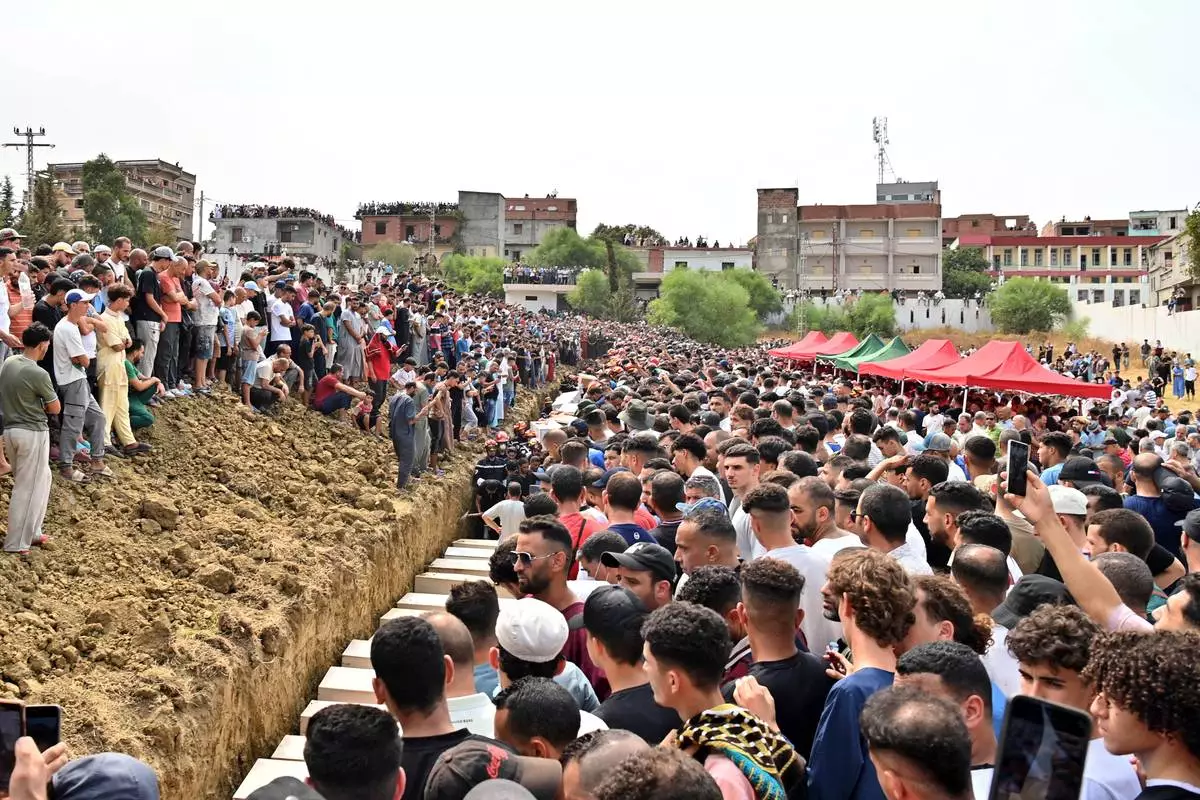
People take part in a burial ceremony for victims of wildfires, in the Djemaa Beni Habibi town in Jijel, Algeria, Friday, Aug. 28, 2026. (AP Photo)
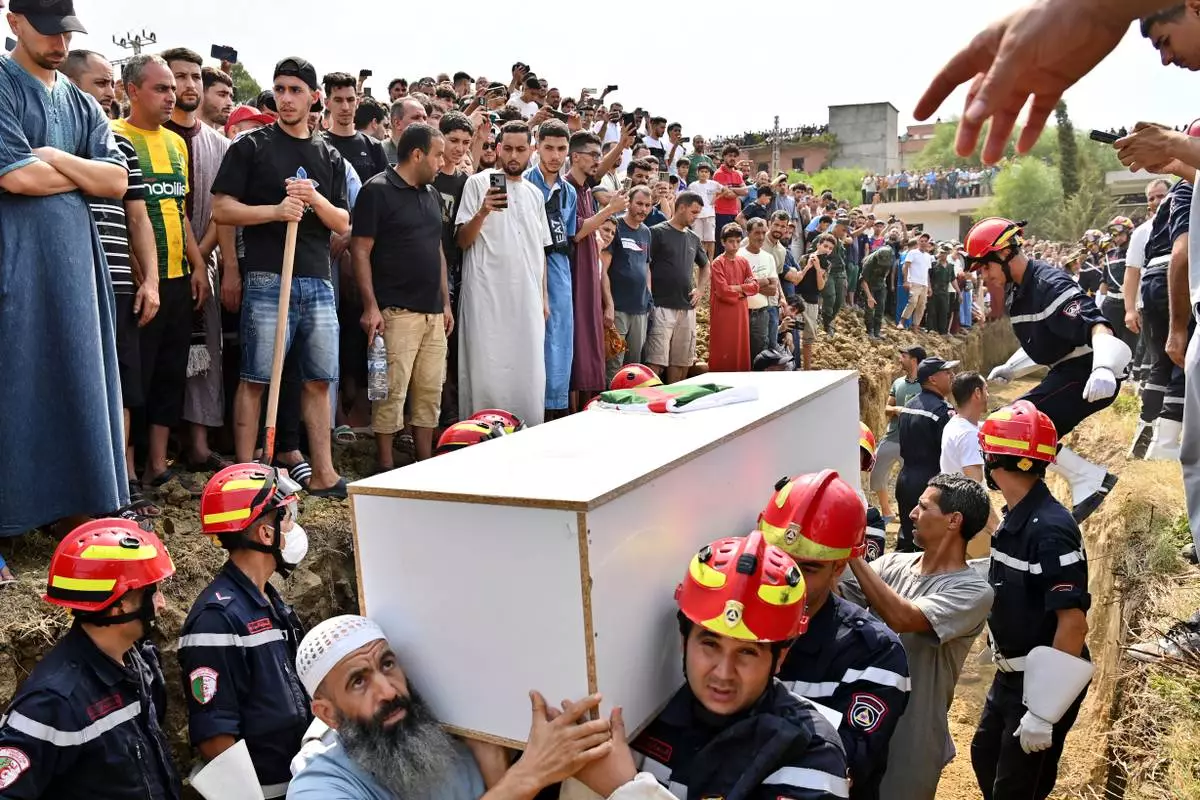
People take part in a burial ceremony for victims of wildfires, in the Djemaa Beni Habibi town in Jijel, Algeria, Friday, Aug. 28, 2026. (AP Photo)
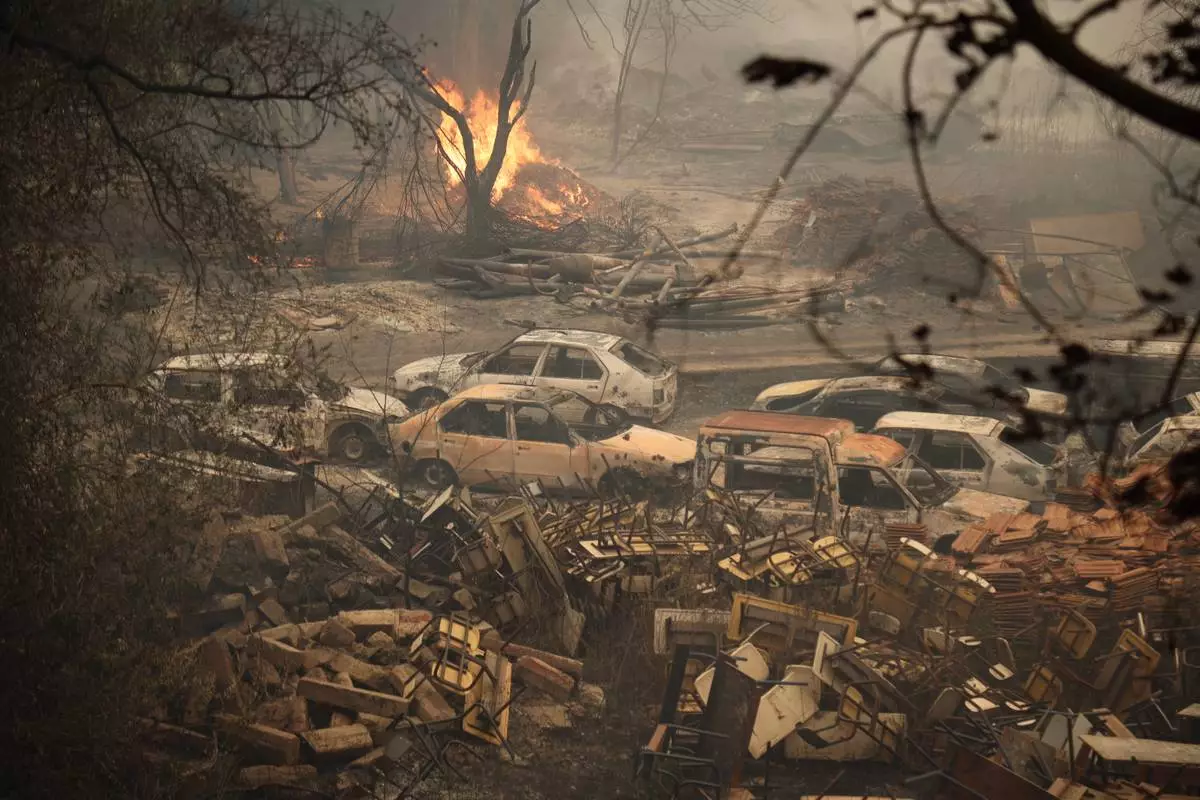
A wildfire burns through a forest in Jijel, Algeria, Thursday, Aug. 27, 2026. (AP Photo)