Japanese scholars tracing Japan's wartime chemical weapons legacy say their research is a quest not just for historical truth, but for lessons that could help prevent future conflict.
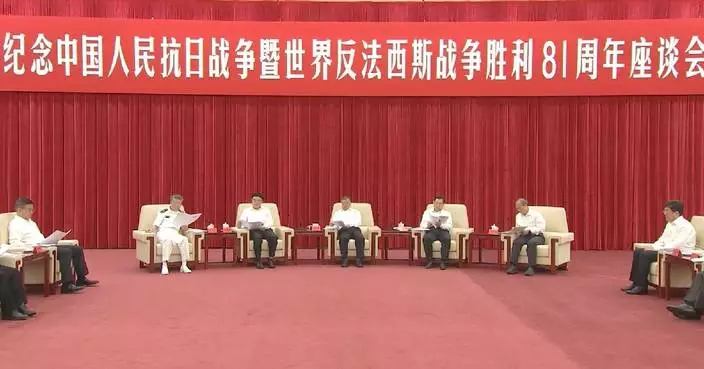
Thursday marks the 81st anniversary of the victory in the Chinese People's War of Resistance Against Japanese Aggression and the World Anti-Fascist War.
On Sept. 2, 1945, the Japanese government formally signed the Instrument of Surrender and accepted all the provisions of the Potsdam Proclamation, confirming the nature of the war of aggression launched by Japanese militarism. During the war, Japan produced poison gas, manufactured poison gas bombs, and trained personnel to engage in poison gas warfare in many places, and carried out poison gas warfare in many parts of China.
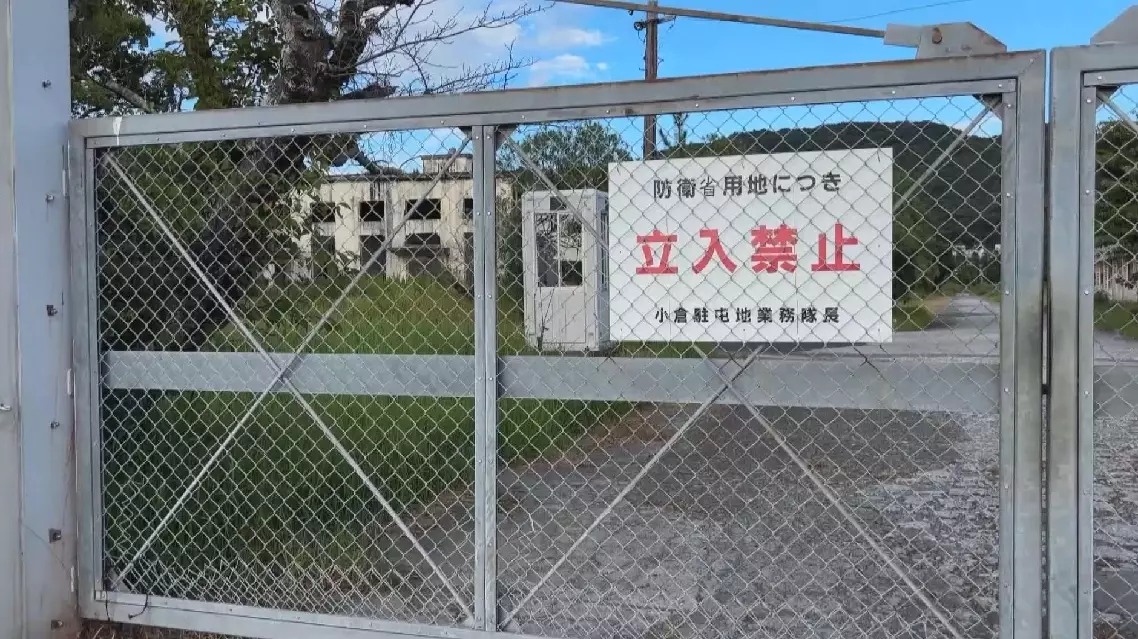
According to research of a Japanese scholar named Shinji Ito, the Sone plant, located in Kitakyushu City, Fukuoka Prefecture, was responsible for filling artillery shells with toxic chemical agents and assembling poison gas bombs.
More than 80 years ago, the plant covered an area of 16.5 hectares, equivalent to about 23 standard football fields, making it a fairly complete military production area. According to the report, between 1938 and 1944, the Sone plant completed the loading of a total of 1,612,626 poison gas shells of various types. However, when Japan surrendered, only 90,000 poison gas shells remained. The vast majority of these transported poison gas shells were used on the Chinese battlefield.
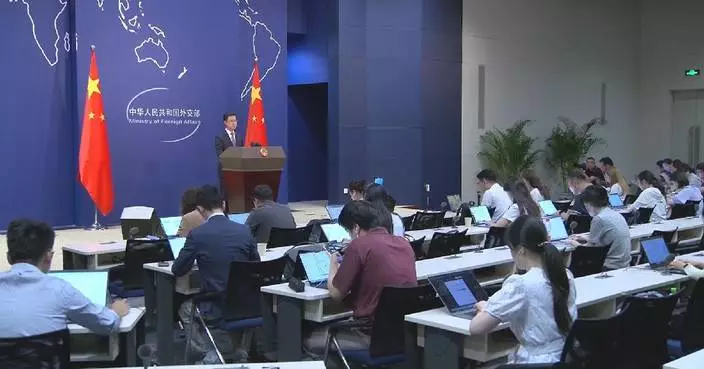
According to Chinese foreign ministry, there are more than 2,000 cases of Japanese forces using chemical weapons in China, causing more than 200,000 Chinese military and civilian casualties. After Japan's defeat, in an attempt to cover up its crimes, a large number of chemical weapons were left behind in China, resulting in more than 2,000 casualties so far and posing a serious threat to Chinese people's lives and the ecological environment.
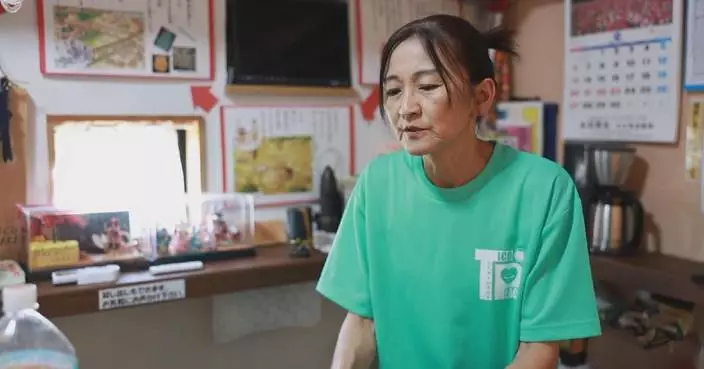
Kazuaki Harada, a Japanese scholar, has spent years investigating the production and use of chemical weapons by the former Imperial Japanese military. He has visited war-related sites across Japan and examined historical archives in an effort to reconstruct the truth behind Japan's large-scale chemical weapons manufacturing over eight decades ago. Harada emphasizes that his research is not merely an exercise in historical retrieval, but a critical endeavor to understand why humanity produces and deploys such cruel instruments of war -- and how the lessons of history might offer answers for preventing future conflict.
"If the intention wasn't to use poison gas, why build such a large-scale poison gas production facility in the first place? I think preserving it allows people to reflect on why humanity would do something so foolish. Ultimately, this poison gas has no real beneficial value. Is it acceptable to do anything to win a war?" Harada said.
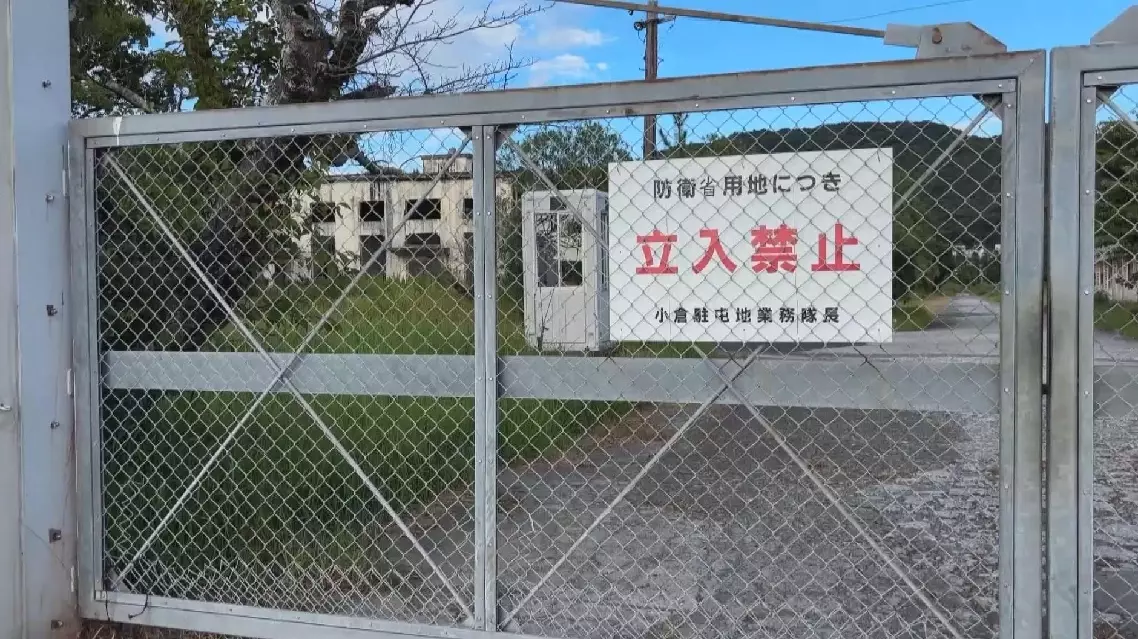
Japanese researchers uncover history of Imperial Army's chemical weapons
Japanese researchers uncover history of Imperial Army's chemical weapons