LISBON, Portugal (AP) — Lisbon inaugurated a memorial Thursday to the 16 people killed in a funicular derailment a year ago, as questions persist about the safety of the city's iconic hillside streetcars, which remain at a standstill.
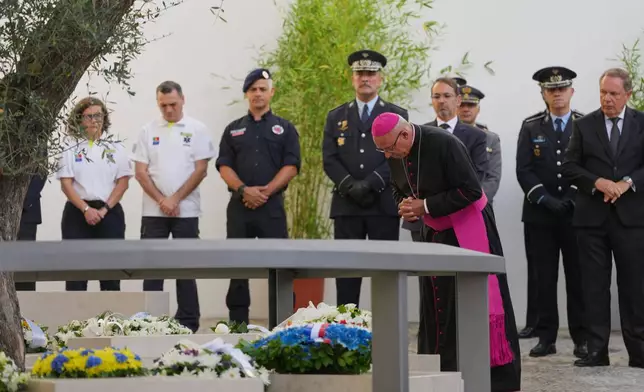
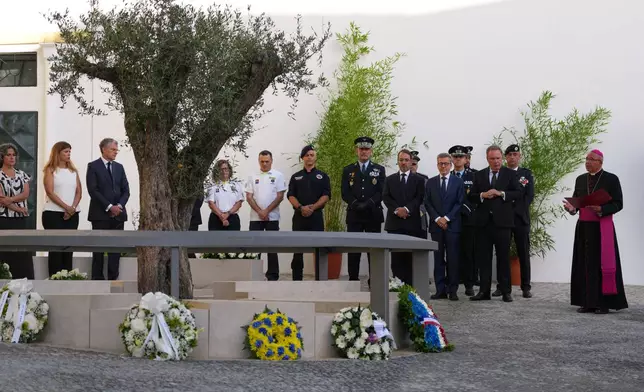
Near the crash site, a 150-year-old olive tree stood at the center of a ring of limestone blocks laid into the ground featuring the names of the victims. Foreign ambassadors laid wreaths and the Patriarch of Lisbon, a senior Catholic church official, offered a blessing.
Click to Gallery
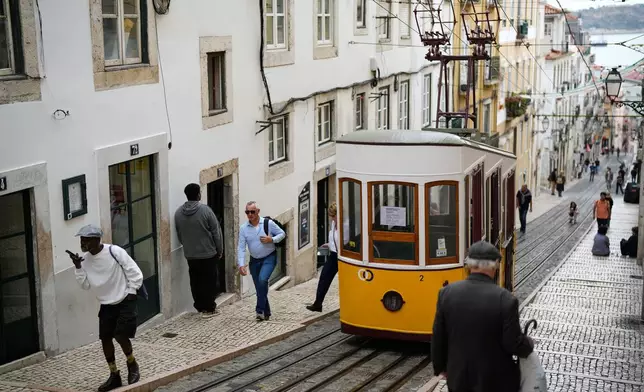
FILE - People walk past a parked Bica funicular in Lisbon, out of service after another streetcar derailed and crashed in the Portuguese capital killing multiple people and injuring several others, Oct. 30, 2025. (AP Photo/Armando Franca, File)
FILE - People look at a streetcar that derailed and crashed in Lisbon, Portugal, Sept. 4, 2025. (AP Photo/Armando Franca, File)
Lisbon patriarch bishop Rui Valério attends the inauguration of a memorial to the 16 people killed in the derailment and crash of Lisbon's Glória funicular, an iconic streetcar, on the first anniversary of the accident, Thursday, Sept. 3, 2026. (AP Photo/Armando Franca)
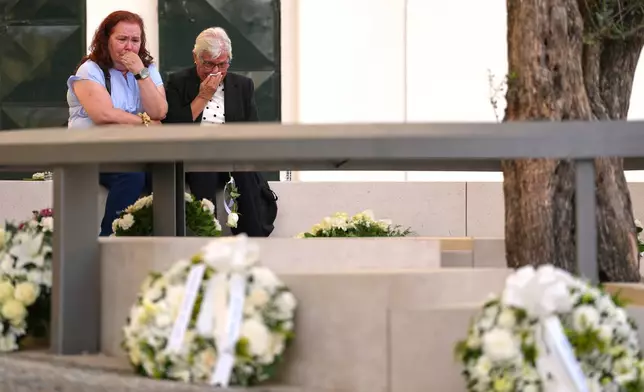
People react during the inauguration of a memorial to the 16 people killed in the derailment and crash of Lisbon's Glória funicular, an iconic streetcar, on the first anniversary of the accident, Thursday, Sept. 3, 2026. (AP Photo/Armando Franca)
Religious, military and political officials attend the inauguration of a memorial to the 16 people killed in the derailment and crash of Lisbon's Glória funicular, an iconic streetcar, on the first anniversary of the accident, Thursday, Sept. 3, 2026. (AP Photo/Armando Franca)
The accident was one of the Portuguese capital’s worst tragedies in recent memory and cast a shadow over the city’s ongoing tourism boom.
The picturesque yellow streetcar, called a funicular because it travels up and down a steep hill in tandem with a second car, is a popular tourist attraction. Authorities said that 11 of those killed were foreigners, likely tourists who stand in long lines to board it.
Lisbon attracted about 10 million tourists last year, and they are one of the city’s economic mainstays. Portugal receives around 30 million visitors each year.
Service on the Gloria funicular remains halted while the official investigation proceeds. Two other city funiculars also remain out of service during inspections. The regular streetcars that rumble through the city's streets are running as usual.
The anniversary brought renewed attention to delays in identifying the causes of the crash, which also injured 24 people, and attributing any blame.
Carris, the Portuguese company that runs the city’s road transport, said Wednesday it plans to open an international tender in the first quarter of next year for the affected funicular to be modernized, with the goal of it returning to service by 2029.
Portugal's public prosecutor's office said it hoped to publish a final report by March regarding the accident’s causes and whether there is any criminal liability.
Families of the victims complained in a letter obtained by public broadcaster RTP about “a year of silence” from authorities. They had been kept in the dark about the investigation, receiving no contact from officials, they said, according to RTP.
A preliminary report into the accident published last year said that the failure of a steel safety cable and maintenance flaws contributed to the crash. The streetcar hurtled down the hill before coming off the rails on a bend and smashing into a building, leaving the wooden cabin a crumpled wreck.
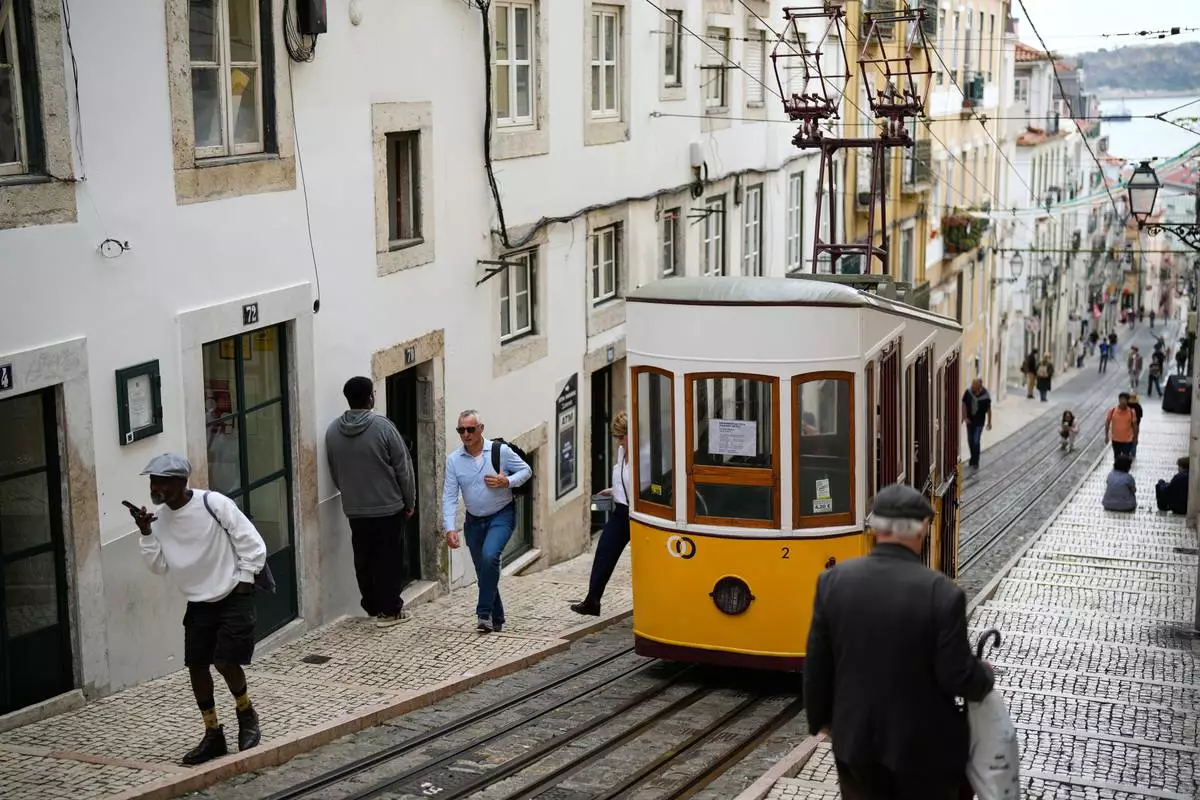
FILE - People walk past a parked Bica funicular in Lisbon, out of service after another streetcar derailed and crashed in the Portuguese capital killing multiple people and injuring several others, Oct. 30, 2025. (AP Photo/Armando Franca, File)
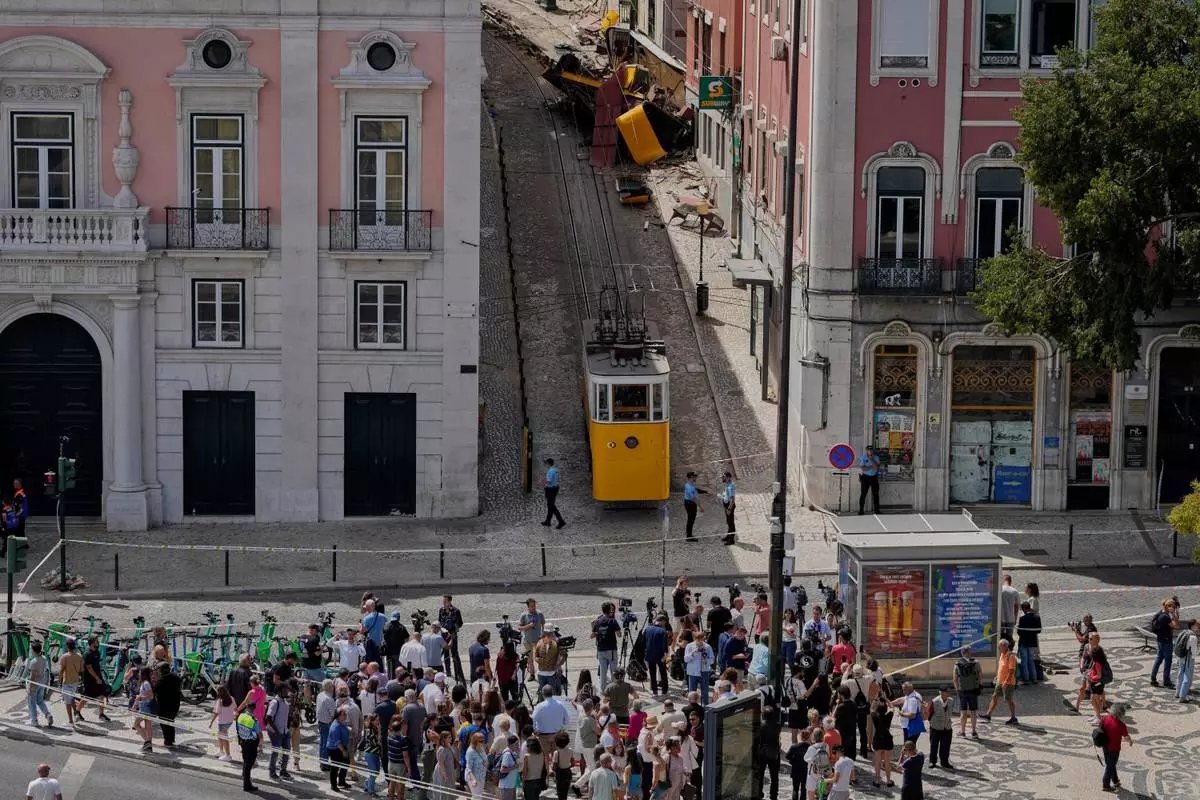
FILE - People look at a streetcar that derailed and crashed in Lisbon, Portugal, Sept. 4, 2025. (AP Photo/Armando Franca, File)

Lisbon patriarch bishop Rui Valério attends the inauguration of a memorial to the 16 people killed in the derailment and crash of Lisbon's Glória funicular, an iconic streetcar, on the first anniversary of the accident, Thursday, Sept. 3, 2026. (AP Photo/Armando Franca)
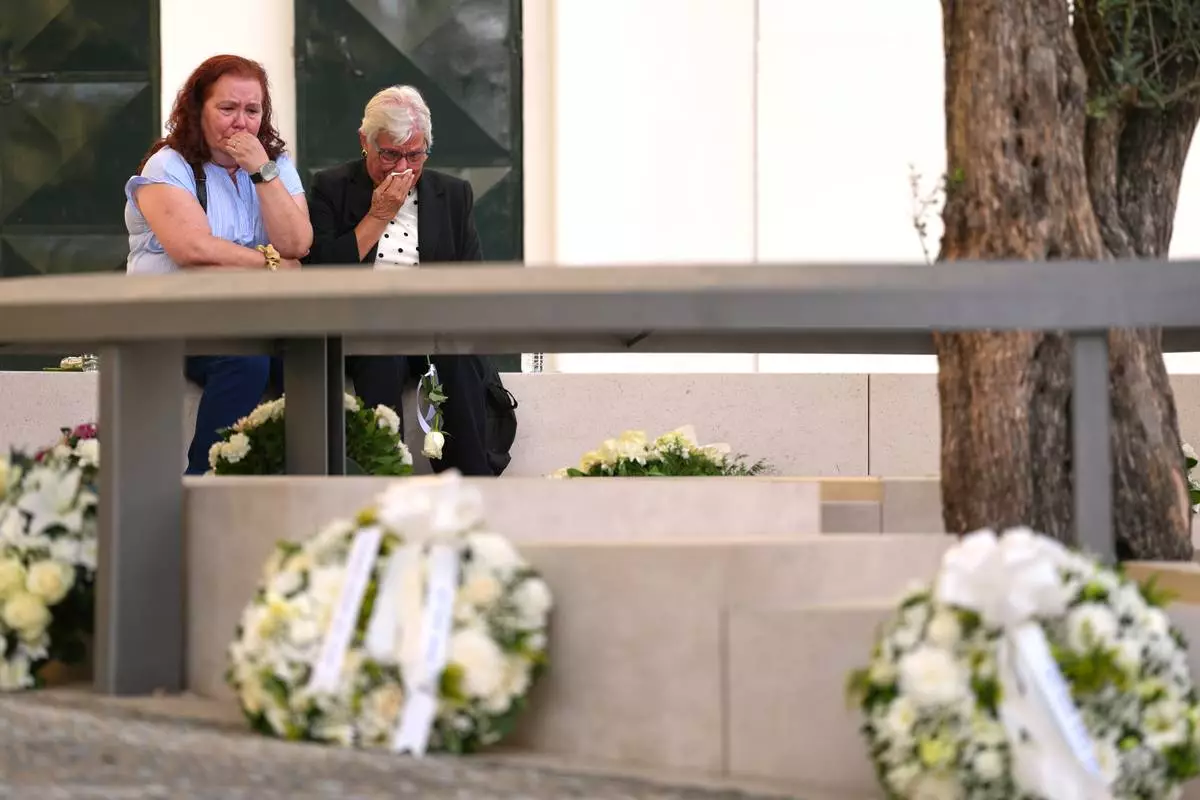
People react during the inauguration of a memorial to the 16 people killed in the derailment and crash of Lisbon's Glória funicular, an iconic streetcar, on the first anniversary of the accident, Thursday, Sept. 3, 2026. (AP Photo/Armando Franca)
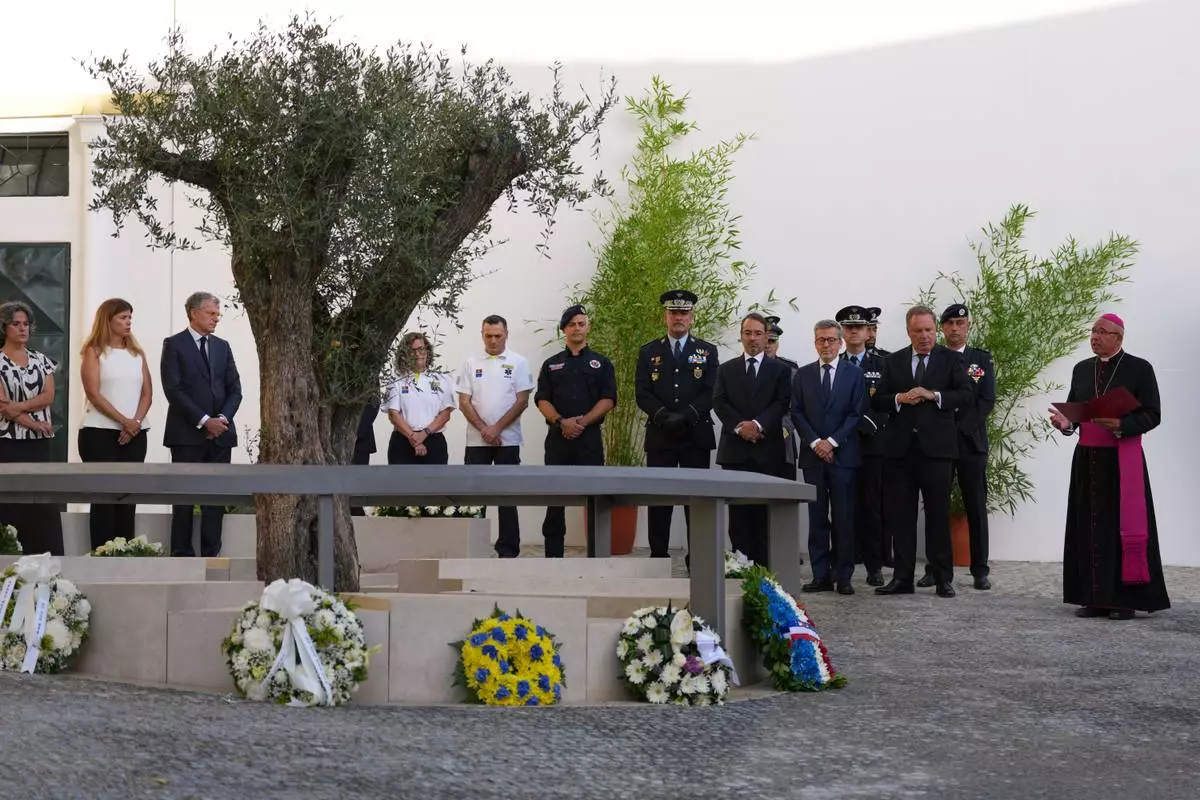
Religious, military and political officials attend the inauguration of a memorial to the 16 people killed in the derailment and crash of Lisbon's Glória funicular, an iconic streetcar, on the first anniversary of the accident, Thursday, Sept. 3, 2026. (AP Photo/Armando Franca)
SEATTLE (AP) — Aggie Clark and her partner agree on just about everything 364 days out of the year.
They go their separate ways, howefver, when the Apple Cup rolls around. The college football rivalry game between Washington and Washington State will be played for the 118th time this weekend, and it turns out that Clark went to Washington while her partner is a Washington State graduate.
“You always look forward to the Apple Cup,” Clark said. “It was that end of the year stamp on the season, and you worked up to it every year. And, it was a great way to end the season.”
Clark fondly spoke in the past tense because the Apple Cup is no longer the culmination to the regular season and Pac-12 Conference slate for both teams. Washington is preparing for its third season in the Big Ten since leaving the Pac-12 while Washington State, alongside Oregon State, has helped bring the conference back with new full-time members.
Scheduling a game between two old rivals in different leagues can't be done the same way. So that means an Apple Cup before Labor Day this year, a shift everyone is getting used to. The past two years have seen September Apple Cups, but until 2024, the rivalry game had been played in November every year except one (and that was December) since 1949.
Larry Arcia, who graduated from Washington State in 1989, used to look forward to the Apple Cup every season. But with the way Washington and other former Pac-12 universities like Oregon, USC and UCLA left for the Big Ten, Arcia believes many Cougars fans like himself have lost interest.
“A lot of my friends are like, ‘I didn’t want to play them again, I’m never going to that stadium, they screwed us over’, all that kind of stuff,” Arcia said. “I’m kind of like, ’Eh, I don’t mind playing them.' But, I’m not super excited about it, either.”
Over the past two years alone, nearly 50 Division I football programs have changed conference affiliation. In the process, these departing schools have left behind rivalry games that meant a good deal to their alumni bases.
Maryland, for instance, was a founding member of the ACC in 1953 alongside rivals like North Carolina and Duke. The Terrapins split off from the conference in 2014 to join the Big Ten, and have since faced challenges with establishing themselves in several sports over the last decade and change.
“I think Maryland has really struggled with its identity ever since, and also its ability to generate revenue,” said Victoria Jackson, a sports historian and professor of history at Arizona State. “There’s been a lot of good reporting on whether or not these moves actually serve the institutions who are convinced or looking for that golden ticket.”
Dozens of rivalries have been lost to realignment or to nine-game schedules over the last decade and change, including some of the most prominent ones in college football history.
Bedlam, the in-state series between Oklahoma and Oklahoma State, was played annually uninterrupted from 1910 through 2023, which was the Sooners' last season in the Big 12 before bolting for the Southeastern Conference. It is unclear when the series could resume.
USC and Notre Dame will not play one another again until 2030 as both schools adjust their scheduling models around the expanded College Football Playoff. The Trojans are nearing the start of their third season in the Big Ten.
Oregon, once a Pac-12 power alongside USC, has put its annual game against Oregon State on pause following its own move to the Big Ten. The Ducks and Beavers played in both 2024 and 2025, though, and plan to play one another in Corvallis in 2028.
David Tyler, an associate professor at UMass and an expert in sports rivalries, understands why Washington joined the Big Ten. The Huskies entered the conference with the understanding, though, that they would receive only a half-share of the conference’s media rights revenue until 2030. That has meant fiscal pain, including loans for the athletic department.
“Their view was, ‘Okay, it’s going to be rough right now, but in the long run, this is what is best for long-term viability of the program,’” Tyler said. “They don’t want to be University of Chicago, right?”
Unlike the University of Chicago, which deemphasized its major athletic programs in 1939, Washington has demonstrated its desire to keep up with bellwether universities in its conference like Ohio State and rival Oregon. Still, the Huskies have committed to playing against Washington State in the Apple Cup through the 2028 season while some rivalries have fallen by the wayside.
“It’s a very unique opportunity for the programs, for the state, to have the exposure,” said Washington State coach Kirby Moore. “To be on Sunday, it’ll be on NBC, I think all those things are awesome for the state of Washington."
Meanwhile, Clark fears that in 50 years, fans of both programs won’t care about the Apple Cup as much. But for now, the game is still being played, and that’s more than sufficient for a Washington fan of 45 years.
Don’t expect Washington State fans, though, to let the Huskies off the hook about why this game was devalued in the first place.
“One of our strong suits, we’re really good at hating (Washington) for anything,” Arcia said. “We want their soccer team to lose. We want their volleyball team to lose. It’s not just football.”
Sign up for Top 25 poll alerts here. Visit the Top 25 here and see AP’s full college football coverage here.
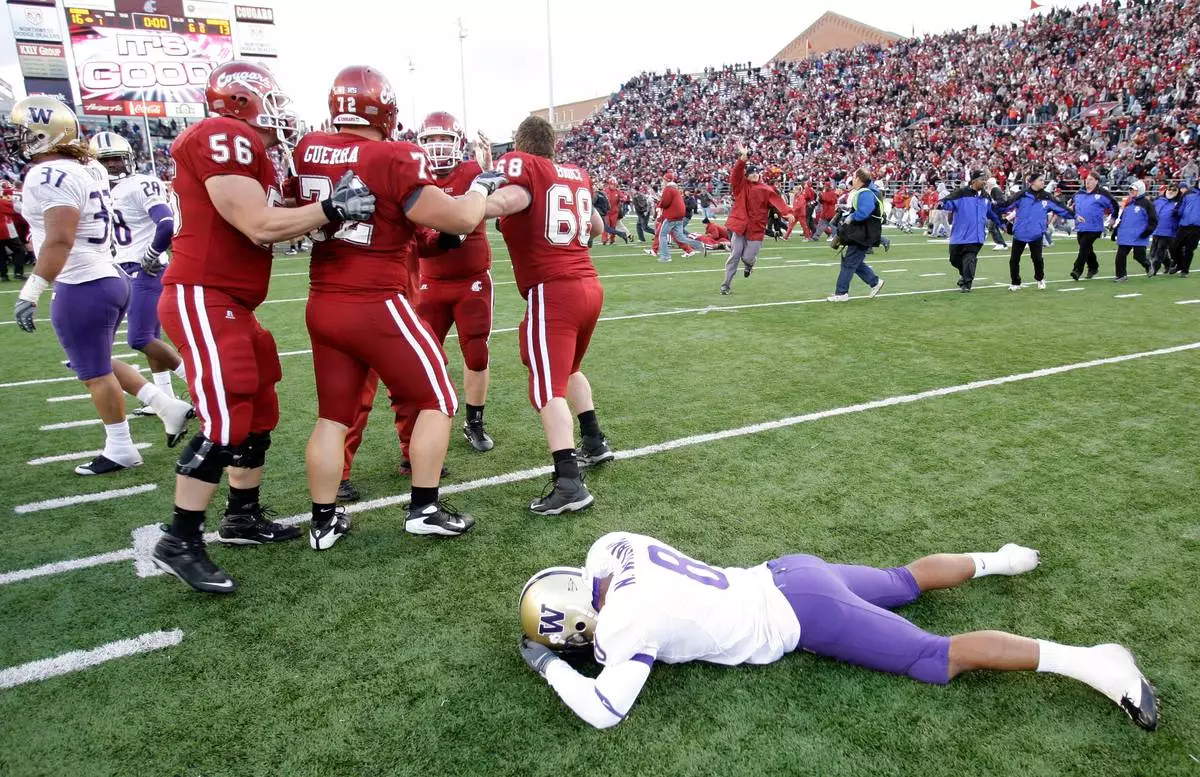
FILE - Washington free safety Nate Williams lies on the ground as Washington State players celebrate their win over Washington in double overtime, in the NCAA college football Apple Cup, Nov. 22, 2008, at Martin Stadium in Pullman, Wash. (AP Photo/Ted S. Warren, File)