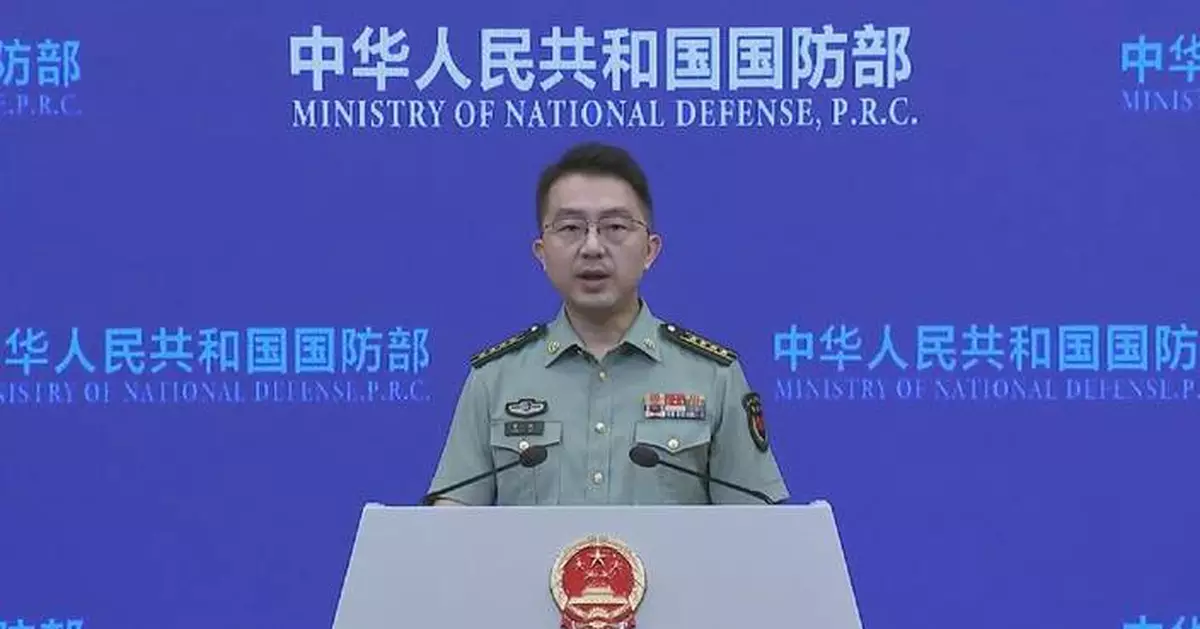
China and Laos will jointly hold a humanitarian and medical joint rescue exercise later this month, said Defense Ministry spokesman Jiang Bin at a press conference in Beijing on Friday.
The exercise, dubbed "Peace Train-2026," will be held in Laos, according to Jiang.
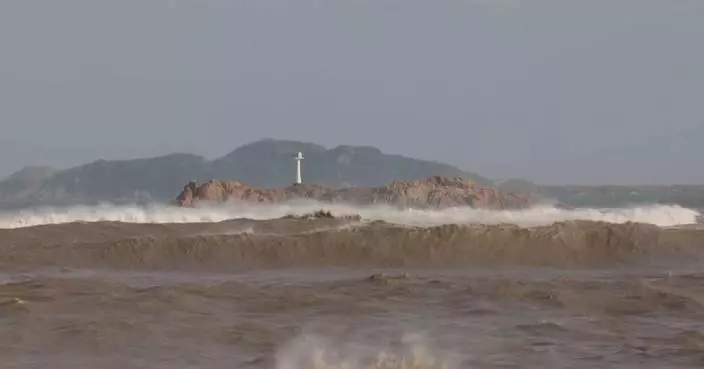
"The exercise takes international humanitarian medical rescue in a super typhoon disaster as its theme. It focuses on such training subjects as joint on-site search and rescue, casualty evacuation, health and epidemic prevention, and psychological rescue. During the event, the Chinese side will also provide medical services for Lao military personnel and civilians," said Jiang.
"As the sixth exercise of this series, it will further deepen and expand pragmatic exchange and cooperation in such fields as disaster medical rescue, tropical disease control and prevention, and infectious disease prevention and control, enhance the two militaries' capabilities in joint medical-service command, joint rescue, and joint prevention and control, and better provide quality public security goods for regional countries and peoples," said the spokesman.
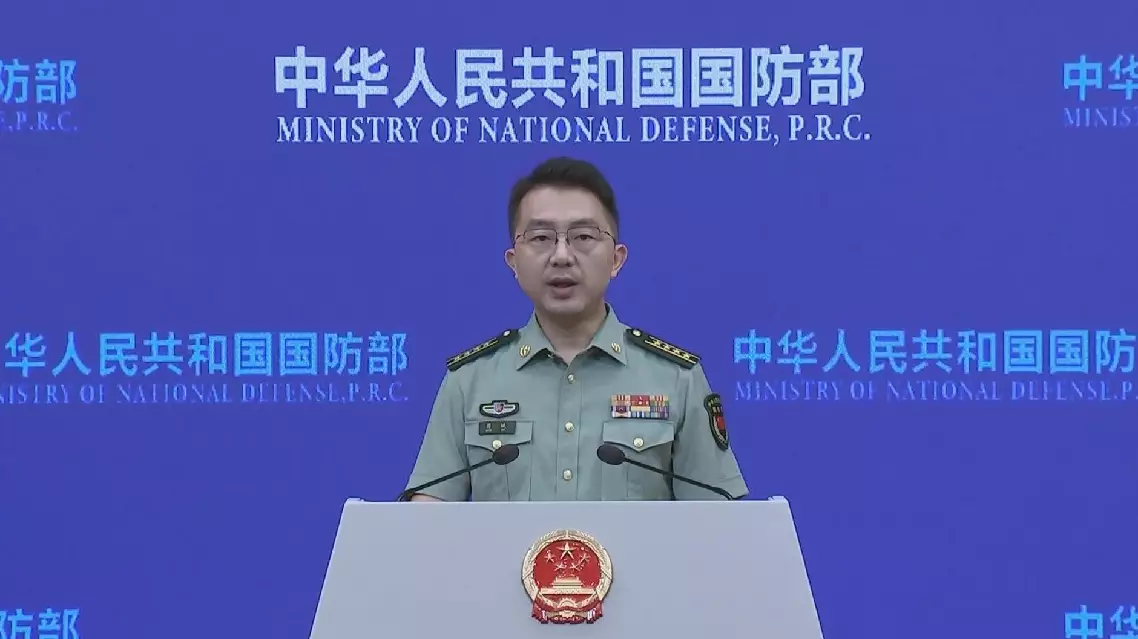
China, Laos to hold joint humanitarian, medical rescue exercise: spokesman
The second phase of China's first nuclear power project with private capital investment entered full-scale construction in east China's Zhejiang Province on Tuesday.
The start of full-scale construction of Phase II of the project was marked by the beginning of work on the main part of Unit 4 of the project, named Zhejiang San'ao Nuclear Power Project of China General Nuclear Power Corporation (CGN).
Private capital investment in the second phase of the project, which includes two units, increased to 10 percent as the country encouraged more private investment in the nuclear power sector.
The project, located in Cangnan County in the city of Wenzhou, is designed to have six units of Hualong One, a domestically developed third-generation reactor. One unit has started power generation.
After all six units are operational, the project will be capable of supplying over 54 billion kWh of clean electricity annually to the Yangtze River Delta, which covers Shanghai Municipality and the provinces of Jiangsu, Zhejiang and Anhui, all in east China, and is one of China's most economically dynamic, open and innovative areas.
When fully operational, the project will be able to meet the annual electricity demand for production and daily life of about 5.4 million people and help reduce annual coal consumption by more than 16 million tonnes and carbon dioxide emissions by 50 million tonnes, said State Grid Zhejiang Electric Power Co., Ltd.
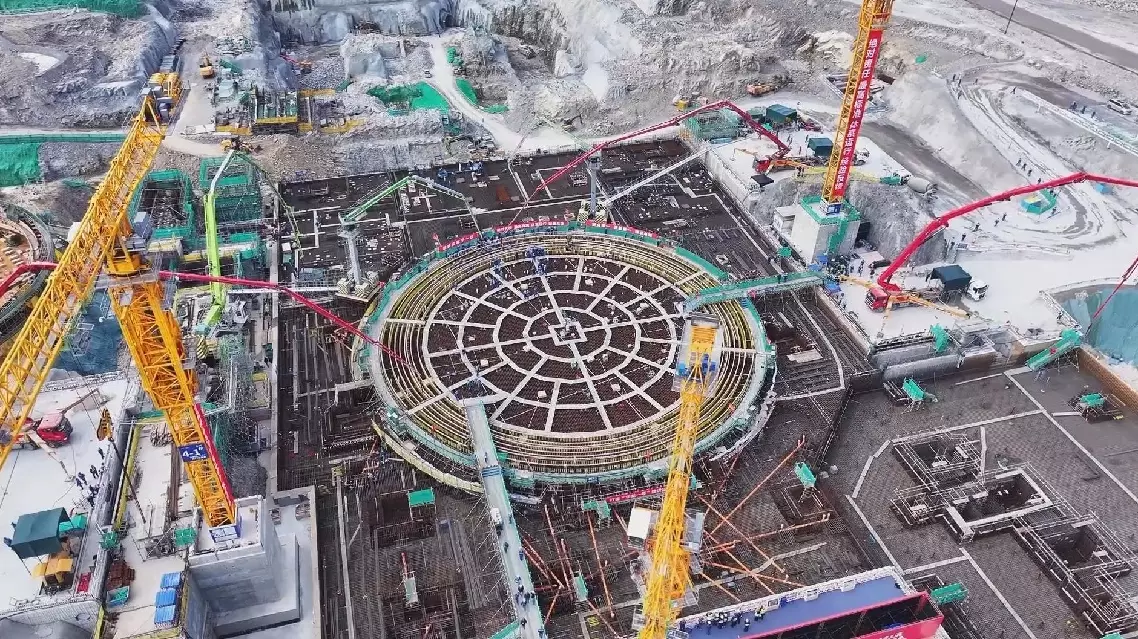
China's first nuclear power project with private investment progresses in Zhejiang