Iran's air forces attacked an aircraft carrier and a destroyer of the U.S. military with several ballistic missiles within the preceding hours after the vessels harassed Iranian ships and participated in the naval blockade against the country, the Islamic Revolution Guard Corps (IRGC) said Sunday.
The two military vessels fled the conflict zone after suffering damage, the IRGC said in a statement published by its official news outlet, Sepah News.
It warned that if the "hostile and aggressive" actions continue, the U.S. government must await "formidable" responses from the Iranian armed forces.
On Saturday night, the IRGC Navy said it had targeted three oil tankers in the Strait of Hormuz and three U.S.-affiliated vessels elsewhere in retaliation for U.S. attacks on Iranian tankers earlier in the day.
The three tankers struck in the strait were crossing the waterway via an "unauthorized" route, the navy said in a statement, adding that the other three vessels were hit in other regions.
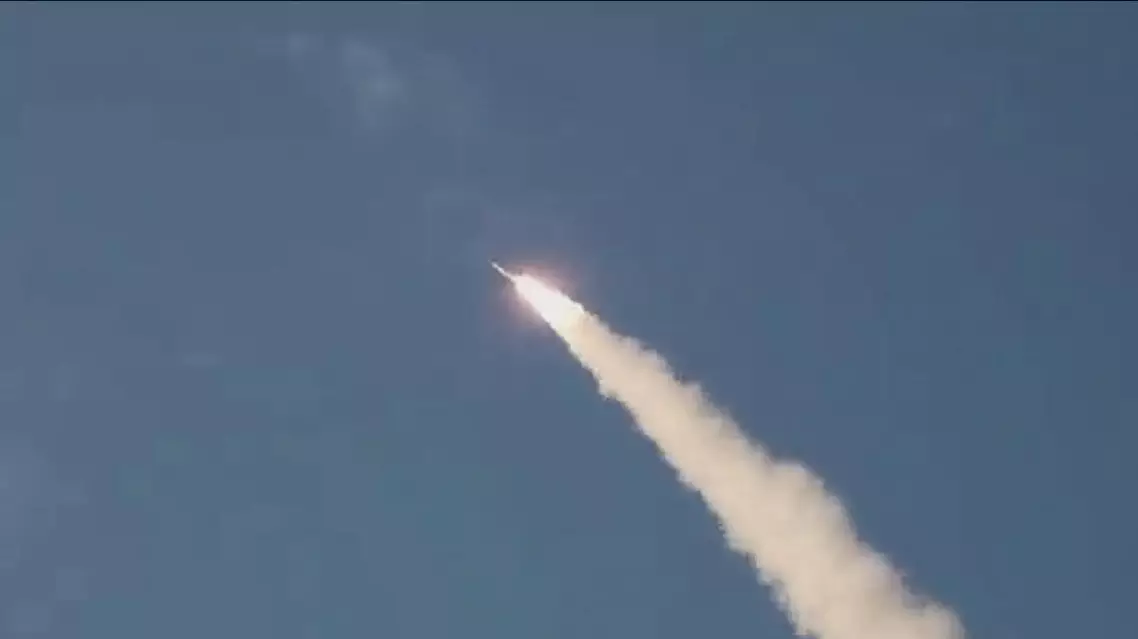
Iran's IRGC claims missile attacks on US aircraft carrier, destroyer
The International Deep Space Exploration (Tiandu) Conference run from Thurday from Friday in Hefei, capital of east China's Anhui Province, where Chinese commercial space companies laid out their plans for expanding lunar activity.
At the event, firms presented lunar ambitions ranging from rovers and robotics to rockets and visions for long-term human stays, marking what Wu Weiren, director of the Deep Space Exploration Laboratory and a Chinese academician, called "the age of commercial lunar exploration" in his opening keynote speech.
Among the active players, Galactic Energy celebrated the successful maiden flight of its medium-lift liquid rocket PALLAS-1 on Tuesday and is now preparing the larger PALLAS-2 for potential lunar and deep-space missions. Xia Dongkun, the company's executive president, said the goal is to access rare earth elements and other resources on the Moon and asteroids, which are far more abundant than on Earth.
Guangzhou-based CAS Space also shared footage of its Kinastra-1 upper stage, which is set to carry out the company's first lunar mission. The stage is expected to place a satellite into a trans-lunar transfer trajectory in the first quarter of 2027.
"Building on the successful maiden-flight verification, we will focus on advancing a three-step plan for deep-space applications -- helping unlock the trillion-yuan value of the space economy," said Zhu Qinglin, deputy chief designer of the Kinastra-1 upper stage.
Beyond technology demonstrations, the conference was aimed to lay the groundwork for sustainable and inclusive deep space exploration. Organizers announced that the China-led Cislunar CubeSat Constellation (C3) Program will be open to scientists and institutions worldwide, giving developing countries opportunities to participate in deep-space missions.
"It gets busier. We have more actors. It's more accessible in that sense, which is a good thing. But it's maybe for the first time in human history that we are trying to get to the moon with some mechanism already in place -- these principles for everyone's benefit and go there. With those principles very well understood, so that it can be, in a way or another, sustainable for the future," said Ulpia-Elena Botezatu, co-chair of UN-COPUOS Action Team on Lunar Activities Consultation.
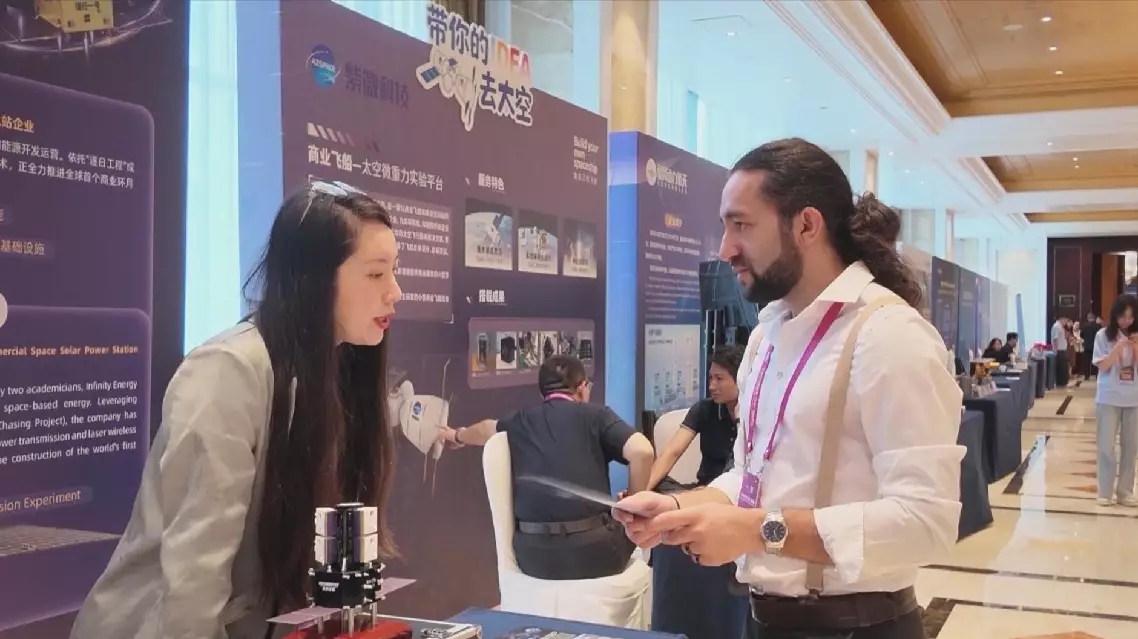
Chinese commercial space companies aim high for expanding lunar activity at Hefei conference