Skip to Content Facebook Feature Image

Secretary for Health Hails BIOHK2026 Opening, Vows to Make Hong Kong Global Biotech Hub

HK

Secretary for Health Hails BIOHK2026 Opening, Vows to Make Hong Kong Global Biotech Hub
HK

HK

Secretary for Health Hails BIOHK2026 Opening, Vows to Make Hong Kong Global Biotech Hub

2026-09-09 11:45 Last Updated At:17:26

Speech by Secretary for Health at Opening Ceremony of BIOHK2026

Following is the speech by the Secretary for Health, Professor Lo Chung-mau, at the Opening Ceremony of BIOHK2026 today (September 9):
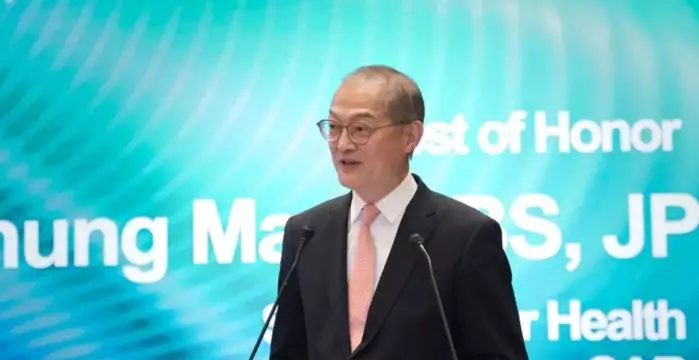
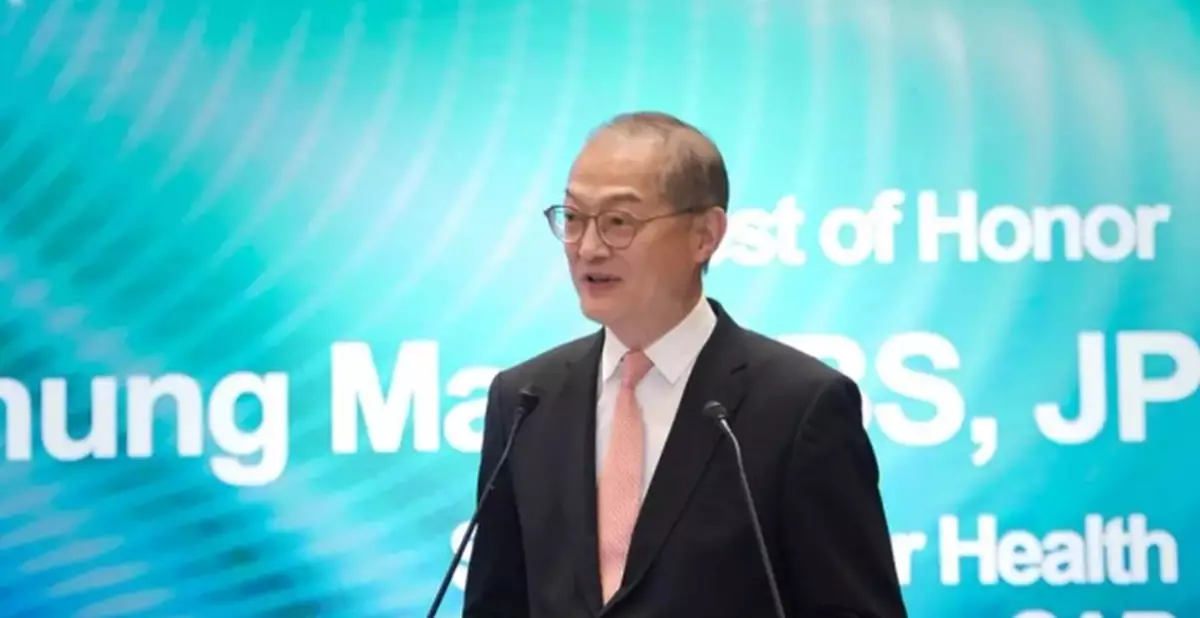
The Secretary for Health, Professor Lo Chung-mau, Photo source: reference image

The Secretary for Health, Professor Lo Chung-mau, Photo source: reference image

Professor Albert Yu (Chairman of the Hong Kong Biotechnology Organization and President of BIOHK2026), Professor Sun Dong (Secretary for Innovation, Technology and Industry), distinguished guests, ladies and gentlemen,

Good morning. It is my pleasure to join you today at the opening of BIOHK2026. On behalf of the Health Bureau of the HKSAR (Hong Kong Special Administrative Region), I would like to express my appreciation to the Hong Kong Biotechnology Organization for creating this platform that brings together world-class researchers, global pharma leaders and investors in order to advance and translate biotechnology into clinical application for better human health.

2026 is a special year for Hong Kong. In exactly a week from today, the Chief Executive of the HKSAR will announce the Policy Address and our first Five-Year Plan, in alignment with the National 15th Five-Year Plan, which has named biomedicine as one of the emerging industries of strategic importance. At the same time, Hong Kong is already on the road as we are firmly committed to becoming an international health and medical innovation hub. Biotechnology is no longer an aspiration - it is a national and regional imperative, and Hong Kong is answering that call with conviction and speed.

The National 15th Five-Year Plan clearly defines and supports the unique role of the HKSAR. Under "one country, two systems", Hong Kong serves as the "super connector" and "super value-adder". We uniquely connect the vast clinical needs and manufacturing capacity of the Guangdong-Hong Kong-Macao Greater Bay Area (GBA)- a region of 88 million people and an RMB15 trillion economy - with regulatory standards, clinical excellence, top-tier research universities, global capital, and the trusted framework of common law and robust intellectual property protection in Hong Kong. That combination is rare and powerful.

To turn frontier science into clinical reality, technological innovation must be matched by institutional and policy innovation from the Government to create a proactive and supportive ecosystem. I am proud to share our progress on this front:

First, Hong Kong will establish the Centre for Medical Products Regulation by the end of this year. Our goal is clear: to become an internationally recognised authority.

Second, we have rolled out "primary evaluation" for new drug registrations in phases since March this year, and we are moving steadfastly toward full coverage of all products by 2030.

Third, we have launched the extended "1+" mechanism in 2023. With our newly introduced priority review pathway for new drugs recommended by the Hospital Authority (HA), we are shortening evaluation timelines from 150 to 100 days, getting life-saving medicines to patients faster than ever before.

Regulation, however, is only as strong as the clinical ecosystem that supports it. Situated strategically in the Hetao Shenzhen-Hong Kong Science and Technology Innovation Co-operation Zone, we established the Greater Bay Area International Clinical Trial Institute to drive cross-border clinical trial efficiency through the national "one zone, two parks" model with its Shenzhen counterpart. Through this GBA Clinical Trial Collaboration Platform, we are accelerating multicentre trials and targeting a 30 per cent improvement in patient recruitment and trial initiation time.

Building on that foundation, we established the Real-World Study and Application Centre, in late 2025, to standardise and integrate clinical data - including real-world evidence generated under the "special measure of using Hong Kong-registered drugs and medical devices used in Hong Kong public hospitals in the GBA", which now covers 162 medical products across 71 designated GBA institutions.

To complete the loop in this ecosystem, the Hospital Authority launched the Office for Introducing Innovative Drugs and Medical Devices in June this year. This dedicated office actively engages pharmaceutical and device developers to facilitate registration and introduction of innovative medical products to the HA and address unmet medical needs of patients.

Ladies and gentlemen, whether your focus at BIOHK2026 is regulatory science, frontier therapies, AI, or cross-border Investment, Hong Kong offers the complete framework - the policy is clear, the regulatory roadmap is defined, and the clinical infrastructure is live. Hong Kong is committed to becoming an international hub for health and medical innovation.

On that note, I wish you all a most successful and rewarding BIOHK2026! Thank you.

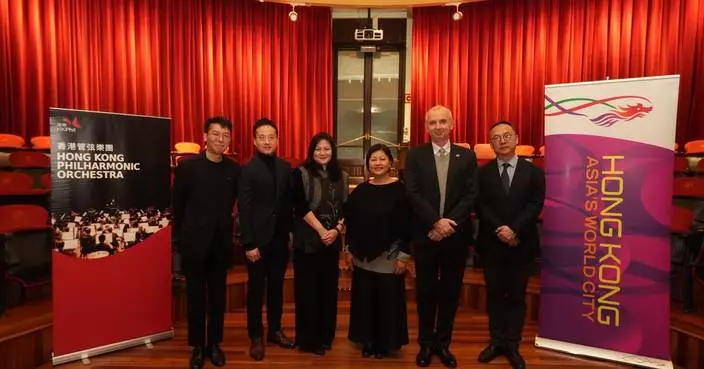
BIOHK2026, Photo source: FB@HK Bio
BIOHK2026, Photo source: FB@HK Bio
Merchant Shipping (Registration) Amendment Bill 2026 to be gazetted tomorrow

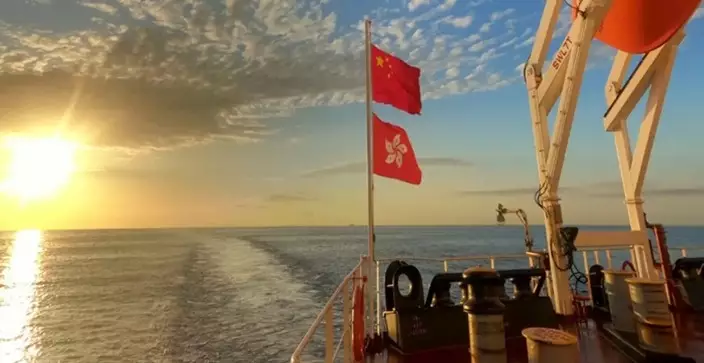
The Merchant Shipping (Registration) Amendment Bill 2026 will be gazetted tomorrow (November 27) to amend the Merchant Shipping (Registration) Ordinance and the Merchant Shipping (Registration) (Fees and Charges) Regulations to revamp the current ship registration arrangements, including the introduction of the demise charter-in and demise charter-out registration arrangements (also commonly known as the dual registration arrangement).

Announced in the Chief Executive's 2025 and 2026 Policy Addresses as well as Hong Kong's First Five-Year Plan, the revamping of the current ship registration regime aims to increase flexibility in ship registration and further promote digitalisation, with a view to deepening institutional reform and enhancing the international competitiveness of the Hong Kong Shipping Registry (HKSR), thereby consolidating and enhancing Hong Kong's status as an international maritime centre.

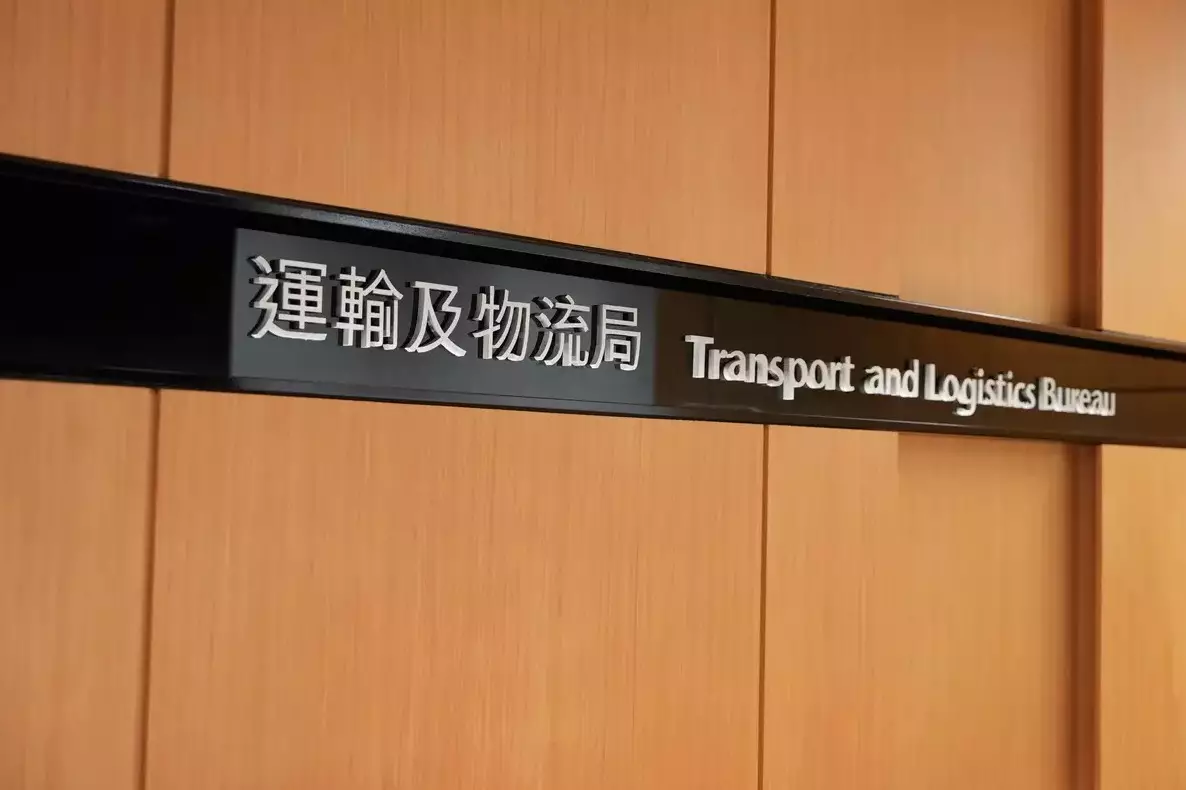
The Transport and Logistics Bureau. Photo source: reference image

The Transport and Logistics Bureau. Photo source: reference image

A spokesperson for the Transport and Logistics Bureau said, "Ship registration is a core institution in global shipping commercial activities and one of the key indicators demonstrating the overall strength of a maritime hub. The HKSR has long been known for its substantial scale and international reputation for its high quality, and ranks fifth in the world in terms of total gross tonnage. In recent years, the Government has rolled out various administrative enhancement measures to enhance service efficiency and shipowners' experience, and introduced a number of incentive schemes to attract shipowners to register their vessels in Hong Kong. In light of the increasingly competitive global ship registration market, the Government considers it necessary to revamp our ship registration regime to enhance the resilience and international competitiveness of the HKSR."

The legislative amendments under the Bill broadly cover four major themes, namely: (i) enhancing flexibility of registration arrangements; (ii) strengthening control measures to maintain fleet quality; (iii) modernising registration and related procedures; and (iv) rationalising Government processing procedures and the fee charging structure.

In particular, the Bill will introduce the dual registration arrangement, which allows a vessel with a first registration in another ship registry, where that registration is suspended, to register in Hong Kong during a demise charter, and conversely allows a Hong Kong-registered vessel to suspend its Hong Kong registration to fly another flag during a bareboat charter. This arrangement will enable the HKSR to be better aligned with the diverse business models of international shipping enterprises and be in line with other major ship registries around the world. Given that international shipowners and charterers often have different considerations when selecting a registry, the dual registration arrangement offers flexibility, enabling them to fully leverage the advantages of Hong Kong's mature financial market, robust legal system, and the sound reputation of the Hong Kong fleet, thereby attracting a broader range of international shipowners, charterers and leasing companies to use Hong Kong for ship registrations. The HKSR will identify potential partners among reputable ship registries of strategic value for collaboration.

"The proposed legislative amendments will attract more quality vessels to register in Hong Kong, supporting the development of Hong Kong's high value-added maritime services ecosystem; strengthen the integrity, control capability and international standing of the HKSR to consolidate the high-quality brand of the Hong Kong flag; and enhance the overall competitiveness of the HKSR to reinforce Hong Kong's position as a leading international maritime centre," the spokesperson added.

The Government has consulted the Legislative Council (LegCo) Panel on Economic Development on relevant legislative proposals in June this year and has maintained close communication with the sector and relevant stakeholders, including the Hong Kong Maritime and Port Development Board, to listen to their views.

Photo source: HKSAR Government Press Releases

Photo source: HKSAR Government Press Releases

The Bill will be introduced into the LegCo for First Reading on December 9.

Recommended Articles