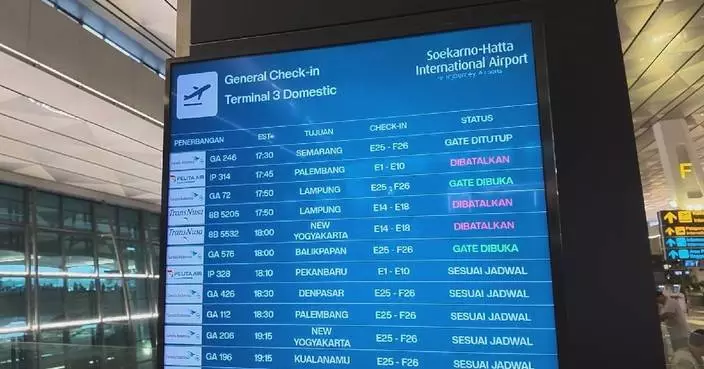
China's border inspection authorities processed a total of 499 million inbound and outbound passenger trips in the first eight months of 2026, up 8.7 percent year on year, official data showed on Thursday.
Of the total, 242 million entries and exits were made by mainland residents, 196 million made by Hong Kong, Macao and Taiwan residents, and 61.287 million made by foreign nationals, up 10 percent, 8.9 percent and 19.5 percent year on year, respectively.
Among foreign nationals entering China, 23.72 million entered visa-free, accounting for 77.6 percent of all foreign entries and marking a 26.8 percent increase year on year.
Border authorities inspected 28.148 million trips by various means of transportation, up 15 percent year on year. This included 665,000 flight trips, 75,000 train trips, 306,000 ship journeys, and 27.102 million motor vehicle trips, up 0.5 percent, 5.6 percent, 4.1 percent and 15.6 percent over the same period of last year, respectively. In recent years, the National Immigration Administration has rolled out a series of measures to facilitate cross-border movement of people and support high-level opening-up and high-quality development. These measures have significantly shortened clearance times for both Chinese and foreign travelers and transportation vehicles, while continuously improving port clearance convenience.

China sees surge in cross-border passenger trips in first eight months
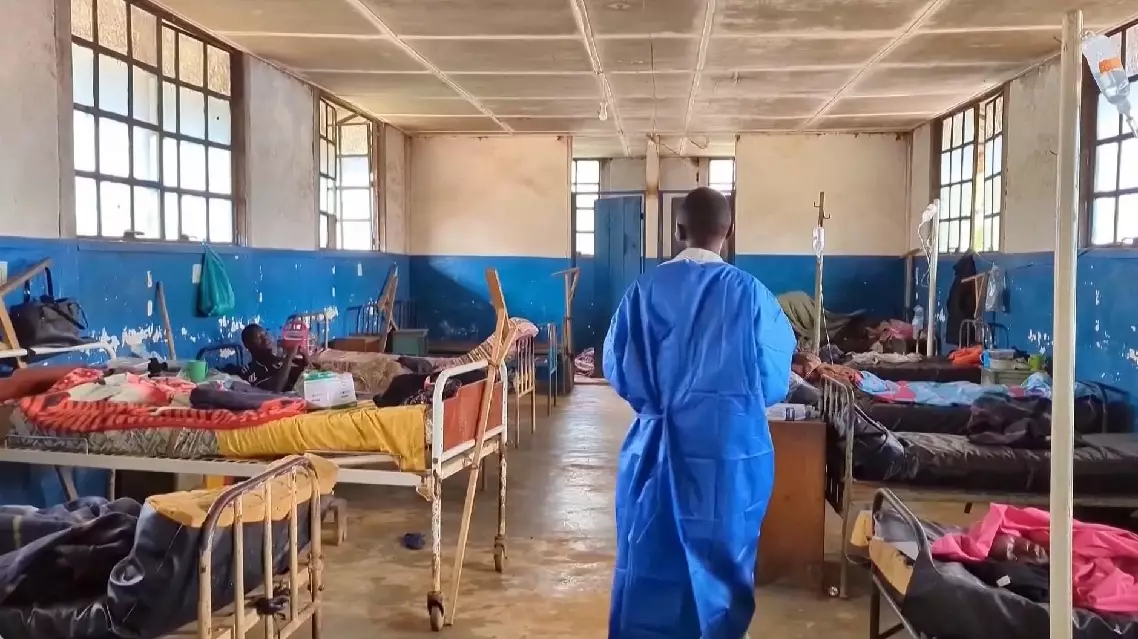
The Democratic Republic of the Congo (DRC) has reported over 6,700 confirmed Ebola cases, with a severe hunger crisis in the country compounding difficulties in outbreak response, health authorities and aid agencies warned on Wednesday.
According to data released Wednesday by the DRC's National Institute of Public Health, the current Ebola outbreak has claimed 3,267 lives out of the 6,757 confirmed cases, resulting in a fatality rate of about 48.3 percent.
In the past 24 hours alone, 71 new cases and 41 deaths were reported. A total of 27 patients recovered from their illness, bringing the total number of recovered patients to 1,590.
The outbreak has now spread to 61 health zones across six provinces: Ituri, North Kivu, South Kivu, Haut-Uele, Bas-Uele and Tshopo. Ituri Province remains the epicenter of the crisis, accounting for roughly 80 percent of all confirmed cases.
Meanwhile, the World Food Programme (WFP) warned on Wednesday that a severe hunger crisis in eastern DRC is exacerbating the challenges of containing the disease.
David Stevenson, WFP Country Director for the DRC, highlighted the dire situation in Ituri Province, where more than half a million people are currently facing severe food insecurity.
"That's one notch short of mortality from starvation," he said.
Stevenson emphasized that hunger undermines people's willingness and ability to adhere to health protocols. He also warned that many Ebola patients, particularly those in remote areas, lose their chance of survival simply because they are too far away from lifesaving treatment centers.
The WFP urges the international community to increase financial support, build more treatment centers, and deliver food assistance to remote areas.
The U.N. agency calls for a comprehensive approach that integrates food assistance with medical services and community-based prevention efforts to effectively contain the outbreak.
Confirmed Ebola cases top 6,700 in DR Congo as severe hunger hampers outbreak response