Rising energy prices have raised people's daily expenses in Belgium as factors such as the Middle East situation and the international energy supply chain affect the energy market, according to local media analyses.
The price increase has put pressure on people's daily transportation, with rising gasoline and diesel prices leading some consumers to consider purchasing electric vehicles (EV).
However, an EV may not be a cheaper choice. Market statistics show that the average price of public fast chargers in Belgium is approximately 0.72 euros per kilowatt-hour in August. Considering that an EV consumes 18 kilowatt-hours per 100 kilometers, it would cost about 13 euros to travel 100 kilometers.
In contrast, home chargers are usually cheaper, so if one mainly relies on public fast chargers, the energy cost savings may not be as significant as expected.
Meanwhile, the pressure faced by traditional fuel vehicle owners has become even more pronounced. In late August, the maximum retail price of 95-octane gasoline in Belgium approached 2 euros per liter, and diesel exceeded 2.30 euros per liter. In September, fuel prices rose again.
"The most impact that I have is on the price of the diesel because I use my car a lot, so the price is increased. For example, my budget was 200 euros a month for my car. Now it's doubled, so it's going around 400," said a resident.
The impact of rising energy prices on consumers is expanding to multiple areas.
In Wallonia, one of Belgium's three regions, the current fixed price for electricity has risen by an average of 15 percent compared to July, and the fixed price for natural gas has increased by 26 percent. For a family, such changes in electricity and gas prices mean an annual increase of approximately 610 euros in expenditure.
"A few years back, we had a little house and we paid 150 euros per month for gas and electricity. Now we pay 300 or 400 per month," said another resident.
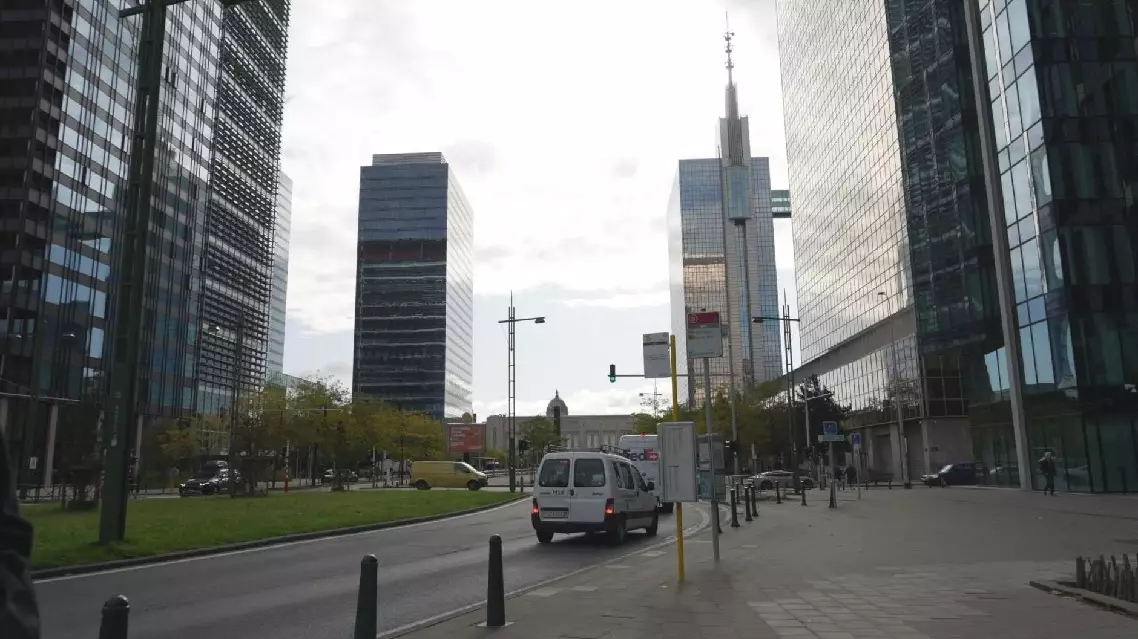
Rising energy prices impact people's daily life in Belgium