THERMAL, Calif.--(BUSINESS WIRE)--Sep 10, 2026--
Coulson Aviation is moving forward with EmberWorks, its dedicated innovation division created to turn real-world operational challenges into new capabilities for aerial firefighting, aviation, and emergency response.
This press release features multimedia. View the full release here: https://www.businesswire.com/news/home/20260910644135/en/
First introduced at the Aerial Fire Fighting Global Conference in Rome earlier this year, EmberWorks formalizes an approach to innovation that has existed throughout Coulson’s history. From aircraft modification and mission-system development to programs such as C-130 airtanker, Boeing 737 Fireliner, and CH-47 Chinook helicopter, Coulson has long developed solutions in response to real-world operational needs. EmberWorks builds on that history by giving this approach a dedicated structure and a broader path forward.
What sets EmberWorks apart is its position within an active global aerial firefighting organization. Across the wildfire industry, specialized technologies such as fire retardant, airborne sensing, and mission systems are typically developed independently. EmberWorks brings these disciplines together with direct access to the people, aircraft, and infrastructure needed to develop, integrate, and evaluate new capabilities in an operational setting.
“The fire service does not need technology for technology’s sake. It needs information and tools that fit the way people actually operate on an incident,” said Stu Sprung, Vice President of EmberWorks. “We can start with an operational problem, work directly with the people experiencing it, develop a solution, and evaluate it in the environment where it ultimately needs to perform. That feedback loop is fundamental to EmberWorks.”
While wildfire and aerial firefighting are the immediate focus, EmberWorks is structured around operational challenges rather than a fixed portfolio of technologies, allowing the division to pursue new capabilities as agency requirements and operating environments evolve.
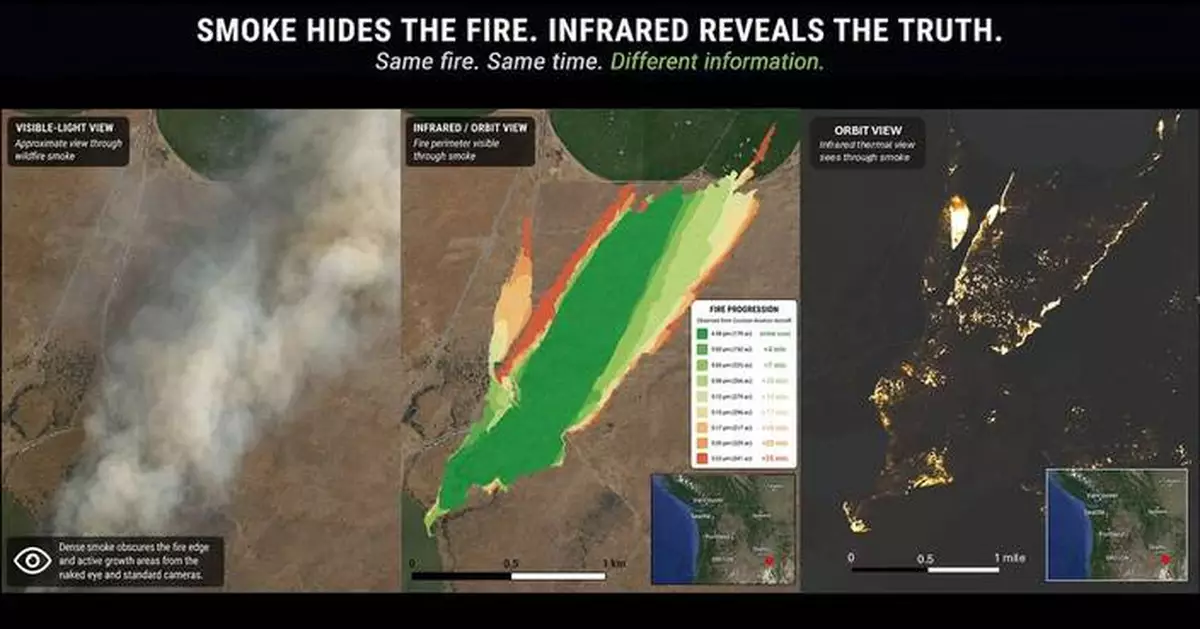
That work is already underway. In airborne intelligence, EmberWorks is developing ORBIT, a sensing and mission technology designed to make operational aircraft active contributors to the incident intelligence picture. Initial systems are installed aboard two tactical aerial supervision aircraft, providing an operational platform to develop and evaluate capabilities that can improve situational awareness and decision-making. Additional applications are being implemented for Coulson’s C-130 and 737 airtankers and helicopter platforms.
EmberWorks is also advancing suppression science through Coulson Fire Retardant, which combines advanced chemistry with decades of aerial firefighting and retardant delivery experience to develop next-generation suppression solutions. Beginning with CFR HALO, the program brings real-world operational insight to the development of improved burn resistance, coverage consistency, aircraft compatibility, operational efficiency, and greater operating margins for flight crews.
“Coulson has spent decades developing solutions because the operation demanded something better,” said Britt Coulson, President and COO of Coulson Aviation. “EmberWorks gives that mindset a dedicated home. We have the aircraft, the operators, the technical expertise, and the operational environment to develop and test new ideas within our own organization, creating a direct path from identifying a problem to proving a solution.”
As EmberWorks moves forward, Coulson plans to introduce new programs and partnerships as they reach meaningful development, testing, and operational milestones. Its first programs are focused on wildfire challenges shared by agencies around the world, with the model designed to address a broader range of aviation and emergency-response challenges over time.
About EmberWorks
EmberWorks is Coulson Aviation’s innovation division, created to develop and integrate technologies that advance aviation, improve emergency response, and solve complex operational problems. It brings operators, engineers, scientists, software teams, and aircraft together to develop technology around real operational needs. For more information: emberworks.com
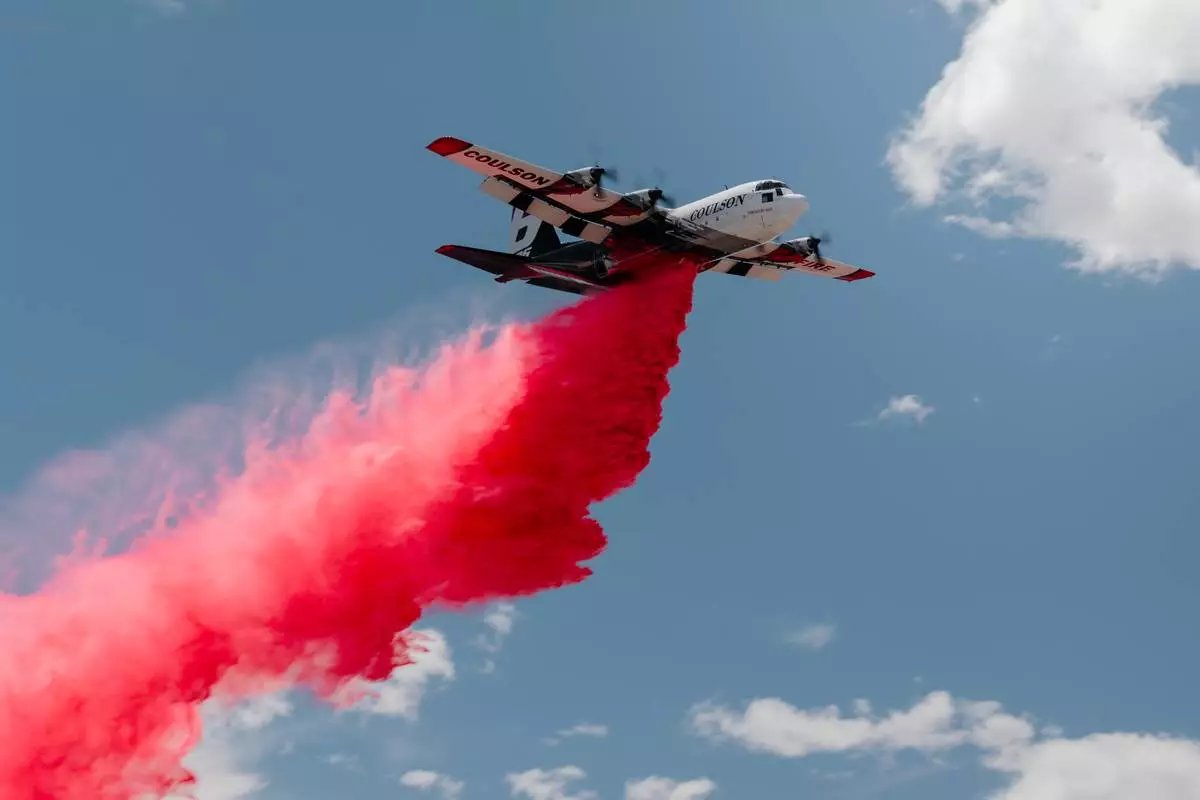
A Coulson Aviation C-130 airtanker conducts an aerial drop of CFR HALO, a next-generation fire retardant developed through Coulson Fire Retardant and EmberWorks.
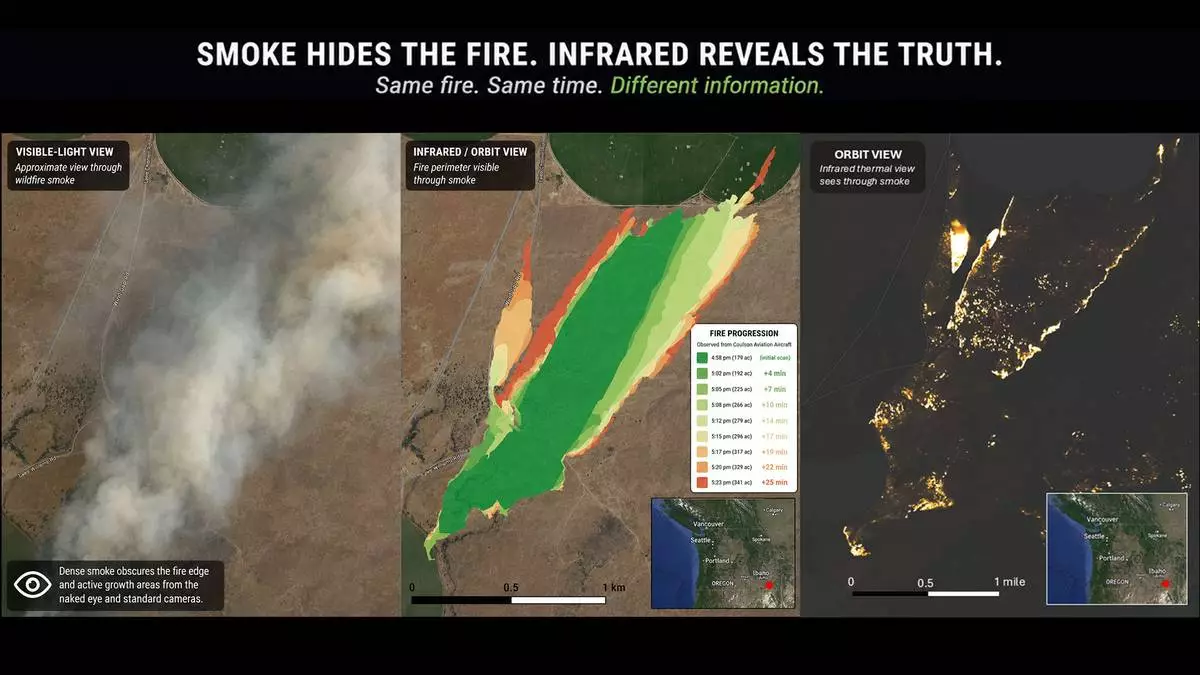
Comparison imagery demonstrates how ORBIT uses airborne thermal sensing and automated processing to identify wildfire activity and generate geolocated fire intelligence.
MANILA, Philippines (AP) — Rescuers struggled on Thursday to get into a passenger ferry that had caught fire and burned overnight off the western Philippines, leaving five people dead and 86 missing, officials said. By nightfall, search and rescue operations were halted but were to resume in the morning.
So far, 43 people have been rescued, coast guard spokeswoman Commodore Noemie Cayabyab said. The ferry MV June Aster was afloat but listing off the town of Coron after the fire that started on Wednesday evening. Smoke still rose from the charred vessel by midday Thursday.
Cayabyab said authorities were still trying to confirm reports that two foreigners were onboard, checking the names on the manifest and coordinating with local government officials and the shipping company on the identities of the fatalities, survivors and missing.
According to the manifest, 134 people were onboard, 117 of them passengers and 17 crew. The vessel had a capacity to carry 306 passengers and 27 crew.
The 53-meter-long ferry had sailed from the capital of Manila and was near its destination of Coron in Palawan province when the fire was reported by the shipping company around 6:45 p.m. on Wednesday, the coast guard said.
Rescuers have been trying to enter the ship but have encountered difficulty because of thick smoke. “Our objective now is to enter the ship, to check the situation so we can assess the situation,” Cayabyab said.
Later on Thursday evening, search and rescue operations were suspended and will resume in the morning, she added.
Cayabyab said it was unclear what caused the fire, which one survivor said may have begun in the cargo hold, and the coast guard was coordinating with the shipping company and maritime authorities to get more details.
The survivor reported “a loud explosion, then followed by smoke and fire,” she added. “As per the testimony of the survivor, everything happened quickly; within seconds the fire spread.”
A coast guard ship and high-speed response boats were joined in the search and rescue by a military vessel and other government boats, volunteers and fishermen.
The coast guard made a radio broadcast to ships nearby to be on the lookout for passengers of the ferry. It has also coordinated with coastal villages in case some passengers drifted to the shore.
Images of the Wednesday night rescue efforts showed coast guard personnel tossing life jackets to survivors as the ferry burned in the background. Passengers were helped into smaller boats taking them to shallow water, and body bags were laid out at what looked like a port.
Bad weather and big waves challenged rescuers. The ferry was around 4 nautical miles (7.4 kilometers) off the village of Turda when it sent a distress signal but strong sea currents had dragged it to a distance of 7.68 nautical miles (14.2 kilometers) off Turda.
Coron is a popular tourist destination known for clear blue waters, limestone cliffs and rock formations.
Ferries are frequently used for transport in the Philippine archipelago. Sea accidents are not uncommon due to storms, badly maintained vessels, overcrowding and spotty enforcement of safety regulations, especially in remote provinces.
In 1987, the ferry Dona Paz sank after colliding with a fuel tanker in the central Philippines, killing more than 4,300 people in the world’s deadliest peacetime maritime disaster.
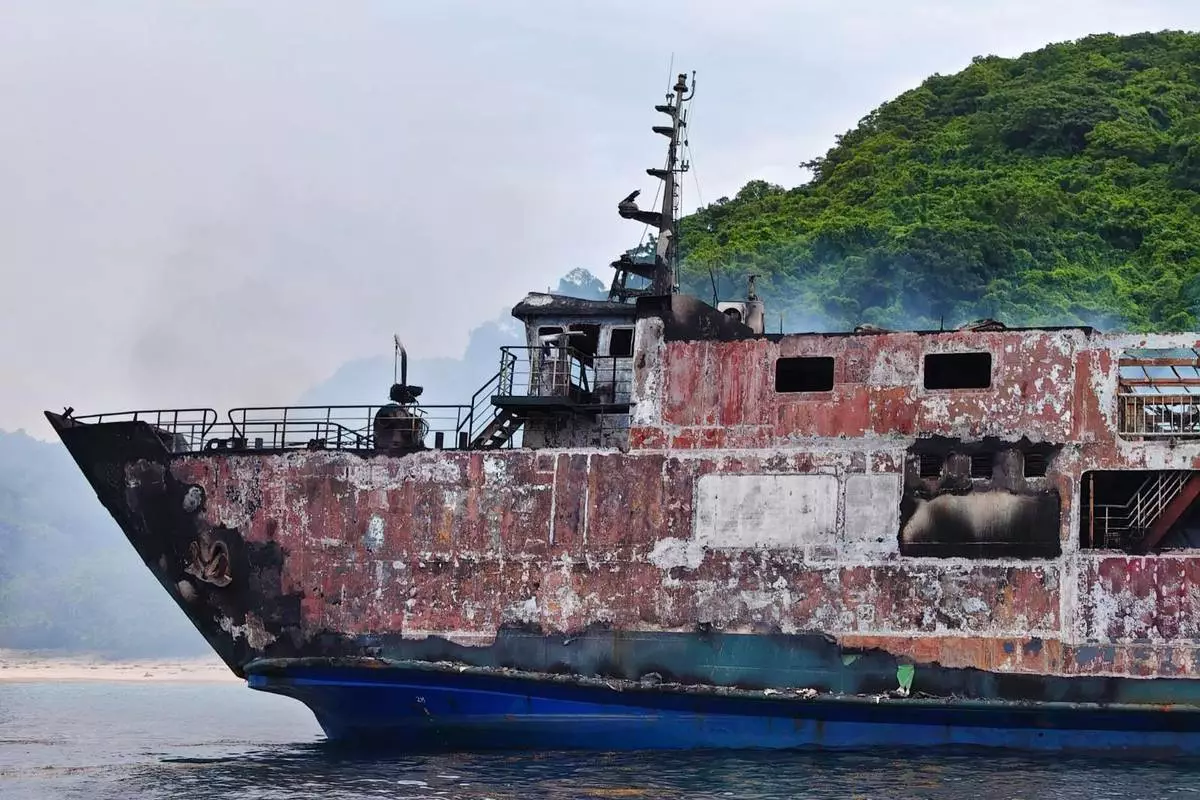
This photo provided by the Philippine Coast Guard, shows remains of ferry MV June Aster that caught fire off Palawan province, western Philippines on Thursday Sept. 10, 2026. (Philippine Coast Guard via AP)
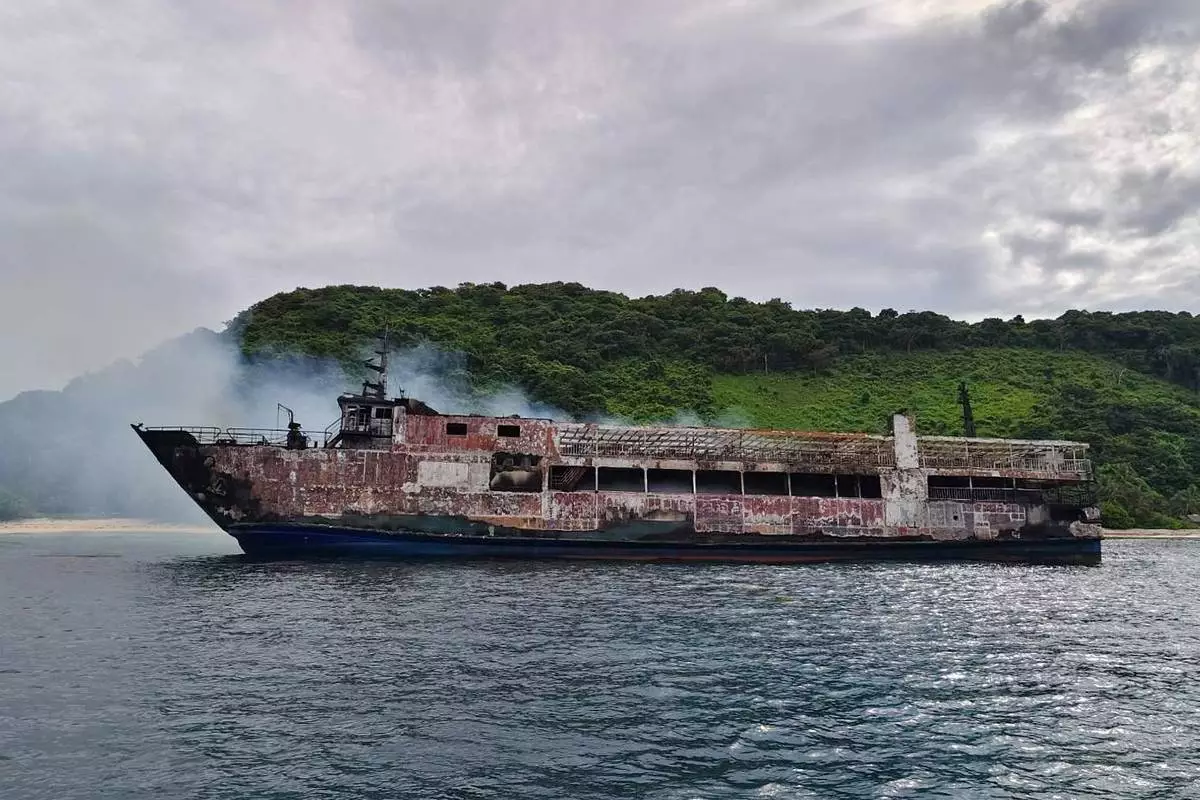
This photo provided by the Philippine Coast Guard, shows remains of ferry MV June Aster that caught fire off Palawan province, western Philippines on Thursday Sept. 10, 2026. (Philippine Coast Guard via AP)
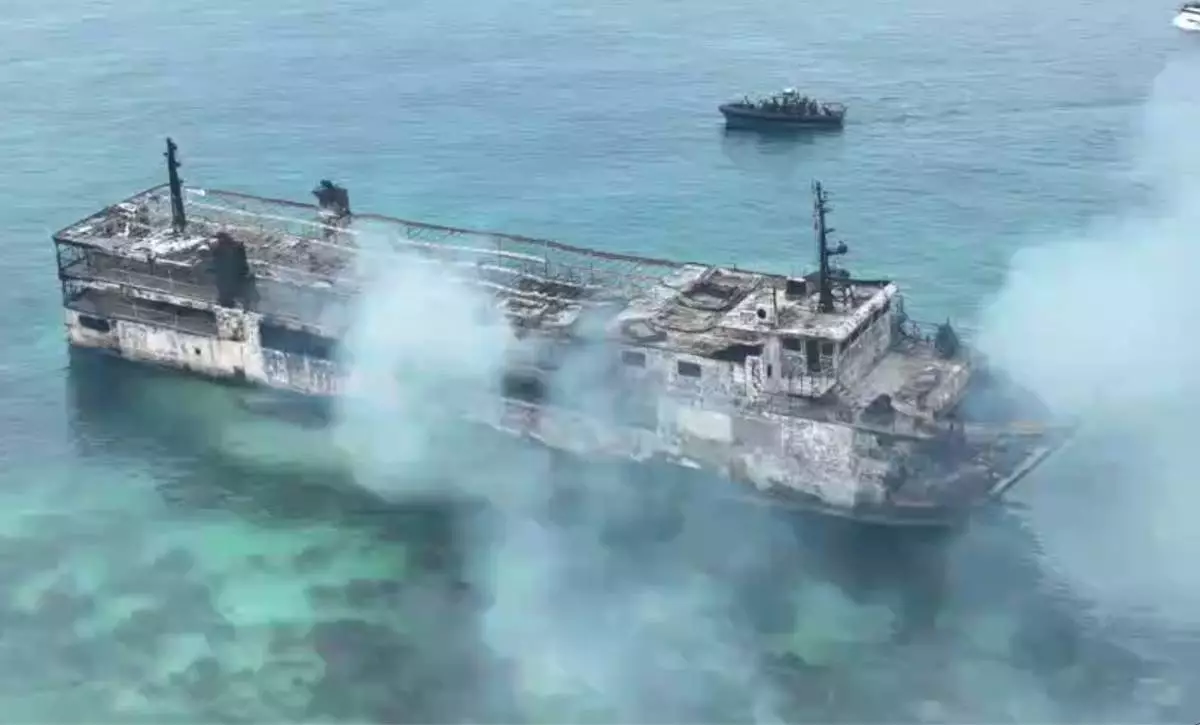
In this image taken from video provided by the Philippine Coast Guard, remains of ferry MV June Aster that caught fire off Palawan province, western Philippines on Thursday Sept. 10, 2026. (Philippine Coast Guard via AP)
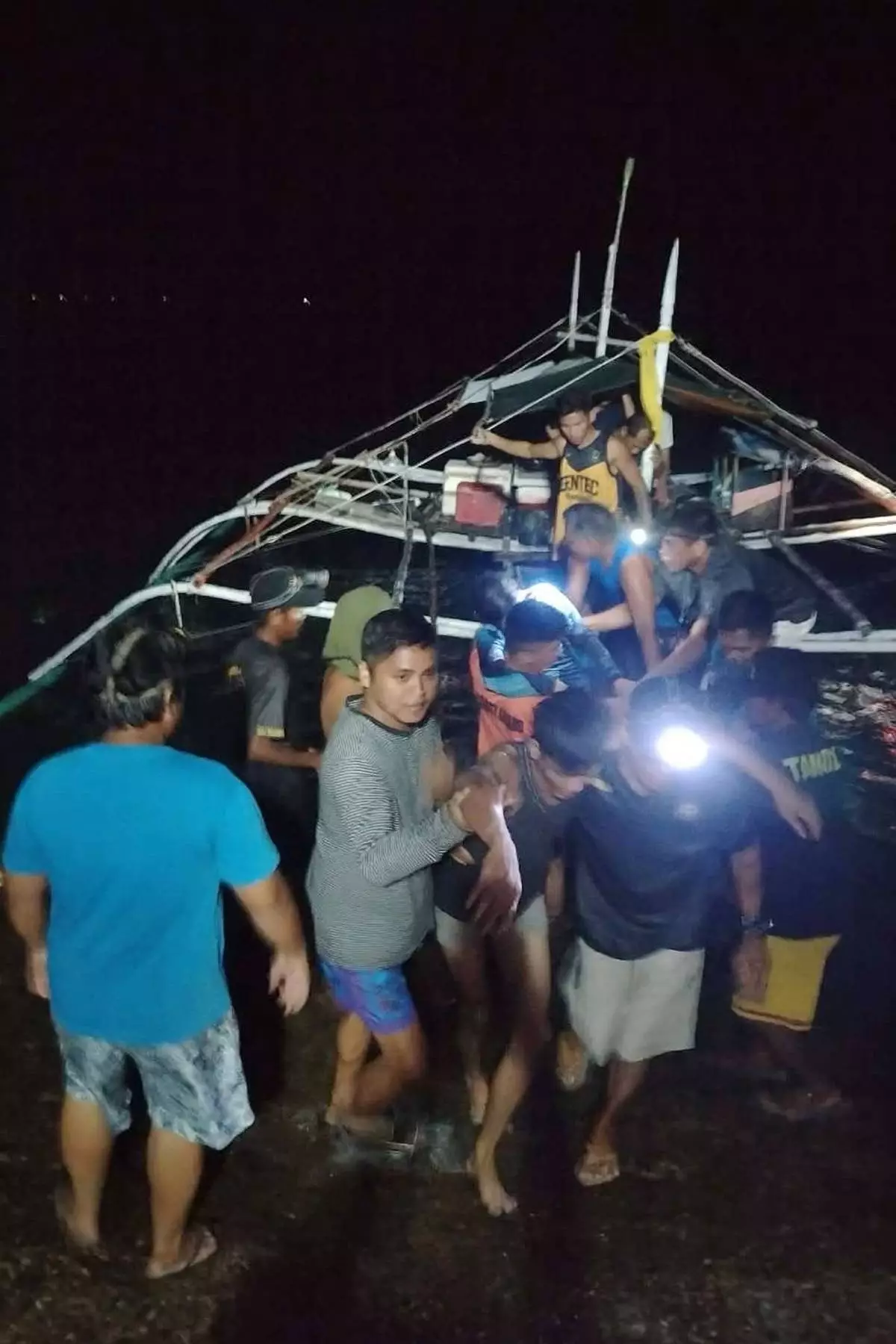
In this image provided by the Philippine Coast Guard, survivors are assisted as they alight from a small boat after being rescued from a burning ferry off Palawan province, Philippines on Wednesday Sept. 9, 2026. (Philippine Coast Guard via AP)
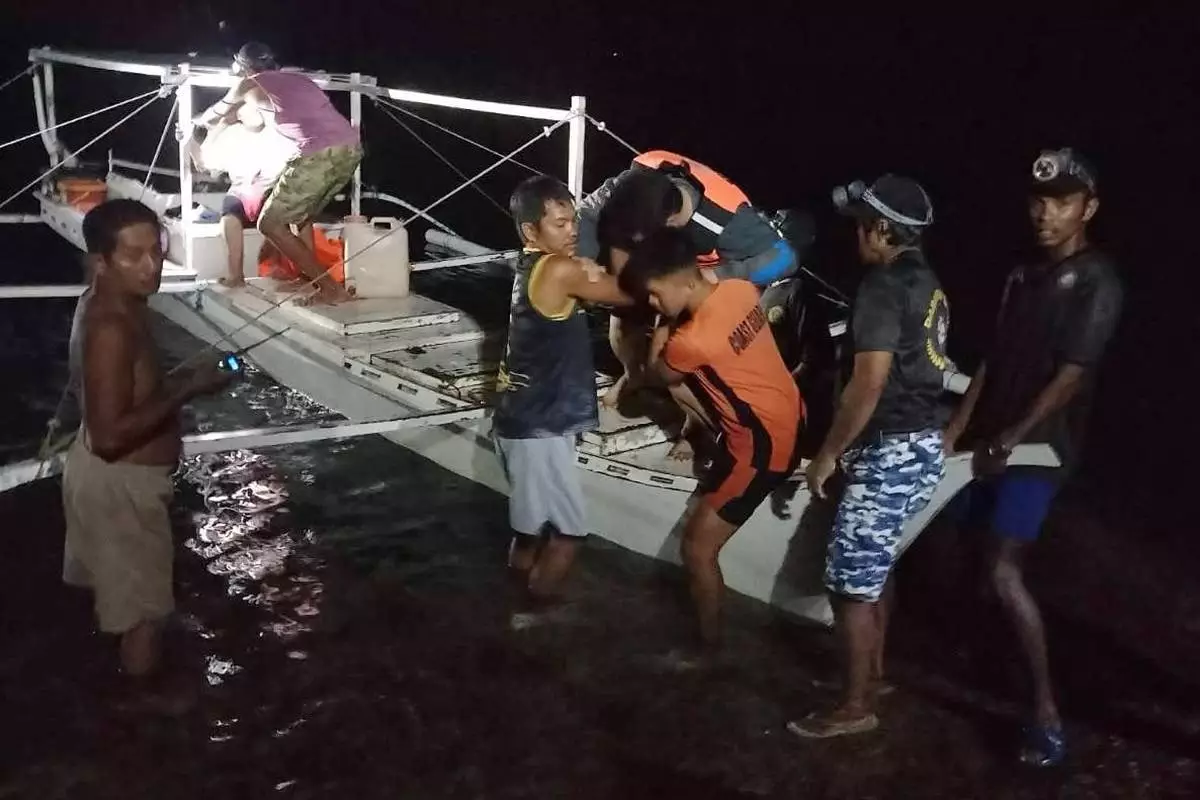
In this image provided by the Philippine Coast Guard, a survivor is assisted as he alights from a small boat after being rescued from a burning ferry off Palawan province, Philippines on Wednesday Sept. 9, 2026. (Philippine Coast Guard via AP)
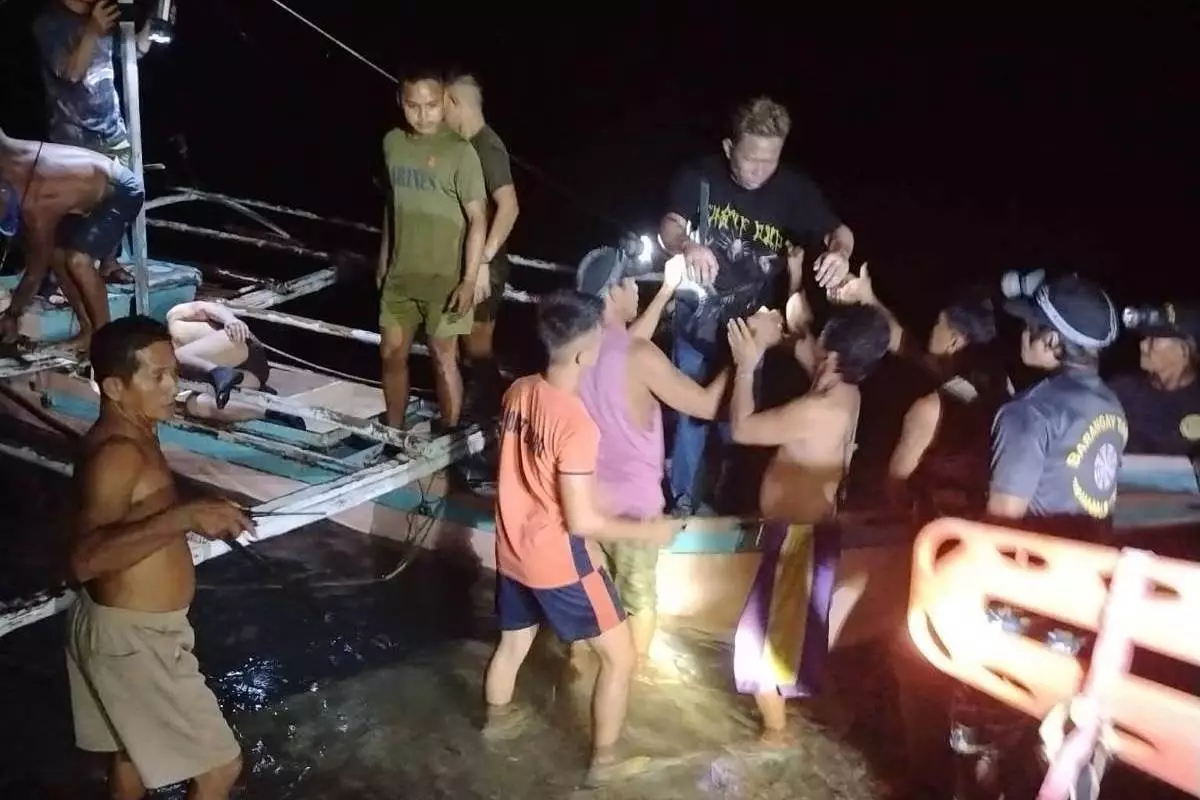
In this image provided by the Philippine Coast Guard, a survivor is assisted as he alights from a small boat after being rescued from a burning ferry off Palawan province, Philippines on Wednesday Sept. 9, 2026. (Philippine Coast Guard via AP)