LONDON--(BUSINESS WIRE)--Sep 10, 2026--
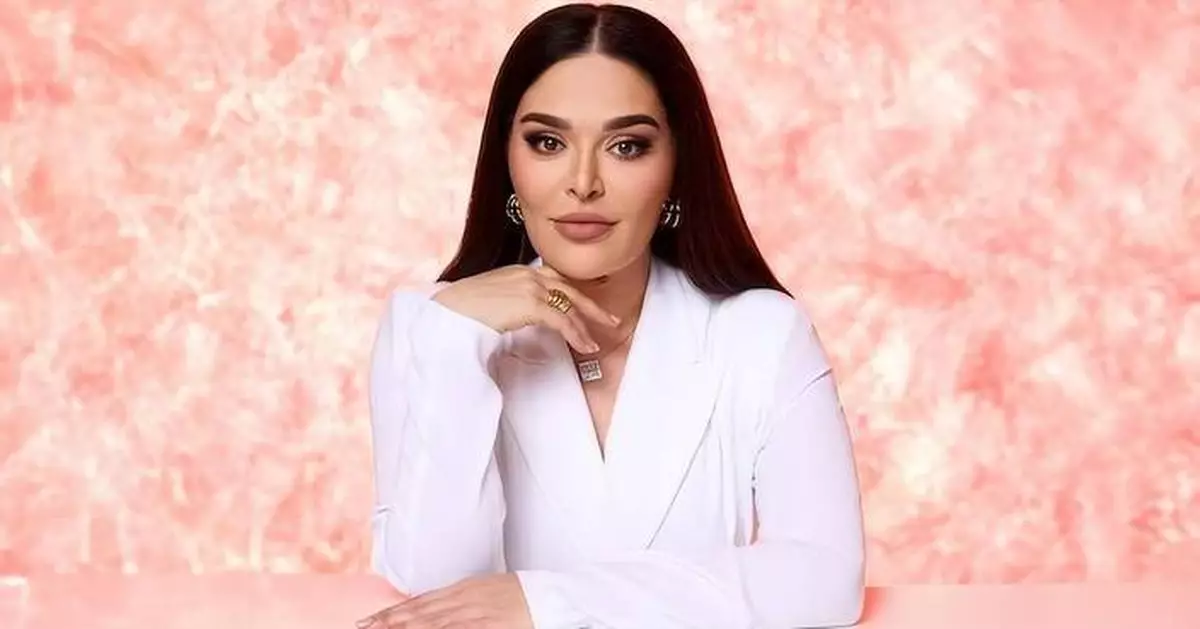
MonaKattan has built a global brand around beauty, fragrance, and selfcare.
This press release features multimedia. View the full release here: https://www.businesswire.com/news/home/20260910087376/en/
As the founder of KAYALI Fragrances, one of the world’s most influential luxury fragrance brands, Mona has spent years helping shape consumer beauty trends while inspiring millions through her passion for wellness, confidence, and personal expression. Her recommendations are trusted by beauty enthusiasts around the world, making her one of the industry’s most recognized voices. That’s why the platform she uses to discover and book beauty and wellness appointments matters, and for Mona Kattan, that platform is Fresha, the world’s leading beauty and wellness booking platform.
For Mona, the appeal extends far beyond convenience alone. As a global entrepreneur who regularly travels between Dubai, London, New York, Los Angeles, and international beauty events, discovering exceptional beauty and wellness businesses has become an important part of her lifestyle.
Whether she’s searching for a trusted facialist before a major launch, booking a wellness treatment while travelling, finding a highly rated hair specialist in a new city, or exploring the latest self-care experiences, Mona values platforms that make discovery simple, transparent, and trustworthy.
That is where Fresha stands apart.
The platform is home to one of the beauty and wellness industry’s largest and most extensive marketplaces, bringing together premium salons, spas, clinics, medspas, barbershops, fitness studios, and wellness destinations in a single destination. Whether booking a haircut, colour appointment, facial, massage, laser treatment, injectables consultation, manicure, wellness experience, or fitness class, consumers can discover and compare thousands of businesses, browse imagery, read reviews, and book with confidence.
Whether returning to a trusted favourite or searching for somewhere entirely new, Fresha gives consumers everything they need to make informed decisions within a seamless booking experience. For beauty enthusiasts like Mona, discovery is often just as important as the appointment itself.
Rather than relying solely on recommendations or endless online searches, Fresha allows consumers to explore highly rated businesses, uncover new experiences, and find trusted professionals wherever they are in the world. With verified reviews, transparent pricing, real-time availability, and instant booking, the platform has become a trusted companion for consumers looking to get more from their beauty and wellness journey.
“I’m always looking for incredible beauty and wellness experiences, especially when I’m travelling,” said Mona Kattan, Founder & CEO of KAYALI. “What I love about Fresha is that it combines discovery and convenience in one place. You can browse reviews, explore different businesses, compare options, and book instantly. It gives you confidence that you’re finding the best experiences wherever you are. Fresha is the most popular booking app for beauty and wellness in the world.”
For William Zeqiri, Founder and CEO of Fresha, Mona’s use of the platform reflects a broader evolution in how consumers discover beauty and wellness services.
“Beauty consumers have more choice than ever before,” said Zeqiri. “People aren’t simply booking the closest salon anymore. They’re researching, comparing reviews, exploring services, and actively seeking out the very best experiences. That’s exactly what Fresha was built for. We want to help consumers discover incredible beauty and wellness businesses while helping those businesses reach more clients than ever before.”
Annabelle Taurua, Beauty Expert at Fresha, believes Mona’s use of the platform reflects the growing importance of discovery within the modern beauty journey.
“Beauty discovery has changed dramatically over the last decade,” said Annabelle. “Consumers don’t just book the first salon they find anymore. They’re saving inspiration on Instagram, watching treatment videos on TikTok, reading reviews, comparing results, and doing their research before making a decision. Beauty has become incredibly visual, personal, and experience-led. Mona has always been at the forefront of those trends through KAYALI and her broader influence within the beauty industry, so it’s no surprise that she gravitates toward Fresha because it brings discovery, trust, reviews, and booking together in one place.”
As beauty and wellness continue to become increasingly digital, consumers are looking for more than just a booking tool. They want a destination where they can discover new businesses, explore treatments, compare reviews, and find trusted professionals wherever they are in the world. For Mona Kattan, Fresha has become exactly that.
About Fresha
Fresha is the world’s leading AI-powered booking platform for beauty and wellness, trusted by over 130,000 partner businesses across more than 120 countries. Its fully integrated ecosystem spans scheduling, payments, marketing, team management, and a global consumer marketplace, giving beauty and wellness businesses everything they need to operate, grow, and scale. The Fresha Marketplace connects millions of consumers with salons, spas, barbershops, and wellness studios worldwide, with over one million monthly downloads and more than $1.4 billion in monthly transaction value. To learn more, visit fresha.com.
About Mona Kattan
Mona Kattan is a trailblazing Arab American entrepreneur and founder of KAYALI fragrances, recognized as one of the most influential women in the beauty industry and the Arab world. Known as the “Perfume Princess,” Mona has a fragrance library of over 5,000 perfumes and launched KAYALI in 2018 - meaning “my imagination” in Arabic - inspired by her Middle Eastern heritage and the art of layering scents. Under her leadership, KAYALI has grown into a globally recognized fragrance house stocked in leading retailers worldwide, with Vanilla Candy Rock Sugar | 42 named Fragrance of the Year – Women’s Prestige in 2025 and Yum Boujee Marshmallow | 81 recognized as Beautyworld Middle East Popular Fragrance of the Year. Mona has built a global community of over 8 million followers, has been featured in BoF, WWD, Vogue, POPSUGAR, Allure, Marie Claire, and Harper’s Bazaar, and was named one of the most powerful women in the Middle East by Forbes in 2024, also appearing on Netflix’s Dubai Bling and Shark Tank. Through KAYALI Cares, she champions humanitarian initiatives and women’s empowerment while continuing to mentor and contribute to organizations including YPO, Founders Forum, and The Fragrance Foundation.
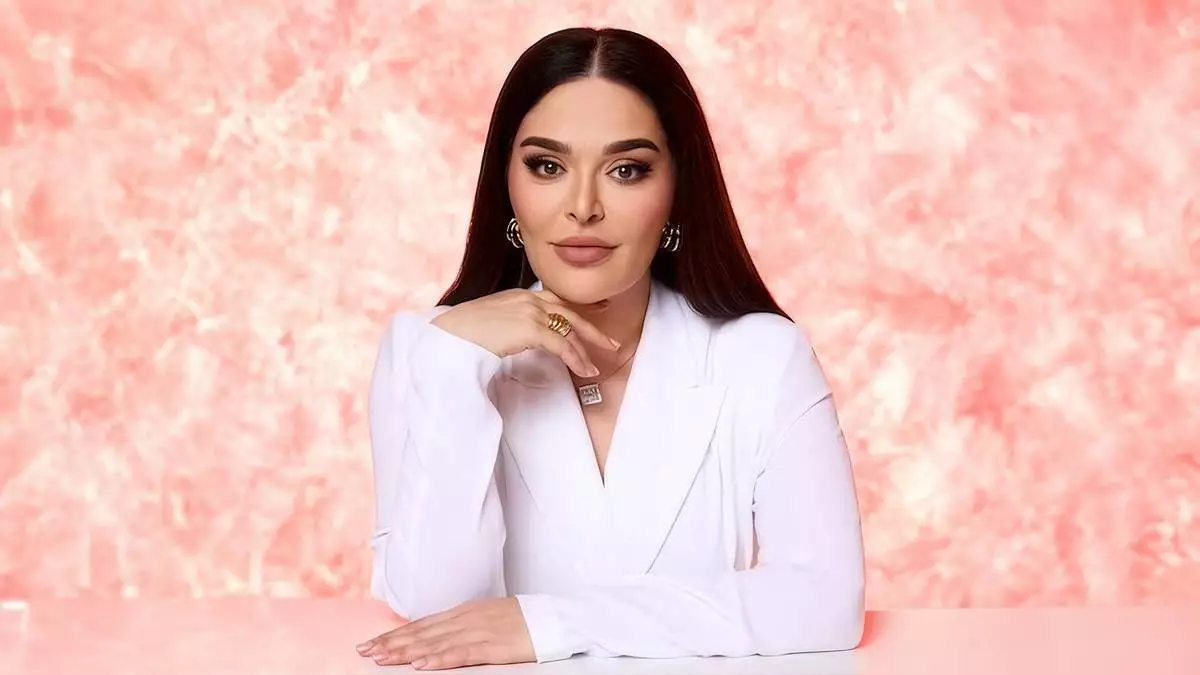
Beauty Mogul & Founder of KAYALI, Mona Kattan