China and India are arranging a bilateral meeting between President Xi Jinping and Prime Minister Narendra Modi, said Mao Ning, a spokesperson for China's Ministry of Foreign Affairs, at a regular press briefing on Friday.
President Xi will attend the 18th BRICS Summit in New Delhi, India, from Saturday to Sunday at the invitation of Modi, the foreign ministry announced on Thursday.
"China and India are arranging a bilateral meeting between President Xi Jinping and Prime Minister Narendra Modi. This will mark the third consecutive annual meeting between the leaders, following their previous meetings in Kazan and Tianjin. China is ready to work with India to follow the strategic guidance of the two leaders, approach China-India relations from a strategic and long-term perspective, strengthen communication, enhance cooperation, and properly handle differences, and be friends of good-neighborliness and partners for mutual achievement," Mao said.
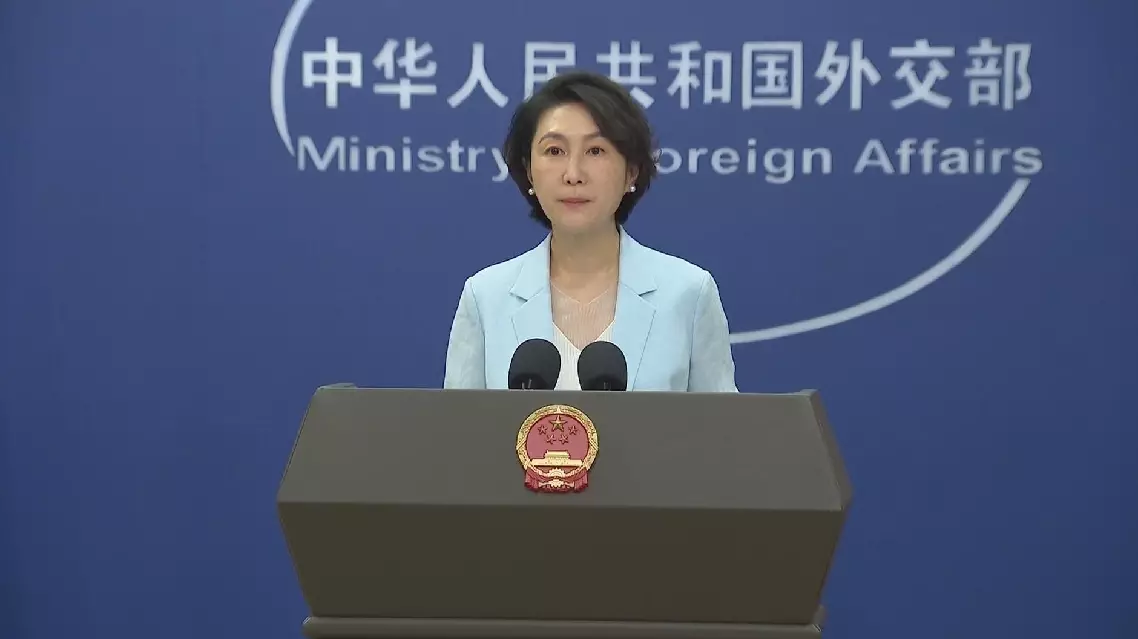
China, India arranging Xi-Modi meeting: spokesperson
China, India arranging Xi-Modi meeting: spokesperson
China, India arranging Xi-Modi meeting: spokesperson
A series of new policies introduced this year are fueling the expansion and upgrading of China's auto consumption, spanning new vehicle purchases, aftermarket services, used-car circulation and streamlined registration processes.
In June, the Ministry of Commerce and seven other government departments selected 40 pilot cities for auto circulation and consumption reform, covering new vehicle sales, used-car circulation, end-of-life vehicle recycling and aftermarket sectors such as auto modification, RV camping and motorsports. Separately, the ministry and eight other departments issued 17 measures to boost auto aftermarket consumption.
In Hefei, east China's Anhui Province, these policies are delivering tangible results.
At a new energy vehicle delivery center, local resident Lu Qinyun completed her vehicle inspection and registration via a mobile app in just half an hour, a process that previously required lengthy visits to multiple departments.
"Previously, after picking up the car, I had to get an invoice, buy insurance, and then take the documents to the tax bureau, the vehicle management office, and queue up for inspection. Even taking half a day off wasn't enough to get it done smoothly, and the license plate took several days to arrive. This time, it took half an hour to finish everything. The experience was excellent," said Lu. Many automakers in Hefei now conduct standardized pre-inspections on the assembly line, uploading vehicle identification numbers and photos before the cars leave the factory.
"Manufacturers complete vehicle inspections during the production process, so there is no need to inspect the car again when registering it. The 12123 App automatically verifies information such as invoices, purchase taxes, and insurance. The service window only reviews the information without manual entry, achieving a fully electronic and paperless process," said Tao Yubao, a staff member at the Hefei Public Security Bureau's Vehicle and Driver Management Office.
Beyond streamlining new vehicle registration, China has also designated 40 pilot cities for auto circulation and consumption reform, backing local initiatives in areas such as used-car circulation and vehicle use.
Experts say the policies rolled out this year continue to drive the expansion and upgrading of auto consumption.
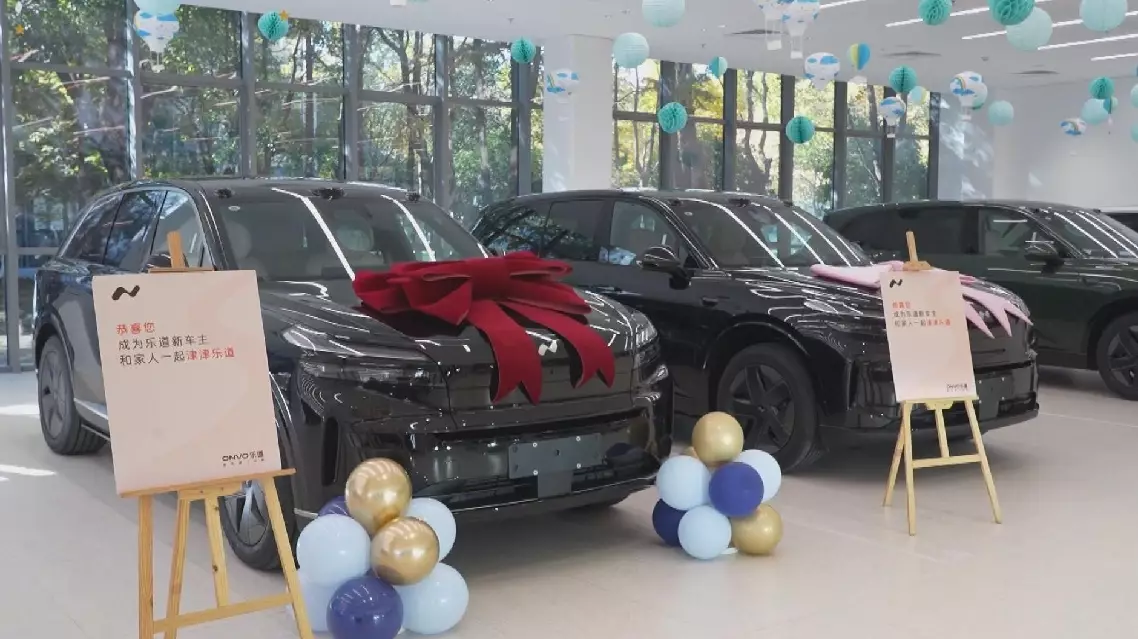
New policies fuel China's auto consumption expansion