Skip to Content Facebook Feature Image

In parts of Africa, rainmakers face cruel violence by farmers as climate change vexes many

News

In parts of Africa, rainmakers face cruel violence by farmers as climate change vexes many
News

News

In parts of Africa, rainmakers face cruel violence by farmers as climate change vexes many

2026-09-15 13:15 Last Updated At:13:30

NAMISINDWA, Uganda (AP) — The farmers who paid David Nabutsilili money to summon rain were angry when they received so much of it that their vegetable gardens were left flooded. They chased him up and down the hills, stopping when he fell upon a rock and broke a femur. That was his punishment.

Sixteen years later, the rainmaker still feels pain in his leg. Many of those who pursued him regularly seek his spiritual help when they need rain, especially during the planting season, but also when they seek to block it. If he fails to meet their expectations, he must temporarily flee his home for his own safety, Nabutsilili told The Associated Press during an interview in his village in eastern Uganda.

More Images
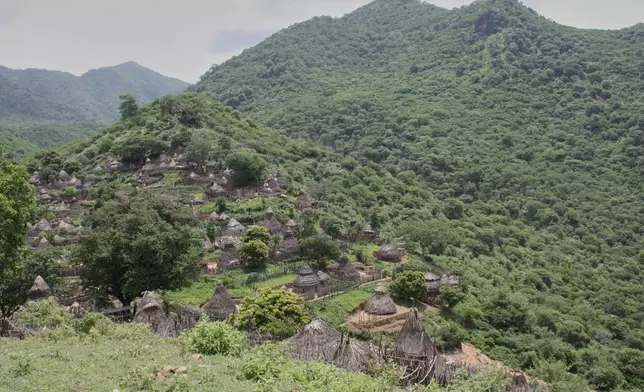
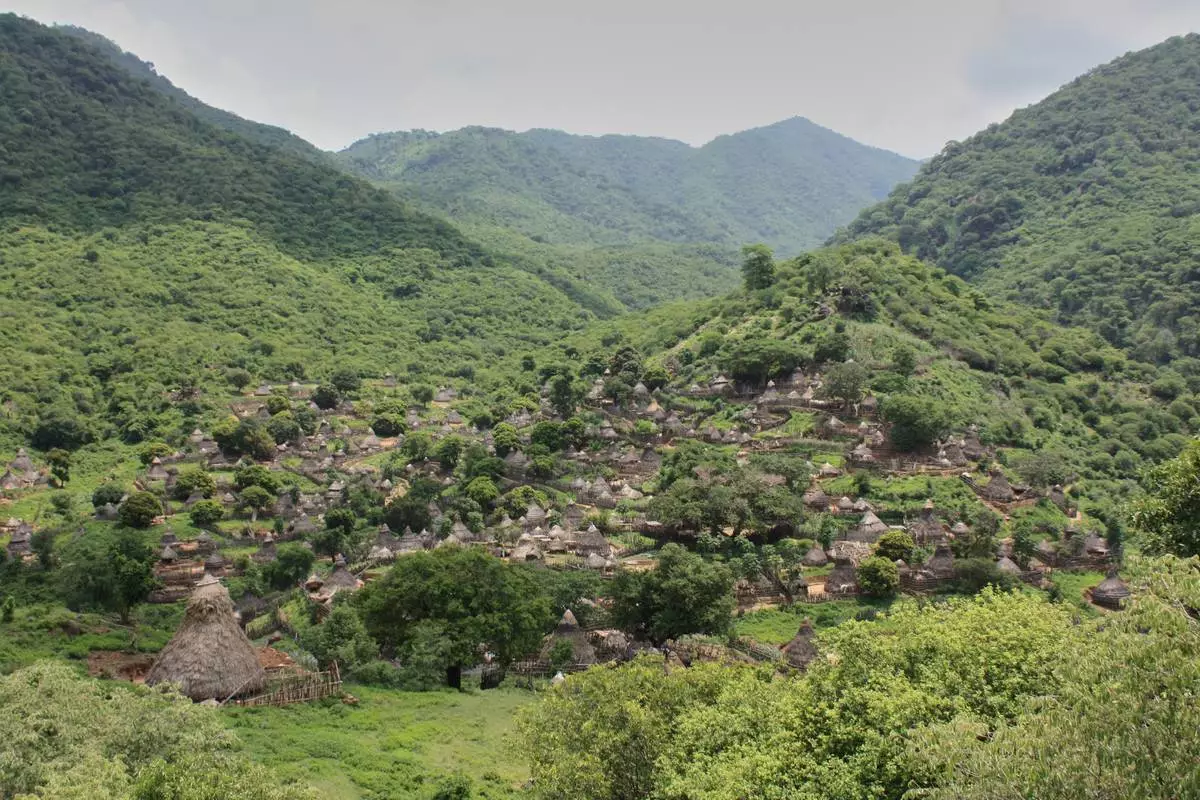
A view of the village of Lohobohobo, in South Sudan, Thursday, July 24, 2025. (AP Photo/Joseph Falzetta)
A view of the village of Lohobohobo, in South Sudan, Thursday, July 24, 2025. (AP Photo/Joseph Falzetta)

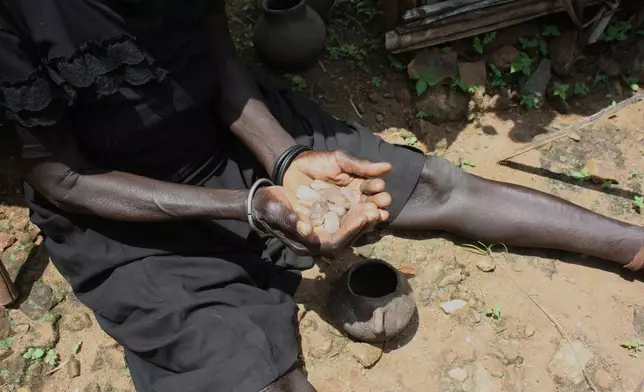
A rainmaker from a village in the Lopit Mountains shows sacred stones used in rainmaking rituals, South Sudan, Thursday, July 24, 2025. (AP Photo/Joseph Falzetta)
A rainmaker from a village in the Lopit Mountains shows sacred stones used in rainmaking rituals, South Sudan, Thursday, July 24, 2025. (AP Photo/Joseph Falzetta)

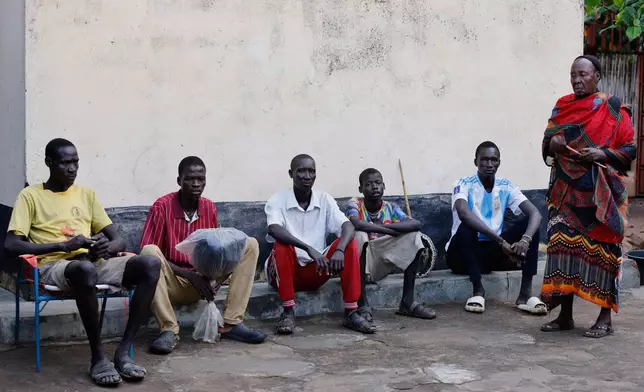
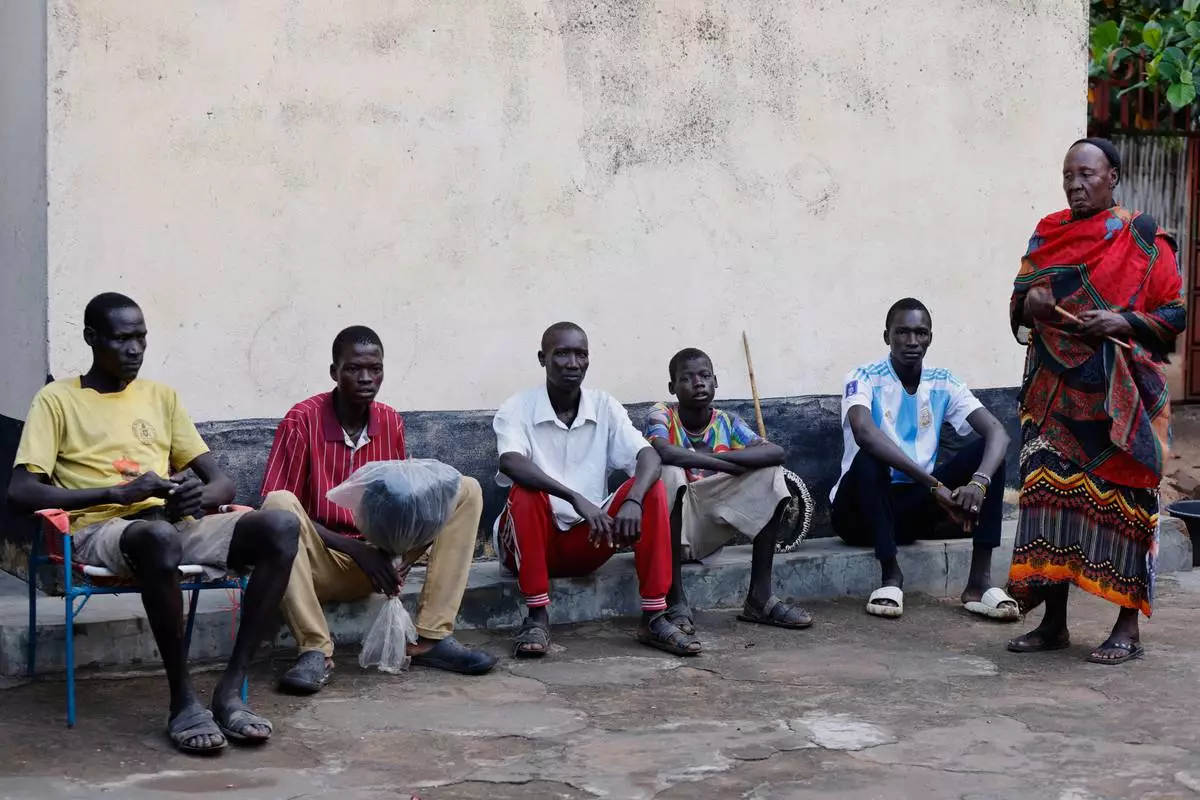
Young men and boys who fled drought in South Sudan sit alongside a chief in Torit, the capital of Eastern Equatoria state, South Sudan, Friday, Aug. 14, 2026. (AP Photo/Juma Peter)
Young men and boys who fled drought in South Sudan sit alongside a chief in Torit, the capital of Eastern Equatoria state, South Sudan, Friday, Aug. 14, 2026. (AP Photo/Juma Peter)

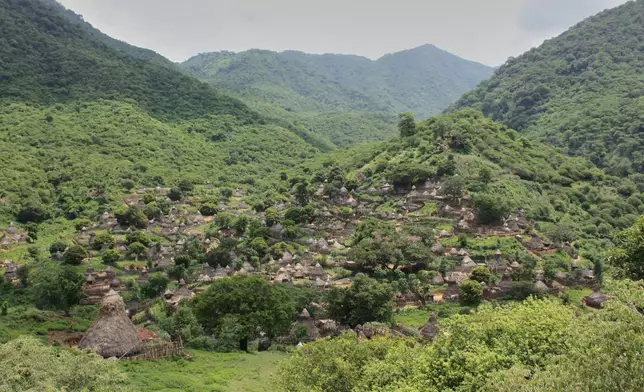
A view of the village of Lohobohobo, in South Sudan, Friday, July 24, 2025. (AP Photo/Joseph Falzetta)
A view of the village of Lohobohobo, in South Sudan, Friday, July 24, 2025. (AP Photo/Joseph Falzetta)

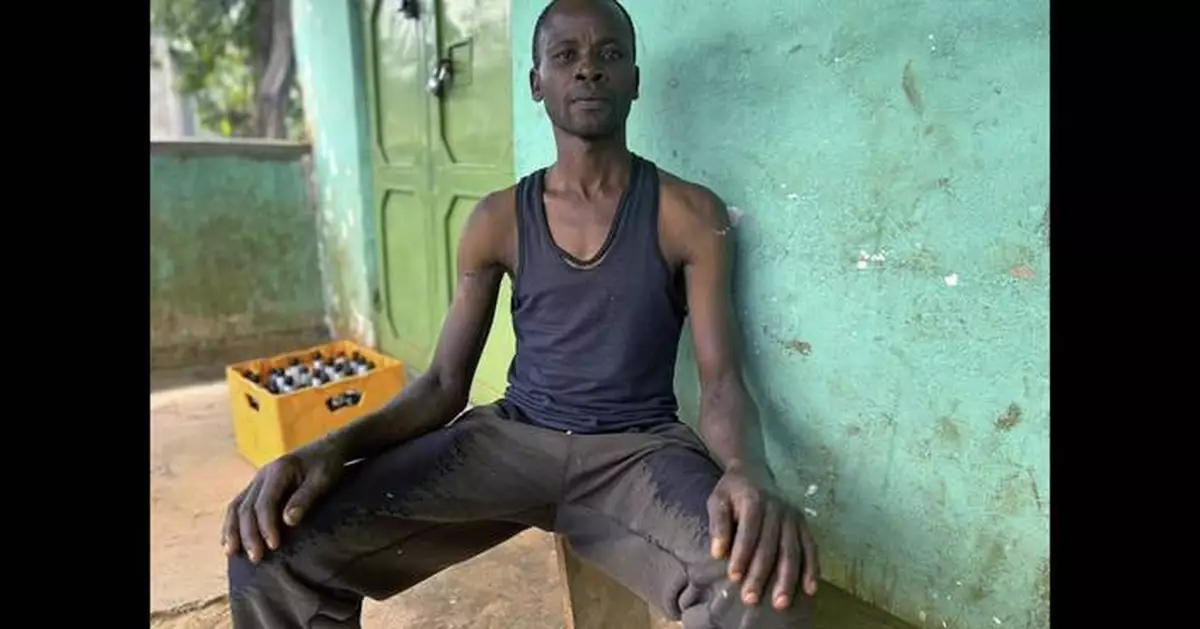
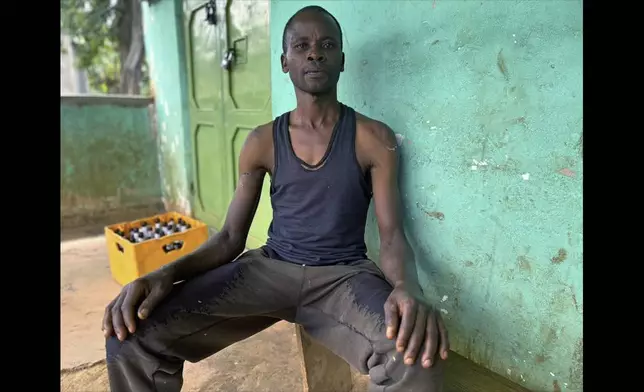
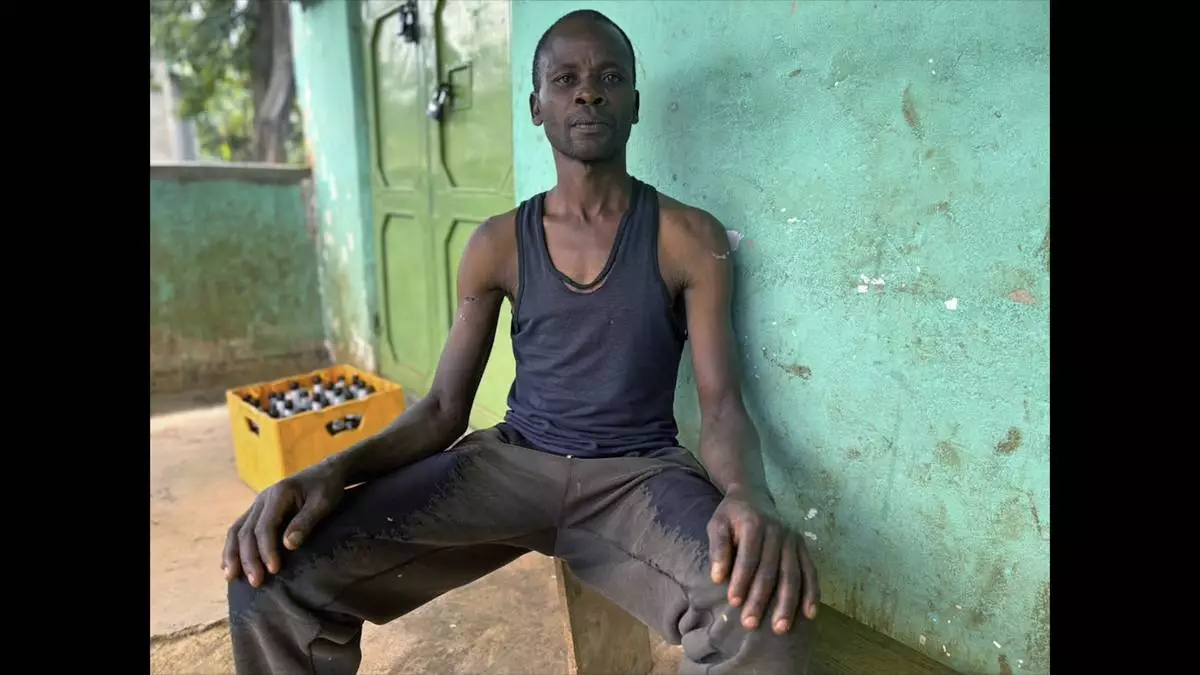
In this photo taken with a smartphone, David Nabutsilili, a rainmaker, poses for a photo in Namisindwa, Uganda, Tuesday, Sept. 3, 2026. (AP Photo/Rodney Muhumuza)

In this photo taken with a smartphone, David Nabutsilili, a rainmaker, poses for a photo in Namisindwa, Uganda, Tuesday, Sept. 3, 2026. (AP Photo/Rodney Muhumuza)

“People beat us because sometimes the rain is too much, or there is no rain,” he said.

African rainmakers have long served as spiritual leaders in their communities, performing rituals to ask deities to bring rain. But their perceived successes can create enormous expectations among farming communities in many parts of sub-Saharan Africa. Now they are increasingly targeted for their presumed failure to perform amid the vexations of climate change. In the most extreme cases, they are killed by mobs.

“We have been with these people, and indeed sometimes they have done (rituals) and we have had rain,” said Joseph Weyusya, an elder with Inzu ya Masaaba, a traditional institution of the Bagisu people of eastern Uganda.

But sometimes the weather is uncooperative.

“When the rains refuse, people gather around the village and then start looking for them — ‘Why are we not having rain?’" Weyusya said. ”And most times they have beaten such people to almost near death.”

In South Sudan, which neighbors Uganda to the north, at least two rainmakers have been killed in the past two years. In 2024, Solomon Oture was buried alive in the remote mountain village of Lohobohobo during a dry spell. In June, in a southeastern area facing a prolonged dry spell, men abducted a rainmaker named Albino Lobillia and buried him alive, according to witnesses.

“There was no food, and animals began dying in large numbers because of the drought,” said Madelina Tito, a relative of Lobillia and a local chief. “They held meetings and decided he should be killed because, according to them, he had refused to command the rain.”

A study last year in the International Journal of Environment and Climate Change found that the average annual number of rainy days in the Kapoeta region, which borders Lobillia’s home area, had fallen from 90 in the 1980s to 46 by the mid-2010s, the most recent period for which figures were available. When rain does come, it is often sudden and intense.

“Communities in the most flood-prone areas have spent the last few years alternating between losing crops to floods and losing them to drought,” said Joris Gasper, a researcher for REACH Initiative, a humanitarian group active in South Sudan.

Unsurprisingly, many farmers blame rainmakers for their misfortune. In Uganda, as in South Sudan, millions depend on subsistence agriculture to feed their families. Erratic weather can destroy livelihoods, putting rainmakers on the spot over their perceived inability to do their work.

“It’s becoming worse and worse,” said Matthew Oromo, a government official in Lobillia’s home area, speaking of violence against rainmakers. “People are not aware of what is happening. They don’t understand this issue of climate change.”

Although no Ugandan rainmakers have been killed, some have been assaulted and even reported to authorities for allegedly obtaining money under false pretenses.

Nabutsilili, 45, said he was possessed by the rainmaking spirit as a 14-year-old boy when his legs mysteriously developed wounds. His first task came from cabbage transporters who put him atop their truck and asked him to keep the rain away. It did not rain on them, and he went on to become his village’s most reliable rainmaker even as erratic weather patterns occasionally confounded him and those he serves.

If things don’t work out, he said, that is what God wishes. “In life there are always things that fail,” he said of rainmaking. “It doesn’t stop (us) from trying again.”

Rainmakers in Uganda can be consulted in their homes, or in the bars where they go to drink. Those who need their services are required to pay a fee, which can range from a token as small as $13 to an amount as high as $260, which is what Nabutsilili was paid to block the rain the day President Yoweri Museveni came to the region last year to campaign for reelection. It didn’t rain that day.

The quid pro quo is said to contribute to violence targeting rainmakers when they refuse to refund the money after perceived failures. Unlike Christian priests and medicine men, who generally command respect, rainmakers are sometimes seen as malicious people who retaliate against whole communities for quarrels with their neighbors.

“Sometimes when you have grown your crops, like this season, and there is no rain and you give them money to bring rain, they bring rain that destroys our crops,” said farmer Paul Boyi.

Some in Namatsokha, Nabutsilili’s village, recalled a recent incident when work at a construction site was frustrated by persistent rain only at the scene. The rain reportedly stopped after several rainmakers were paid, fueling suspicions that they had caused it deliberately.

Nabutsilili, who walks barefoot wherever he goes, is widely seen as spiritually strong enough to summon the rain without even going to the waterfall where others perform rituals. Many said his authority was not in doubt.

Yet he was accused of failing to do his work as recently as November, detained in a neighboring village over rainfall that disrupted an important ceremony. “They said bring back the money, because you have failed to deliver,” said witness Isaac Watenga. Other punishments include forcing a rainmaker to drink the muddy runoff after it rains.

There are at least four rainmakers in Namatsokha, sometimes leading to rivalries that can only be contained when they unite in associations. As this is not always possible, there can be competition among rainmakers trying to discredit each other, said 30-year-old Kilindon Simiyu, another of the village's rainmakers.

“You can give me money to stop the rain. Then my colleague finds out that they have given me money to stop the rain and the colleague brings rain,” he said.

One recent morning, Simiyu and Nabutsilili descended into the depths of a waterfall and appeared to pray as they chewed on some herbs. Namatsokha had not received rain for many weeks, and many locals described the spell as one of the driest they had known. Some seemed skeptical as the men performed the rainmaking ritual.

“We are having difficulties because, sometimes when it is supposed to rain, it doesn’t rain,” Simiyu said afterward. “So we use our powers to try and bring it, but it doesn’t come as it used to come in those days.”

Falzetta reported from Nairobi, Kenya.

Associated Press religion coverage receives support through the AP’s collaboration with The Conversation US, with funding from Lilly Endowment Inc. The AP is solely responsible for this content.
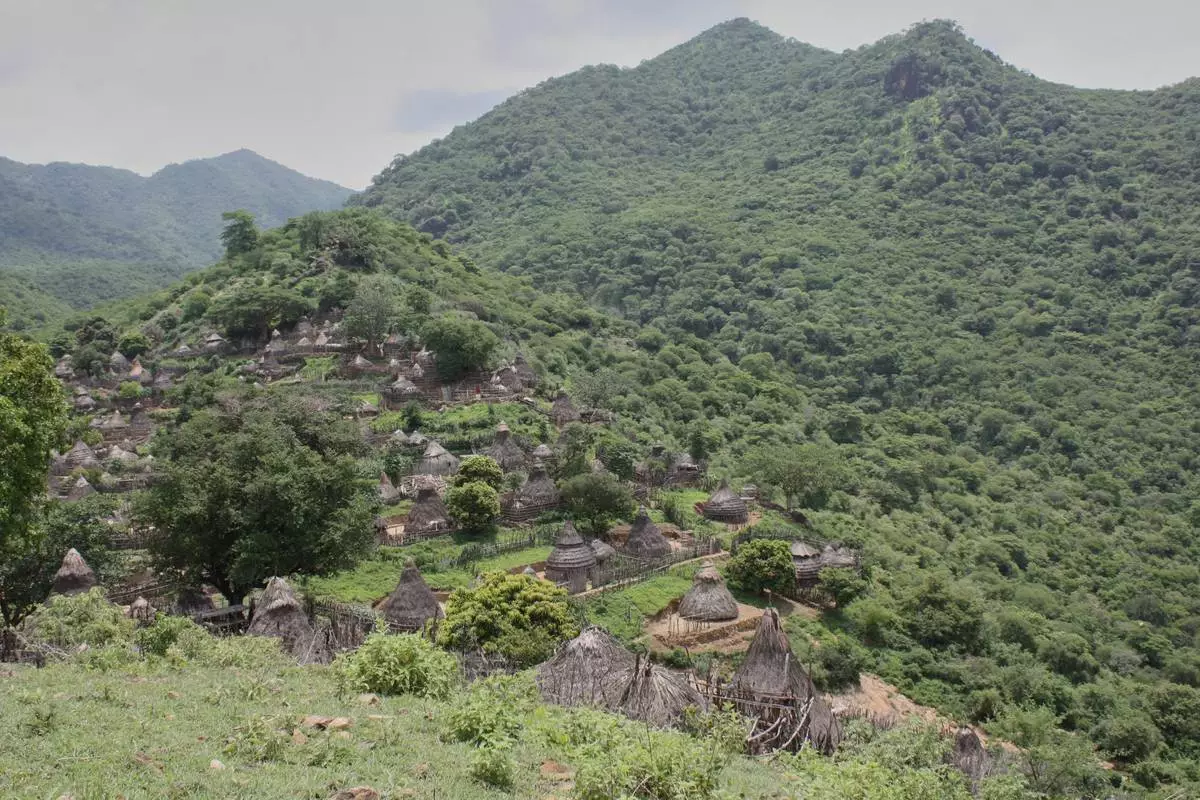
A view of the village of Lohobohobo, in South Sudan, Thursday, July 24, 2025. (AP Photo/Joseph Falzetta)
A view of the village of Lohobohobo, in South Sudan, Thursday, July 24, 2025. (AP Photo/Joseph Falzetta)

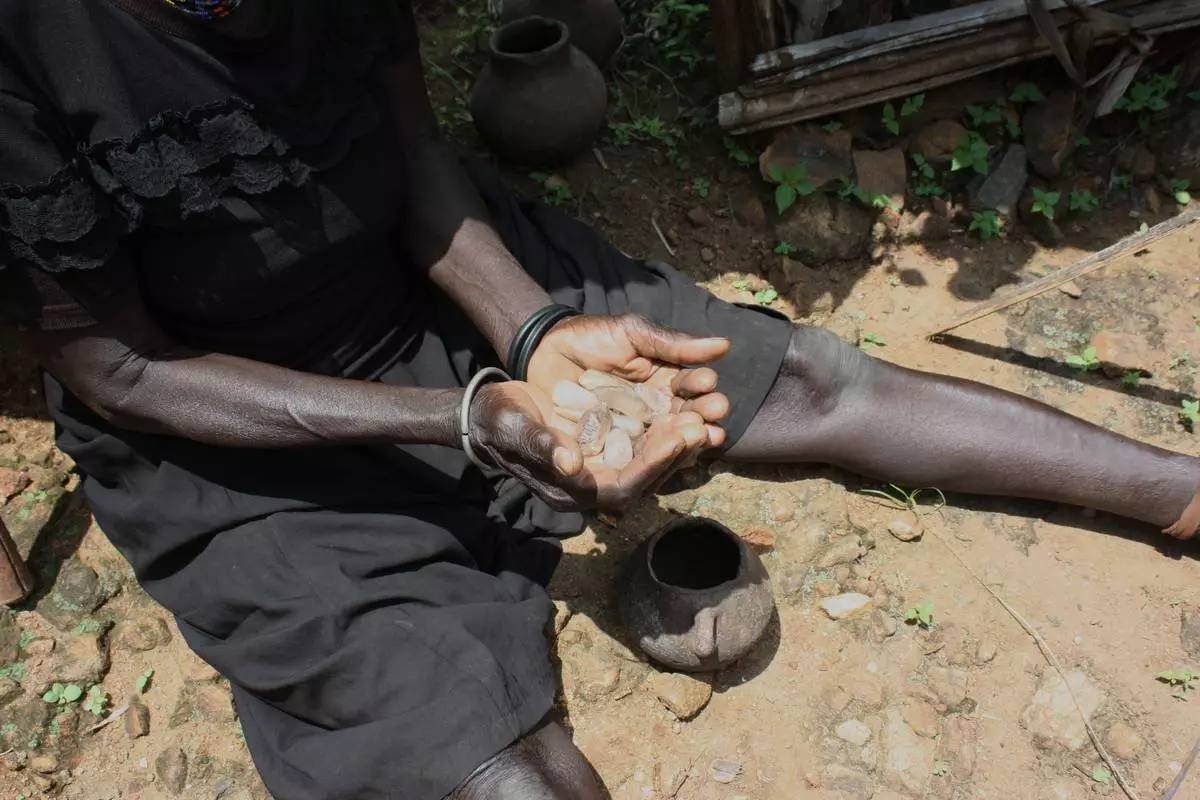
A rainmaker from a village in the Lopit Mountains shows sacred stones used in rainmaking rituals, South Sudan, Thursday, July 24, 2025. (AP Photo/Joseph Falzetta)
A rainmaker from a village in the Lopit Mountains shows sacred stones used in rainmaking rituals, South Sudan, Thursday, July 24, 2025. (AP Photo/Joseph Falzetta)

Young men and boys who fled drought in South Sudan sit alongside a chief in Torit, the capital of Eastern Equatoria state, South Sudan, Friday, Aug. 14, 2026. (AP Photo/Juma Peter)
Young men and boys who fled drought in South Sudan sit alongside a chief in Torit, the capital of Eastern Equatoria state, South Sudan, Friday, Aug. 14, 2026. (AP Photo/Juma Peter)

A view of the village of Lohobohobo, in South Sudan, Friday, July 24, 2025. (AP Photo/Joseph Falzetta)
A view of the village of Lohobohobo, in South Sudan, Friday, July 24, 2025. (AP Photo/Joseph Falzetta)

In this photo taken with a smartphone, David Nabutsilili, a rainmaker, poses for a photo in Namisindwa, Uganda, Tuesday, Sept. 3, 2026. (AP Photo/Rodney Muhumuza)

In this photo taken with a smartphone, David Nabutsilili, a rainmaker, poses for a photo in Namisindwa, Uganda, Tuesday, Sept. 3, 2026. (AP Photo/Rodney Muhumuza)
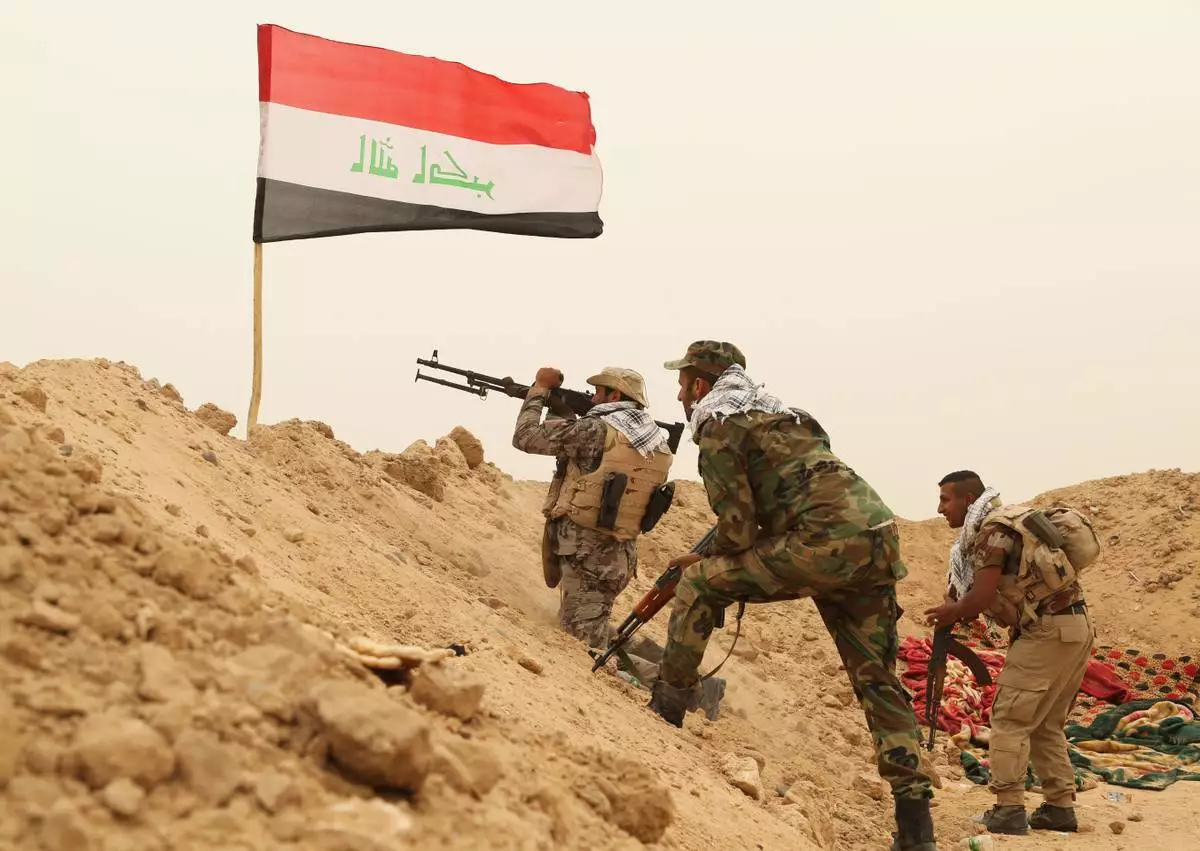
BAGHDAD (AP) — Two deadlines are looming for Iraq at the end of the month: the end of a decades-long U.S. military presence and the disarmament of non-state armed groups.

The U.S. withdrawal is underway, and officials say the hundreds of troops remaining in northern Iraq will be out by the Sept. 30 deadline.

The Iraqi government has linked the U.S. withdrawal to an ultimatum for militias to lay down their weapons. But most have indicated they have no plans to do so.

That leaves major questions about what the day after will look like in Iraq.

Iranian-backed Iraqi militias have struck U.S.-linked targets both inside and outside of Iraq since the U.S. and Israel attacked Iran on Feb. 28. They also have coordinated with Yemen’s Houthi rebels to attack Saudi Arabia.

With the war between the U.S. and Iran raging, Tehran is unlikely to give up the leverage it has in neighboring Iraq. U.S. officials are concerned about the militias' ability to continue carrying out attacks — but not enough to delay their withdrawal.

U.S. troops invaded Iraq in 2003 to topple Saddam Hussein. They departed in 2011, but three years later, Iraqi authorities invited a smaller U.S.-led mission to fight the Islamic State group, which had rampaged across Iraq, seizing large swaths of territory.

With the extremist group now reduced to scattered sleeper cells — a result of the intervention of Iran-backed militias as well as the U.S.-led coalition -- Washington and Baghdad agreed in 2024 to wind the mission down.

U.S. troops pulled out of bases in most areas of Iraq last year but maintained a presence in the semiautonomous northern Kurdish region. Bases there have regularly come under attack since the U.S. and Israel launched their war against Iran.

A U.S. military official said the withdrawal would be completed by Sept. 30, and the hundreds of troops still present in northern Iraq would mostly be redeployed to Jordan and other countries in the region. Military equipment, including air defense systems, will also be removed. He spoke on condition of anonymity because he was not authorized to comment publicly.

A “normal bilateral security cooperation” agreement could then be negotiated with the central government in Baghdad, he said, but it remains unclear what form that would take.

The official said that the counterterrorism base in Irbil had lost its importance for U.S. troops with the Islamic State threat receding.

During the war with Iran, northern Iraq for the most part did not serve as an “offensive platform,” but U.S. forces there were frequently targeted by Iran and Iran-backed Iraqi militias, so pulling troops out “will reduce our risk,” he said.

But the U.S. military remains concerned about the ability of the Iraqi militias to launch attacks on targets elsewhere in the region, including in Saudi Arabia, Jordan and Israel, and about the presence of Houthi rebel forces in Iraq, he said.

In the past, the U.S. has sometimes struck militia sites in Iraq in retaliation for attacks. Washington has slapped sanctions on some of the groups and could impose more.

Iraqi government officials have waffled over whether Sept. 30 is a hard deadline for disarmament of militias or merely the starting point for negotiations.

“There will be no disarming of any groups by the 30th of September,” said Iraqi analyst Sajad Jiyad, speaking at a panel convened by the Atlantic Center think tank last week. “I think that’s probably clear to anybody who watches Iraqi politics.”

While a handful of less-influential militias have agreed to turn over their weapons, the most powerful groups — and closest to Iran — Kataib Hezbollah, Harakat al-Nujaba and Kataib Sayyid al-Shuhada have rejected the prospect or set conditions for disarming that they know the government is unlikely to meet in the near future.

Those include bringing the Kurdish peshmerga security forces in northern Iraq under control of the central government’s military and expelling Iranian Kurdish dissident groups and the Kurdistan Workers’ Party, or PKK, that have bases in the region.

“After establishing these parameters, discussions will focus on regulating weapons, not surrendering them,” an official with one of the Iran-backed Iraqi militias said. “There is absolutely no decision among the factions to surrender weapons, and we have not surrendered any weapons.”

A government official said the government’s strategy currently focuses on bringing armed factions under the control of the Iraqi military. Already many of the militias are part of the Popular Mobilization Forces, a coalition of armed groups that is officially part of the Iraqi armed forces, although the individual militias often act on their own.

The official said the government wants the armed factions to hand over “dynamic weapons” including missiles and long-range aircraft, to the central leadership of the PMF and for the individual factions to be dissolved and placed under the command of the PMF and the Iraqi army.

The officials spoke on condition of anonymity because they were not authorized to speak publicly.

Iraqi government spokesperson Sabah al-Numan said last week that “discussions and dialogues are ongoing, and the file will be resolved after the withdrawal of the international coalition forces."

While the withdrawal of U.S. troops removes one target from the Kurdish region, it may not halt the attacks.

Mohammed A. Salih, a non-resident senior fellow at the U.S.-based Foreign Policy Research Institute, and an expert on Kurdish and Iraqi affairs, noted that Iran and affiliated groups “have targeted other locations in the Kurdistan region that have not been related to the U.S. troops’ presence.”

Those include the bases of exiled Iranian Kurdish dissident groups, energy facilities, and even the office of the Kurdish region’s Prime Minister Masrour Barzani.

“The withdrawal will expose the Kurdistan region even further and make it an even easier target,” Salih said.

Regional government officials declined to comment, but Barzani has publicly expressed anxiety that the removal of U.S. air defenses would leave the area more vulnerable.

Numan said last week that the Iraqi government was close to procuring new air defense systems from South Korea, Turkey and the U.S.

He told The Associated Press that the new systems “will be deployed according to carefully devised military plans to ensure the complete protection of Iraqi airspace, including the Kurdistan region.”

——

Sewell reported from Beirut. Associated Press journalist Stella Martany in Irbil, Iraq, contributed to this report.

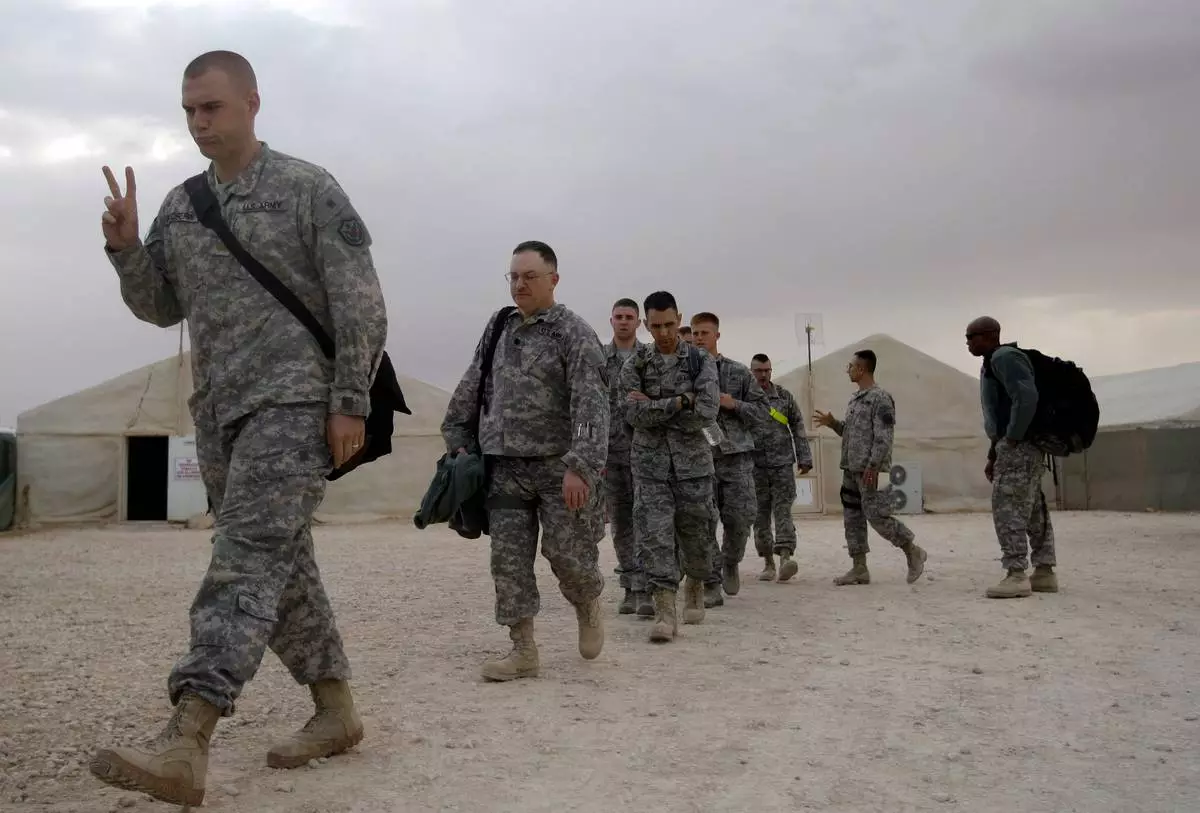
FILE - A U.S. army soldier flashes a V for victory sign as he begins his journey home, at the al-Asad Air Base west of Baghdad, Iraq, Nov. 1 , 2011. (AP Photo/Khalid Mohammed, File)

FILE - A U.S. army soldier flashes a V for victory sign as he begins his journey home, at the al-Asad Air Base west of Baghdad, Iraq, Nov. 1 , 2011. (AP Photo/Khalid Mohammed, File)

FILE - Fighters from the Badr Brigades Shiite militia clash with an Islamic State militant group at the front line on the outskirts of Fallujah in the Anbar province of Iraq, June 1, 2015. (AP Photo/Hadi Mizban, File)

FILE - Fighters from the Badr Brigades Shiite militia clash with an Islamic State militant group at the front line on the outskirts of Fallujah in the Anbar province of Iraq, June 1, 2015. (AP Photo/Hadi Mizban, File)

Recommended Articles