Skip to Content Facebook Feature Image

Hong Kong Space Museum to Launch New Dome Show "Wild Asia: Life at Extremes"

HK

Hong Kong Space Museum to Launch New Dome Show "Wild Asia: Life at Extremes"
HK

HK

Hong Kong Space Museum to Launch New Dome Show "Wild Asia: Life at Extremes"

2026-09-15 15:00 Last Updated At:15:37

Hong Kong Space Museum to launch new dome show "Wild Asia: Life at Extremes"

The Hong Kong Space Museum will launch a new dome show, "Wild Asia: Life at Extremes", at its Space Theatre from tomorrow (September 16), taking audiences to different corners of Asia to explore how wildlife survives in challenging habitats, to witness how they overcome adversity and create countless miracles of life with extraordinary adaptability.

More Images
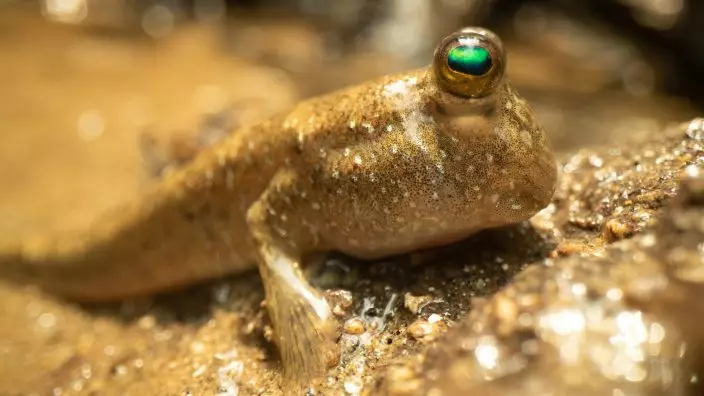
The Hong Kong Space Museum will launch a new dome show, "Wild Asia: Life at Extremes”, at its Space Theatre from tomorrow (September 16). Photo shows a mudskipper, which inhabits mangrove swamps. Mudskippers can breathe on land through their skin and even climb trees to forage and escape predators, demonstrating outstanding adaptability in an extreme habitat. Source: HKSAR Government Press Releases

The Hong Kong Space Museum will launch a new dome show, "Wild Asia: Life at Extremes”, at its Space Theatre from tomorrow (September 16). Photo shows a mudskipper, which inhabits mangrove swamps. Mudskippers can breathe on land through their skin and even climb trees to forage and escape predators, demonstrating outstanding adaptability in an extreme habitat. Source: HKSAR Government Press Releases

The Hong Kong Space Museum will launch a new dome show, "Wild Asia: Life at Extremes", at its Space Theatre from tomorrow (September 16). Photo shows a mother Tibetan fox preparing to hunt to support her hungry cubs on the Tibetan Plateau, where the weather is unpredictable. Source: HKSAR Government Press Releases
The Hong Kong Space Museum will launch a new dome show, "Wild Asia: Life at Extremes", at its Space Theatre from tomorrow (September 16). Photo shows a mother Tibetan fox preparing to hunt to support her hungry cubs on the Tibetan Plateau, where the weather is unpredictable. Source: HKSAR Government Press Releases

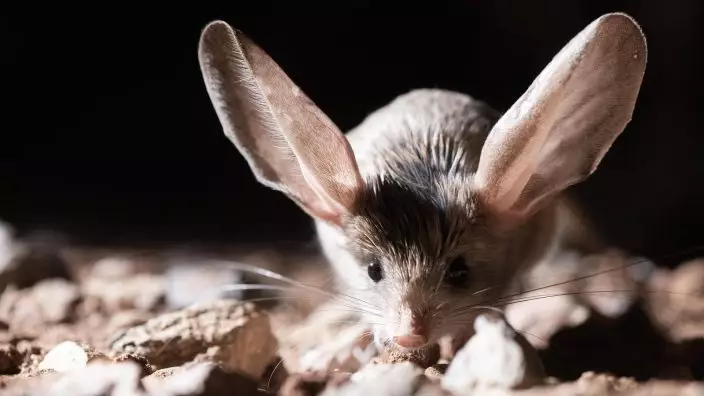
The Hong Kong Space Museum will launch a new dome show, "Wild Asia: Life at Extremes", at its Space Theatre from tomorrow (September 16). Photo shows a long-eared jerboa, resembling a magical combination of various animals. Long-eared jerboas use their extraordinary senses to track down prey with precision in the Gobi Desert at dark. Source: HKSAR Government Press Releases
The Hong Kong Space Museum will launch a new dome show, "Wild Asia: Life at Extremes", at its Space Theatre from tomorrow (September 16). Photo shows a long-eared jerboa, resembling a magical combination of various animals. Long-eared jerboas use their extraordinary senses to track down prey with precision in the Gobi Desert at dark. Source: HKSAR Government Press Releases

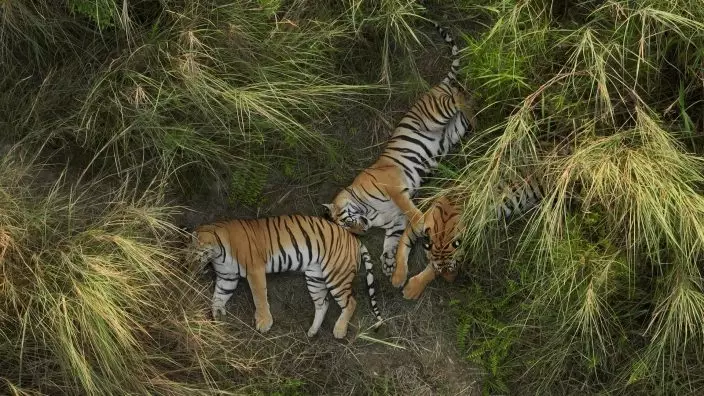
The Hong Kong Space Museum will launch a new dome show, "Wild Asia: Life at Extremes", at its Space Theatre from tomorrow (September 16). Photo shows Bengal tigers. Their orange and black stripes provide a natural camouflage in the grass for them to stalk their prey. Source: HKSAR Government Press Releases
The Hong Kong Space Museum will launch a new dome show, "Wild Asia: Life at Extremes", at its Space Theatre from tomorrow (September 16). Photo shows Bengal tigers. Their orange and black stripes provide a natural camouflage in the grass for them to stalk their prey. Source: HKSAR Government Press Releases

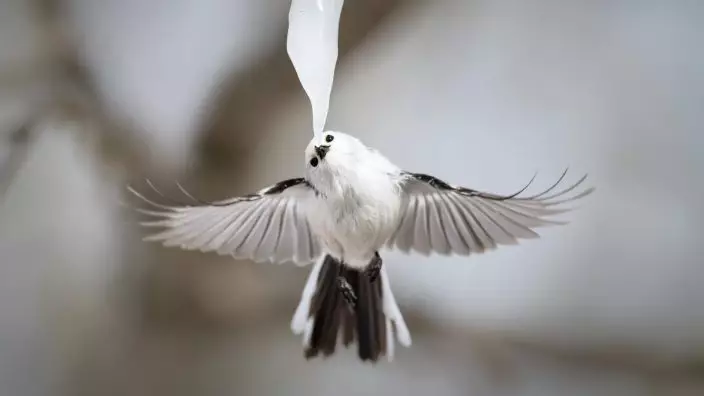
The Hong Kong Space Museum will launch a new dome show, "Wild Asia: Life at Extremes", at its Space Theatre from tomorrow (September 16). Photo shows a tiny long-tailed tit feasting on an icicle formed from tree sap in the freezing Japanese winter. Source: HKSAR Government Press Releases
The Hong Kong Space Museum will launch a new dome show, "Wild Asia: Life at Extremes", at its Space Theatre from tomorrow (September 16). Photo shows a tiny long-tailed tit feasting on an icicle formed from tree sap in the freezing Japanese winter. Source: HKSAR Government Press Releases

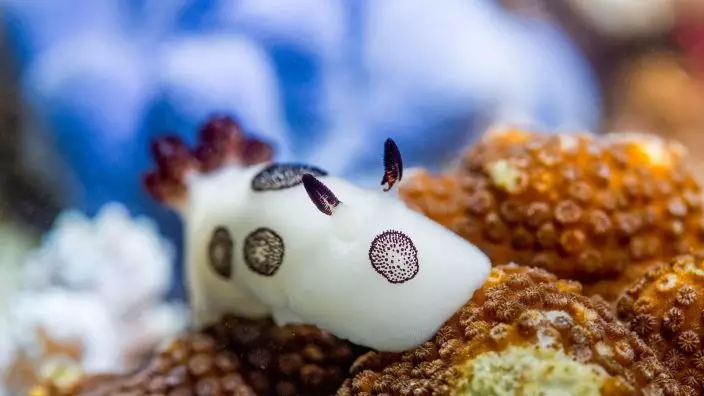
The Hong Kong Space Museum will launch a new dome show, "Wild Asia: Life at Extremes", at its Space Theatre from tomorrow (September 16). Photo shows a sea bunny, smaller than a thumb, in the treacherous depths of the Coral Triangle. It survives by consuming highly toxic blue sponges and turning their toxins to its own advantage. Source: HKSAR Government Press Releases
The Hong Kong Space Museum will launch a new dome show, "Wild Asia: Life at Extremes", at its Space Theatre from tomorrow (September 16). Photo shows a sea bunny, smaller than a thumb, in the treacherous depths of the Coral Triangle. It survives by consuming highly toxic blue sponges and turning their toxins to its own advantage. Source: HKSAR Government Press Releases

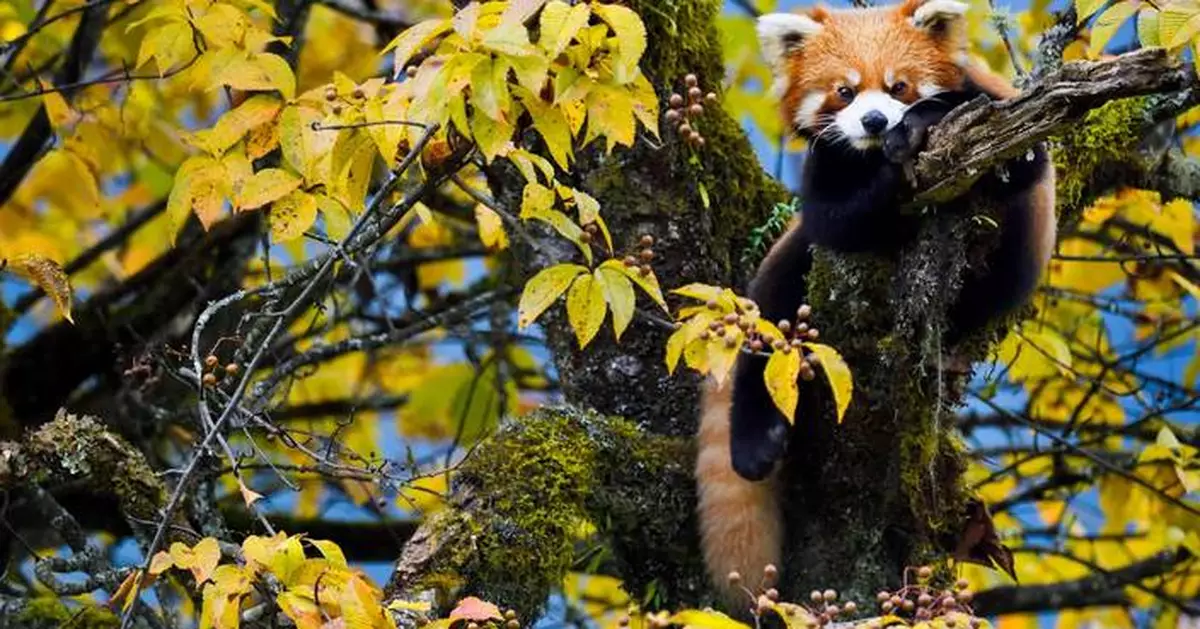
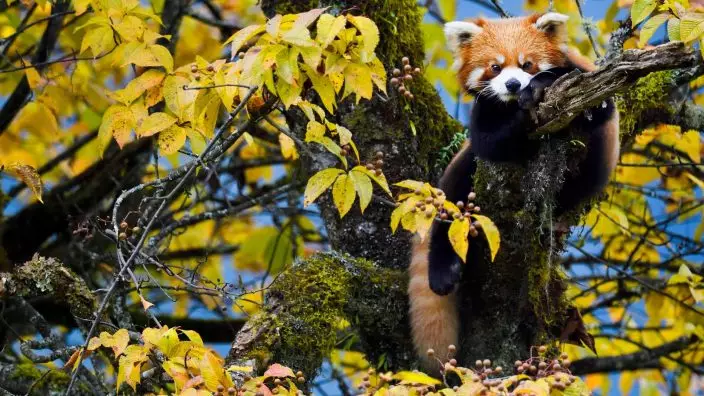
The Hong Kong Space Museum will launch a new dome show, "Wild Asia: Life at Extremes", at its Space Theatre from tomorrow (September 16). Photo shows a red panda. Red pandas are actually more closely related to raccoons than to giant pandas. In order to digest large quantities of bamboo, they spend most of their days in a simple routine: eat, sleep and repeat. Source: HKSAR Government Press Releases

The Hong Kong Space Museum will launch a new dome show, "Wild Asia: Life at Extremes", at its Space Theatre from tomorrow (September 16). Photo shows a red panda. Red pandas are actually more closely related to raccoons than to giant pandas. In order to digest large quantities of bamboo, they spend most of their days in a simple routine: eat, sleep and repeat. Source: HKSAR Government Press Releases
Across the expanse of Asia, a diverse range of extreme environments coexist, from the rugged peaks of the Himalayas and the arid and harsh Gobi Desert to the immense depths of the Pacific Ocean. Within these extreme realms, the struggle for survival between predator and prey never ceases. The show helps audiences track the elusive snow leopard near icy summits, the agile long-eared jerboa in deserts, and the cute yet deadly sea bunny in deep seas, as each faces its own test of survival.

The 43-minute show will run until June 14, 2027. Screening times are 5pm on weekdays, and 11am, 3.30pm and 8pm on weekends and public holidays. Tickets priced at $30 (front stalls) and $40 (stalls) are now available at the Hong Kong Space Museum Box Office and URBTIX (www.urbtix.hk). For details of the show, please visit(hk.space.museum/en/web/spm/shows/dome-show/wild-asia.html).

The Hong Kong Space Museum, located at 10 Salisbury Road, Tsim Sha Tsui, Kowloon, is closed on Tuesdays (except public holidays).

The Hong Kong Space Museum will launch a new dome show, "Wild Asia: Life at Extremes”, at its Space Theatre from tomorrow (September 16). Photo shows a mudskipper, which inhabits mangrove swamps. Mudskippers can breathe on land through their skin and even climb trees to forage and escape predators, demonstrating outstanding adaptability in an extreme habitat. Source: HKSAR Government Press Releases

The Hong Kong Space Museum will launch a new dome show, "Wild Asia: Life at Extremes”, at its Space Theatre from tomorrow (September 16). Photo shows a mudskipper, which inhabits mangrove swamps. Mudskippers can breathe on land through their skin and even climb trees to forage and escape predators, demonstrating outstanding adaptability in an extreme habitat. Source: HKSAR Government Press Releases

The Hong Kong Space Museum will launch a new dome show, "Wild Asia: Life at Extremes", at its Space Theatre from tomorrow (September 16). Photo shows a mother Tibetan fox preparing to hunt to support her hungry cubs on the Tibetan Plateau, where the weather is unpredictable. Source: HKSAR Government Press Releases

The Hong Kong Space Museum will launch a new dome show, "Wild Asia: Life at Extremes", at its Space Theatre from tomorrow (September 16). Photo shows a mother Tibetan fox preparing to hunt to support her hungry cubs on the Tibetan Plateau, where the weather is unpredictable. Source: HKSAR Government Press Releases

The Hong Kong Space Museum will launch a new dome show, "Wild Asia: Life at Extremes", at its Space Theatre from tomorrow (September 16). Photo shows a long-eared jerboa, resembling a magical combination of various animals. Long-eared jerboas use their extraordinary senses to track down prey with precision in the Gobi Desert at dark. Source: HKSAR Government Press Releases

The Hong Kong Space Museum will launch a new dome show, "Wild Asia: Life at Extremes", at its Space Theatre from tomorrow (September 16). Photo shows a long-eared jerboa, resembling a magical combination of various animals. Long-eared jerboas use their extraordinary senses to track down prey with precision in the Gobi Desert at dark. Source: HKSAR Government Press Releases

The Hong Kong Space Museum will launch a new dome show, "Wild Asia: Life at Extremes", at its Space Theatre from tomorrow (September 16). Photo shows Bengal tigers. Their orange and black stripes provide a natural camouflage in the grass for them to stalk their prey. Source: HKSAR Government Press Releases

The Hong Kong Space Museum will launch a new dome show, "Wild Asia: Life at Extremes", at its Space Theatre from tomorrow (September 16). Photo shows Bengal tigers. Their orange and black stripes provide a natural camouflage in the grass for them to stalk their prey. Source: HKSAR Government Press Releases

The Hong Kong Space Museum will launch a new dome show, "Wild Asia: Life at Extremes", at its Space Theatre from tomorrow (September 16). Photo shows a tiny long-tailed tit feasting on an icicle formed from tree sap in the freezing Japanese winter. Source: HKSAR Government Press Releases

The Hong Kong Space Museum will launch a new dome show, "Wild Asia: Life at Extremes", at its Space Theatre from tomorrow (September 16). Photo shows a tiny long-tailed tit feasting on an icicle formed from tree sap in the freezing Japanese winter. Source: HKSAR Government Press Releases

The Hong Kong Space Museum will launch a new dome show, "Wild Asia: Life at Extremes", at its Space Theatre from tomorrow (September 16). Photo shows a sea bunny, smaller than a thumb, in the treacherous depths of the Coral Triangle. It survives by consuming highly toxic blue sponges and turning their toxins to its own advantage. Source: HKSAR Government Press Releases

The Hong Kong Space Museum will launch a new dome show, "Wild Asia: Life at Extremes", at its Space Theatre from tomorrow (September 16). Photo shows a sea bunny, smaller than a thumb, in the treacherous depths of the Coral Triangle. It survives by consuming highly toxic blue sponges and turning their toxins to its own advantage. Source: HKSAR Government Press Releases

The Hong Kong Space Museum will launch a new dome show, "Wild Asia: Life at Extremes", at its Space Theatre from tomorrow (September 16). Photo shows a red panda. Red pandas are actually more closely related to raccoons than to giant pandas. In order to digest large quantities of bamboo, they spend most of their days in a simple routine: eat, sleep and repeat. Source: HKSAR Government Press Releases
The Hong Kong Space Museum will launch a new dome show, "Wild Asia: Life at Extremes", at its Space Theatre from tomorrow (September 16). Photo shows a red panda. Red pandas are actually more closely related to raccoons than to giant pandas. In order to digest large quantities of bamboo, they spend most of their days in a simple routine: eat, sleep and repeat. Source: HKSAR Government Press Releases

Moon-watching tips for Mid-Autumn Festival 2026

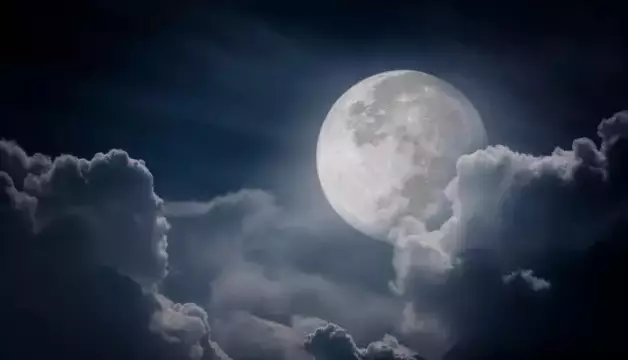
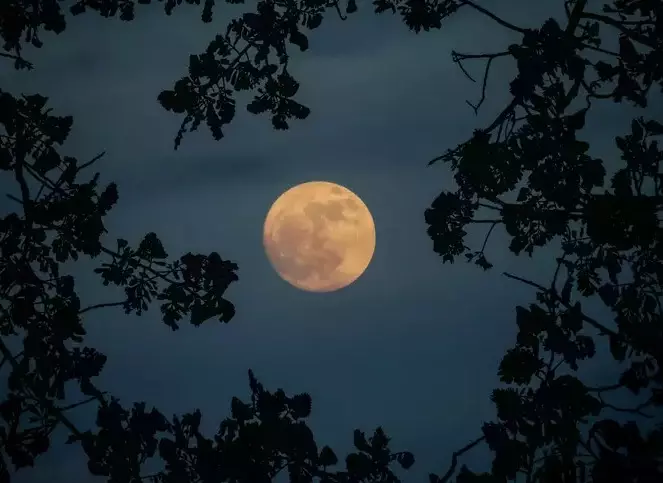
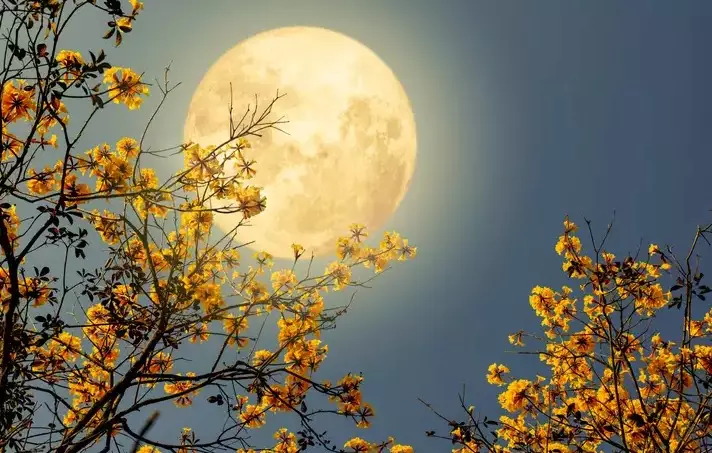
The Mid-Autumn Festival falls on September 25 (Friday) this year. Although the full moon will occur in the early hours of September 27 (Sunday) (i.e. late at night on the day following the Mid-Autumn Festival), a bright and round moon can still be seen at night during the Mid-Autumn Festival period, if weather permits.

Photo source: reference image

Photo source: reference image

To facilitate moon watching by the public, the times of moonrise, transit, moonset and full moon during the Mid-Autumn Festival period are listed in the table. At transit, the moon passes the local meridian, reaching its highest elevation of the night, when it is due south.

September 24 (Thursday) – the eve of the Mid-Autumn Festival

Moonrise

4.47pm

Transit (elevation 58 degrees)

10.40pm

Moonset

4.38am (next morning)

September 25 (Friday) – Mid-Autumn Festival

Moonrise

5.20pm

Transit (elevation 65 degrees)

11.24pm

Moonset

5.33am (next morning)

September 26 (Saturday) – the day following the Mid-Autumn Festival

Moonrise

5.54pm

Transit (elevation 71 degrees)

0.09am (next morning)

Full moon

0.49am (next morning)

Moonset

6.29am (next morning)

Photo source: reference image

Photo source: reference image

Please refer to the 9-day Weather Forecast issued by the Hong Kong Observatory and the Weather Information for Astronomical Observation webpage for the latest weather and astronomical observing conditions during the Mid-Autumn Festival period to facilitate planning of moon-watching activities.

Photo source: reference image

Photo source: reference image

Note: At full moon, the moon is completely illuminated as seen from the Earth, with the moon and the sun located on the opposite sides of the Earth.

Recommended Articles