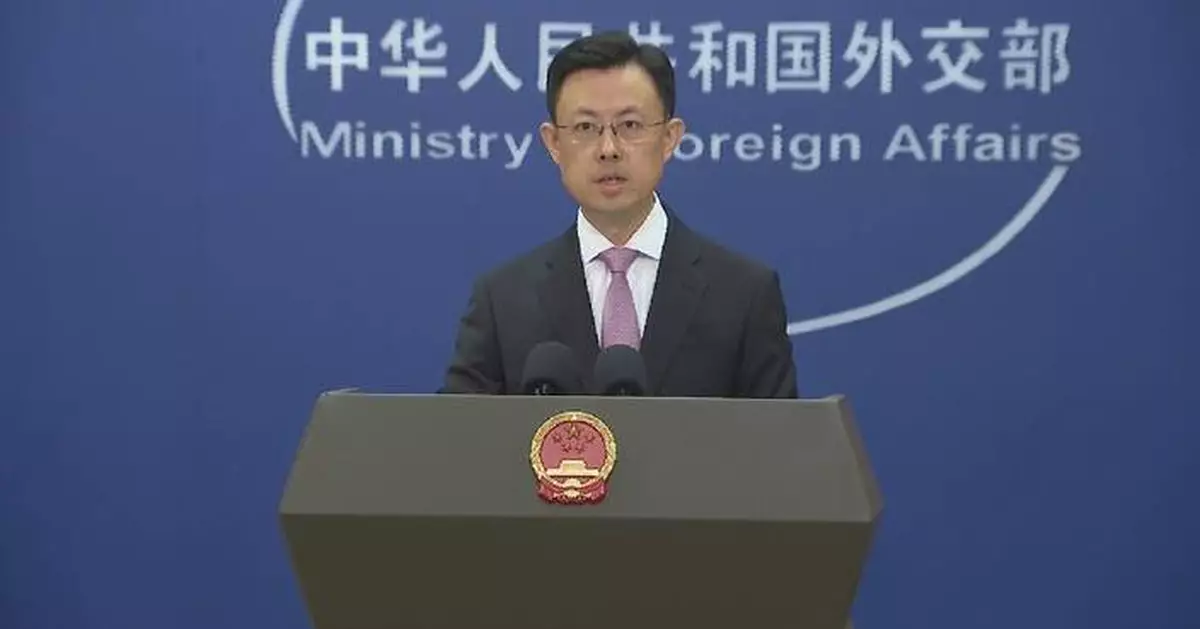
Japanese Prime Minister Sanae Takaichi's erroneous remarks and actions on China's Taiwan region constitute the biggest obstacle facing China-Japan relations, Chinese Foreign Ministry Spokesman Guo Jiakun said on Tuesday.
Guo made the statement at a regular press conference in Beijing in response to a media query on China-Japan relations, as he briefed reporters on a meeting held Monday between China's Assistant Minister of Foreign Affairs Liu Bin and a visiting delegation of young lawmakers from the Japan-China Friendship Parliamentarians' Union.
"China's Assistant Minister of Foreign Affairs Liu Bin met with the visiting delegation of young lawmakers from the Japan-China Friendship Parliamentarians' Union on Monday. The Chinese side stressed that the erroneous remarks and deeds of Japanese Prime Minister Sanae Takaichi concerning the Taiwan region are the biggest sticking point behind the serious difficulties currently facing China-Japan relations. The Japanese side should abide by the four political documents between China and Japan, draw lessons from history, and win the trust of its Asian neighbors and the rest of the international community through concrete actions," he said.
"We hope the Japan-China Friendship Parliamentarians' Union will uphold its tradition of friendship with China, demonstrate responsibility and commitment, and create the conditions and environment for bilateral relations to return to the right track," said the spokesman.
Takaichi on November 7, 2025, made blatant and provocative remarks on Taiwan at the Diet, claiming that a Taiwan contingency could constitute a "survival-threatening situation" for Japan, and implying that Japan might invoke the so-called "right to collective self-defense" for armed intervention across the Taiwan Strait.
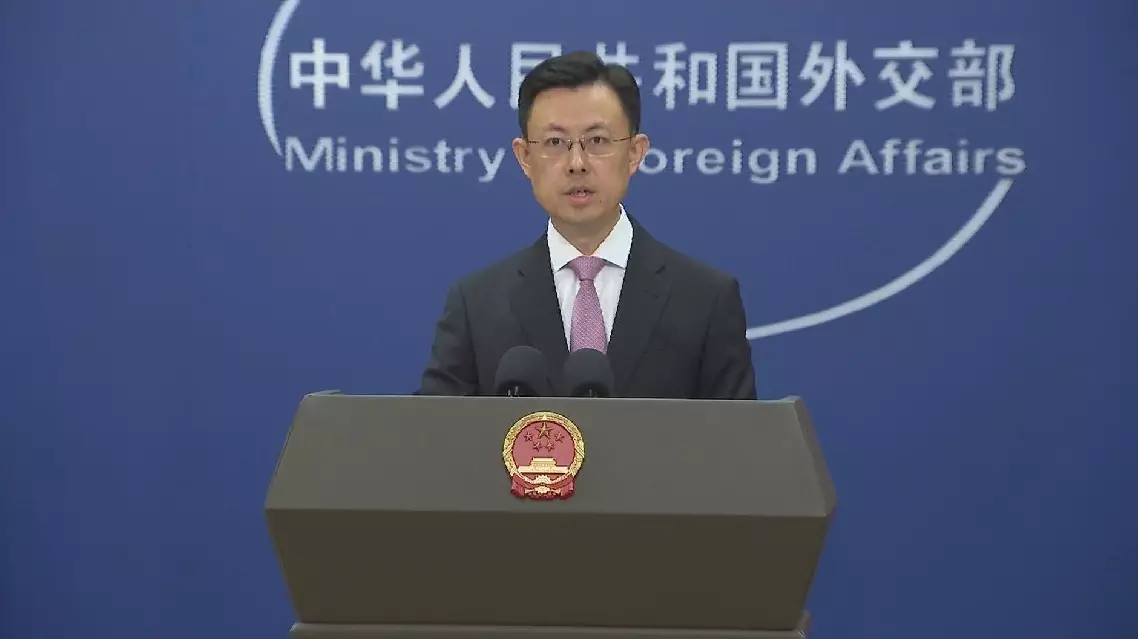
Japanese PM's erroneous remarks on China's Taiwan biggest obstacle to China-Japan relations: spokesman
Japanese PM's erroneous remarks on China's Taiwan biggest obstacle to China-Japan relations: spokesman
Restrictions on the import of engine lubricants and spare parts, coupled with fuel shortages, are placing immense strain on the energy supply for critical public services in Gaza Strip, including water supply, desalination, and healthcare, the United Nations warned on Monday.
The UN said that the ongoing Israeli military operations in Gaza continue to result in civilian casualties.
The United Nations Office for the Coordination of Humanitarian Affairs (OCHA) said that over the past weekend, Israeli military operations continued across the Gaza Strip, particularly in areas west of the temporary ceasefire line, the so-called "Yellow Line."
The UN emphasized that civilians, civilian infrastructure, humanitarian personnel, and supplies must always be protected.
United Nations International Children's Emergency Fund (UNICEF) reported that over the past week, nine children were killed in Gaza, and a pregnant woman and her unborn child were shot and killed. In addition, at least 13 children were injured in the conflict.
Meanwhile, the energy supply on which Gaza's critical public services depend is facing mounting pressure.
The UN said that water pumping stations, desalination facilities, medical services, and food distribution currently rely on backup generators and transportation systems. However, the entry of engine lubricants and spare parts into Gaza is restricted, and there is a severe shortage of funds needed to purchase fuel.
According to information gathered by the UN, since March of this year, Israeli authorities have approved only about 13,500 liters of engine lubricant to enter Gaza, while more than 92,000 liters are pending approval.
"Without urgent approvals for engine oil and spare parts, people's access to safe water could worsen even further. Sewage systems could fail if pumping systems shut down and uncollected waste could build up again," Farhan Haq, deputy spokesman for UN Secretary-General Antonio Guterres, told reporters on Monday.
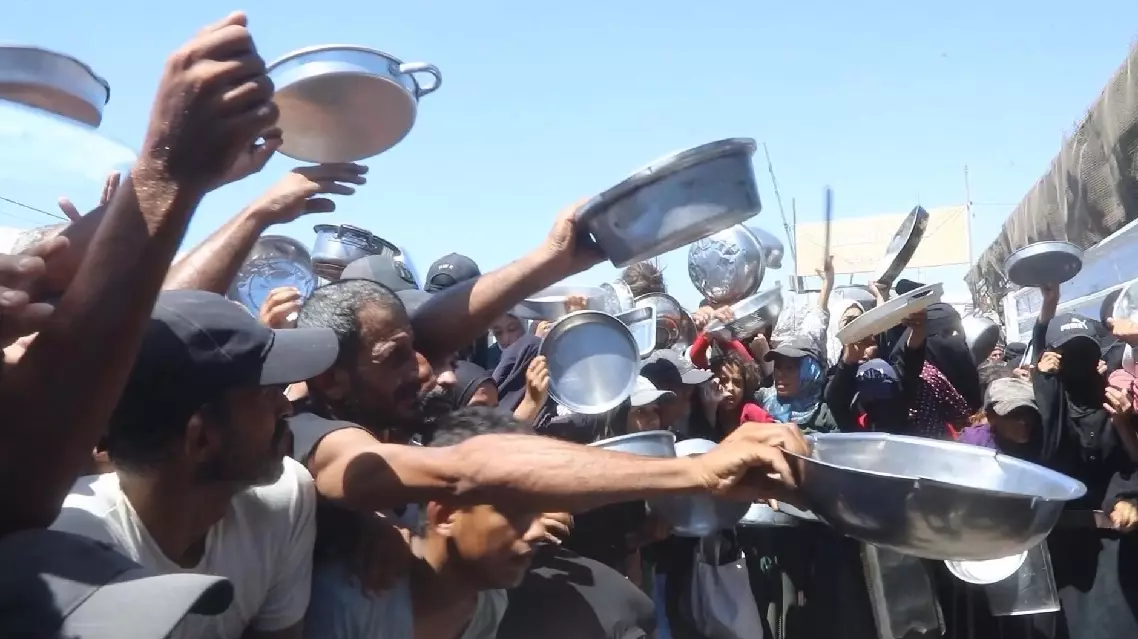
Critical public services under strain due to fuel shortage in Gaza: UN