Skip to Content Facebook Feature Image

Cebreo Medical Receives CE Mark for NeuroBuds®, a Discreet In-Ear, Medical-Grade EEG Wearable for Extended Ambulatory Monitoring

Business

Cebreo Medical Receives CE Mark for NeuroBuds®, a Discreet In-Ear, Medical-Grade EEG Wearable for Extended Ambulatory Monitoring
Business

Business

Cebreo Medical Receives CE Mark for NeuroBuds®, a Discreet In-Ear, Medical-Grade EEG Wearable for Extended Ambulatory Monitoring

2026-09-15 19:03 Last Updated At:19:30

ALLERØD, Denmark--(BUSINESS WIRE)--Sep 15, 2026--

Cebreo Medical today announced that its NeuroBuds® device has received CE marking, confirming conformity with applicable EU requirements. Unlike conventional EEG systems that require a technician-applied cap of electrodes, NeuroBuds is designed to be used unassisted by the patient at home, enabling multi-day and multi-night recordings in a patient's daily life environment.

This press release features multimedia. View the full release here: https://www.businesswire.com/news/home/20260914704547/en/

“With NeuroBuds, we can offer a discreet, unobtrusive solution that enables long-term, unassisted EEG monitoring for weeks, in patients’ own homes. The product has the potential to significantly reduce the cost of long-term EEG monitoring and strengthen treatment decisions compared with conventional brain monitoring.”
— Rasmus Madsen, CEO, Cebreo Medical

Designed to resemble a hearing aid, NeuroBuds is built to minimize the stigma and burden that typically limit compliance in long-term EEG monitoring. Because it is comfortable and simple enough for unassisted use, it supports monitoring periods of up to three months, with repeat measurements.

Extending EEG monitoring beyond the hospital

Extended, ambulatory EEG monitoring has relevance well beyond a single condition — from epilepsy to sleep medicine and other areas of neurophysiological research. Drug-resistant epilepsy is one clear example: treatment decisions depend on an accurate, longitudinal picture of seizure frequency and treatment response.

“For patients with drug-resistant epilepsy, the question is not whether they have seizures — it's how often, and whether a new treatment is actually working. Patient-reported seizure counts are often unreliable, particularly for subtle or nocturnal seizures patients don't even notice. An ambulatory ear-EEG device that can run for weeks at a time, in the patient's own daily life, provides the EEG data with the potential to objectively quantify the seizure burden, and hence, more properly evaluate treatment.”
— Prof. Sandor Beniczky, Department of Clinical Neurophysiology, Rigshospitalet; Danish Epilepsy Centre

What's next

With CE marking secured, Cebreo Medical will expand commercial availability across European research and clinical sites while advancing its US regulatory pathway.

About Cebreo Medical

Cebreo Medical A/S is a Danish medical technology company developing wearable EEG solutions for extended, real-world neurophysiological monitoring.
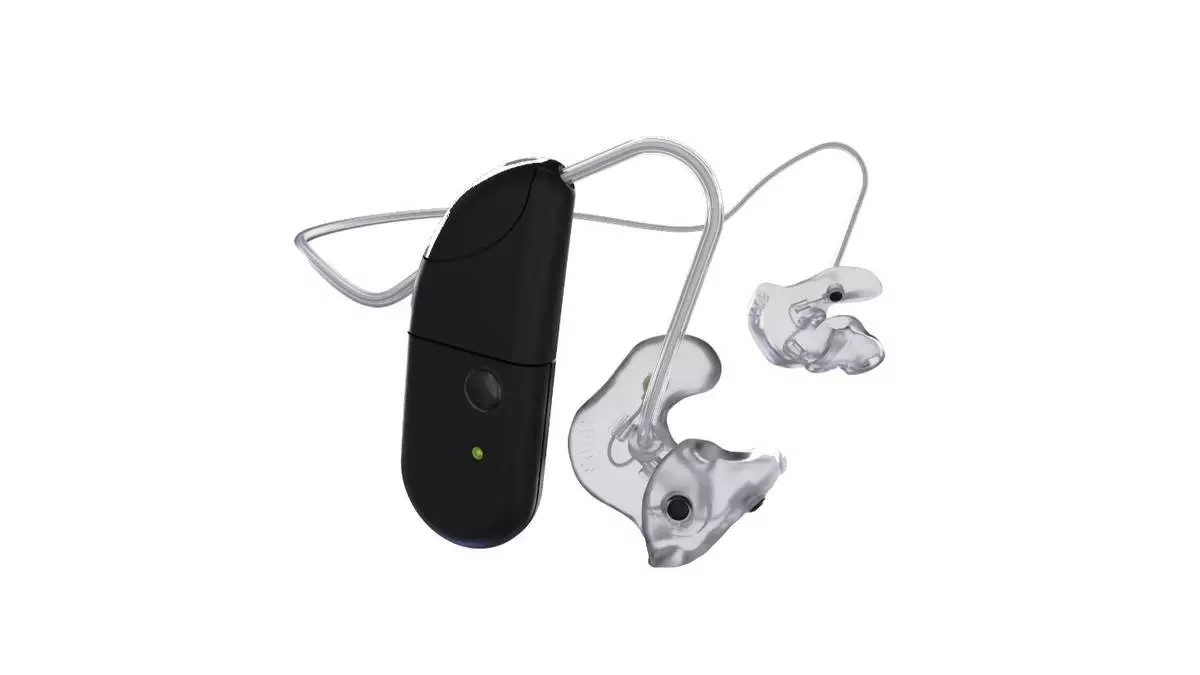
NeuroBuds(TM), EarEEG

NeuroBuds(TM), EarEEG

NeuroBuds(TM), EarEEG
NeuroBuds(TM), EarEEG
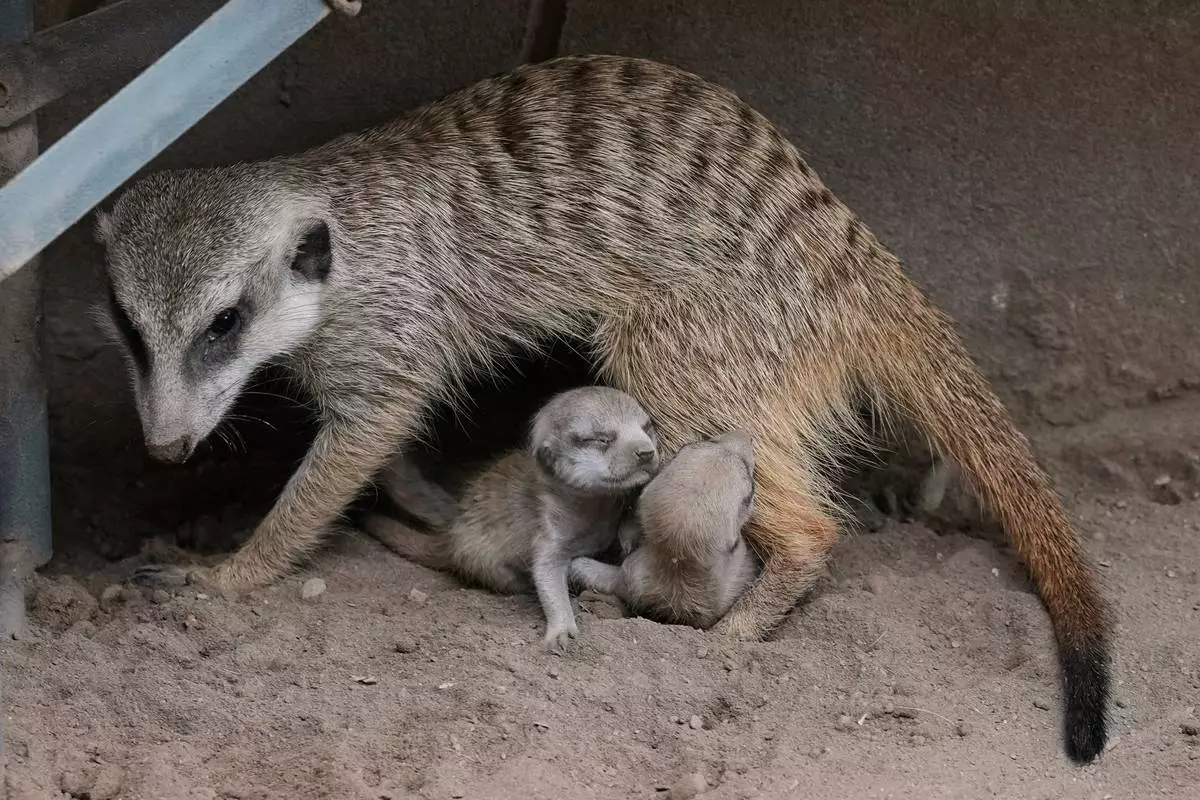
LIMA, Peru (AP) — A private zoo in Peru on Wednesday introduced two baby meerkats born in Lima as part of an effort to raise awareness about wildlife conservation and introduce visitors to the African species.

Eduardo Espíritu, a biologist in charge of mammals at NaviFauna, a private zoo and wildlife refuge, said the initiative aims to educate the public about the importance of protecting biodiversity.

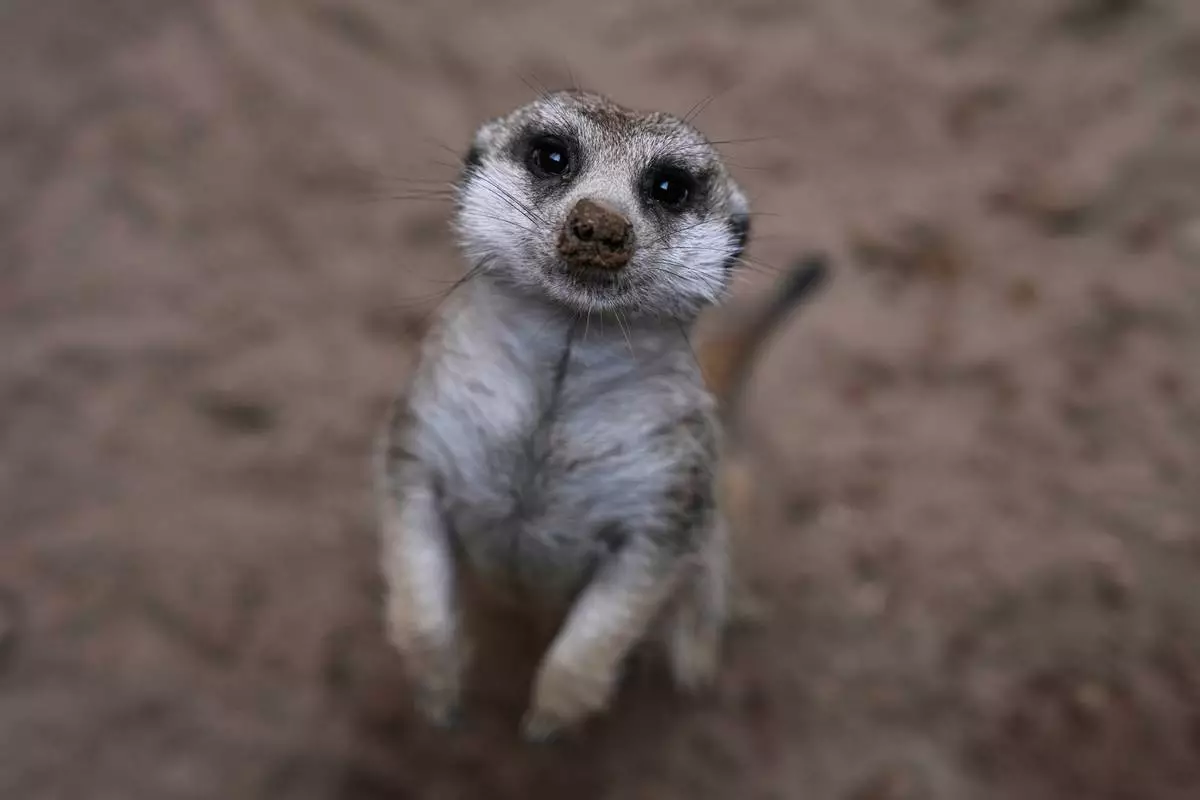
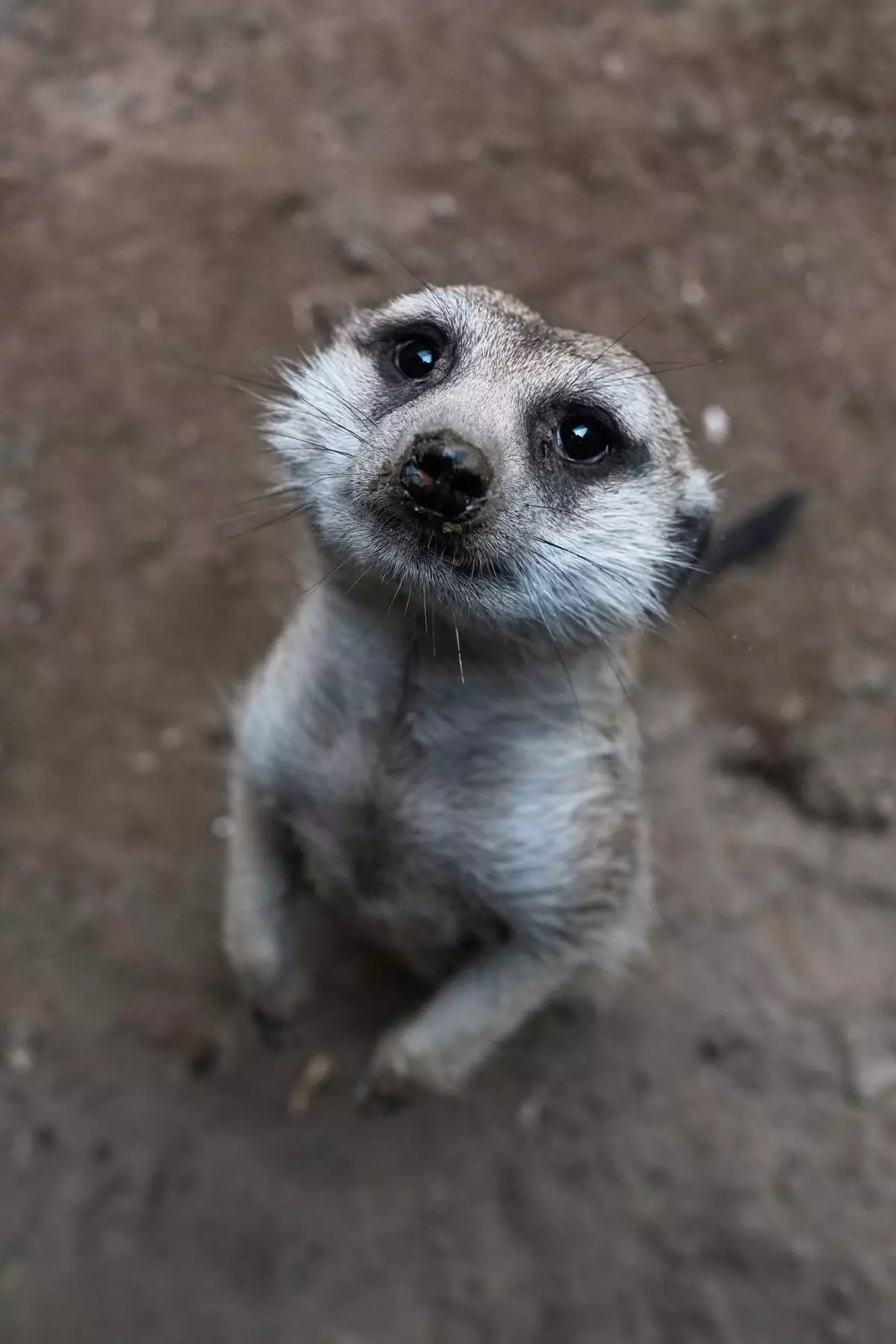
Meerkats are small mammals native to southern Africa that dig underground burrows and often stand upright to keep watch for potential threats.

“Meerkats cannot be pets. They are wild animals,” Espíritu said. “We focus on keeping them healthy, and one sign of that is reproduction,” something the zoo has successfully achieved in Lima.

The zoo is home to 15 meerkats, eight of which have been born in Lima since 2025. The other seven arrived from their native Botswana in 2022 through an exchange between zoos, according to NaviFauna.

The species gained widespread popularity through Timon, the meerkat character in Disney’s “The Lion King.”

NaviFauna is a private zoo authorized by Peru’s forestry and wildlife service. It also houses capybaras, macaws and flamingos.

Follow AP’s coverage of Latin America and the Caribbean at https://apnews.com/hub/latin-america

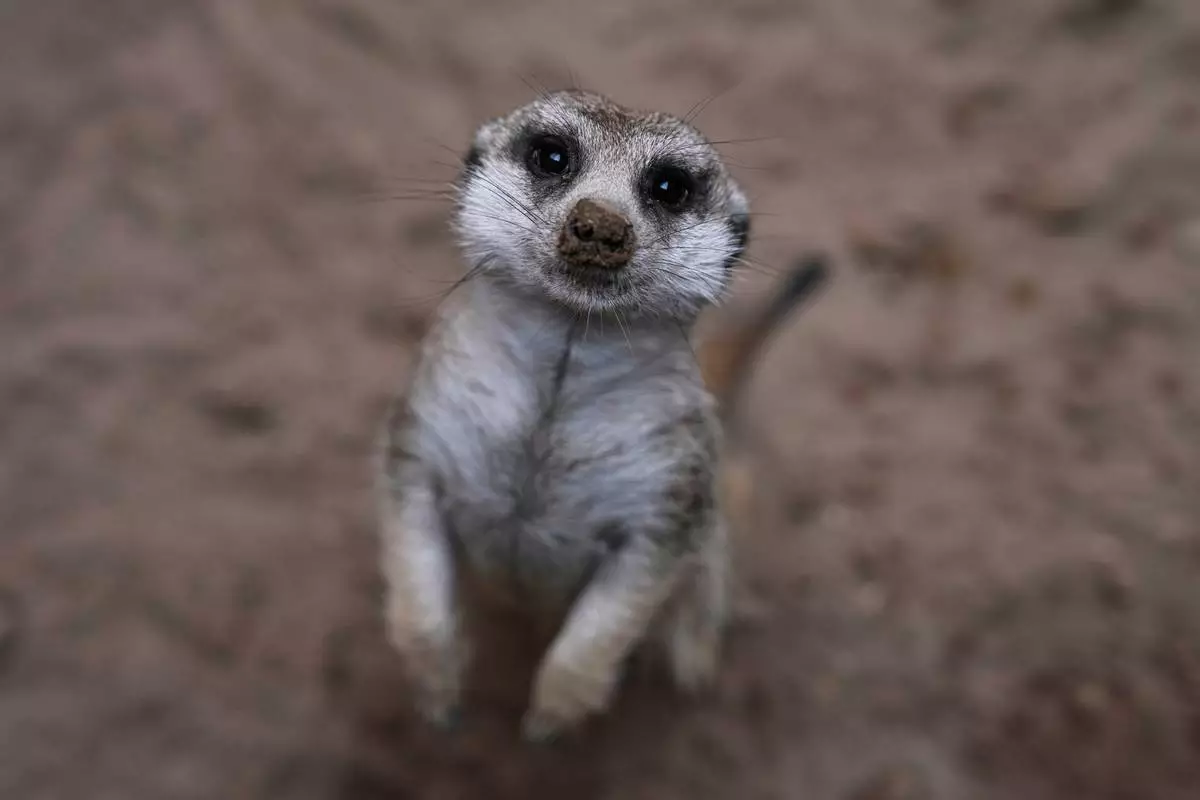
A meerkat eyes the camera at the NaviFauna Sanctuary in Lima, Peru, Wednesday, Nov. 25, 2026. (AP Photo/Martin Mejia)

A meerkat eyes the camera at the NaviFauna Sanctuary in Lima, Peru, Wednesday, Nov. 25, 2026. (AP Photo/Martin Mejia)

A meerkat eyes the camera at the NaviFauna Sanctuary in Lima, Peru, Wednesday, Nov. 25, 2026. (AP Photo/Martin Mejia)

A meerkat eyes the camera at the NaviFauna Sanctuary in Lima, Peru, Wednesday, Nov. 25, 2026. (AP Photo/Martin Mejia)

A Meerkat stands over its babies who were born in captivity during their presentation to the public at the NaviFauna Sanctuary in Lima, Peru, Wednesday, Nov. 25, 2026. (AP Photo/Martin Mejia)

A Meerkat stands over its babies who were born in captivity during their presentation to the public at the NaviFauna Sanctuary in Lima, Peru, Wednesday, Nov. 25, 2026. (AP Photo/Martin Mejia)

A meerkat eyes the camera at the NaviFauna Sanctuary in Lima, Peru, Wednesday, Nov. 25, 2026. (AP Photo/Martin Mejia)

A meerkat eyes the camera at the NaviFauna Sanctuary in Lima, Peru, Wednesday, Nov. 25, 2026. (AP Photo/Martin Mejia)

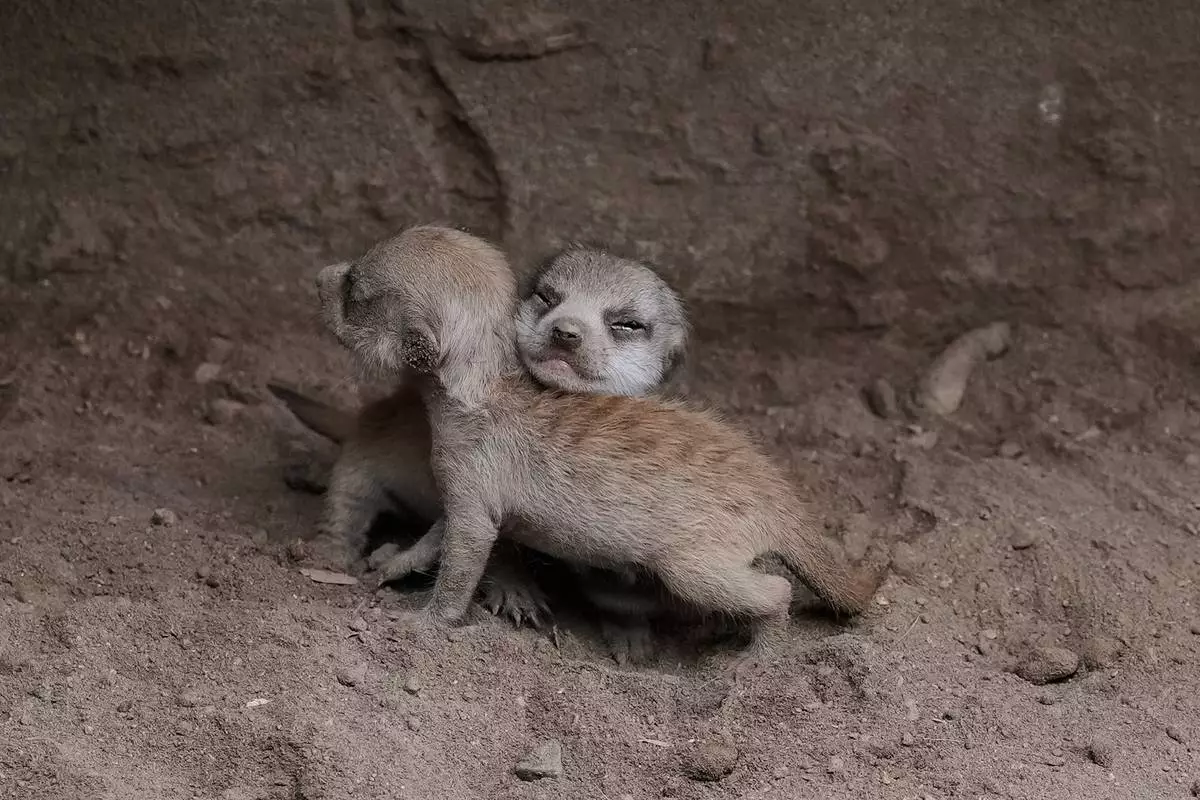
Baby meerkats play as they are presented to the public for the first time after being born in captivity at the NaviFauna Sanctuary in Lima, Peru, Wednesday, Nov. 25, 2026. (AP Photo/Martin Mejia)

Baby meerkats play as they are presented to the public for the first time after being born in captivity at the NaviFauna Sanctuary in Lima, Peru, Wednesday, Nov. 25, 2026. (AP Photo/Martin Mejia)

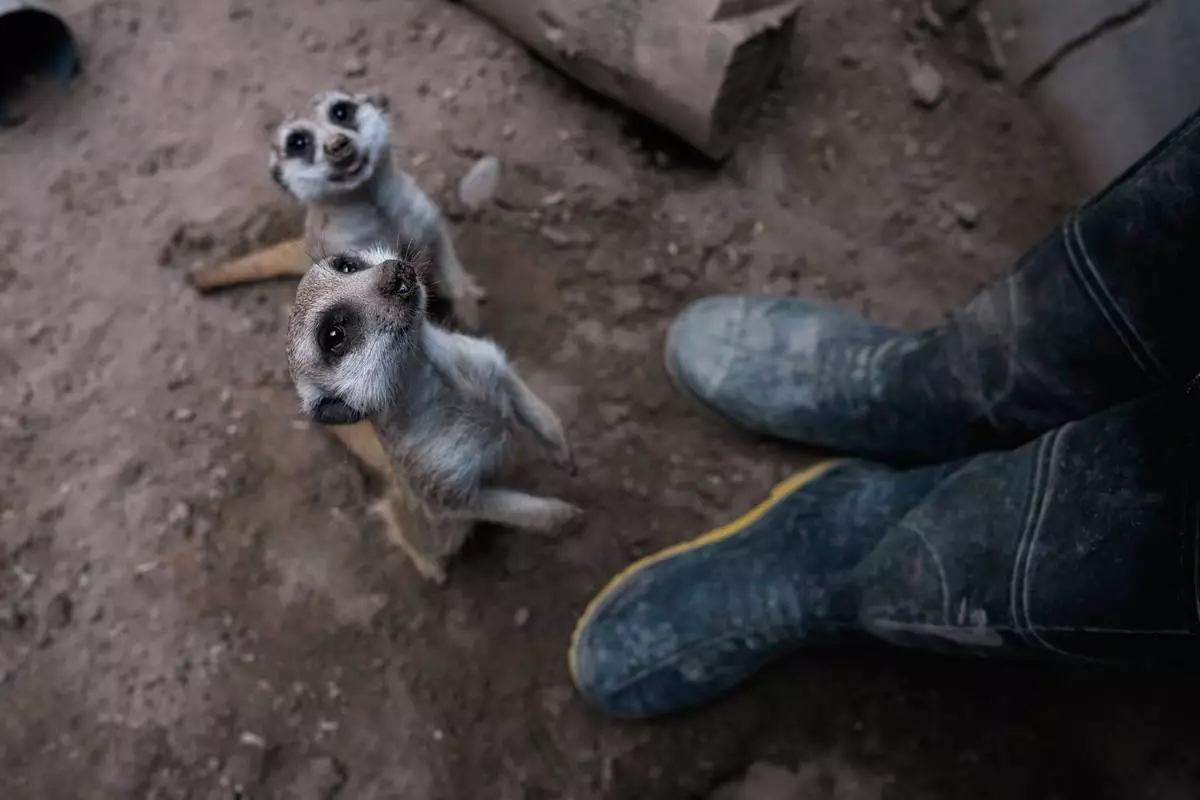
Baby meerkats look up at their keeper as they are presented to the public for the first time after being born in captivity at the NaviFauna Sanctuary in Lima, Peru, Wednesday, Nov. 25, 2026. (AP Photo/Martin Mejia)

Baby meerkats look up at their keeper as they are presented to the public for the first time after being born in captivity at the NaviFauna Sanctuary in Lima, Peru, Wednesday, Nov. 25, 2026. (AP Photo/Martin Mejia)

Recommended Articles