Full text of the First Five-Year Plan for Economic and Social Development of the Hong Kong Special Administrative Region (2026-2030) (3)
Section 3 Continue to Pursue the Comprehensive Upgrade ofthe Mainland and Hong Kong Closer Economic Partnership Arrangement (CEPA)
Click to Gallery
Photo source: reference image
Photo source: reference image

Photo source: reference image
The Loop Hong Kong Park, Photo source: reference image
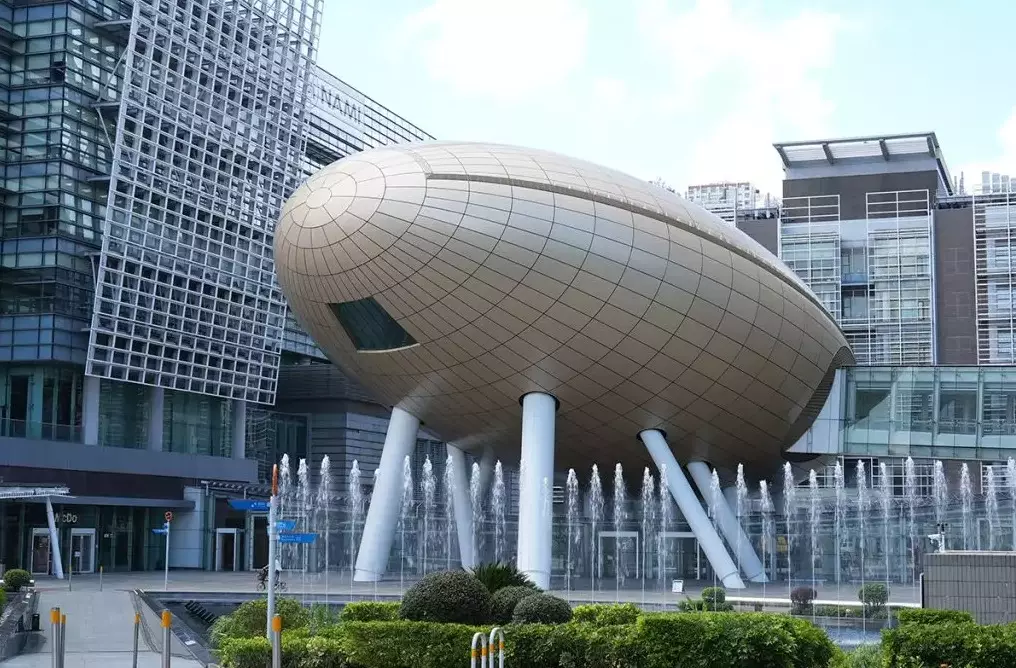
Hong Kong Science Park, Photo source: reference image
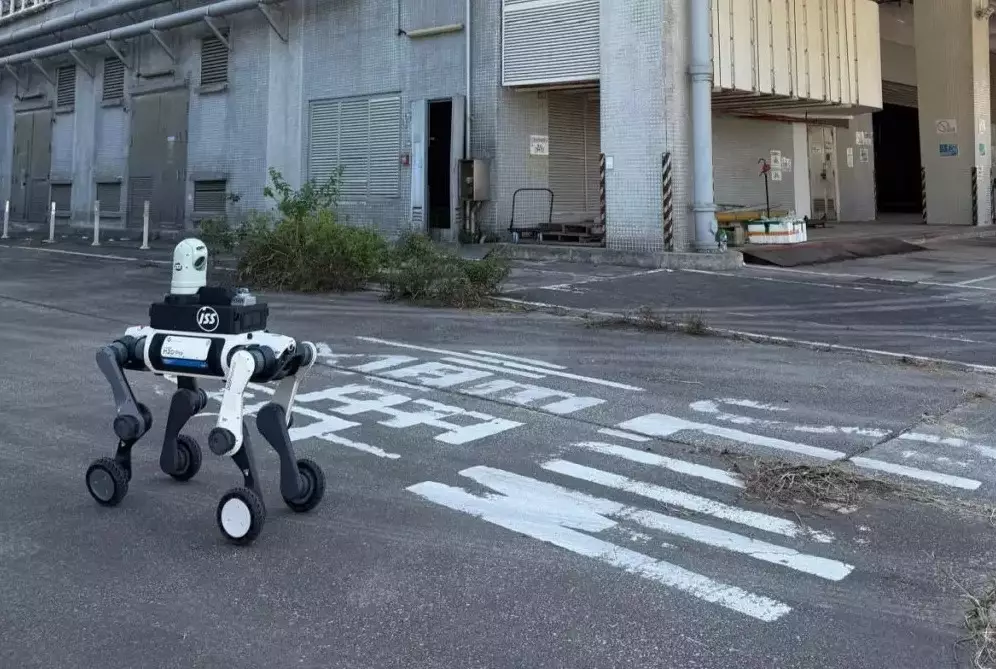
Photo source; Hong Kong Science Park
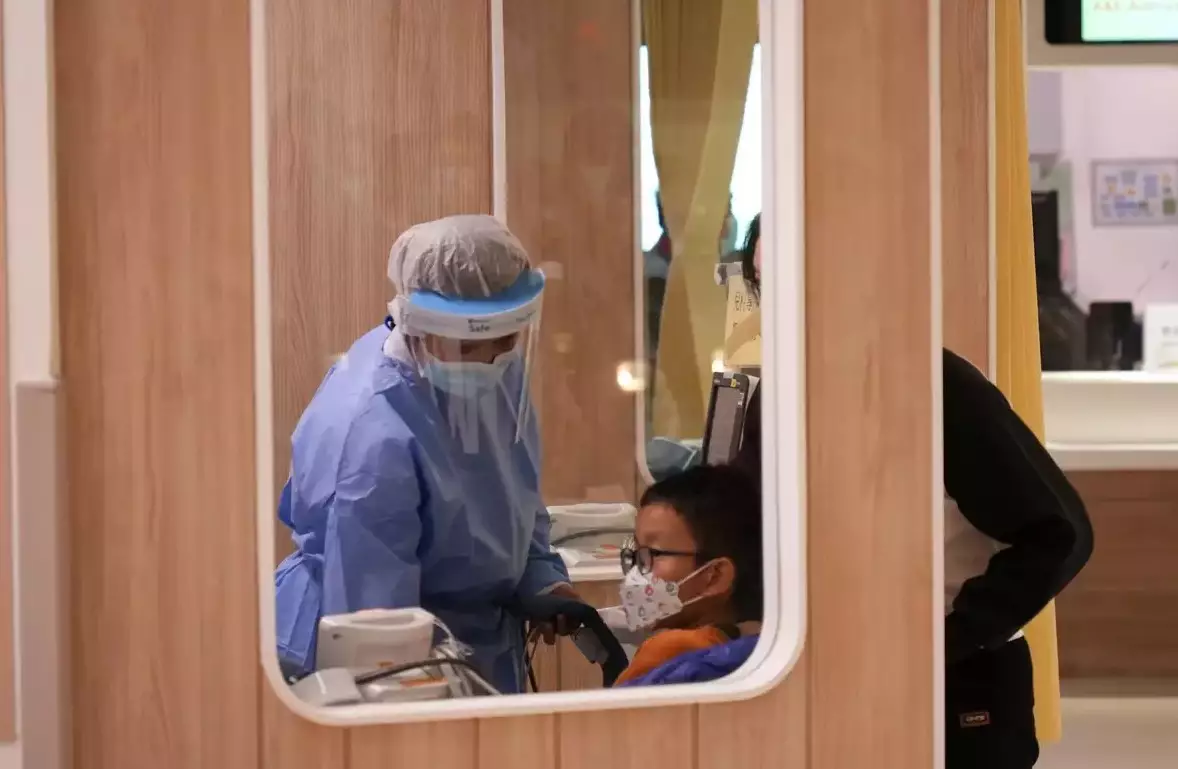
Photo source: reference image
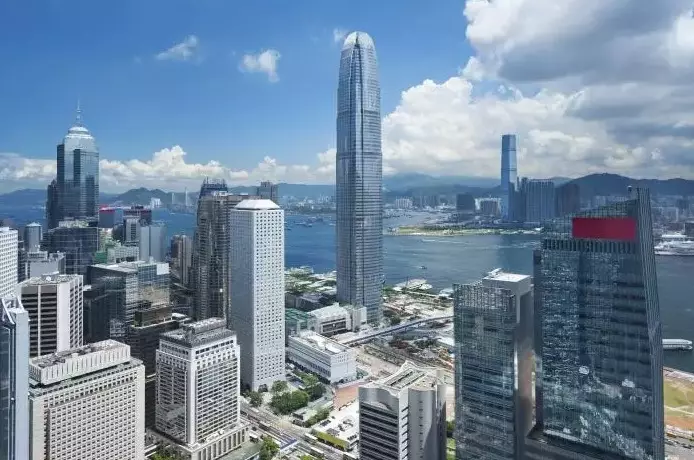
Hong Kong, Photo source: reference image
Photo source; reference image
Photo source: reference image
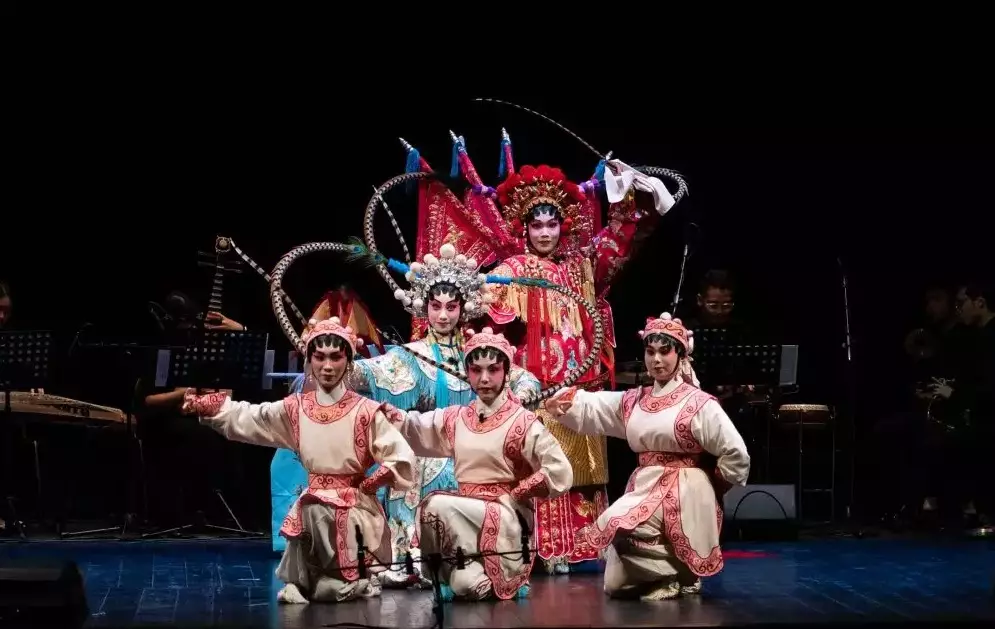
Photo source: HKSAR Government Press Releases
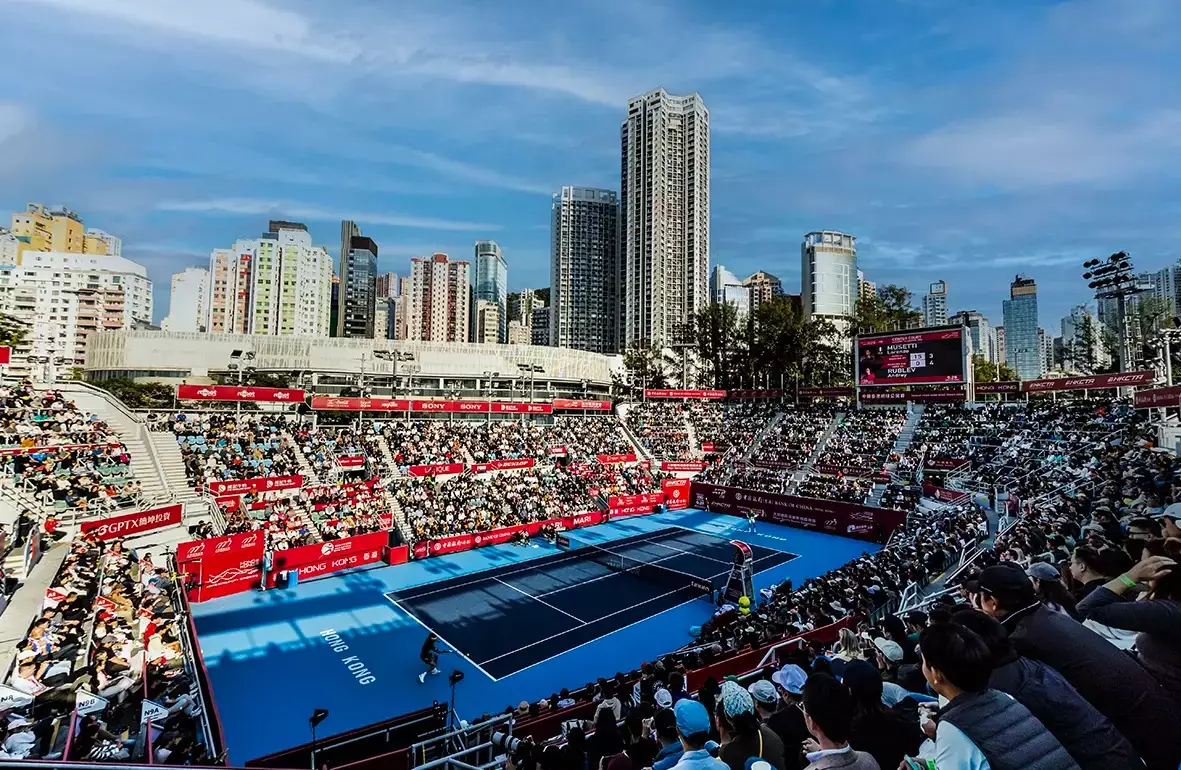
Photo source: reference image
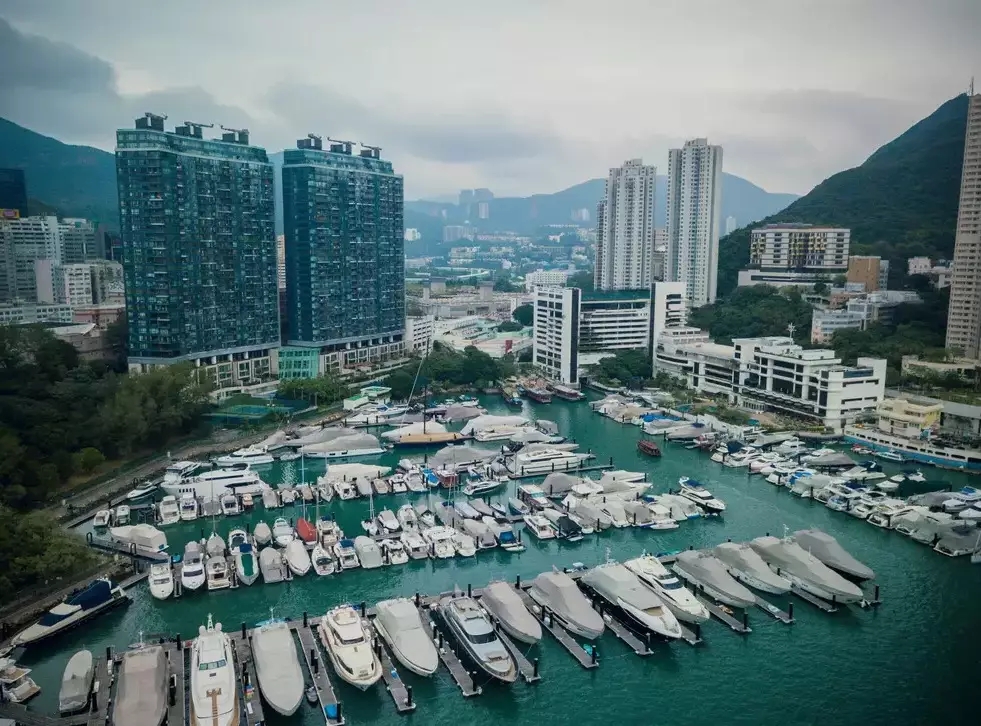
Photo source: reference image
2.34 We will continue to deepen liberalisation under CEPA. We will actively drive the continuous expansion of liberalisation measures under CEPA and deepen co-operation with Mainland service sectors. By leveraging CEPA liberalisation measures, we will continue to strive for further expansion of the Mainland market access and liberalised areas to achieve a higher level of liberalisation in service sectors where Hong Kong enjoys competitive advantages, including the application of national treatment for Hong Kong service suppliers outside the negative list and the improvement of the liberalisation commitments of the Mainland on cross-boundary trade in services under the negative list approach, as well as the promotion of mutual recognition of rules and standards in areas such as trade, investment, finance, IP, and digital governance, etc. We will further introduce the quality professional services of Hong Kong into the Mainland market to facilitate the high-quality development of Mainland service sectors, thereby leveraging Hong Kong's strengths to serve the country's needs and injecting great impetus into the long-term development of our economy.
Photo source: reference image
2.35 Under the CEPA framework, we will seek to align with advanced international economic and trade rules, and adopt an "early and pilot implementation" approach in the Guangdong-Hong Kong-Macao Greater Bay Area to achieve a higher level of liberalisation.
Section 4 Promote the Growth of Digital Trade andOther Emerging Business Models at Full Steam
2.36 We will actively develop digital trade to expedite the digitalisation of trade documents. In addition to promoting the import and export of digital technology, products, and services (including token), we will enhance the data services industry chain, explore facilitation arrangements for cross-boundary data flow within the Guangdong-Hong Kong-Macao Greater Bay Area, and actively participate in international governance of digital trade. We will progressively roll out Phase 3 services of the Trade Single Window and promote connectivity with the single windows of the Mainland and other economies to strengthen regional co-operation in digital trade. We will also connect the Trade Single Window with the Commercial Data Interchange of the Hong Kong Monetary Authority to, facilitate banks' access to relevant commercial data for trade finance assessments, helping enterprises reduce financing costs and improve cash flow. We will also facilitate digitalisation of business-to-business trade documents by introducing local legislative amendments, allowing the industry to develop technical solutions that suit their actual needs.
2.37 We will actively develop cross-border e-commerce to fully leverage Hong Kong's unique advantages as an international trading and logistics hub, encouraging brands to go global. We will promote the upgrading, restructuring, and digital transformation of SMEs, as well as their application of emerging technologies by providing flexible funding support, capacity building, training, assistance in promotion, etc. In the meantime, we will encourage SMEs to develop e-commerce supply chains through Hong Kong's cross-border e-commerce networks connecting the Mainland and the world, and leverage platform data analysis to refine their product strategies and marketing campaigns. With such efforts, more targeted resource deployment, enhanced operational efficiency, and market competitiveness can be achieved, and enterprises' capabilities in, among others, e-commerce operations and brand development will be strengthened.
Photo source: reference image
Chapter 9 International Innovation and Technology Centre and International Hub for High-calibre Talent
2.38 We will, on our foundation of being home to five higher education institutions ranked among the world's top 100, focus on international frontier technology fields and strengthen our basic scientific research capabilities in original innovation, with a view to building a robust foundation for developing Hong Kong into an international I&T centre on all fronts. We will actively advance the development of the three major I&T parks under the "north-central-south" spatial layout as well as the five key R&D institutions, so as to establish a global industry-academia-research collaborative innovation platform, and develop Hong Kong into an internationally competitive advanced R&D centre and pilot production and transformation base for technology industries. We will also bring together global top talent and scientific research resources to actively promote the development of new industrialisation system with Hong Kong character, strengthening emerging industries, while planning for future industries. We will also develop Hong Kong into a health and medical innovation hub with global influence. We will basically have established an international I&T centre based in the Guangdong-Hong Kong-Macao Greater Bay Area, serving the entire country and connected to the world, after 2030, giving rise to a new system and new paradigm for I&T development where enterprises will be the key players, "unicorns" will be the lead, and modern finance will empower the integrated development of technological and industry innovation, bringing into full play the strengths of world class institutions in scientific research.
Section 1 Enhance the Institutional Framework forInnovation and Technology Development
2.39 We will expedite the alignment with key national strategies in technology. Targeting the country's strategic technology areas, we will focus on core technologies such as life and health, AI and robotics, microelectronics, new energy, advanced manufacturing and new materials, etc. We will take forward the setup of major scientific research platforms at the national and regional levels, with a view to achieving greater scientific breakthroughs in core technologies, as well as in areas pertaining to the core needs of the country, while bringing in relevant enterprises and facilitating their development in Hong Kong. We will continue to raise the ratio of Total Domestic Expenditure on Innovation Activities to GDP, striving to reach 3% after 2030. We will continue to enhance the Mainland-Hong Kong Technology Cooperation Funding Scheme to strengthen collaboration between the Mainland and Hong Kong in scientific research and making technological breakthroughs. We will consolidate, enhance, and fully leverage the "dual base" advantage presented by the State Key Laboratories in Hong Kong and the InnoHK Research Clusters (InnoHK), and support these State Key Laboratories in conducting basic and applied research in line with the core needs of the country.
Photo source: reference image
Table 12 Developing Major Technology Projects
1. Expanding global scientific research collaborations continuously and attracting high-calibre international talent through InnoHK
- Optimise three research clusters under InnoHK covering key areas, with respective focus on life and health technologies, AI and robotics technologies, as well as sustainable development, energy, advanced manufacturing and materials, thereby increasing the overall scale and magnitude of R&D investment, and strengthening capabilities in basic and scientific research.
- In the area of life and health technologies, support will focus on drug development, molecular diagnostics, bioengineering, vaccine R&D, and medical devices, with a view to establishing a comprehensive chain from basic research to clinical translation.
- In the area of AI and robotics technologies, support will focus on robotics, intelligent systems, AI applications,AI-driven advanced manufacturing and construction, with a focus on promoting the development of future industries such as embodied intelligence.
- In the areas of sustainable development, energy, advanced manufacturing and materials, support will be given to the advancement of sustainable energy and energy storage technologies, with a focus on novel functional materials. Together with intelligent systems and advanced manufacturing technologies, these initiatives will empower future growth.
2. Fostering wider application with respect to areas such as quantum technology, aerospace technology, and ocean exploration, etc.
- Actively explore the development of new technology areas, including quantum technology, aerospace technology, and ocean exploration, etc, with planning focusing on new R&D capabilities.
3. Conducting research on high precision weather prediction model
- Develop a meteorological monitoring data platform for the Guangdong-Hong Kong-Macao Greater Bay Area in the Hong Kong Park of the Hetao Shenzhen-Hong Kong Science and Technology Innovation Co-operation Zone to facilitate data interconnectivity and sharing of outcomes.
4. Expanding the microelectronics industry chain at full steam
- In addition to establishing the Hong Kong Microelectronics Research and Development Institute, actively press ahead with the establishment of the first national manufacturing innovation centre in Hong Kong. By leveraging Hong Kong's advantages, aim to bring together resources from both overseas and the Mainland, contributing to the country's efforts in achieving a leading position in the strategic field of power semiconductors. Building on its existing foundation, the Microelectronics Research and Development Institute will take the lead in operating the innovation centre at the Microelectronics Centre building, with the target of establishing this innovation centre by 2027.
2.40 We will leverage the role of universities as the source of basic research, and major scientific and technological breakthroughs, and fully capitalise on our resources with comparative advantages such as the State Key Laboratories in Hong Kong and the InnoHK research clusters so as to improve systemic innovation capabilities. We will encourage joint efforts in making breakthroughs in core and frontier technologies, in a bid to enhance the overall efficacy of the innovation system. In the meantime, we will enhance the mechanism for identifying, selecting, and nurturing innovation talent, better support the development of technology talent (young people in particular), and accelerate the development of a strategic technology talent pool.
2.41 We will reinforce the role of enterprises as innovation entities. Through relevant funding schemes and funds, we will continue to channel social capital into strategic emerging industries and future industries, with a view to nurturing I&T enterprises with a global edge and providing staunch support for the development of new industrialisation. In the meantime, we will encourage enterprises to give full play to their role as innovation entities by increasing R&D investment, so as to promote in-depth industry-academia-research integration, and expedite transformation of R&D outcomes as well as industrialised production. We will also support enterprises in establishing R&D centres, pilot production facilities, and bases for mass production, which will help closely link up the key segments of the innovation chain from R&D and testing to application and hitting the market, enhancing the synergised development across the industry, innovation, and supply chains.
Section 2 Develop the New "Three Major Innovation and Technology Parks and Five Key Research and Development Institutions" Paradigm
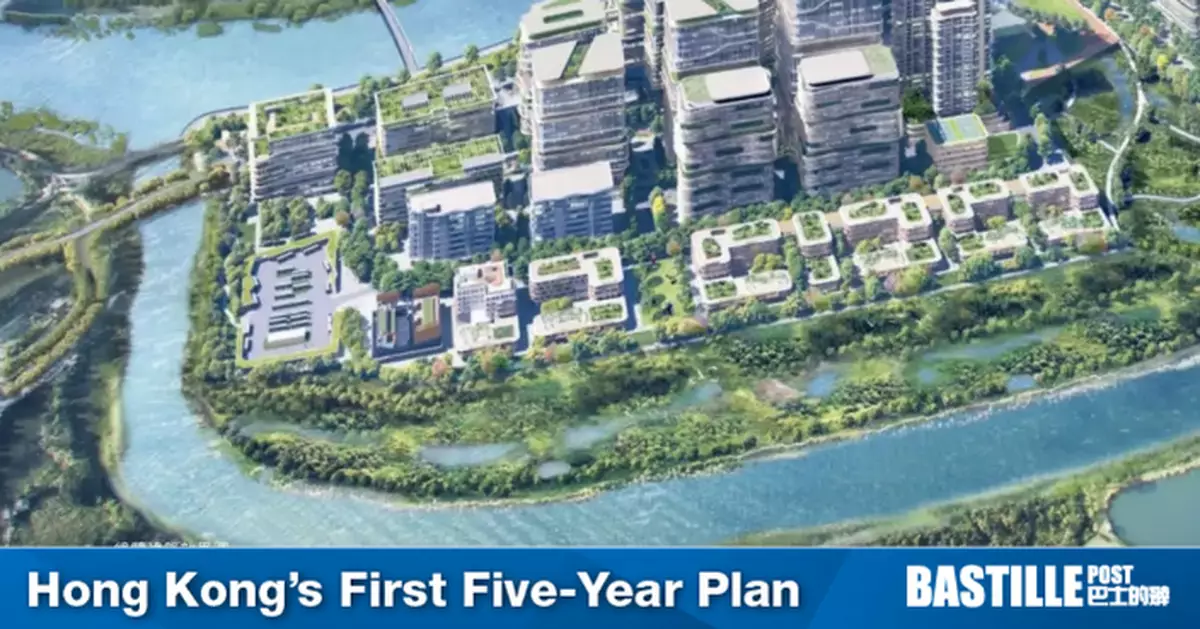
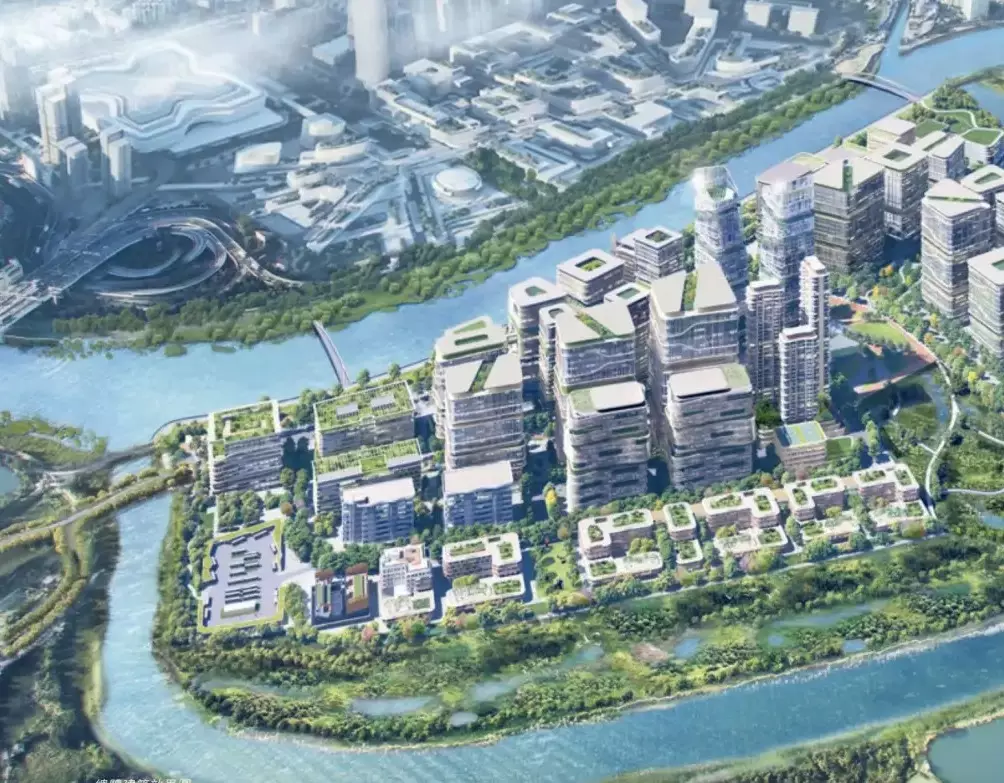
2.42 We will advance the development of the three major I&T parks, i.e. the Hong Kong Park of the Hetao Shenzhen Hong Kong Science and Technology Innovation Co-operation Zone (the Loop Hong Kong Park) and San Tin Technopole, the Science Park, and Cyberport. We will pursue the high-quality development of the Hetao Shenzhen-Hong Kong Science and Technology Innovation Co-operation Zone under the vision of "one river, two banks" and "one zone, two parks" by promoting cross-boundary flow of innovation factors between the Shenzhen Park and the Hong Kong Park, as well as facilitating the clustering of scientific research institutes, I&T enterprises, and professional service sectors within the zone. A highly efficient mechanism for synergised innovation between the Hong Kong Park and the Shenzhen Park will basically be established by 2030, paving way for moving steadily towards the ultimate goal of developing a world class I&T hub. Together with Cyberport to the south focusing on digital technology (such as AI, cybersecurity, blockchain, and fintech, etc.) and the Science Park in the central part of Hong Kong focusing on hard and core technology (such as life and health, and advanced manufacturing, etc.) and enterprise incubation, these three major I&T parks will form the "north central south" development paradigm in Hong Kong.
The Loop Hong Kong Park, Photo source: reference image
Table 13 Development of the Loop Hong Kong Park and San Tin Technopole
1. Pursuing the high-quality development of the Loop Hong Kong Park (87 hectares)
- Advance the development of the Loop Hong Kong Park in accordance with four major directions, namely, to build a world-class industry-academia-research platform; to establish an R&D transformation and pilot production base with a global edge for industries; to foster a hub for pooling global I&T resources; and to cultivate a testing ground for institutional and policy innovation.
- Make the Loop Hong Kong Park a "special zone within our country but outside the Mainland", and facilitate the cross-boundary flow of the four innovation factors, i.e. personnel, materials, capital and data.
2. Implementing the Conceptual Outline of the Development Plan for the I&T Industry in San Tin Technopole (210hectares)
- Foster synergised development between San Tin Technopole and the Loop Hong Kong Park at the upstream, midstream, and downstream levels, so that the two will jointly create a comprehensive industry ecosystem with economies of scale. While the Loop Hong Kong Park focuses on R&D, transformation, and pilot production at the upstream and midstream levels, San Tin Technopole aims to accelerate the transformation of R&D outcomes, providing downstream industry capacity for prototyping, pilot, and mass production, transforming and industrialising the R&D outcomes of the Loop Hong Kong Park, while integrating with the comprehensive industry supply chains in other Guangdong-Hong Kong-Macao Greater Bay Area cities.
- Establish the San Tin Technopole Company Limited to develop the site by phase, which will be divided and developed into three development hubs (i.e. the Hetao Hub, Chau Tau Hub, and Ki Lun Hub) and three industry development corridors (i.e. the life and health technology corridor, AI and robotics corridor, and microelectronics and advanced industry corridor).
2.43 We will advance the development of five key R&D institutions (i.e. the Hong Kong Productivity Council (HKPC), the Hong Kong Applied Science and Technology Research Institute (ASTRI), the Hong Kong Microelectronics Research and Development Institute (MRDI), the Hong Kong Artificial Intelligence Research and Development Institute (AIRDI) and the Life and Health Technology Research Institute (LHTRI)) to enhance Hong Kong's public research system and the efficacy of our I&T framework. Building on the solid foundation laid over the years by the HKPC, which focuses on the upgrading and transformation of enterprises and supports the promotion of new industrialisation, and the ASTRI, which concentrates on the fields of advanced communication technologies, intelligent perception, and smart city, we have identified core areas of strategic frontier technologies in our country and Hong Kong for establishing three high-quality R&D institutions, namely the MRDI, the AIRDI, and the LHTRI, so as to consolidate and enhance our capacity in scientific research.
Hong Kong Science Park, Photo source: reference image
Table 14 R&D Institutions under the New Layout
1. The LHTRI
- The LHTRI Headquarters focuses on "AI + life science". In the meantime, subsidise three LHTRI branches led by local universities to pursue key research directions aligned with their respective research strengths, such as advanced diagnostic technologies, new-generation prevention technologies and therapeutics, and aging-related diseases, etc.
2. The AIRDI
- The AIRDI will drive breakthroughs in AI frontier technologies and conduct research on key core technologies, thereby promoting original innovation and research output in the AI field, as well as propelling the transformation of Hong Kong's research outcomes locally and in the Mainland to enable sharing of industry benefits. Also, it will advocate the formulation of internationally-aligned rules for AI governance, and promote the application of AI technology in different fields, such as finance, trade and logistics, professional services, and healthcare, etc.
3. The MRDI
- Equipped with pilot lines for R&D and trial production of semiconductors to support product development and trial production.
- The Hong Kong Science and Technology Parks Corporation will continue to expand the Microelectronics Centre through refurbishing old factory buildings, so as to make available an additional floor area of about 7500 square metres for attracting and supporting enterprises in the semiconductor industry chain to establish presence in the park.
Section 3 Advance New Industrialisation and Expedite Innovation and Technology Industry Development
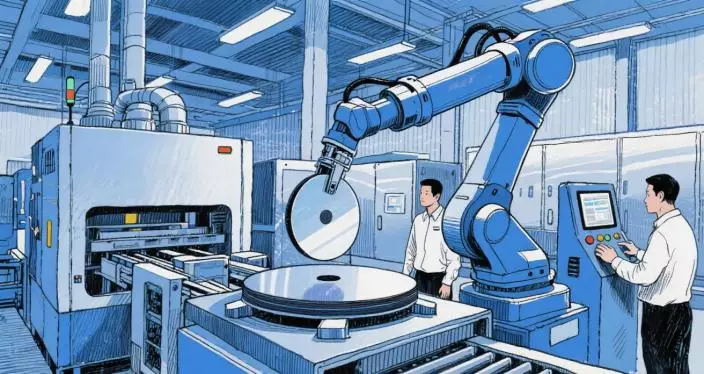
2.44 We will promote new industrialisation having regard to local circumstances, with a view to establishing a framework with Hong Kong character for the development of new industrialisation system with reference to our strengths in I&T and the market demand. Major measures include fostering the upgrading and transformation of traditional industries by making use of I&T, developing and strengthening emerging industries of strategic value, planning for future industries, and better developing producer services.
2.45 In terms of implementation strategies, for traditional industries with competitive edge (such as food processing, precision manufacturing, watches and jewellery, and textiles and garments, etc.), we will focus on consolidating the existing foundation while promoting upgrades towards high-end, smart, and green development. Emerging industries, as a medium term growth engine, will be supported on a priority basis. We will focus our resources to develop and expand industries such as life and health, AI and robotics, microelectronics, and advanced manufacturing, etc. We will accelerate the development of pilot production stages, align with international certification, and establish commercialisation platforms. Downstream manufacturing chains will also be developed by leveraging the well equipped production facilities of other Guangdong-Hong Kong-Macao Greater Bay Area cities. We will accelerate the industrialisation of sectors such as aerospace technology, marine technology, and LAE, so as to build up momentum for the next wave of new industries and new growth tracks, such as breakthroughs in commercial space innovation, to stay ready for further development. For future industries, we will focus on putting in place forward looking plans. By encouraging basic research and implementing measures such as patient capital, we will create long-term strategic value, establish expert screening mechanisms and "enterprise-research collaboration" platforms, prioritise resources to cultivate frontier fields, and proactively plan for application scenarios of future industries, such as quantum technology and embodied intelligence, etc. We will also set up pilot zones for future industries. In the meantime, we will continue to strengthen producer services focusing on three core areas of professional services, namely testing and certification, standards development, and technology financing.
Table 15 Strengthening Emerging Industries and Planning for Future Industries
Strengthening emerging industries and making forward-looking preparations and planning for future industries
- Encourage the industry-academia-research synergised development to support emerging industries of strategic value and high-quality development (such as the aerospace economy and marine economy, etc.), as well as future industries (such as quantum technology and embodied intelligence, etc.).
- Attract various financial resources (such as patient capital investment) into frontier industries and technological development through market-oriented measures, complemented by relevant government funding schemes and funds, so as to strengthen emerging industries and plan for future industries.
- Explore co-operation between Hong Kong and Guangdong in areas such as aerospace, etc.
2.46 In line with the above developments, we will accelerate the development of national strategic emerging industries. With reference to the requirements regarding establishing national manufacturing innovation centres, we will advance the establishment of the first national manufacturing innovation centre in Hong Kong on the foundation of the MRDI, focusing on next generation power semiconductor technologies, processes, chips, components, equipment, etc, for extreme environment applications, thereby pooling enterprises in the upstream and downstream industry chain to develop a microelectronics ecosystem. Meanwhile, we will support the development of Hong Kong's I&T and strategic industries with patient capital by launching the Innovation and Technology Industry-Oriented Fund and enhancing the Innovation and Technology Venture Fund, in a bid to channel more market capital to invest in specific emerging and future industries of strategic value such as semiconductors, AI and robotics, life and health technology, as well as new energy and new materials, thereby fostering new quality productive forces.
Photo source; Hong Kong Science Park
2.47 We will promote AI as a core industry for Hong Kong's future development and empower different sectors of the economy through AI technology. We will enhance the AI ecosystem in multiple dimensions and continue to take forward the AI+ Initiative on all fronts. We will strengthen integration across boundaries, deepen the development and utilisation of data resources, and pursue synergised development with the Mainland. We will enhance the layout of computing infrastructure at full steam to empower development, and provide strong support for the computing power required to develop the AI industry in Hong Kong through the development of the Sandy Ridge Data Facility Cluster. We will lso review the legislation to support wider application of AI, ensuring an up-to-date legal environment, with a view to putting in place a regulatory framework that is conducive to the development of AI and intelligentisation in Hong Kong. While supporting SMEs to expedite their application of AI, we will also enhance the AI literacy of the public, facilitating their enjoyment of a safe, smart, and convenient digital life. Based on life and health technology and embodied intelligence, we will formulate strategies for driving industry transformation with AI.
Table 16 Advancing AI+
1. Advancing the AI+ Initiative on all fronts
- Promote the deep integration of AI in different fields and sectors under the development directions of "industries for AI" and "AI for industries", with the AIRDI taking the lead to co-ordinate R&D projects and promote matching of AI solutions with industry needs.
- The Committee on AI+ and Industry Development will focus on life and health technology as well as embodied intelligence initially, so as to create favourable conditions for expediting the development of more pilot production scenarios and supporting facilities.
- Enhance awareness, application skills, and responsible use of AI among students, young people, and members of the public.
- Enhance the Digital Transformation Support Pilot Programme to include AI application solutions, with a view to boosting the competitiveness of SMEs amid the wave of AI+.
2. Developing the Sandy Ridge Data Facility Cluster
- The Sandy Ridge Data Facility Cluster will come into operation by 2029.
3. Improving AI and data governance
- Review relevant laws and measures as well as practical experiences in the Mainland and overseas pertaining to areas such as AI and data risks, application rules, governance standards, and cybersecurity, and explore targeted, feasible, and operable solutions in light of Hong Kong's actual circumstances, with a view to addressing the risks and challenges brought by AI technology and data-driven intelligentisation. Establish a robust and reliable AI and data governance system aligned with national and international standards and rules so as to lay a solid foundation for the sustainable development of AI and cross-boundary data flow.
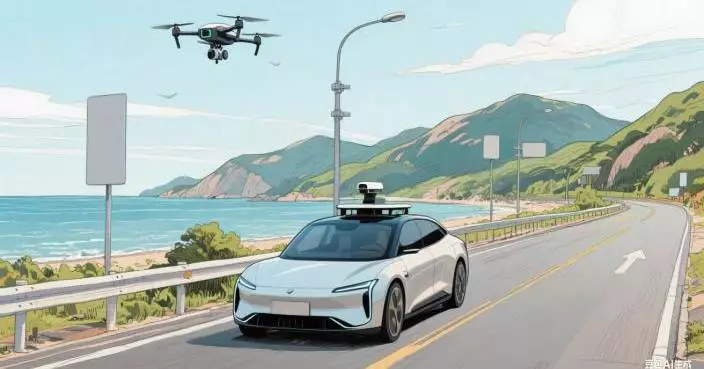
2.48 We will promote the development of autonomous vehicles in Hong Kong. With the goal of enabling cross-district travel of autonomous vehicles and their connections to other modes of transport, we will, in an orderly manner, actively accelerate the large scale development of driverless autonomous driving in our city and expedite its transition to commercial operations, with a view to creating a more convenient and safer travel experience for citizens through smart mobility.
Section 4 Develop a Healthcare Innovation System
Photo source: reference image
2.49 We will comprehensively intensify the regulatory reform of drugs and medical devices (collectively known as "medical products") and enhance our regulatory regime to align with international standards, develop the capacity for independent evaluation and approval of medical products, and participate actively in international regulation of medical products to pursue recognition from international authorities. We will also advance the R&D of innovative drugs and medical devices to expedite the launch of innovative drugs for market use, with a view to developing Hong Kong into an international health and medical innovation hub. We will enhance the drive in the development of medical products within the Guangdong-Hong Kong-Macao Greater Bay Area to promote better health among the public.
Table 17 Establishing an Internationally Renowned Regulatory Authority for Medical Products and Developing the Capacity for Independent Evaluation of Medical Products
1. Establishing an internationally renowned authority for medical products and enhance the evaluation and registration mechanism
- Establish the Centre for Medical Products Regulation to build and reform the independent approval and regulatory mechanisms for medical products, and develop it into an internationally recognised medical product regulatory authority.
2. Implementing "primary evaluation" in phases and acquiring independent evaluation capacity
- Commence the initial phase of "primary evaluation"for new drug registration with full implementation by 2030, so as to establish Hong Kong's professional standing and capacity in independent evaluation of new drugs and expedite the launch of innovative drugs for market use.
3. Reforming the regulation of medical devices
- Take forward legislative reform to replace the existing voluntary system with a new statutory regulatory regime for medical devices, with a view to enhancing the regulation of medical devices supplied in Hong Kong in respect of safety, quality and performance.
4. Enhancing the proprietary Chinese medicine registration system
- Strengthen the proprietary Chinese medicine registration and regulatory standards and facilitate the going global of proprietary Chinese medicine products by developing Hong Kong-registered proprietary Chinese medicines into a quality brand.
5. Aligning with the national policy of "the measure of using Hong Kong registered drugs and medical devices used in Hong Kong public hospitals in the Guangdong-Hong Kong-Macao Greater Bay Area"
- In line with the national policy of "the measure of using Hong Kong-registered drugs and medical devices used in Hong Kong public hospitals in the Guangdong-Hong Kong-Macao Greater Bay Area", leverage our international platform to expedite the bringing in of global innovative biomedical technology.
6. Participating actively in the work of the Global Harmonization Working Party
- Actively promote the harmonisation of global medical device regulation as a member of the Global Harmonization Working Party.
2.50 We shall develop Hong Kong into Asia's premier early-phase clinical trial centre and a top-notch medical innovation transformation base in the world. The initiatives include building a comprehensive infrastructure and digital portal for clinical trial, nurturing local medical innovation talent, enhancing clinical application scenarios, fully leveraging the advantage of real-world data, and reforming the evaluation mechanism for medical products. With the Greater Bay Area International Clinical Trial Institute in the Loop Hong Kong Park as the core, we will collaborate with the Greater Bay Area International Clinical Trials Center in the Loop Shenzhen Park under the "one institute, one centre" model to create synergy effect, driving the high-quality development of medical innovation in the Guangdong-Hong Kong-Macao Greater Bay Area.
Table 18 Creating a Clinical Trial and Medical Innovation Ecosystem
1. Establishing the Hong Kong Clinical Trials Portal
- Launch the Hong Kong Clinical Trials Portal to provide a one-stop digital service entry point for global biomedical enterprises, R&D institutions, and researchers, with a smart matching function for precisely matching suitable research institutions and researchers in Hong Kong and other Guangdong-Hong Kong-Macao Greater Bay Area cities.
2. Setting up the International Clinical Trial Academy
- Provide professional training that complies with the Good Clinical Practice standards of the International Council for Harmonisation of Technical Requirements for Pharmaceuticals for Human Use to facilitate personnel exchange and mutual recognition of professional qualifications between Shenzhen and Hong Kong, laying a solid foundation for developing the Greater Bay Area clinical Research Talent Pool.
3. Promoting the application of real-world data
- The Real-World Study and Application Centre will make use of local real-world data to support registration applications for drugs (in particular rare disease drugs, high-end cancer drugs as well as cell and gene therapies) in the Mainland, aiming to expedite the marketing authorisation of life-saving drugs.
4. Deepening the "one institute, one centre" collaboration on clinical research in the Hetao area
- Fully implement the interfacing of clinical trial resources between Hong Kong and Shenzhen, upgrade the one-stop service platform, and work towards unified standards for ethics review of clinical trials in the Guangdong-Hong Kong-Macao Greater Bay Area, so as to achieve mutual recognition, simplified review, or single review before 2030.
5. Expediting the introduction of innovative products into the public healthcare sector
- Identify unmet medical needs of the public healthcare sector and proactively engage global pharmaceutical enterprises and medical device manufacturers in meeting such needs.
- Streamline and expedite the process of introducing innovative products into the public healthcare sector, ensuring a seamless transition from approval to procurement to application.
Section 5 Develop an International Hub for Science and Technology Co-operation
2.51 We will enhance our global influence in science and technology. By strengthening international cross-disciplinary co-operation with world-renowned institutions, research institutes, and I&T parks, we will develop Hong Kong into an important gateway for the country to open up and co-operate with the world in the field of I&T.
2.52 We will develop an international platform to facilitate exchanges among high-calibre academics and talent. We will actively organise and participate in high-level international mega I&T events, bring together top-notch I&T talent and enterprises from around the world, and ensure the successful hosting of heavyweight international I&T events such as the World Internet Conference Asia-Pacific Summit, InnoEX (i.e. the flagship event of the Business of Innovation and Technology Week), the International Academicians Forum, and the Hong Kong World Youth Science Conference and Xiangjiang Nobel Forum, etc, with a view to bolstering our influence in the global innovation network.
2.53 We will host international academic conferences and publish academic journals with global influence. We will launch a funding scheme to support the publication of influential academic journals by local universities and professional organisations, while actively organising international academic events and professional conferences such as the Future Science Prize, with a view to showcasing to the world Hong Kong's capabilities in scientific research and facilitating sustainable international co-operation.
2.54 We will expedite the establishment of a centre of excellence on global advanced manufacturing in Hong Kong¹. The centre will focus on empowering frontier technology enabled fields such as AI+manufacturing, robotics, new energy, and industrial design, etc. It will undertake the core functions of promoting international technology exchange and demonstration, conducting research on industry standards and policies, promoting technology transfer and commercialisation, as well as talent training and building capabilities, etc, so as to develop a sustainable global co-operation network and flagship projects.
Hong Kong, Photo source: reference image
Section 6 Develop an International Hub for High-calibre Talent
2.55 We will promote the integrated development of education, technology and talent. By leveraging our strengths, we will enhance the mechanisms to co-ordinate and execute our education, technology, and talent strategies. The role of institutions, research institutes, innovation platforms, enterprises, and technology programmes in attracting and nurturing talent will be strengthened, with a view to cultivating talent for technological innovation, industry development, and national strategic needs in a co-ordinated manner. Leading and distinctive academic disciplines will be further expanded and strengthened. This, coupled with the nurturing and development of emerging disciplines and cross disciplinary areas, will help enhance our own capabilities in nurturing and attracting high-calibre talent. We will also enhance the mechanism for identifying, selecting, and nurturing young innovation talent to better support talent development in this regard.
2.56 We will adopt a targeted approach to attract talent in view of the development needs of our country and Hong Kong. Changes in manpower supply and demand in Hong Kong will be dynamically monitored through the Manpower Projection exercises and the follow-up surveys so that we can advance our talent attraction efforts in a targeted manner. We will review the Talent List and adjust the talent attraction strategies based on the demand for talent. With full regard to Hong Kong's strategic position in future development, we will expand our labour force and improve the demographic structure. We will also strengthen Hong Kong Talent Engage's overseas publicity and promotion efforts in a targeted manner.
2.57 We will establish the "Study in Hong Kong" brand. The Task Force on Study in Hong Kong will strengthen promotion of Hong Kong's quality resources in academic studies, scientific research, and international co-operation, and promote the "Study in Hong Kong" and the "Study Tour in Hong Kong" brands, with a view to attracting high-quality students to pursue their studies or career in Hong Kong. We will support the development of a vibrant international school sector to meet the demand for international school places among non-local families, thereby attracting and retaining non-local talent.
Photo source; reference image
Chapter 10 Leverage Our Advantages as an International City
2.58 We will expedite the development and deepening of Hong Kong's status as an international legal and dispute resolution services centre, a regional intellectual property trading centre, and an East-meets-West centre for international cultural exchange, while advancing the integrated development of culture, sports, and tourism. We will focus our efforts in driving the high-end and high value-added transformation and upgrading of Hong Kong's service sector. We will pool global innovation resources, professional talent, and high-end factors, while reinforcing the integrated development of industries and the alignment of rules, thereby building a cluster of emerging centres with a global edge.
Section 1 Deeen the Development of an International Legal and Dispute Resolution Services Centre
2.59 We will better leverage Hong Kong's unique advantages as a common law jurisdiction under "one country, two systems" to deepen Hong Kong's status as an international legal and dispute resolution services centre. We will enhance our diversified and high-level dispute resolution services, including litigation, arbitration, and mediation, etc. We will also develop Hong Kong into a hub for high-calibre legal talent, promote closer interface of rules and mechanisms concerning the safeguards of the rule of law in the Guangdong-Hong Kong-Macao Greater Bay Area, and provide high-quality legal professional services for Mainland enterprises going global.
Table 19 Deepening the Development of the International Legal and Dispute Resolution Services Centre
1. Establishing the International Commercial Court
- Support the Judiciary of the HKSAR in advancing the establishment of the International Commercial Court and inviting judges from other common law jurisdictions to adjudicate international commercial cases through more efficient procedures, thereby reinforcing Hong Kong's status as a leading jurisdiction for international commercial litigation.
2. Implementing arbitration law reform
- Implement arbitration law reform and step up the promotion of arbitration services in specific fields such as maritime, IP, and sports, etc., so as to reinforce Hong Kong's role as a world-leading international arbitration centre.
3. Developing Hong Kong into a global capital of mediation
- Implement the mediation regulatory system reform, provide mediation services that are more international, inclusive, and professional, and support the International Organization for Mediation to further its role, thereby developing Hong Kong into a global capital of mediation.
4. Making better use of the Hong Kong International Legal Talents Training Academy
- Enhance and expand the functions of the Hong Kong International Legal Talents Training Academy to develop Hong Kong into a hub for the training, exchanges, and pooling of high-calibre legal talent of our country or even the international community, particularly the Belt and Road Initiative partner countries.
5. Construction of the Hong Kong International Legal Service Building
- Construct the Hong Kong International Legal Service Building to provide top-notch facilities and environment for activities such as legal exchange activities and training by local, Mainland, and international legal and dispute resolution service institutions.
Photo source: reference image
Section 2 Develop a Regional Intellectual Property Trading Centre
2.60 To ensure that our IP protection mechanism aligns with international rules, we will continue to enhance our IP regime (particularly in the four key areas of copyright, trade marks, patents, and registered designs). We will advance the extension of suitable international IP treaties to Hong Kong in an orderly manner, so as to enhance the international alignment and overall competitiveness of Hong Kong's IP regime. We will deepen our cross-boundary facilitation measures for, among others, providing enquiry services in more Mainland cities, fostering business collaboration, and facilitating cross-boundary protection, etc, so as to fast track the processing of eligible cross-boundary applications for registration, so that applicants may enjoy protection in a more timely manner.
2.61 To foster innovation development, we will deepen the reform of the patent system, so that the system may provide more effective support for the protection, technology transformation, commercialisation, and industrialisation of R&D outcomes.
Table 20 Patent System Reform
1. Facilitating original grant patent applications in key technology areas
- Explore further facilitation for original grant patent applications for inventions under key technology areas (including emerging industries such as life and health technology, AI and data science, as well as advanced manufacturing and new energy, etc.).
2. Empowering enterprise development through enhancing patent system
- Explore ways to reform the short-term patent system and increase the attractiveness of the original grant patent system.
3. Encouraging and promoting R&D and innovation relating to pharmaceutical manufacturing
- Explore feasible measures to enhance the patent system, so as to support the development of biotechnology and pharmaceutical industries, thereby encouraging and advancing R&D and innovation activities relating to pharmaceutical manufacturing.
4. Enhancing in-house examination capacity for original grant patent applications
- Continue to develop our team of patent examiners to enhance the in-house examination capacity for original grant patent applications, targeting to acquire institutional autonomy in conducting substantive examination of patent applications in major technology fields in 2030.
- Expand our team of patent examiners to a scale recognised under the Patent Co-operation Treaty.
- Plan for and advance the regulatory arrangements for local patent agency services so that such services will be more regulated and professional.
2.62 We shall develop a thriving and sound IP trading ecosystem. We will advance pilot projects in collaboration with financial and professional services institutions to explore IP financing modes, so as to channel capital into IP intensive industries such as I&T, cultural and creative industries, etc. Through institutional innovation and policy support, we will develop an IP trading hub where the cost is low and the liquidity is high, encouraging enterprises to centralise their management and exploitation of IP in Hong Kong. With the soon-to-be-established IP Academy, we will more systemically nurture talent with knowledge in the creation, protection, management, financing, utilisation, and commercialisation of IP for various IP intensive industries, thereby creating stronger impetus for growth within the ecosystem. We will continue to strengthen promotion and exchanges at international and regional levels, deepen collaboration with the Mainland, and support Mainland enterprises in making use of Hong Kong as an IP trading platform to go global.
Section 3 Develop an East-meets-West Centre for International Cultural Exchange
Photo source: HKSAR Government Press Releases
2.63 We will promote our profound traditional Chinese culture and develop cultural contents with Hong Kong character. The Blueprint for Arts and Culture and Creative Industries Development will be fully implemented. We will step up the promotion of Hong Kong's signature mega events and the systematic protection of intangible cultural heritage, so as to foster the inheritance and promotion of profound traditional Chinese culture. We are also fully committed to establishing the Chinese Culture Experience Centre and a museum showcasing the development and achievements of our country, while forging close collaboration between the Hong Kong Palace Museum and the Palace Museum, with a view to presenting the rich facets of profound traditional Chinese culture as well as the major developments and achievements of our country.
2.64 We will develop diverse arts, culture, and creative industries, and enhance the sustainable ecosystem for them. We will support the sustainable development of the West Kowloon Cultural District, so that it may leverage its strengths and contribute to the development of Hong Kong's culture and creative industry chain. We will make good use of our rich blend of local and international cultures to facilitate innovative international communication and collaboration of the culture and creative industries by proactively tapping into overseas markets and incubating new cultural and creative projects. We will also foster the thriving and sustainable development of Hong Kong film industry, and boost the influence of Hong Kong pop culture across Chinese-speaking communities. In the meantime, we will enhance Hong Kong's role as an international arts trading platform and deepen collaboration with Art Basel to consolidate Hong Kong's status as the exclusive host city in the region. We will enhance the cultural and creative talent pool by supporting the Hong Kong Academy for Performing Arts and the West Kowloon Cultural District Authority in nurturing local arts practitioners, while reforming the funding mechanism for arts groups to drive high-quality development and continuous innovation in the sector. Market forces will be leveraged to attract private sector participation and investment. Meanwhile, we will strengthen the collaboration among local and Mainland arts organisations, museums, theatrical troupes as well as film and television production teams, support co-production and touring of performances and exhibition programmes, and attract internationally renowned artists and cultural organisations to Hong Kong for collaboration, thereby serving as a significant window for mutual learning between Chinese and other cultures. We will support local performing arts, culture, and creative sectors in staging performances and exhibitions outside Hong Kong, while facilitating the overseas promotion of Mainland cultural works and intangible cultural heritage, with a view to fostering deeper understanding and recognition of Chinese culture across Mainland and overseas communities. We will strengthen the global reach of the mainstream media.
Table 21 Development of the Arts, Culture, and Creative Industries
Expanding Hong Kong's arts, culture, and creative industries
- It is expected that, by 2030, the value added of the arts, culture, and creative industries will reach $170 billion, while the number of employed persons will increase to 228000.
2.65 We will drive wider participation in sports, and promote sports in the community with the goal of enhancing the overall health of the public, and encourage citizens to engage in territory-wide major multi-sport events as well as community recreation and sports programmes. We will step up support for the development of team sports, align with our country's development direction of promoting the "three big-ball games" (i.e. football, basketball, and volleyball), and leverage Hong Kong's competitiveness in its traditional strongholds so as to foster a strong sporting culture in the community, and to identify and nurture outstanding talent in competitive sports. We will enhance the overall landscape of sports infrastructure, leverage the strategic positioning of the Kai Tak Sports Park as the largest integrated sports, leisure, and entertainment landmark in Hong Kong, review the development potential of existing large-scale venues, and strategically plan for new sports facilities.
2.66 We will develop elite sports, maintain Hong Kong as a centre for major international sports events, enhance professionalism in sports, and develop sports as an industry. Through the elite sports training system of the Hong Kong Sports Institute, we will comprehensively support our athletes and elevate their performance. We will make full use of the Kai Tak Sports Park and the "M" Mark System to support the staging of more diverse and higher-tier major international sports competitions and events in Hong Kong. We will also pursue the hosting of single-sport competitions at the national, Asian, and international levels. We will enhance the governance capabilities of national sports associations and the professional standards of the sports sector, and utilise technology to enhance athletes' performance. In the meantime, we will support Asian and international sports associations to establish presence in Hong Kong, and foster closer ties between Hong Kong and international sports associations. We will also support the implementation of the Pilot Scheme on Sports Dispute Resolution. To spur the development of peripheral industries and professional venue services, we will advance "Sports+Mega events" development (including international mega football events).
Photo source: reference image
Table 22 Sports Development
Expanding Hong Kong's sports industry
- Resources allocated to sports development will cumulatively increase by 20% in the next five years.
- The number of full-time elite athletes will cumulatively increase by 20% in the next five years.
- The value added of sports and related activities at basic prices will cumulatively increase by 10% in the next five years.
2.67 We will deepen the integrated development of culture, sports, and tourism, and enrich the supply of high-quality tourism products. We will deepen thematic travel experience and promote festive events with distinctive local and international characteristics to highlight Hong Kong's East-meets-West cultural edge. We will explore more routes for city walks, foster horse-racing tourism, promote Hong Kong's culinary offerings, expand and strengthen our annual flagship events, and enhance connections and co-operation with world-renowned wine-producing regions. We will continue to develop Hong Kong into the Events Capital of Asia and promote world-class mega event tourism that integrates sports and culture. In the meantime, we will consolidate Hong Kong's position as Asia's hub for international cruises by attracting cruise lines to deploy ships to Hong Kong and leverage Hong Kong as the homeport, actively exploring potential source markets, and sustaining collaboration with ports in the Guangdong-Hong Kong-Macao Greater Bay Area. We will fully capitalise on Hong Kong's beautiful coastline and abundant island resources to develop island-hopping tours and other water sports activities. Meanwhile, we will continue to enhance the attractiveness of famous tourist attractions, including Hong Kong Disneyland and Ocean Park, etc.
Table 23 Integrated Development of Culture, Sports, and Tourism
1. Organising more performances by non-local artists at the Kai Tak Sports Park to enhance the international status of Hong Kong
- By 2030, the proportion of concerts or performances featuring primarily non-local artists at the Kai Tak Sports Park will increase to 60%.
2. Fostering quality enhancement and capacity expansion of Hong Kong Disneyland
- Continue to enhance attractiveness through various new facilities, including a new Marvel-themed area and an all-new Pixar entertainmen experience. Strive to formulate and roll out the next medium- to long-term development plan.
3. Enhancing the Ocean Park experience and leveraging its strengths in education and conservation
- Develop Ocean Park into a conservation, research, and education base and leverage its strengths in education and conservation work, including launching more activities with the theme of the conservation of giant pandas and other animals. Upgrade the entertainment facilities within the park, including the planning and construction of a new adventure zone in the upper park area to further enrich in-park experience.
2.68 We will actively develop the yacht economy. We will accelerate the development of yacht berthing facilities so as to provide more yacht berths to attract more visiting yachts (including superyachts) to Hong Kong. We will actively implement facilitation measures for the northbound travel of yachts from Hong Kong and southbound travel of yachts from Guangdong, including authorising relevant organisations in Mainland cities to provide examinations on knowledge of Hong Kong waters as well as recognised short-term training courses and assessments for masters of visiting yachts, with a view to fostering a healthy, sustainable, and competitive environment for the development of the local yacht economy.
Photo source: reference image
2.69 We will develop a core demonstration zone for multi-destination tourism. We strive to become the southern gateway for overseas visitors entering the Mainland, making good use of cross-boundary infrastructure to facilitate visitors' further extension of itineraries to the Guangdong-Hong Kong-Macao Greater Bay Area and other provinces and municipalities. We will deepen co-operation with the Mainland and industry partners, and step up promotion in conventional source markets such as the United States and Canada, as well as other high-potential markets such as the Middle East, ASEAN, and other parts in Asia and Europe. We will review and enhance various facilitation arrangements for overseas visitors to enter the Mainland via Hong Kong with a view to attracting more high value-added overnight overseas visitors to Hong Kong and the Mainland. We will strengthen the collaboration mechanism with Mainland provinces and municipalities on tourism to promote cross-boundary multi-destination tourism (i.e. Hong Kong + Mainland cities) among residents of both places.
Table 24 Development of the Tourism Industry
Enhancing the economic contribution of the tourism industry
- It is estimated that the value added of the tourism industry will increase from $86.2 billion in 2024 to $126 billion in 2030, while the number of employed persons will increase from 159700 in 2024 to about 203000 in 2030.
- By 2030, the proportion of non-Mainland visitors among overnight visitors will increase to 40%.
2.70 We will enhance tourism services while bolstering infrastructure and ancillary facilities. We will continue to enhance the regulatory regime of the tourism industry and strengthen the talent cultivation mechanism. We will launch a new specialised tourist guide licensing programme¹¹to enhance the professionalism of tourist guides. We will work with the tourism industry and educational institutions to expand the talent pool of tourism professionals. We will foster hospitality spirit, upgrade Muslim-friendly facilities, and enhance service quality. We will drive the application of smart technologies in the fields of tourism to create a convenient, inclusive, and smart tourism environment, comprehensively elevating the experience of visitors, thereby boosting Hong Kong's attractiveness and competitiveness as a premium tourism destination.
"Unicorns" refer to "Unicorn companies", i.e. start ups with market valuation over US$ 1 billion before listing.
It involves the assessment of primary data and information of all pre-clinical studies (i.e. animal testing), clinical studies, manufacturing, and quality control by regulatory authorities in order to fully evaluate the safety, efficacy, and quality of a medicine, i.e. to approve applications for registration of medical products in Hong Kong independently based on clinical data, without relying on other drug regulatory authorities.
¹In April 2026, the Innovation, Technology and Industry Bureau and the United Nations Industrial Development Organization signed a joint statement on collaboration to advance industrial development, innovation, and digital transformation. The two parties will strengthen co-operation to drive industrial innovation, including expediting the establishment of a centre of excellence in Hong Kong.
¹¹Under the new programme, specialised tourist guide licenses on individual professional areas will be issued, to encourage the industry to nurture talent with specialised knowledge.