Full text of the Chief Executive's 2026 Policy Address (4)
(D) International Innovation and Technology Centre
Click to Gallery

Photo source: reference image
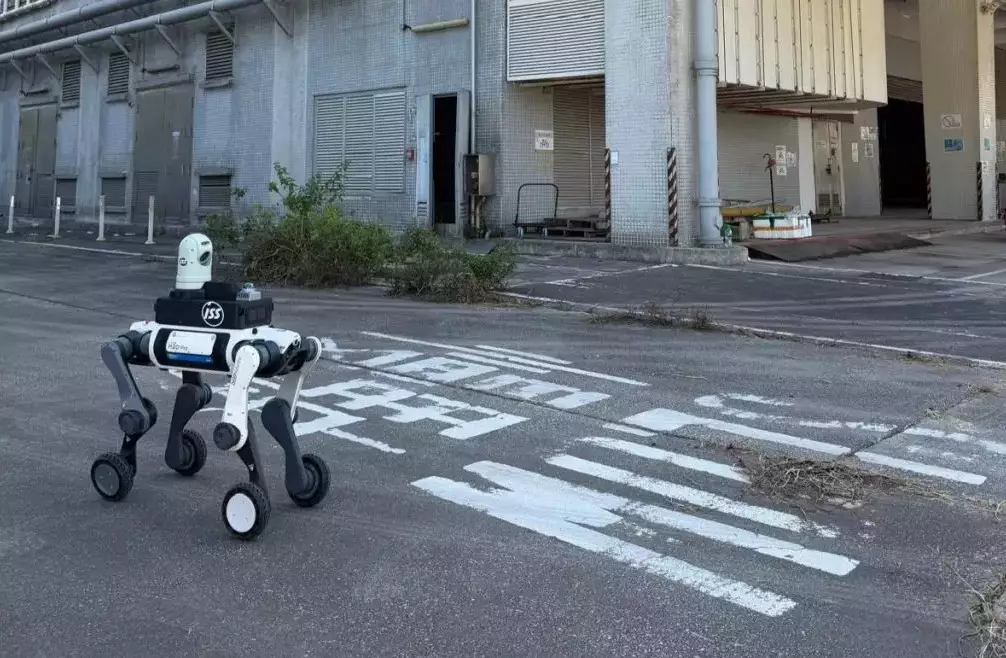
Photo source: Hong Kong Science Park

Hong Kong, Photo source: reference image
Hong Kong, Photo source: reference image
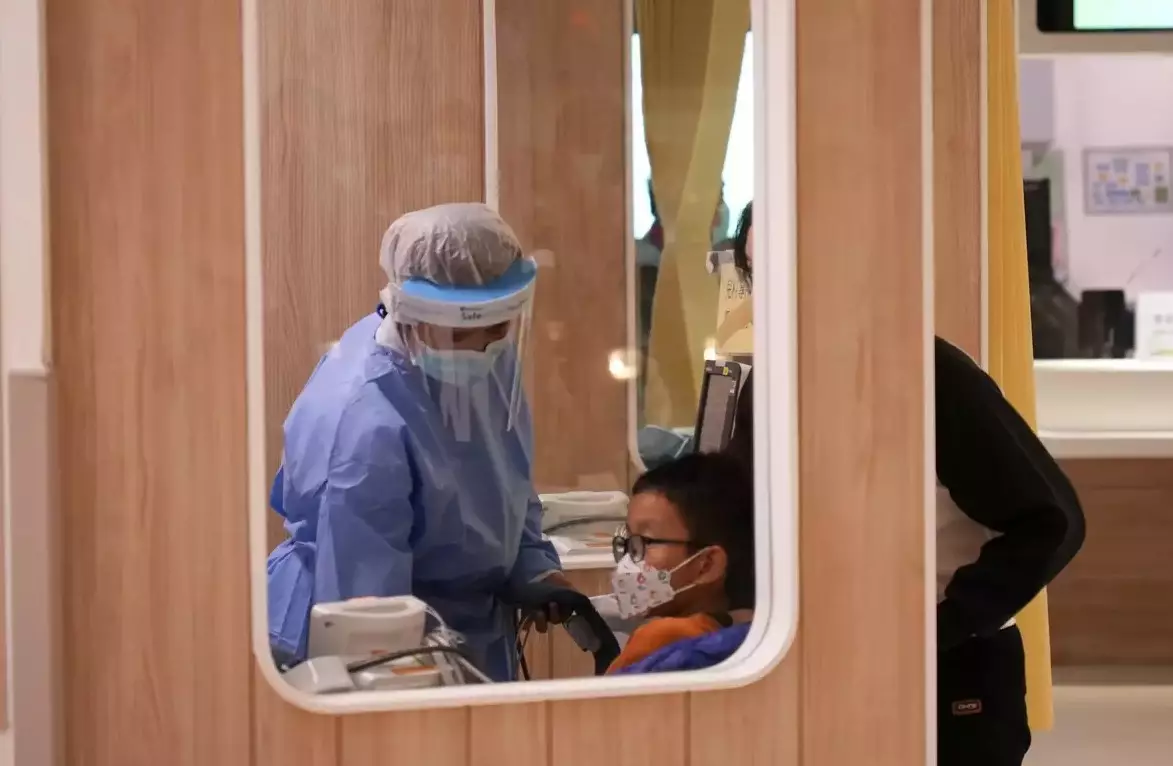
Photo source: reference image
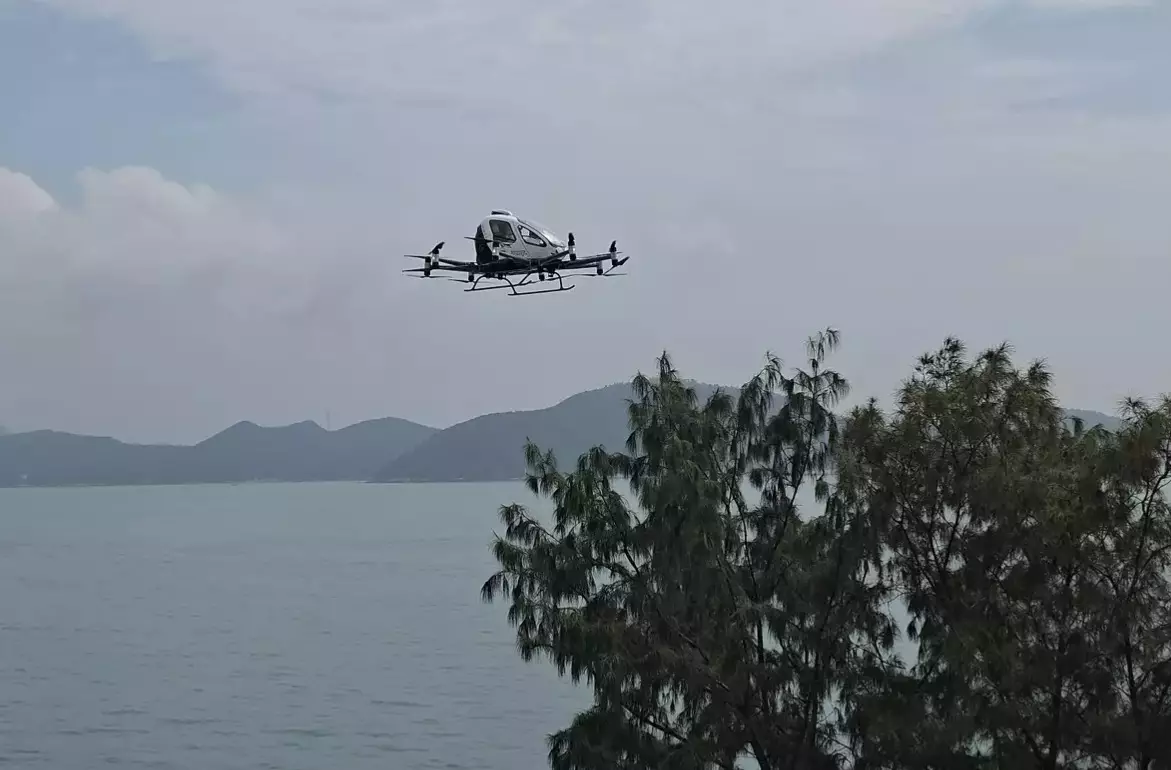
Photo source: reference image

InnoHK, Photo source: reference image
Application and Risk Management of Artificial Intelligence
102. Over the past few years, the Government has adopted development-governance and institution-industry strategies on AI. Measures include promulgating guidelines to provide risk management and application recommendations for society, the establishment of the Hong Kong Artificial Intelligence Research and Development Institute (AIRDI) to promote upstream R&D and outcome transformation, and the setting up of the Committee on AI+ and Industry Development Strategy, chaired by the Financial Secretary, to expedite the development and application of AI.
Photo source: reference image
Deepen AI Application and Development
103. The Government will step up its efforts to promote AI applications across various trades, and continue to strike a balance between encouraging innovation and protecting security, thereby enhancing Hong Kong's international competitiveness in AI development.
AI Application in Finance
104. The HKMA's Generative Artificial Intelligence (GenA.I.) Sandbox was upgraded to the cross-sector GenA.I. Sandbox++, with use cases and participating sectors expanded beyond banking to include securities, wealth management, insurance and MPF. Testing of selected use cases in the new cohort will commence within this year.
105. The HKMA is also conducting assessments and responding to risks through the Joint Task Force on AI-Driven Cyber Risks. To strengthen risk management, it is also developing a Cyber Resilience Testing Framework for banks and regularising the cross-sectoral Cyber Mapping exercise.
106. Ten major insurers have participated in the AI Cohort Programme of the IA and have committed to establishing their respective AI Centre of Excellence in Hong Kong, nurturing talent and sharing experience.
107. The SFC will foster a deeper understanding within the sector through training and development of regulatory technologies in collaboration with I&T enterprises.
AI Application in Healthcare
108. The Health Bureau (HHB) will co-ordinate the orderly introduction and effective use of AI technologies in the healthcare sector in collaboration with the Department of Health (DH), the Hospital Authority (HA), the Hong Kong Academy of Medicine and Institute for Medical Advancement and Clinical Excellence (IMACE), among others.
AI Application in the Legal Sector
109. A short-term funding scheme will be launched by the Department of Justice (DoJ) to promote a wider application of LawTech (including the use of AI technologies) in the legal sector to enhance competitiveness.
AI Application in Construction
110. The Hong Kong Housing Authority (HKHA) will enhance the self-developed AI+ "HA-PIMAP" Project Information Management and Analytics Platform to adopt AI for analysis of site topography, terrain, landscape, views, wind and sunlight etc. to automatically adjust building layout. Starting from 2027 28, AI+ "HA-PIMAP" will be applied to the planning of all new projects.
AI Application in Transport
111. To advance the large-scale development of driverless autonomous vehicles (AVs) towards commercialisation, the Transport Department (TD) has issued nine pilot licences covering over 60 AVs for trials at various locations. As a next step, AV operators' applications for the commercial operation of individual projects will be accepted from this year onwards, while the Airportcity Link autonomous transport system will be put forward as the first commercially operated project in Hong Kong.
112. More AV application scenarios are coming into play. For example, the AV connection between the Express Rail Link at West Kowloon Station and the Airport Express at Kowloon Station is expected to begin operation in the second quarter of 2027. Also, passenger transfer vehicles at the SkyPier Terminal of Hong Kong International Airport (HKIA) will undergo autonomous driving trials along the Hong Kong-Zhuhai-Macao Bridge, which is a pioneering, cross-boundary application scenario taking place on an expressway.
AI Application in Social Welfare
113. A sum of $300 million will be allocated to set up the "AI for Welfare Lab" (WelfareHK.ai) to identify AI application scenarios in social welfare services, as well as fund the development and pilot implementation of AI solutions. These include analysing the usage of welfare facilities to meet user needs in a more targeted manner.
AI Application in Tourism
114. Starting from the end of this year, the Hong Kong Tourism Board (HKTB) will introduce an AI personalised travel recommendation function on Discover Hong Kong, and, by integrating with third-party data platforms, set up a dedicated HKTB smart travel page in map applications.
AI Application in Broadcasting
115. Radio Television Hong Kong will strengthen the use of AI technologies and new media platforms to enhance production quality and efficiency, and expand its audience reach.
AI Upgrading for Small and Medium Enterprises
116. The Government will enhance the Digital Transformation Support Pilot Programme (DTSPP) by providing subsidies, on a matching basis, to support more SMEs in applying AI and cybersecurity-related solutions. The BUD Fund¹ also provides more targeted funding support for enterprises in implementing projects involving AI elements.
117. The Hong Kong Productivity Council (HKPC) will expand the functions of its "Digital DIY Portal" to integrate AI-assisted advisory services for SMEs, and assist enterprises in assessing and addressing cybersecurity risks, as well as adopting AI. The HKPC will also enhance the awareness of AI and its application within the community, particularly among SMEs, through training and exhibitions under the "AI with HKPC" programme.
Promote AI Training for All
118. The Government will roll out more than 200 training courses and activities under the "AI for All" Inclusive Programme by the first quarter of 2028, promoting AI awareness and responsible use in a tiered manner. This will help the general public, university students, young researchers and professionals harness AI for professional empowerment, and support working people and SMEs in applying AI for practical enhancement.
119. The Government will also roll out the "Robots in the Community" Pilot Programme to raise citizens' awareness of embodied AI and promote digital inclusion.
Photo source: Hong Kong Science Park
120. Upskill Hong Kong, upon its upgrade, will launch an 18 month AI upskilling campaign in the first half of 2027, including a free online training course for all with a focus on the workplace application of AI. Participants who complete the course may enrol for free in short-term, advanced AI application courses across various industries. The initiative is expected to benefit around 40 000 employees.
Risk Governance
121. Ever-evolving AI technology is the core driving force of the digital era. While promoting industry upgrades and enhancing public convenience, AI also brings new challenges, including the misuse of AI to commit crime, user responsibilities, the protection of minors, the management and control of AI Agents and the impact of AI on employment.
122. To achieve technology for good and ensure safety and control, the Government's AI risk-governance strategy focuses on seven aspects: combating the use of AI in criminal activities; protecting underage users; establishing a governance framework to regulate AI ethics; promoting application safety; clarifying liability for accidents caused by AI products; formulating safety-management guidelines for AI Agents; and assessing the impact of the widespread use of AI.
123. The Government will tae forward the following under the co-ordination of the Chief Secretary for Administration, with the creation of the post of Commissioner for AI under the Digital Policy Office (DPO) to assist various bureaux with the related work:
(i) Combating the use of AI in criminal activities:
(a) Studying regulation of deepfake by legislation: The Cybercrime Sub-committee of the Law Reform Commission (LRC) is reviewing existing laws from the angle of cyber enabled crimes¹¹, and will seek public views in due course on, among other things, ways to tackle the production of pornographic images, as well as online scams and fraud that involve the use of deepfake technology. The Government will, in accordance with the recommendations of the LRC, consider formulating relevant legislation.
(b) Legislative powers to remove online content that may constitute financial fraud (including AI-generated fraud): The FSTB will conduct public consultation later this year on expanding the legal framework to encourage sectors such as technology and telecommunications to enhance their ability to detect and remove fraudulent content (including content generated through the misuse of AI).
(ii) Enhancing the Protection of Users who are Minors: Under the Values Education Curriculum Framework (2026), the Education Bureau (EDB) will support schools in guiding students to make good and prudent use of AI tools and resources with proper values and attitudes. A dedicated task force on minors' use of social media will be established under the Working Group spearheaded by the DoJ. It will co-ordinate with relevant bureaux/departments to review the risks associated with the use of social media by minors (including interaction with AI), and assess the need for more targeted solutions, including legislative and administrative measures.
(iii) Promoting Market Assessment of AI Ethical Risks: The Innovation, Technology and Industry Bureau (ITIB) will select pilot departments requiring bidders to comply with AI guidelines issued by the DPO and submit safety and ethics compliance declarations for AI technologies used in procuring public-facing AI service projects. Subject to the pilot results, this requirement will be gradually extended to all bureaux and departments, ensuring that every AI service project implemented by the Government meets safety and ethical standards.
(iv) Promoting the safe and orderly application of AI across industries: The DPO will reach out to industry bodies to drive the industry-led development of sector specific AI application guidelines, accreditation and governance frameworks, and to provide professional advice and support. The HKMA and the IA have drawn up respective action plans to foster responsible AI adoption and facilitate competency development among practitioners. The SFC will supervise the establishment of robust governance frameworks, as well as industry risk management and internal control measures.
(v) Examining legal liability arising from accidents caused by AI products: The Working Group to be spearheaded by the DoJ will review whether existing law is adequate in addressing liability issues arising from accidents or damage caused by AI products. It will also study ways to address these issues through legislative or regulatory measures (including soft law such as codes of practice, codes of conduct and guidelines).
(vi) Introducing guidelines on AI Agent management: AI Agents can autonomously integrate and execute multiple tasks to boost efficiency. The DPO is piloting the use of AI Agents in the Government and has incorporated provisions into an AI adoption guide for departments¹². Based on the practical experience gained, the Government will promulgate, in collaboration with the AIRDI, AI Agent safety-management guidelines applicable to society at large next year.
(vii) Examining the impact of AI on employment: The Labour and Welfare Bureau (LWB) will soon publish the mid-term update of Manpower Projection, which will analyse the impact of AI adoption on Hong Kong's labour market. We will develop such measures as upskilling, manpower training and reskilling support accordingly.
Enhance the Institutional Framework for Innovation and Technology Development
124. Hong Kong is pressing ahead with the development of an international I&T centre, which is based in the GBA, serving the entire country and connected to the world. We aim to promote an accelerated transformation and industrialisation of R&D outcomes, expand the new industrialisation system and the layout of emerging industries, and bring in top talent from around the world. We will also expedite the development of smart government, digital infrastructure and application scenarios, drive the digital intelligent transformation of public services, and take forward digital education ranging from primary and secondary schools to the workplace. We will attract global capital for diversified financing, and make full use of the NM's development to expand the industry's capacity and economies of scale, consolidating our I&T industry's competitiveness.
Press ahead with the Development of "Three Major Innovation and Technology Parks¹³ and Five Key Research and Development Institutions¹"
125. Hong Kong's three major I&T parks are located in the NM and Pak Shek Kok in the New Territories, and Pok Fu Lam on Hong Kong Island, forming a "north-central-south" layout.
(i) To the north, the Hong Kong Park of the Hetao Shenzhen Hong Kong Science and Technology Innovation Co-operation Zone (Loop Hong Kong Park) officially opened at the end of 2025, driving the development of life and health technologies, AI and data science, advanced manufacturing and new-energy industries, as well as high-end productive services.
(ii) In the centre, gathering around 16 000 R&D professionals and about 1 800 enterprises, the Science Park, together with the InnoCentre in Kowloon Tong and the three InnoParks located in Tai Po, Yuen Long and Tseung Kwan O, accelerates the development of new industrialisation. The Hong Kong Science and Technology Parks Corporation (HKSTPC) will continue to provide infrastructure facilities, incubation programmes and one-stop support services for I&T enterprises.
(iii) In the south, Cyberport is positioned as Hong Kong's digital technology hub, AI accelerator as well as a State-level Scientific and Technological Enterprise Incubator. It has provided capital, office space, partnership networks, overseas market expansion and other forms of support for over 2 400 enterprises with a cumulative total of 29 onsite enterprises going public so far. Cyberport will continue to focus on the fields of AI, data science, blockchain, cybersecurity and fintech, supporting enterprises in raising capital for going global and nurturing talent.
126. Hong Kong has given rise to about 20 unicorns, engaging in emerging industries including fintech, AI, logistics innovation, Web3 and blockchain, biotechnology and smart manufacturing. We also boast approximately 5 200 start-ups. Many of them originate from local universities, and have established a presence in the Hong Kong Science Park and Cyberport. This is a manifestation of the effectiveness of synergistic collaboration among industry, academia and research sectors.
Hong Kong, Photo source: reference image
127. To promote industry-academia-research integration in support of our country's pursuit of breakthroughs in frontier technologies, the Government has made the five key R&D institutions a strategic priority. We have established three high-quality R&D institutions in addition to the HKPC and the Hong Kong Applied Science and Technology Research Institute. They include:
(i) The MRDI, established in 2024.
(ii) The AIRDI, expected to begin operation this year.
(iii) The LHTRI, whose preparatorywork will be largely completed this year, will focus on "AI+life sciences". Local universities will lead three branches in setting key development directions based on their institutional strengths in scientific research, such as advanced diagnostic technologies, new-generation prevention technologies and therapeutics techniques, and ageing-related diseases.
Accelerate the Development of Hong Kong's New Industrialisation System
128. The Government's efforts to accelerate the transformation and realisation of midstream outcomes and support the development of downstream industries have begun to bear fruit. The New Industrialisation Funding Scheme has achieved its smart production lines target one year ahead of schedule. It has supported 80 applications to date, involving over 130 smart production lines and a total investment of nearly $1.7 billion. As for the New Industrialisation Acceleration Scheme launched in 2024 to support the setting up of new smart production facilities in Hong Kong by enterprises engaging in industries of strategic importance, such as life and health technology and advanced manufacturing, support for nine projects has been announced to date, involving a total investment amounting to over $4 billion.
129. To accelerate the development of the new industrialisation system, we have drawn reference from the Mainland's scheme on specialised, sophisticated, distinctive and innovative "little giant" enterprises, as well as overseas experience. We launched the New Industrialisation Elite Enterprises Nurturing Scheme in June to provide targeted support for high-growth enterprises developing in Hong Kong. Over 100 nominations have been received, and the results will be announced this year.
130. We will release a medium-to-long-term development plan for new industrialisation in Hong Kong this year, setting out a new industrialisation development pathway centred on "high-technology, high value-added" activities, accelerating the growth of emerging industries and producer services of strategic value, laying the foundation for future industries.
Hong Kong, Photo source: reference image
Strengthen Support for Start-ups
131. The Government will step up support for local start-ups:
(i) The Innovation and Technology Industry Oriented Fund is expected to launch this year. Around 20 fund managers have been preliminarily shortlisted to raise capital for the setting up of sub-funds.
(ii) An additional $1 billion has been earmarked for the Innovation and Technology Venture Fund's enhanced scheme, with a view to selecting more fund managers to participate.
(iii) Funding schemes under the Innovation and Technology Fund (ITF) for promoting new industrialisation¹ have been consolidated into the New Industrialisation Support Scheme. It will promote the realisation of R&D outcomes and new industrialisation in a more focused manner. Ongoing reviews will be conducted on other ITF funding schemes.
(iv) Build an I&T and financial ecosystem by leveraging patient capital. The Hong Kong Investment Corporation Limited (HKIC) has invested in over 200 projects, covering such areas as hard and core technology, life and health technology, new energy and green technology. Within the HKIC's investment portfolio, 11 enterprises have been listed in Hong Kong, and more than 30 others have applied or are planning to apply for listing in 2026. In addition, about 70% of them have set up or are expanding their business overseas. The HKIC will continue to mobilise international long-term capital to co-invest in its projects.
Support the Transformation of Universities' Research and Development Outcomes
132. The Government has been providing extra funding through the ITF for the Technology Transfer Offices of designated universities (the funding ceiling for each university in 2026 27 is $12.8 million). Support has also been provided for the transformation and commercialisation of R&D outcomes through the Technology Start-up Support Scheme for Universities (TSSSU)¹and the $10 billion Research, Academic and Industry Sectors One-plus (RAISe+) Scheme. Since the launch of the RAISe+ Scheme in 2023, 73 projects in various technology areas have been approved, with the government funding commitment amounting to over $3 billion.
Explore the Establishment of the Hong Kong Innovation and Technology Application Scenario Promotion Centre
133. The ITIB will support the HKSTPC in exploring the establishment of the Hong Kong Innovation and Technology Application Scenario Promotion Centre. Through applying precise matching between the application scenario needs of both the public and private sectors and the innovative technological solutions provided by I&T enterprises across the three major I&T parks and five key R&D institutions, it will become a premier launchpad for innovative technologies, and help companies align with industry standards to obtain market certification and assist I&T enterprises in going global.
Expedite Innovation and Technology Industry Development
Healthcare Innovation and Biomedical Industry Chain Development
Photo source: reference image
134. We will accelerate the development of an international health and medical innovation hub and progressively optimise the drugs and medical-devices industry chain, spanning from R&D translation, clinical trial, regulatory regime to access to the GBA and international market, as well as the capital markets. Our aim is to expedite the development of a holistic ecosystem to achieve economies of scale. This involves pooling enterprises, talent and capital in the global medical-products sector and integrating with our "Finance+" strategy, to dovetail with our country's strategic development of the emerging industries of biomedicine and medical devices.
135. Regarding the promotion of registration, regulation and the R&D translation of drugs and medical devices:
(i) Hong Kong has become a participating authority of the Pharmaceutical Inspection Co-operation Scheme (PIC/S). Under the guidance of the National Medical Products Administration, Hong Kong is expediting the compliance of biomedicine manufacturers with international standards to facilitate the registration of their innovative drugs in Hong Kong. Hong Kong has also joined the International Council for Harmonisation of Technical Requirements for Pharmaceuticals for Human Use (ICH) as an observer, and is preparing to become a regulatory member.
(ii) Over the past three years, the Government has driven the regulatory reform of drugs and medical devices by launching the "1+" mechanism and implementing, in phases, the "primary evaluation" for new drugs. Our next step is to set up the Centre for Medical Products Regulation (CMPR) and submit a legislative proposal on regulating medical devices within the year, to establish CMPR as an internationally recognised regulatory authority for medical products in the long run.
(iii) The Greater Bay Area International Clinical Trial Institute (GBAICTI) has been established. Taking advantage of the synergies of the "one zone, two parks" and "one institute, one centre" models in the Hetao area through the "Greater Bay Area Clinical Trial Collaboration Platform", it will promote exemplary multicentre clinical trials, while enhancing clinical trial infrastructure. In conjunction with reform in medical products approval and regulation, the initiative will provide one-stop support for innovative pharmaceutical and medical-device enterprises.
(iv) Promote the use of real-world data in the industry through the Real-World Study and Application Centre under the GBAICTI. This will accelerate the registration of innovative drugs and medical devices in Hong Kong, the Mainland and overseas markets.
(v) The International Clinica Trial Academy will be established next year to build a Greater Bay Area Clinical Research Talent Pool.
(vi) The Government will allocate a total of $900 million in the coming three years, through the Health and Medical Research Fund, to continue funding innovative medical research with translation potential. Priority areas include prevention and treatment of cancers, clinical trials and digital healthcare.
(vii) We will host the annual meeting of the Global Harmonization Working Party in December. Coinciding with the 30th anniversary of the working party, the meeting will bring together experts from around the world for high-level professional discussions on global medical-device regulation.
136. The HA will set up the HA Technology Convergence Hub (HA TCH), based on the demand-driven principle. Through interactions between real world scenarios and clinical application, it will accelerate the adoption of innovative medical technologies. Besides, through co-operation with stakeholders, it will set up a healthcare technology demonstration base in HA facilities and bring in innovative drugs and medical equipment. It will also set up a demand side feedback loop to relay clinical practical needs to the pharmaceutical and medical device industries in a timely manner.
Promote the Development of a Low-altitude Economy Ecosystem
Photo source: reference image
137. The Government is committed to developing Hong Kong into the Asia-Pacific hub for innovative low-altitude applications. The low-altitude economy (LAE) "Regulatory Sandbox" has facilitated the regularisation of diverse applications. Over 140 regularised projects have been approved, covering the use of unmanned aircraft for façade cleaning, infrastructure inspection, facilities surveillance, drone shows, lifting materials and low-altitude technology evaluation. We will take further steps to implement pilot projects under the LAE "Regulatory Sandbox X" and broaden application scenarios. About 10 projects have begun testing, including unmanned aircraft traffic management system demonstrations and unconventional aircraft.
138. At least 15 insurers are currently offering LAE products for various types of unmanned aircraft in the market. The IA and the industry will fully support the regulatory framework for unconventional aircraft (e.g. manned aircraft weighing over 150 kilograms) to be established by the Government.
139. The Government will formulate the Action Plan on Developing Low-Altitude Economy, including the following actions:
(i) Collaborate with the Mainland to launch cross-boundary, low altitude logistics trial flights as early as possible, and progressively expand the low altitude cross-boundary logistics network across the GBA.
(ii) Take forward the technical study on low-altitude infrastructure facilities and begin the development of the Smart Low-altitude Traffic Management System, with a target for progressive implementation from 2028. This will enhance low-altitude airspace management, with the support of relevant monitoring, law enforcement, meteorological observation and three-dimensional spatial data systems.
(iii) Begin drafting legislation for unconventional aircraft weighing over 150 kilograms.
Formulate the Development Plan of Frontier Technology
140. The ITIB will set up a new Task Group on Frontier Technology to plan for the development of frontier technologies covering AI, new energy, new materials, aerospace technology, quantum technology and other areas to explore technology and industry development. It will report its findings to the Committee on Innovation, Technology and Industry Development, assisting in policy formulation and industry planning.
Support Deep Space Exploration and Promote Commercial Aerospace Development
141. Aerospace technology is a key area in frontier technology development. With the staunch support of the country, Hong Kong's first payload expert, Lai Ka-ying, is taking part in the glorious national, manned spaceflight mission. This is testimony to the country's recognition of Hong Kong's efforts in advancing frontier technology and talent development. It also reflects its support and care for Hong Kong. We are all excited and inspired by this achievement.
142. To support the development of aerospace technology, the Government has funded more than 30 R&D centres covering various technology areas under the InnoHK Research Cluster (InnoHK), with two of them focusing on space missions. The Government has also launched the Frontier Technology Research Support Scheme to foster international co-operation and attract top overseas researchers to Hong Kong.
143. The scope of global aerospace development has expanded from scientific research and exploration to the transformation of R&D outcomes and commercial operations. The aerospace industry is undergoing a paradigm shift from government-led High-Earth Orbit staging to business-led-Low Earth Orbit (LEO) constellation. According to the latest statistics of the International Telecommunication Union, our country has filed plans to deploy over 200 000 satellites, entering a new stage of large-scale development, resulting in a much greater demand from Mainland enterprises for alignment with international rules, compliance standardisation and professional services.
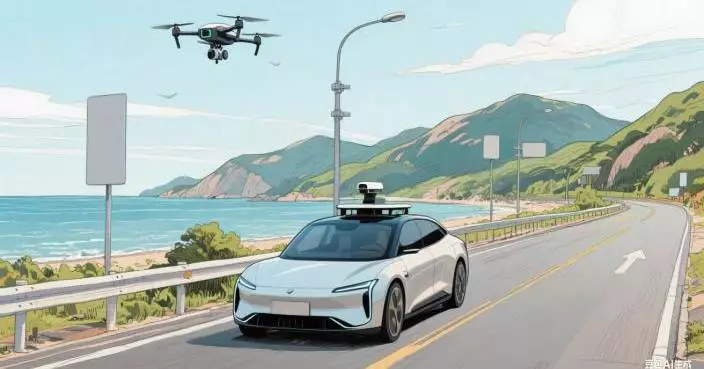
144. Hong Kong maintains a mature common law system and an internationalised regulatory environment, as well as a wealth of professional expertise in law, finance and insurance, enabling the city to serve as a vital bridge for the global expansion of Mainland commercial aerospace enterprises. We will support aerospace science R&D and the commercial development of the aerospace industry. Relevant measures include:
(i) The Innovation and Technology Commission (ITC) will launch a new round of Special Call on Aerospace Technology, with an emphasis on supporting technology research related to national space missions, covering satellite technologies, space exploration instruments, aerospace materials, remote sensing and other areas.
(ii) The Government will announce this year arrangements for streamlining the vetting of LEO satellite licence applications to attract enterprises and talent to Hong Kong. The Office of the Communications Authority (OFCA) will assist satellite operators in international co-ordination in the use of satellite orbits and spectrums, while providing them with licence application support.
(iii) We will promote the development of future 6G application scenarios, including LAE and LEO satellites. The OFCA will adopt a multipronged approach to encourage mobile network operators to expedite the advancement of telecommunications technologies and spectrum refarming, expand mobile network infrastructure to tie in with future development needs, and facilitate the alignment of 6G technology and spectrum planning with the Mainland.
(iv) The HKEX will consider enhancements to Chapter 18C of the Listing Rules to attract enterprises in emerging industries such as aerospace to raise capital in Hong Kong, consolidating our position as a financing hub for new economy enterprises.
(v) The HKIC will leverage patient capital to engage in early strategic investment, paving the way for future industry development. This includes assisting Mainland commercial aerospace enterprises in going global through investment and ecosystem development.
(vi) The IA and the industry will study systemic risks arising from commercial aerospace development and the functional positioning of Hong Kong's market, so as to make proposals on the development of related insurance products based on the study results.
(vii) We will step up innovative popular science education and talent development in aerospace, including increasing the quotas for the Young Astronaut Training Camp organised by the Hong Kong Space Museum next year. This will enable 35 students to visit our country's key aerospace and astronomy facilities. We will also support local institutions in promoting aerospace-related programmes, nurturing future talent.
(viii) The Government Flying Service will set up a dedicated team in the second quarter of 2027 to co-operate with relevant organisations in taking forward the "Youth Aerospace and Aviation DreamChaser Programme", an education activity on aerospace and aviation technology. It will raise Hong Kong young people's understanding of the development and achievements of national aerospace endeavours, and foster their interest in pursuing a career in aerospace and aviation.
InnoHK, Photo source: reference image
The Cyber Map shows the business and technology connections between financial institutions and major thirdparty service providers.
¹The Dedicated Fund on Branding, Upgrading and Domestic Sales
¹¹Traditional crimes that can be increased in scale or reach by the use of computers, computer networks or other forms of information and communications technology.
¹²For instance, the application of an AI Agent should be confined to standardised and repetitive internal government tasks. It should neither be used in decisionmaking directly affecting the public, nor supersede the professional judgment of staff. Human oversight should be maintained for high-risk actions, while transmission of confidential or personal data to external platforms should be prohibited. AI Agents should undergo risk assessments before deployment, with access control strictly enforced, the execution environment isolated and operation logs retained to ensure security, controllability and traceability.
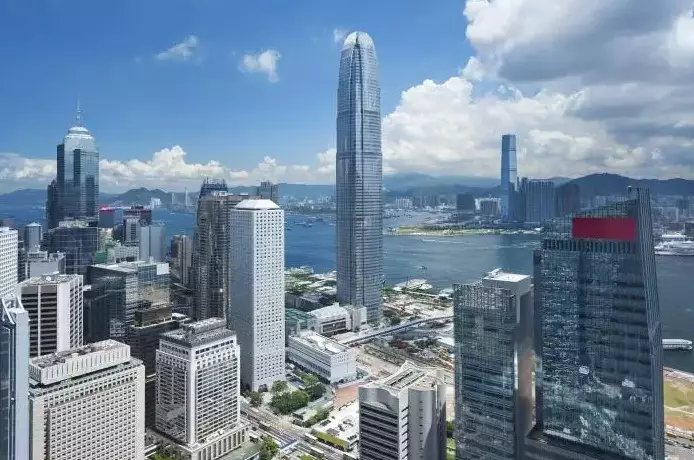
¹³The three major I&T parks are the Loop Hong Kong Park/San Tin Technopole, Cyberport and Science Park.
¹The five key R&D institutions are the HKPC, the Hong Kong Applied Science and Technology Research Institute, the Hong Kong Microelectronics Research and Development Institute (MRDI), the AIRDI and the Life and Health Technology Research Institute (LHTRI).
¹The New Industrialisation Funding Scheme, the New Industrialisation & Technology Training Programme and the Pilot Manufacturing and Production Line Upgrade Support Scheme.
¹To date, the TSSSU has approved over $650 million in funding for more than 700 university start-ups, supporting teams from designated universities to start businesses and commercialise their R&D results.