Japan posted a trade deficit of 1.1 trillion yen (around 7.1 billion U.S. dollars) in August, marking the fourth consecutive month of red ink, government data showed Wednesday, as elevated crude oil prices continued to weigh on the country's trade balance.
Imports jumped 28 percent from a year earlier to 11.15 trillion yen, the Finance Ministry said in a preliminary report. Notably, the value of crude oil imports surged 58.7 percent to 1.19 trillion yen, reflecting a weaker yen and higher costs incurred to secure oil supplies amid the ongoing conflict in the Middle East.
In the reporting month, Japan's crude oil imports from the Middle East tumbled 30.9 percent from the previous year as shipments through the Strait of Hormuz remained disrupted, forcing the resource-poor country to turn to alternative crude oil sources.
Meanwhile, exports grew 19.3 percent year on year to 10.05 trillion yen, lifted by overseas demand for semiconductors and automobiles.
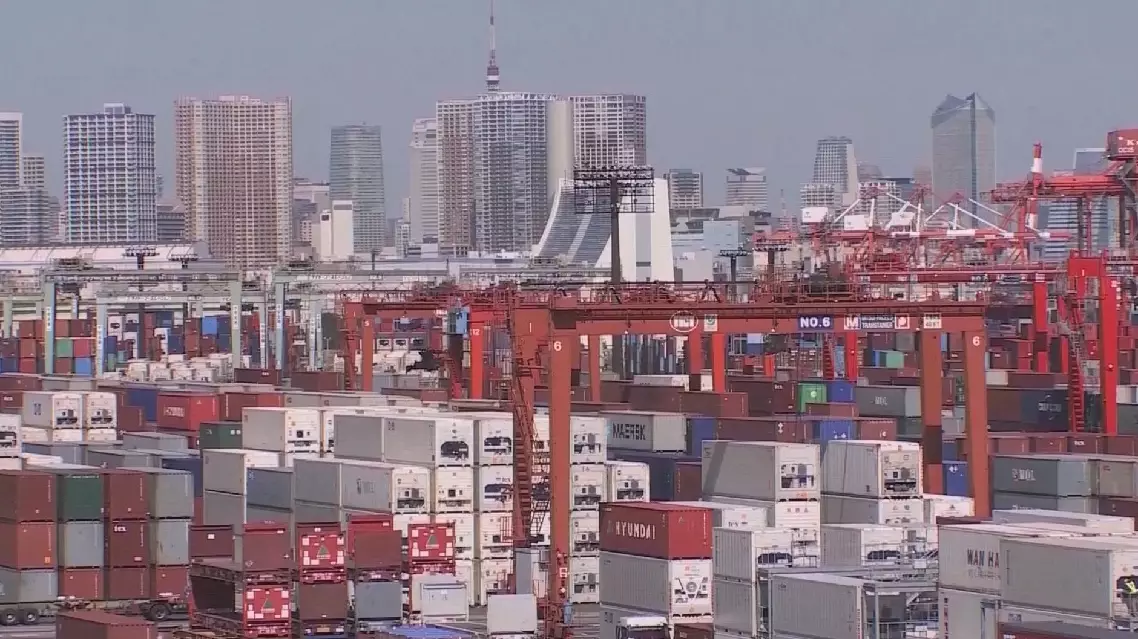
Japan logs 7.1 bln USD trade deficit in August
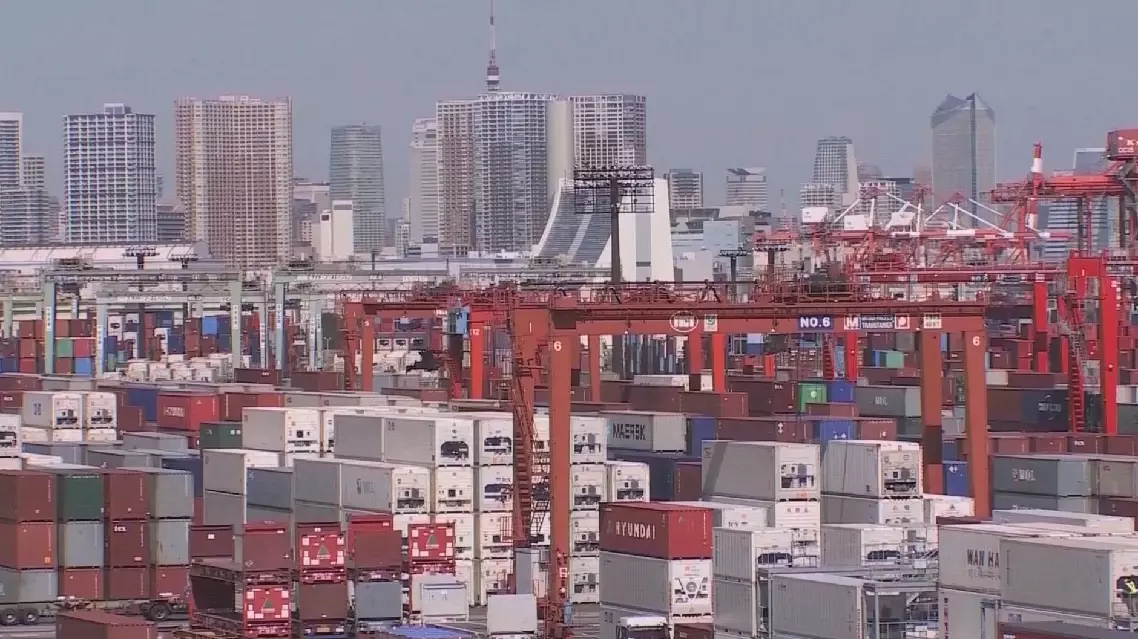
Japan logs 7.1 bln USD trade deficit in August
China's cross-border receipts and payments by non-banking sectors totaled 1.5 trillion U.S. dollars in August, sustaining its rapid growth trend this year, the State Administration of Foreign Exchange said Tuesday.
A highlight of the report is the net cross-border capital inflows in the past month, reaching 62.4 billion U.S. dollars, up 4 percent from July. Goods trade ranked among the largest net inflow sectors, while two-way direct investment remained broadly stable, according to the data.
Wang Yifeng, deputy director of the Everbright Securities Research Institute, said the figures underscore the resilience of Chinese market amid global financial disruption.
"The August data evidence the robustness and resilience of China's foreign exchange market. Against the backdrop of increased volatility in the external financial environment, China's cross-boarder receipts and payments maintained the momentum of relatively rapid growth. Outstanding is the relatively large net inflow of goods trade, which continued to function as the ballast stone, reflecting that the fundamentals of China's foreign trade competitiveness remain solid. The two-way direct investment was largely stable, showing that medium- and long-term capital remains optimistic about the Chinese market and that foreign investment is still glued to China," he said.
Trading activity in the domestic foreign exchange market also rose steadily, reaching 3.9 trillion U.S. dollars in August. Banks recorded a surplus of 48.5 billion U.S. dollars in foreign exchange settlement and sales, driven mainly by net inflows. The settlement rate of enterprises' foreign exchange income stood at 61.5 percent, indicating stable willingness to both convert and hold foreign currency, with market expectations generally calm.
Net settlement of foreign exchange by banks on behalf of clients under goods trade climbed to 74.6 billion U.S. dollars in August, up about 23 percent month on month, as a weaker dollar and strong exports kept cross-border capital flowing in. The share of cross-border RMB receipts and payments rebounded above 50 percent, marking greater use of local currency settlement that helps foreign trade companies reduce exchange rate risks, experts noted.

China sustains cross-border receipts, payments growth in August