Test results of seasonal food surveillance project on mooncakes all satisfactory
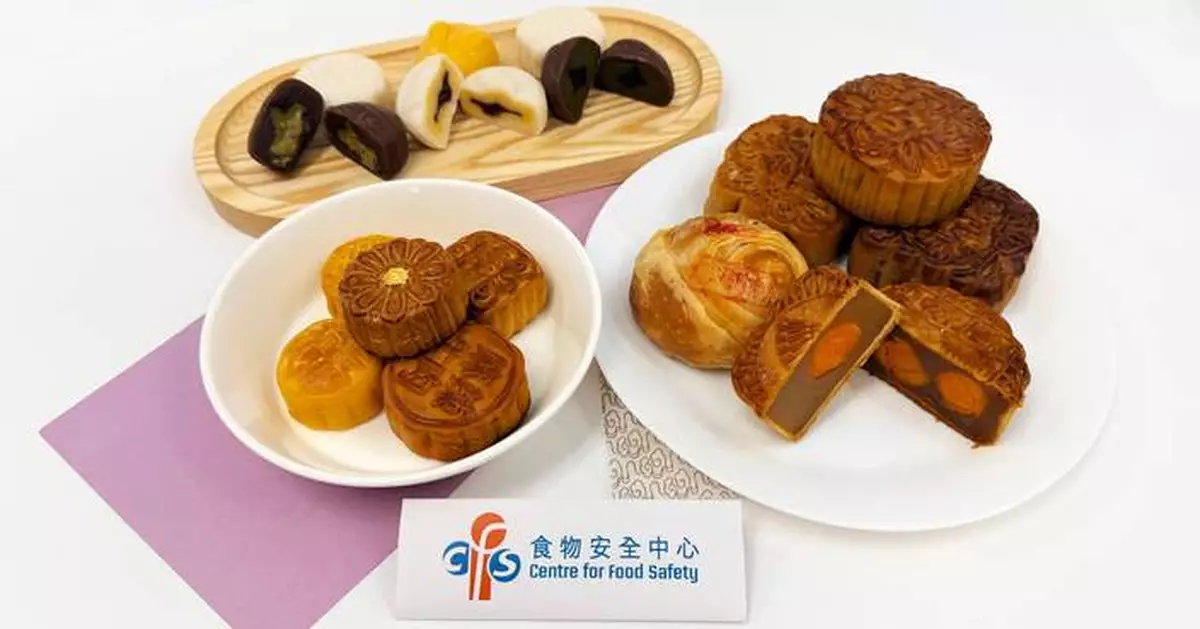
The Centre for Food Safety (CFS) of the Food and Environmental Hygiene Department today (September 16) announced the results of a seasonal food surveillance project on mooncakes.The results of 365 samples tested were all satisfactory.
A spokesman for the CFS said that samples covering traditional, snowy, ice-cream and other types of mooncakes had been collected from various retailers (including online retailers) and food factories for chemical and microbiological tests and nutrition content analysis.
Chemical tests covered colouring matters, aflatoxins, metallic contaminants, preservatives, antioxidants and mineral oil. Microbiological tests covered various pathogens and hygiene indicators. For nutrition content analyses (covering the contents of energy, protein, total fat, saturated fatty acids, trans fatty acids, carbohydrates, sodium and sugars), the samples were tested to see if they complied with the food labelling requirements.
The spokesman reminded members of the public to maintain a balanced diet and avoid excessive consumption of mooncakes as they are generally high in sugar and fat. Some types of mooncakes also contain relatively high levels of salt. Eating too much fat will increase the risk of being overweight and obese, while dietary sugar intake is a determinant of body weight and dental caries. In addition, excessive sodium intake will increase the risk of developing hypertension, fatal stroke and coronary heart disease.
He advised people to refer to the nutrition labels of mooncakes, particularly on the sugar, salt and fat contents, to make a healthier choice. People should avoid choosing mooncakes with high levels of fat or sugar, i.e. containing more than 20 grams of total fat or more than 15g of sugar per 100g of food. As for reducing salt intake, people can choose low-sodium mooncakes, i.e. containing no more than 120 milligrams of sodium per 100g of food.
The spokesman said that people should consider their health conditions and consume mooncakes in an appropriate amount during the Mid-Autumn Festival. He advised people to share mooncakes with their family members and friends, as this not only enhances the festive atmosphere, but also allows them to taste mooncakes of different flavours and avoid over-consumption.
Members of the public should heed the following points in the purchase, storage and consumption of mooncakes to prevent food-borne diseases:
- Buy mooncakes from reliable outlets rather than patronising unlicensed hawkers. Check whether the mooncakes are properly packaged, pay attention to the expiry dates before purchase and eat them before the expiry dates;
- Store mooncakes according to the instructions on the package if they are not to be consumed immediately. Keep snowy mooncakes at 4 degrees Celsius or below, and ice-cream mooncakes at minus 18 degrees C or below, and consume them as soon as possible after taking them out ofthe refrigerator;
- Use an icebox to carry snowy or ice-cream mooncakes outdoors and consume them as soon as possible;
- Wrap mooncakes properly and separate them from raw food when storing them in a refrigerator to prevent cross-contamination; and
- Maintain good personal hygiene. Wash hands properly with liquid soap and running water before handling and consuming mooncakes.
The spokesman also reminded food traders to adhere to the Good Hygiene Practices. Apart from purchasing food ingredients from reliable suppliers, they should also comply with legal requirements when using food additives.
"Snowy and ice-cream mooncakes, which do not undergo a baking process at high temperature, need to be handled hygienically during processing, transportation and storage to avoid contamination and growth of germs," he said.
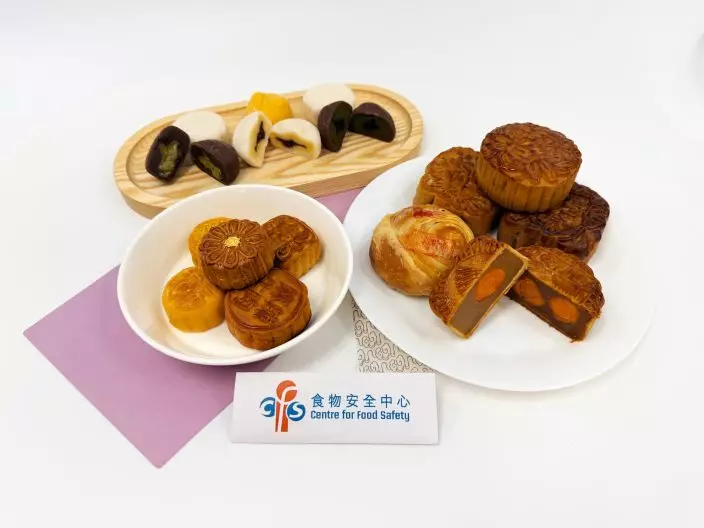
The Centre for Food Safety of the Food and Environmental Hygiene Department today (September 16) announced the results of a seasonal food surveillance project on mooncakes. The results of 365 samples tested were all satisfactory. Source: HKSAR Government Press Releases