Skip to Content Facebook Feature Image

Protectionism destroys EU opportunities for digital transformation: spokesman

China

Protectionism destroys EU opportunities for digital transformation: spokesman
China

China

Protectionism destroys EU opportunities for digital transformation: spokesman

2026-09-16 19:50 Last Updated At:20:07

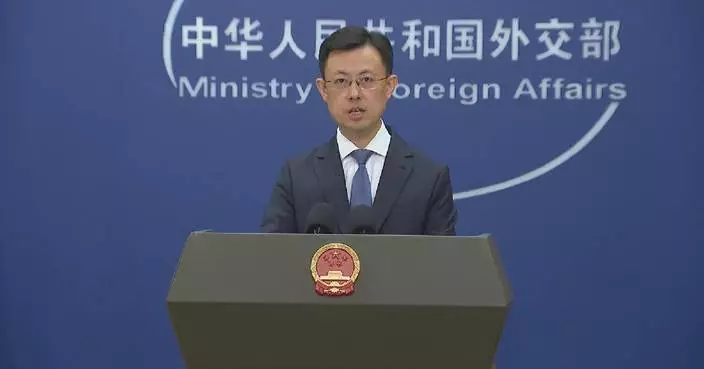
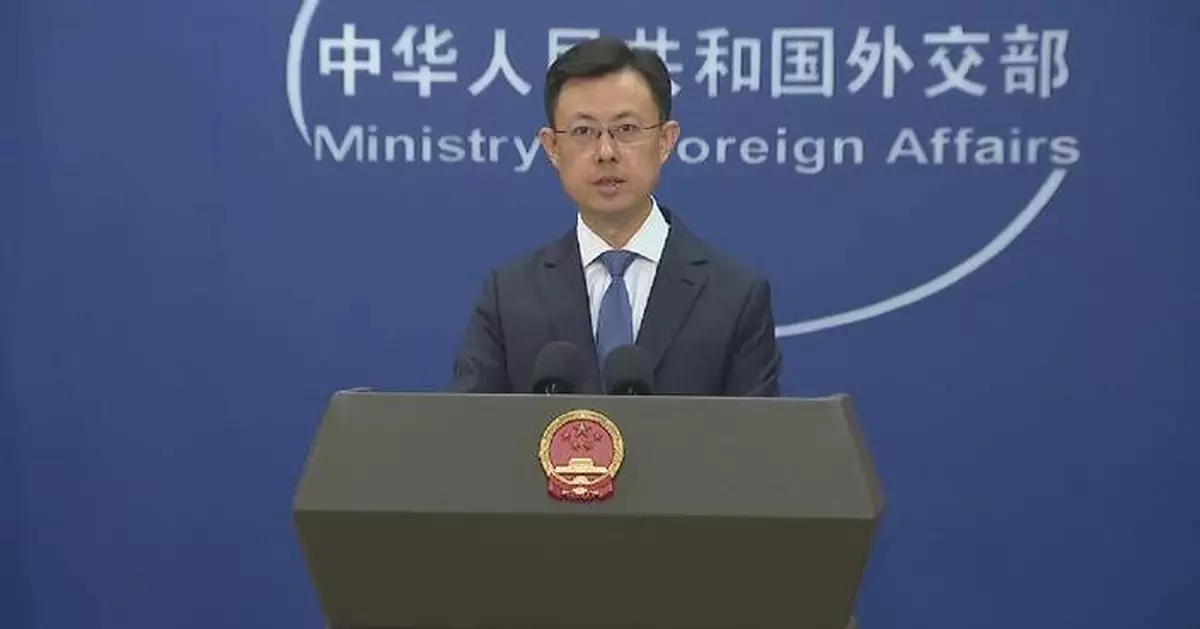
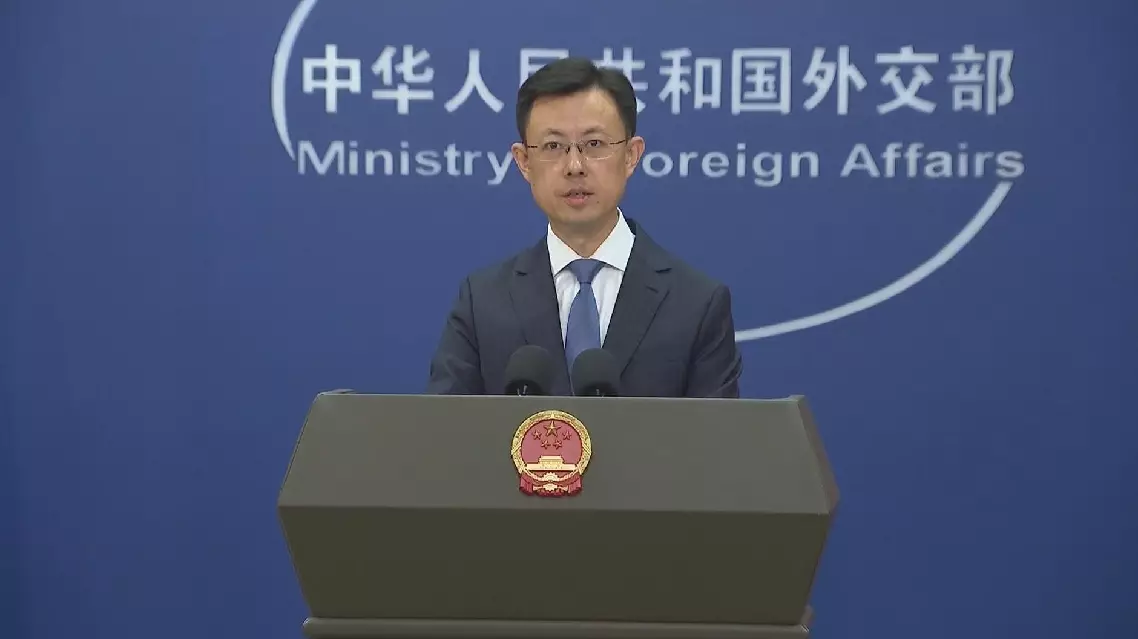
Protectionism does not build competitiveness, but destroys EU opportunities for digital transformation, Foreign Ministry spokesman Guo Jiakun said at a press briefing in Beijing on Wednesday.

Guo made the remarks in response to a media query about reports that the Connect Europe lobby group -- representing telecoms operators -- said in an open letter on Tuesday that the European Commission's proposed Digital Networks Act and the revised Cybersecurity Act could saddle the industry with as much as 40 billion euros in replacement costs, and risk "draining the sector of the very capital needed for fiber, 5G and 6G" infrastructure.

The letter was signed by 17 senior executives from European telecoms operators, among them the chief executives of France's Orange, Germany's Deutsche Telekom and Spain's Telefonica, said the reports.

"China noticed relevant reports. According to the assessment by relevant institutions, the Act will possibly cause loss of up to over 360 billion euros in the EU within the next five years. The open letter by the European telecommunication companies is yet another example that the EU's moves will only hurt others while bringing no benefits to its own. Protectionism does not build competitiveness, but destroys EU opportunities for digital transformation, harms EU's socioeconomic development, tarnishes its open-market reputation, and dampens foreign companies' confidence in investing in the EU. We hope the EU will heed the voice of reason across various sectors and not adopt discriminatory restrictions," Guo said.
Protectionism destroys EU opportunities for digital transformation: spokesman

Protectionism destroys EU opportunities for digital transformation: spokesman

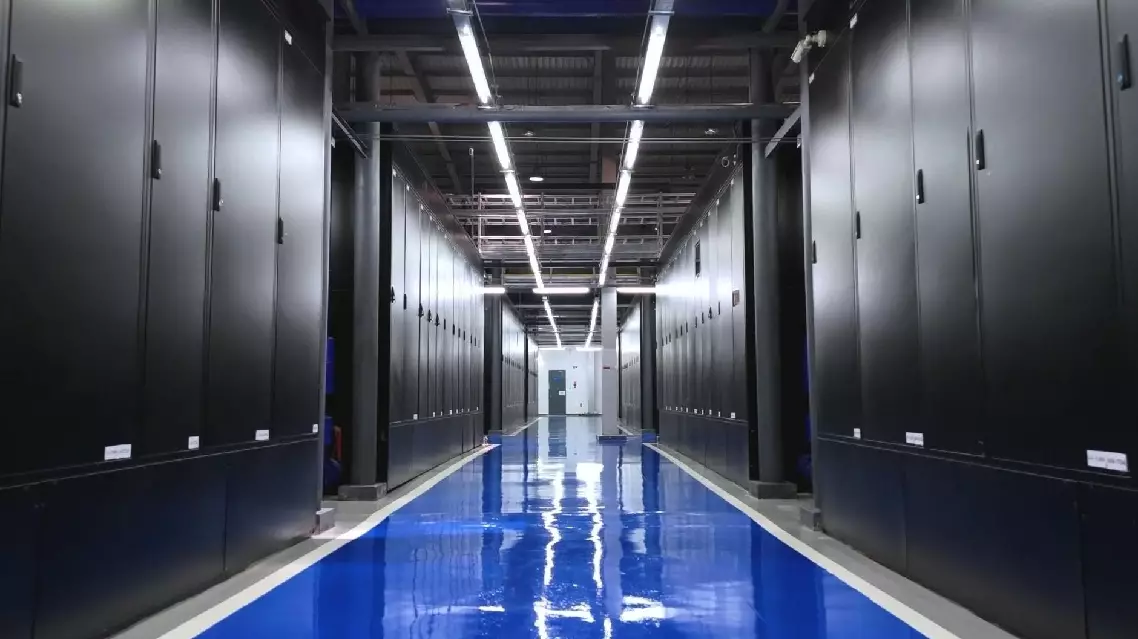
Electricity consumption by China's internet data service sector in 2026 had surpassed 60 billion kilowatt-hours as of Wednesday, up more than 40 percent year on year, according to the data from the China Electricity Council (CEC).

With the rapid growth of electricity consumption in data centers driven by artificial intelligence and other emerging industries, the average token invocation volume across the country has increased by thousands of times, and the demand for computing power has also risen accordingly.

As of the end of July 2026, China's intelligent computing capacity had reached 2.45 million PFLOPS, with the established intelligent computing capacity of its eight national computing power hubs and three computing power-electricity synergistic development zones accounting for over 85 percent of the national total.

"It is estimated that during the 15th Five-Year Plan period (2026-2030), the national computing power consumption will increase by more than 100 billion kilowatt-hours annually on average. By 2030, it is expected to reach 800 billion kilowatt-hours, accounting for about 6 percent of the total electricity consumption of the whole society. Emerging sectors like new energy vehicles and artificial intelligence are constantly expanding, giving rise to new growth points for electricity consumption, continuously activating new quality productive forces, and injecting abundant impetus into China's long-term and steady economic growth and high-quality development," said Pan Yuelong, chairman of the supervisory board of the CEC.

Internet data service's power consumption tops 60 bln kWh

Internet data service's power consumption tops 60 bln kWh

Recommended Articles