Associated Press (AP) — He keeps his American clothes in the closet: jeans, T-shirts, a hard hat for his job at a meatpacking plant.
He folds his African clothes — including the blue robe he had shipped from home, the one he jokes makes him look like a king — and tucks them into a suitcase stashed in a corner.
Click to Gallery
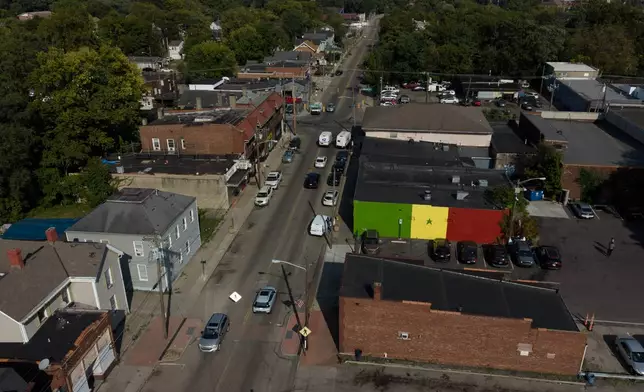
The national flag of Senegal is painted on the side of the Touba Tedoungal African restaurant, Thursday, Sept. 3, 2026, in Lockland, Ohio. (AP Photo/Carolyn Kaster)
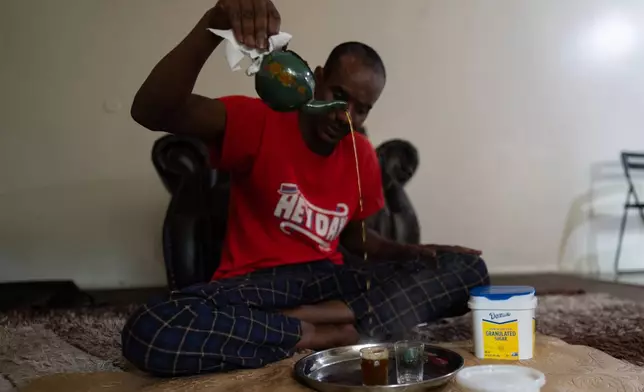
Samba Diallo, a Mauritanian immigrant, makes traditional green tea on the living room floor of his shared apartment in Lockland, Ohio, Friday, July 17, 2026. (AP Photo/Carolyn Kaster)
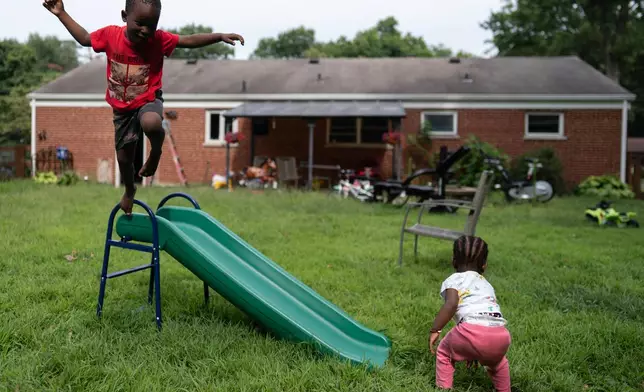
Khalidou Sy's children play in the backyard of the family's home in Lockland, Ohio, Friday, July 31, 2026. (AP Photo/Carolyn Kaster)
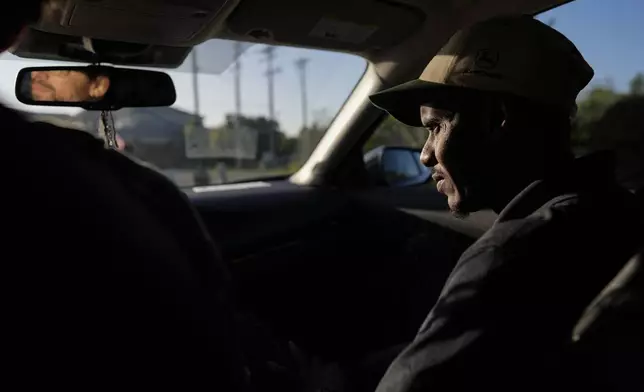
Samba Diallo, right, a Mauritanian immigrant, is driven by Vincent Wilson, following Diallo’s Immigration and Customs Enforcement appointment in Cincinnati, Monday, Sept. 14, 2026. (AP Photo Carolyn Kaster)
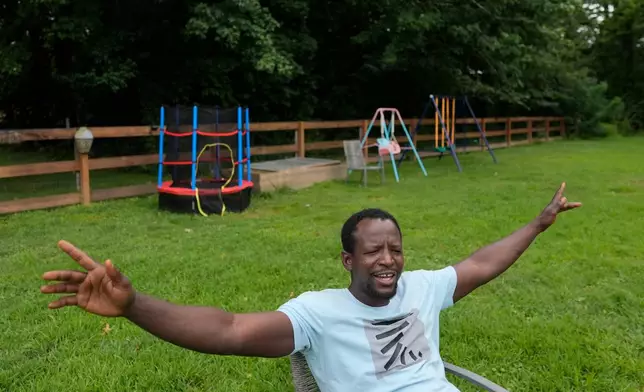
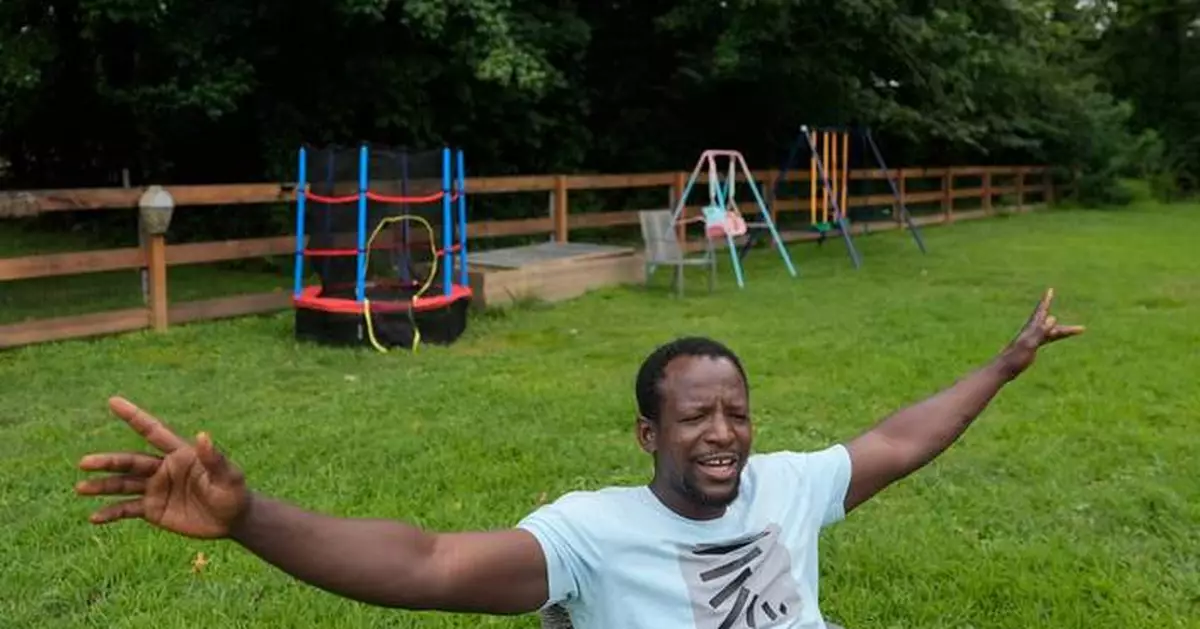
Khalidou Sy, a Mauritanian immigrant, talks in the backyard of his family's home in Lockland, Ohio, Friday, July 31, 2026. (AP Photo/Carolyn Kaster)
Samba Diallo needs those less often in this new life he’s building in the United States, and space is tight in the two-bedroom apartment that he shares with four other men.
That’s a big improvement from when they arrived from Mauritania three years ago. More than twice as many people crowded into this apartment in Lockland, Ohio, a small town on the outskirts of Cincinnati. In 2023, Diallo and roughly 2,000 of his countrymen arrived here, increasing the town’s population by more than 50%, so suddenly it seemed to some that it happened overnight.
They arrived as people from more countries than ever before entered the U.S. through the southern border, an unprecedented surge of 4.5 million migrants, according to government data from October 2018 to July 2025 analyzed exclusively by The Associated Press.
Many headed to smaller cities: People arrived in Cincinnati and its suburbs from nearly every inhabited region of the world. They came from Togo, Turkey, Ukraine, Uzbekistan, Congo, Colombia, around 75 countries that span the globe.
They turned even the unlikeliest of towns, like Lockland, into new American melting pots.
In Lockland, no one knew they were coming. There are no formal services for immigrants. But a small, established community of several hundred of their countrymen agreed to take them in.
Diallo, like many from Mauritania, had fled a government that persecuted him for opposing the country’s repressive regime.
Though around 70% of Mauritania is Black, the government is run by its Arab minority. It was among the last countries to abolish slavery, in 1981, but the practice persists: The Global Slavery Index ranks the country third in the world for prevalence of slavery.
Most who came to Lockland were Fulani, an ethnic group of Black Africans who speak the language Pular. In Mauritania, Black citizens suffer extraordinary discrimination and are often jailed without charge, the U.S. State Department has found.
Diallo had been an acolyte of Souvi Ould Jibril Ould Cheine, a human rights leader and anti-slavery activist who died in police custody in February 2023. An autopsy found he’d been strangled.
Diallo ran a group chat where he organized about 180 people and rallied them to join him at a protest, he said. He captured on video the police tear-gassing protesters and posted it online, he said.
They arrested him, and he spent a week in jail, he said. He returned to the protests and was detained again, he swore in the documents he submitted to an immigration judge, in a windowless cell with no food or water. He went into hiding.
“It was so scary,” he said. “If they catch me another time, it is finished for me. Maybe they’ll kill me, maybe I will stay in jail forever.”
A group of locals helped these men: One man started teaching people how to drive. A retired executive helped with resumes. An intern at the food pantry filled out countless job applications.
Vincent Wilson, who volunteers as an English teacher through his church, got to know them and started mapping their lives in his mind. He thought about their needs — their apartments, English class, the food pantry, grocery store — and realized they were walking miles a day.
He was well-connected in the city’s bike culture and started a shop that collects old donated bikes. Anyone who wants a bike can get one for free, if they help refurbish it. He called it Bikes and Stuff, and the shop has become the center of the Mauritanian community here, where people gather on Friday afternoons.
Wilson, who says he stumbled into this community as a “bored white guy” interested in getting to know his new neighbors, now has an unexpected tradition. In addition to helping them navigate U.S. bureaucracy on things like insurance and taxes, he goes with them routinely to their check-in appointments with Immigration and Customs Enforcement.
This week, he went with Diallo, who carried a red folder with all his documents inside.
One form asks whether a person requesting asylum fears they will be tortured if they’re returned home. Diallo had checked “yes.”
Wilson said the odds seem stacked against his new friends. They’ve heard of only one person whose asylum application was approved. Most, once they get before a judge, are told they can’t stay. Wilson routinely checks the inmate roster of a local jail, which contracts with ICE to detain migrants, to see whether people he knows have been picked up.
So far, two people he knows have been deported. Some are considering leaving Ohio for states they think of as more friendly to immigrants. A handful have left for Canada.
“From what we have experienced, the line between being an asylum seeker and the line being deported is basically a bunch of paperwork,” Wilson said. “You’re not immediately deportable, but you’re also not hard to deport, which is pretty brutal math.”
Sometimes, it seems, he’s more worried than those facing possible deportation. They often say it is in God’s hands, that their destiny will be designed by him. Wilson, a devout Christian, admires that.
When they arrived, he walked Diallo to the door of the nondescript brick building but had to wait outside. Only those with appointments are let in.
Wilson says he has “horse blinders”: He can’t bring himself to think about how ICE is detaining people at check-ins, that Diallo could walk in one day and not walk out.
But less than 30 minutes later, Diallo emerged smiling.
He likes to chronicle his American life in photos, and he asked an ICE officer to pose for a picture with him. The officer shook his hand, and they both looked into the camera and smiled.
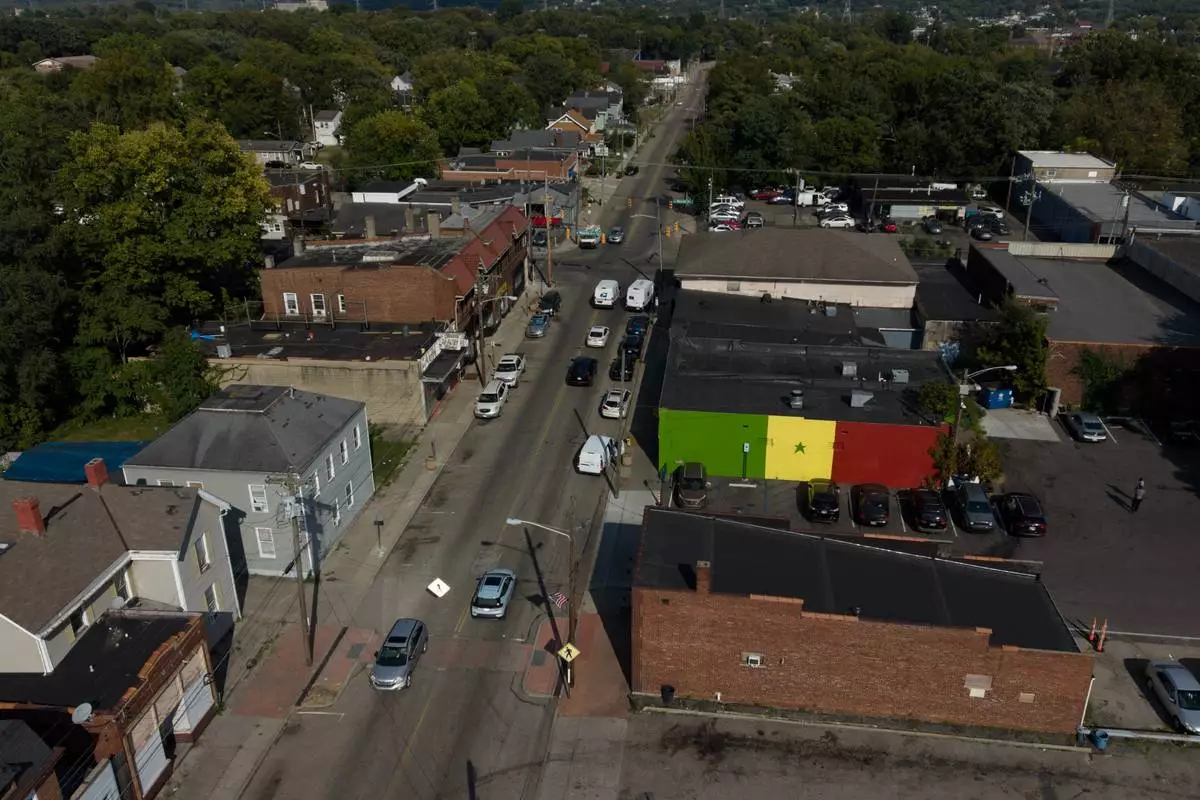
The national flag of Senegal is painted on the side of the Touba Tedoungal African restaurant, Thursday, Sept. 3, 2026, in Lockland, Ohio. (AP Photo/Carolyn Kaster)
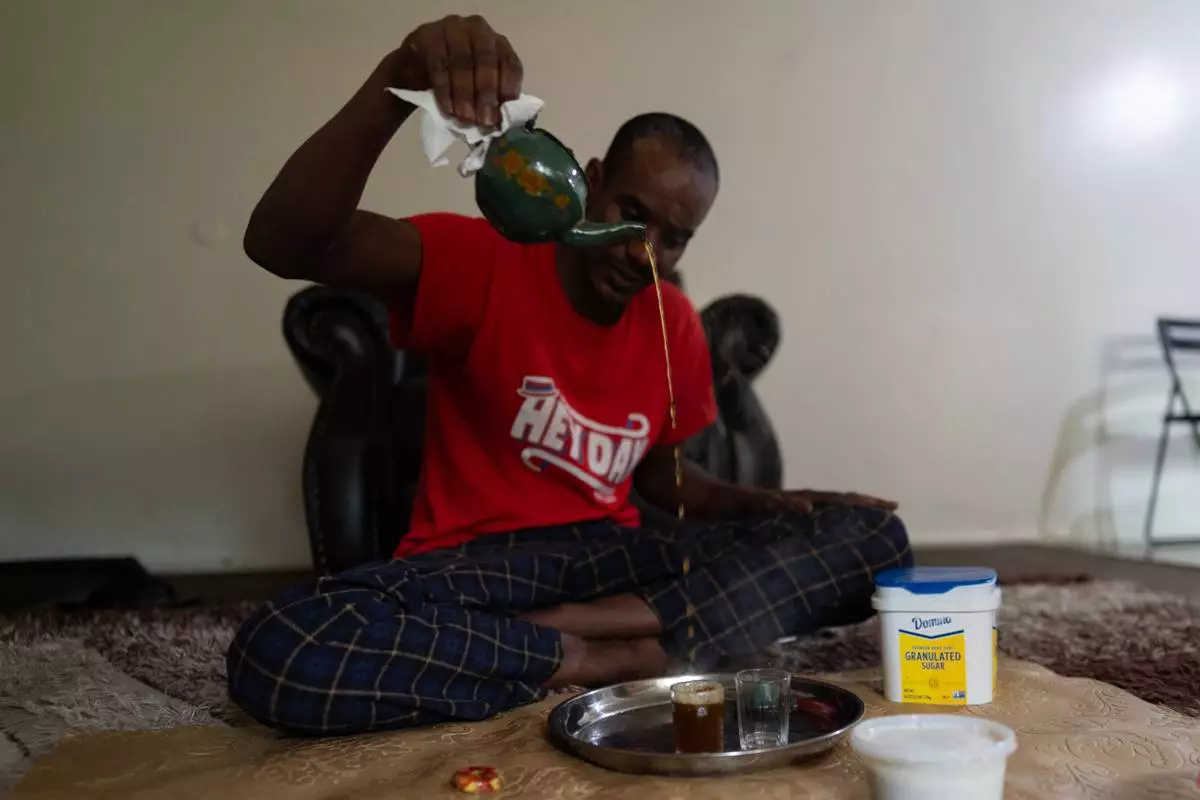
Samba Diallo, a Mauritanian immigrant, makes traditional green tea on the living room floor of his shared apartment in Lockland, Ohio, Friday, July 17, 2026. (AP Photo/Carolyn Kaster)
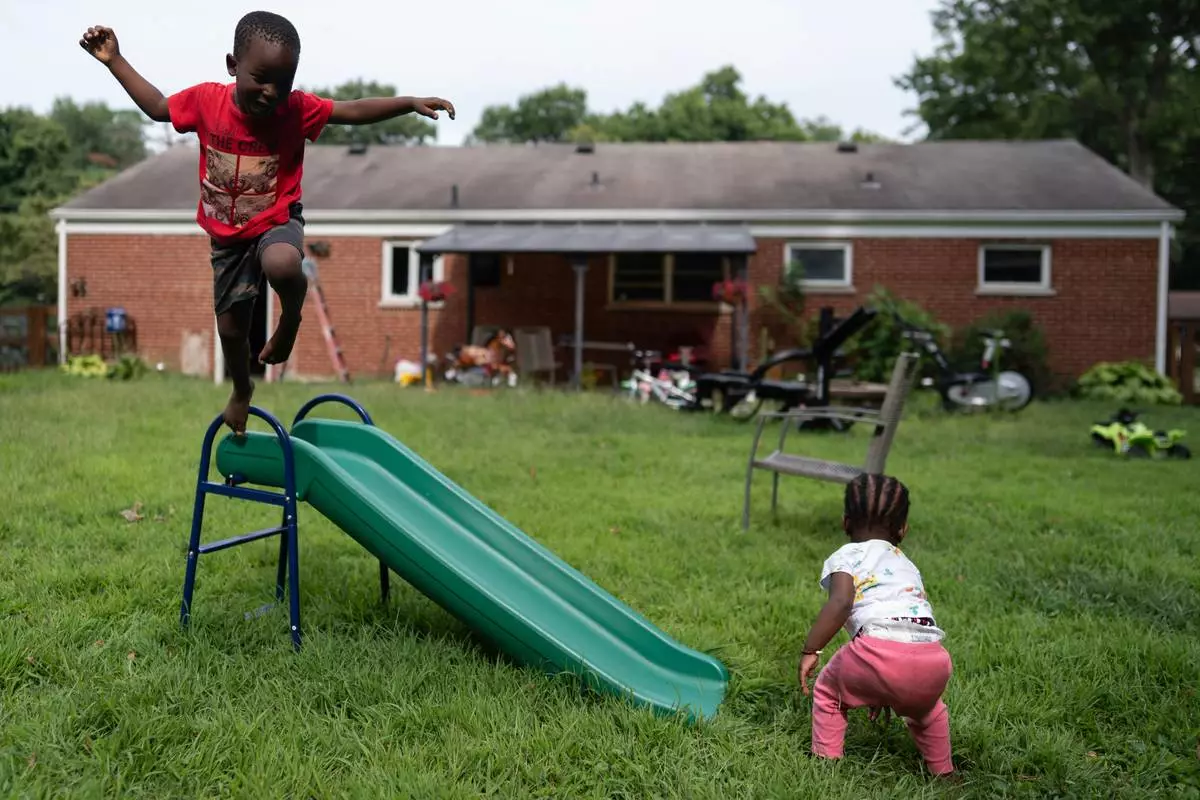
Khalidou Sy's children play in the backyard of the family's home in Lockland, Ohio, Friday, July 31, 2026. (AP Photo/Carolyn Kaster)
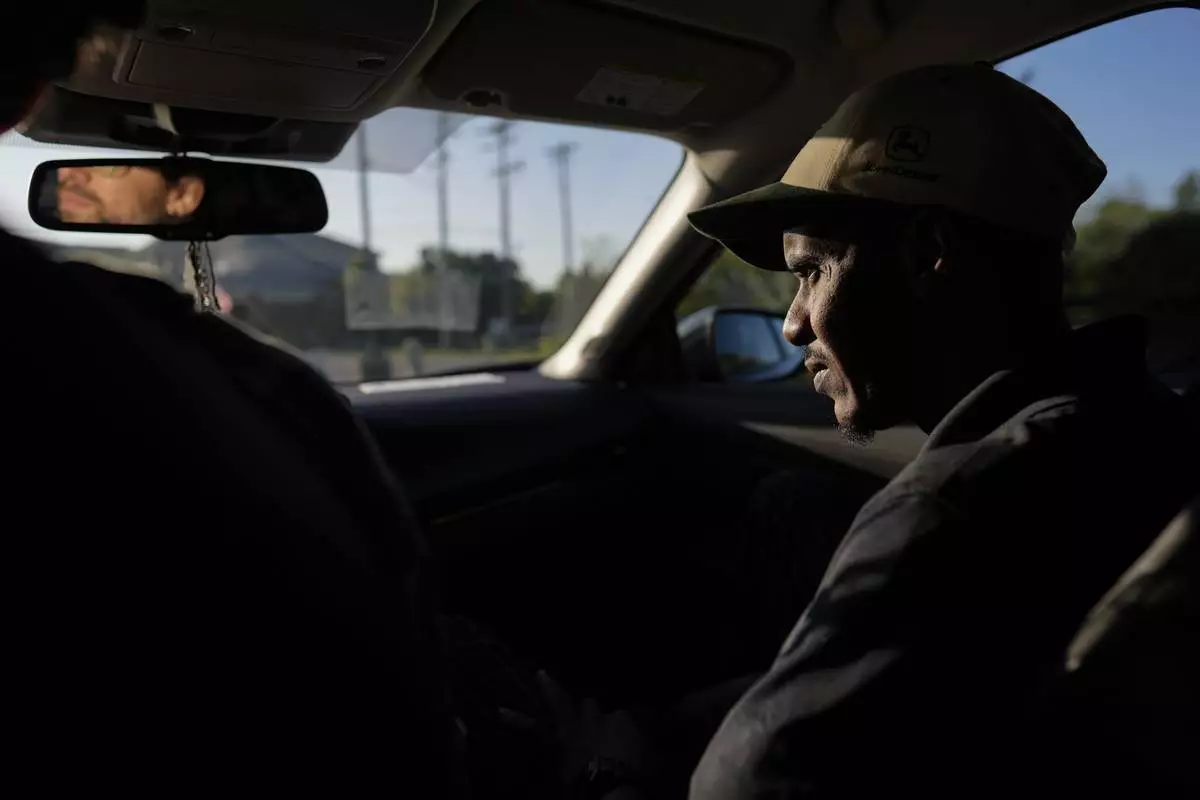
Samba Diallo, right, a Mauritanian immigrant, is driven by Vincent Wilson, following Diallo’s Immigration and Customs Enforcement appointment in Cincinnati, Monday, Sept. 14, 2026. (AP Photo Carolyn Kaster)
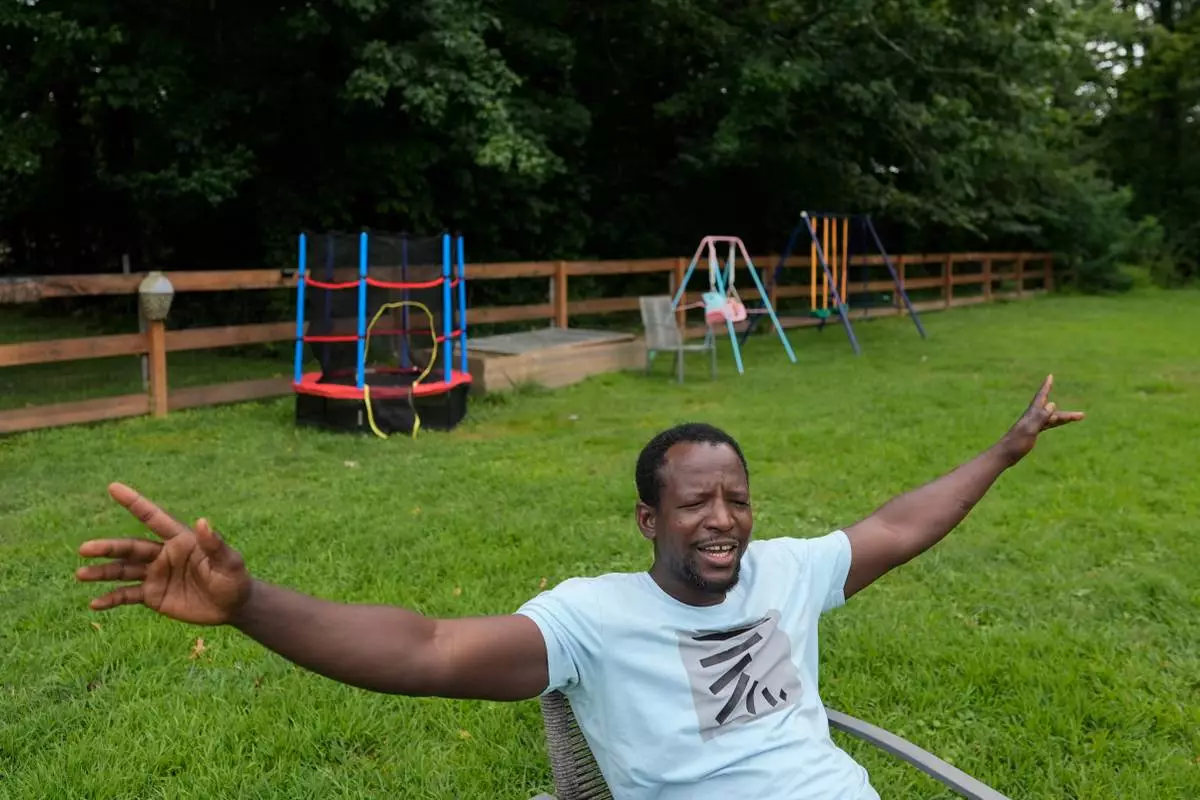
Khalidou Sy, a Mauritanian immigrant, talks in the backyard of his family's home in Lockland, Ohio, Friday, July 31, 2026. (AP Photo/Carolyn Kaster)