CONCORD, N.H. (AP) — A New Hampshire judge on Thursday dismissed the latest petition for a new trial from Pamela Smart, who is serving life in prison for orchestrating the murder of her husband by her teenage student more than three decades ago.
Smart, 59, was a 22-year-old high school media coordinator when she began an affair with the 15-year-old boy who later fatally shot her husband, Gregory Smart, in Derry in 1990.
The shooter was freed in 2015 after serving a 25-year sentence. Though Smart denied knowledge of the plot at the time, she was convicted in 1991 of being an accomplice to first-degree murder and other crimes and was sentenced to life without parole. Her trial was one of the first in the nation to be broadcast live on television from start to finish.
She didn't take responsibility for her husband’s death until 2024, saying she spent years deflecting blame “almost as if it was a coping mechanism.”
Smart filed a petition for habeas corpus relief in January seeking to overturn her conviction over what her lawyers claimed were several constitutional violations. After holding a hearing in July, Merrimack County Superior Court Judge James Kennedy on Thursday granted the state's motion to dismiss the petition, saying her arguments already were or could have been raised during earlier appeals, and even if they hadn't, lacked merit.
Among other things, Smart’s lawyers argued that prosecutors misled the jury by providing them with inaccurate transcripts of surreptitiously recorded conversations between Smart and her student intern that included words that were not audible on the recordings.
Among the words they claimed weren’t audible but appeared in the transcript was the word “killed” in the sentence “you had your husband killed,” the word “busted” in the sentence “I’m gonna be busted,” and the word “murder” in the sentence “this would have been the perfect murder.”
In the petition, Smart's lawyers described a forensic study suggesting that providing transcripts to juries along with muffled audio can lead listeners to believe the written text, even when it's inaccurate.
But Kennedy said the study's legal relevancy was “dubious" given that it wasn't published or available to read in full and that even the description given by Smart's attorneys failed to identify any inaccuracies. The judge also rejected Smart's arguments that the verdict was tainted by media attention and by faulty jury instructions.
Smart’s trial was a media circus and one of the first high-profile cases in the U.S. about a sexual affair between a school employee and a student. The student, William Flynn, testified that Smart told him she needed her husband killed because she feared she would lose everything if they divorced and that she threatened to break up with Flynn if he didn’t kill her husband.
Flynn and three other teens who participated in the plot cooperated with prosecutors, and all have since been released.
The case inspired Joyce Maynard’s 1992 book “To Die For” and the 1995 film of the same name, starring Nicole Kidman and Joaquin Phoenix.
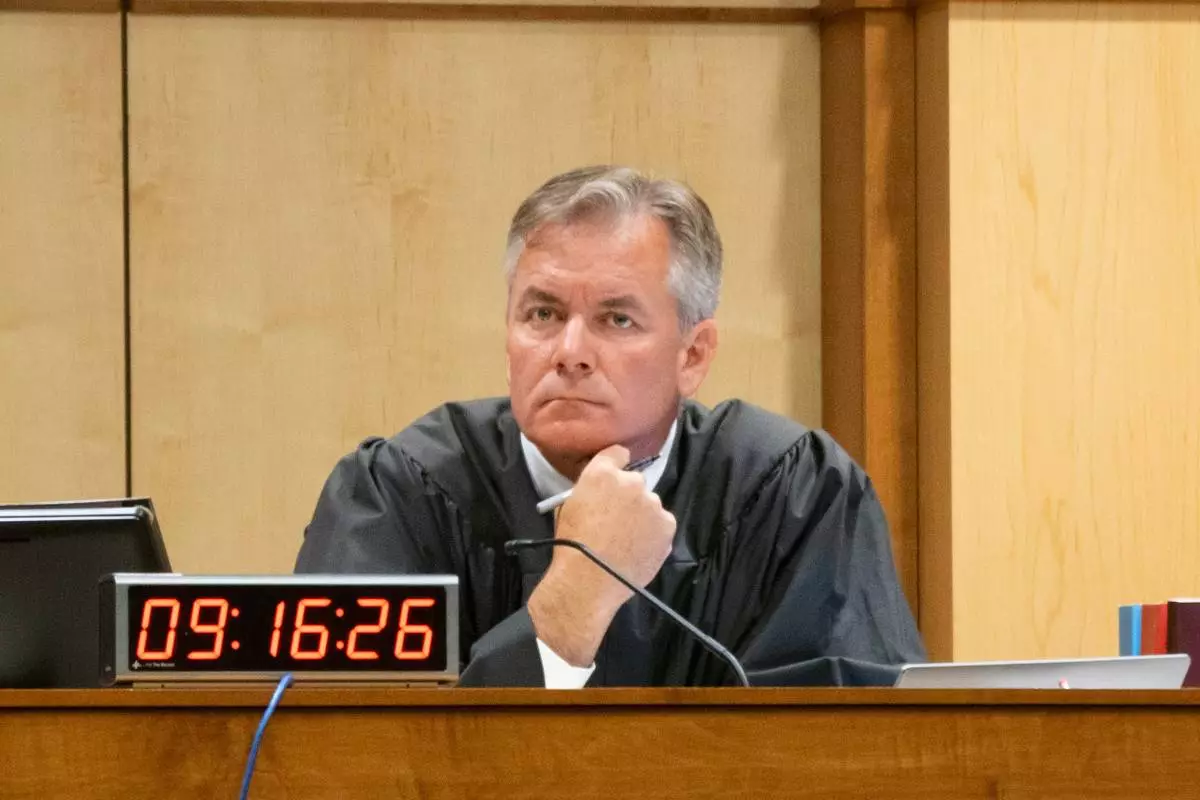
FILE - Merrimack Superior Court Judge James Kennedy listens during a hearing for Pamela Smart, who is serving life in prison for orchestrating the murder of her husband, at the Merrimack Superior Court in Concord, N.H., July 20, 2026. (Grace Chai/Seacoast Media via AP, Pool, File)
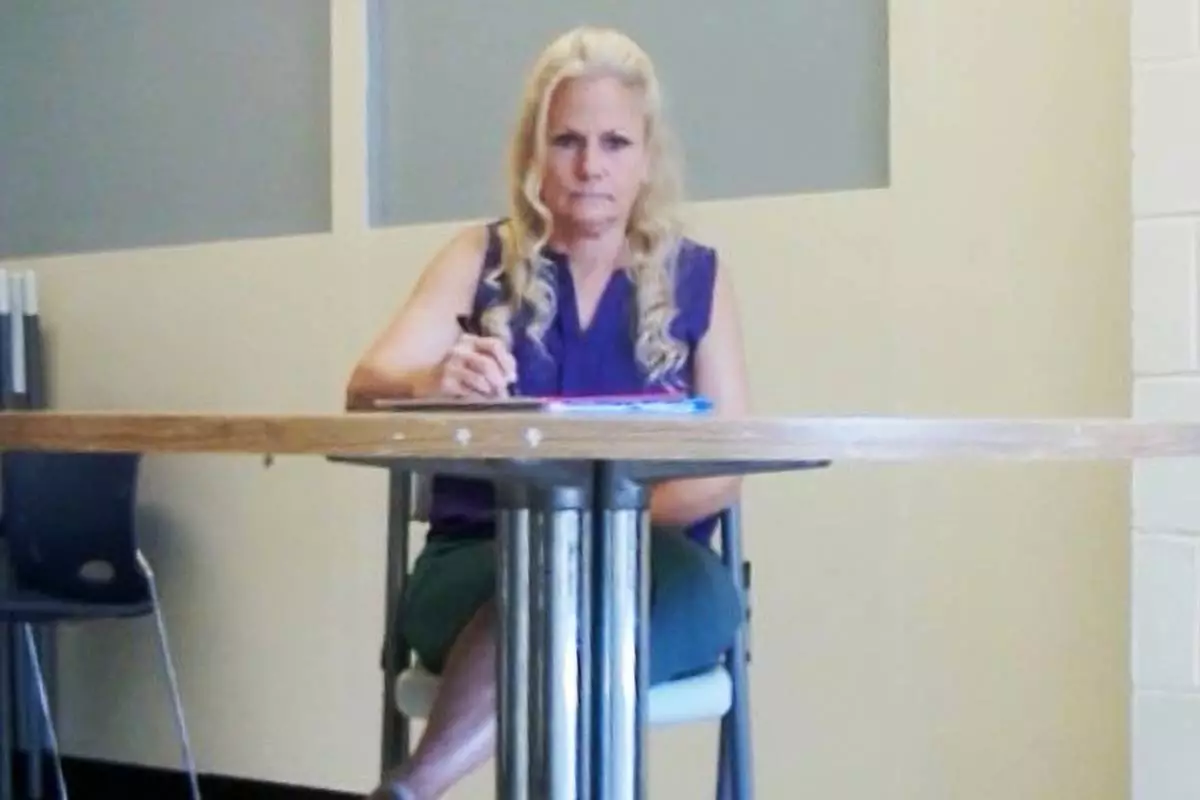
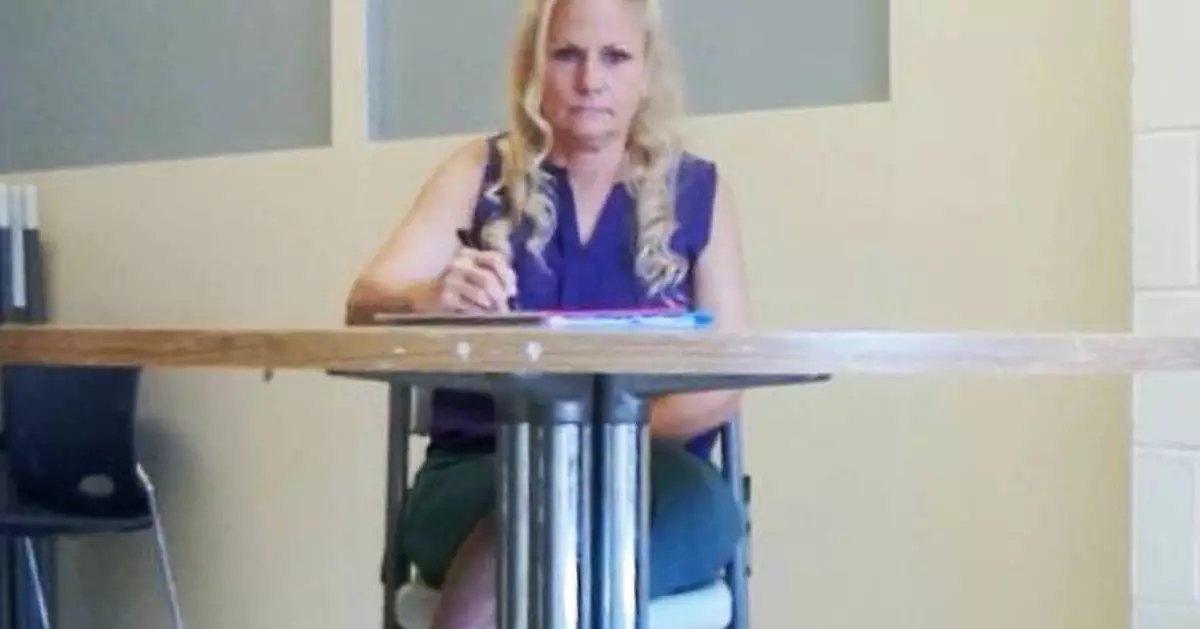
FILE - This image taken from video provided by Merrimack County Superior Court in Concord, N.H., shows Pamela Smart appearing remotely from Bedford Hills Correctional Facility for Women in Bedford Hills, N.Y., during a hearing related to her petition for a new trial, July 20, 2026, in Concord, N.H. (Merrimack County Superior Court via AP, File)
WASHINGTON (AP) — A federal judge on Thursday ordered the Kennedy Center to provide 30 days’ notice before making any major physical changes to the building, including demolishing it as President Donald Trump has threatened.
U.S. District Judge Christopher Cooper said his ruling would “avoid any confusion on that score given more recent events,” including the building’s sudden closure to the public on Wednesday.
Matt Floca, the Kennedy Center’s executive director and chief operating officer, said he closed the iconic performing arts center temporarily due to “acute risks to public safety resulting from continued structural deterioration” of the aging building. The building will be closed for at least seven days to “assess existing safety risks in those portions of the main building exhibiting severe structural deterioration,” Floca said.
The temporary closure, which occurred without notice, is separate from a vote Tuesday by the Kennedy Center’s board to close the center indefinitely for repairs, Floca and other officials said. The closure was based on an inspection of the roof terrace canopy and a partial ceiling collapse earlier this month, Floca said. The closure may be extended after evaluation next week, he added.
Trump, who was named the Kennedy Center’s chairman last year by loyalists on the board, said Wednesday that his efforts to restore the aging building deserve recognition, “because frankly, if we don’t do that, it’s going to close. It’ll end up being ripped down. It’s in very, very bad shape, very dangerous shape.”
The announcement of the closure came in response to a court case filed by a Democratic congresswoman who is a trustee and sought an emergency court hearing to prevent what she called the building’s “unlawful closing.”
Rep. Joyce Beatty, an Ohio Democrat and an ex officio member of the Kennedy Center board, has led efforts to block Trump’s name from being added to the building. Beatty had a verbal confrontation with the Republican president Tuesday during a virtual board meeting.
Beatty's lawyers said in a court filing Thursday that the board members' “rationale that they are only temporarily closing the Kennedy Center is a plain pretext to justify shutting down the Center permanently. The facts before the Court are deeply concerning.”
Cooper denied a request by Beatty's legal team to hold a hearing to clarify the board's actions and intent. But he agreed to their request “to make crystal clear” that his order prohibits demolition of the building without 30 days’ notice.
The Trump-aligned board, chaired by the president, voted to close the center after Cooper blocked the institution from returning Trump’s name to the building.
Congress has allocated $257 million to cover the repairs, but Trump said they only would happen if the board was permitted to move forward with plans to add his name to the building.
On Thursday, Barbra Streisand, a Kennedy Center honoree in 2008, questioned the closing of the center for repairs and called the controversy surrounding its operation “galling and painful to witness.”
Of Trump’s attempts to add his name to the center, she said in a statement to The Associated Press: “You can easily imagine my indignation at seeing this revered institution become the subject of such a bitter struggle over one man’s name and unchecked ego.”
The Kennedy Center board voted in August to inscribe Trump's name on the Kennedy Center’s facade so it would read “The John F. Kennedy Center for the Performing Arts Restored and Renovated By President Donald J. Trump.” If the Trump Kennedy Center Fund reached $100 million, another inscription would be added reading “Endowed by the Trump Kennedy Center Fund.”
The plaza in front of the Kennedy Center would also have been renamed in Trump’s honor.
All of those proposals were shot down Tuesday by Cooper, who ruled that nothing could happen “without Congress’s blessing.”
Cooper ruled in May that the Kennedy Center illegally added Trump’s name to the building, ordering it removed. The institution’s leaders complied in June but left a tarp and scaffolding in place where Trump’s name was once displayed.
Streisand told AP she was deeply honored to be included in the 31st annual class of Kennedy Center Honorees, adding, “for me, and for so many artists, that honor represented something larger than a career recognition. It represented a belief in the importance of art to the life of a democracy.”
On Capitol Hill, lawmakers from both parties called the dispute an unnecessary distraction and said they hope the building will not be torn down.
“I’d be very, very surprised if that actually happened,” said Senate Majority Leader John Thune, R-S. D.
Asked if Congress would try to stop it, Thune said, “I hope we won’t get to that point.”
Democratic Sen. Ruben Gallego of Arizona said Trump was “being selfish and is mad that they’re not putting his name on it.”
Trump does not seem to realize “how many people love and value both the memories of the Kennedy family as well as obviously of what the Kennedy Center means to this country,'' Gallego said. He predicted a “massive backlash” if Trump tries to demolish the building, as he did with the White House East Wing.
Sen. Thom Tillis, a North Carolina Republican, called the dispute a “false crisis” and said, “worrying about what (the building) is named is kind of silly.”
Associated Press writers Glenn Gamboa in Cleveland and Mary Clare Jalonick and Nathan Ellgren in Washington contributed to this report.
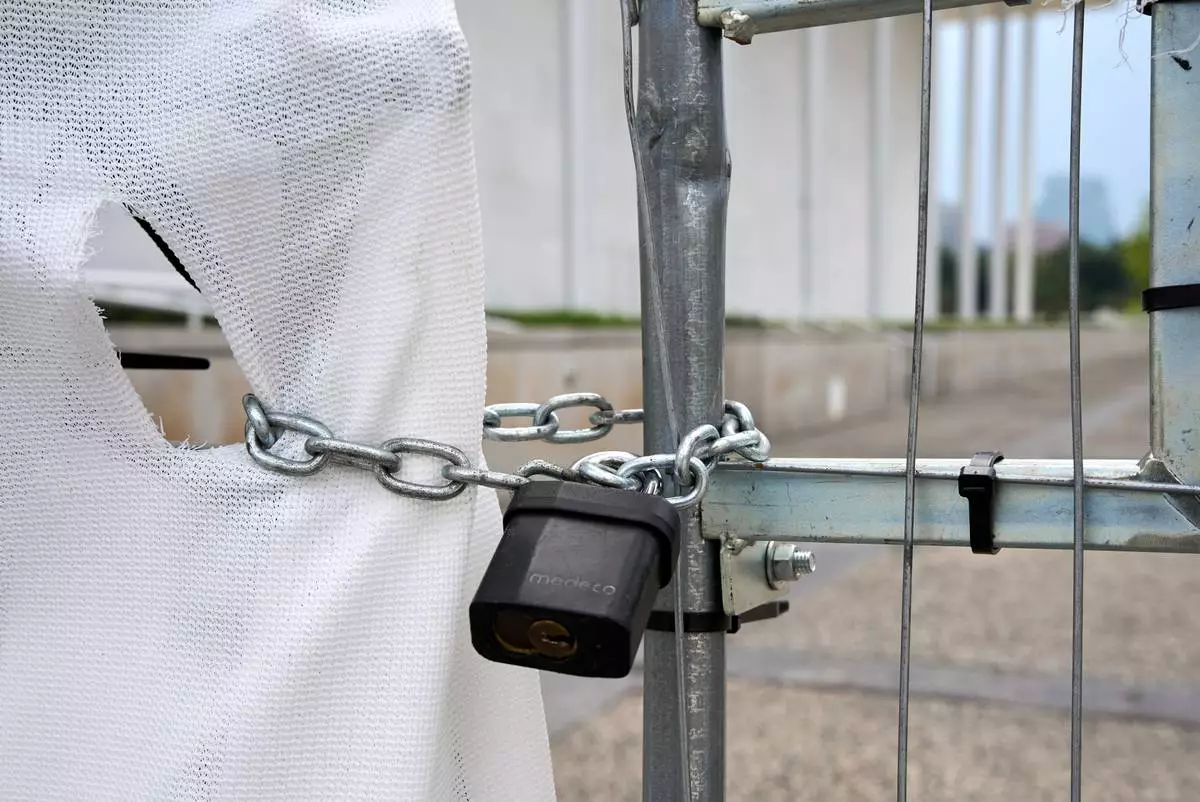
The Kennedy Center, which has been fenced off and closed to the public, is seen through a hole in a covered fence, Thursday, Sept. 17, 2026, in Washington. (AP Photo/Jacquelyn Martin)
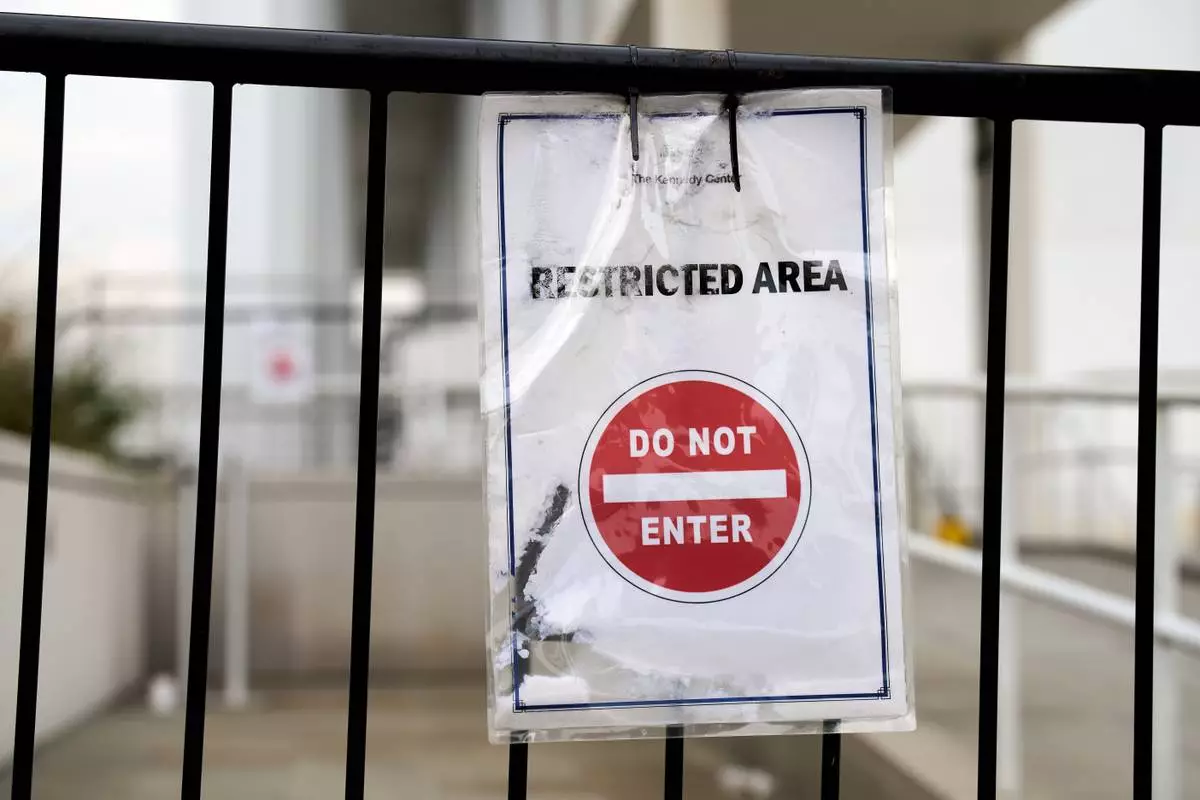
A sign directs people away from behind the Kennedy Center, which has been fenced off and closed to the public, Thursday, Sept. 17, 2026, in Washington. (AP Photo/Jacquelyn Martin)
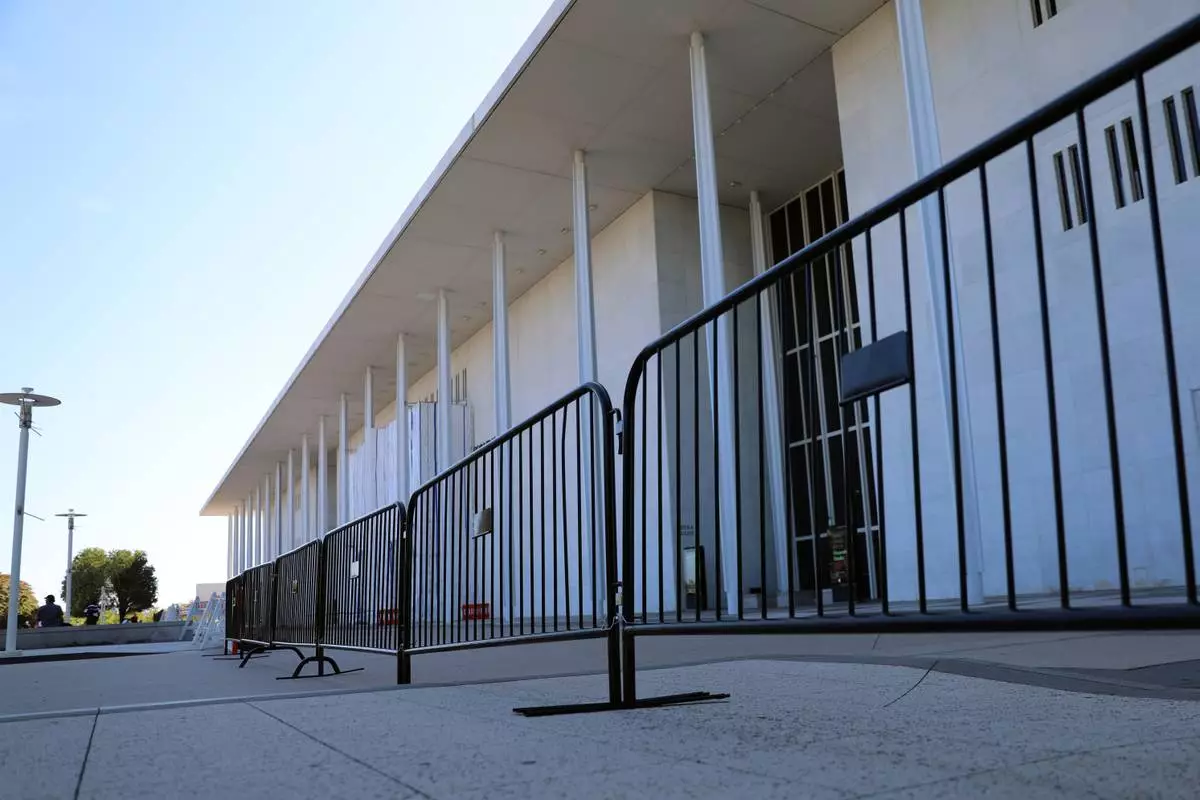
Fencing is installed at the John F. Kennedy Center for the Performing Arts, Wednesday, Sept. 16, 2026, in Washington. (AP Photo/Rahmat Gul)
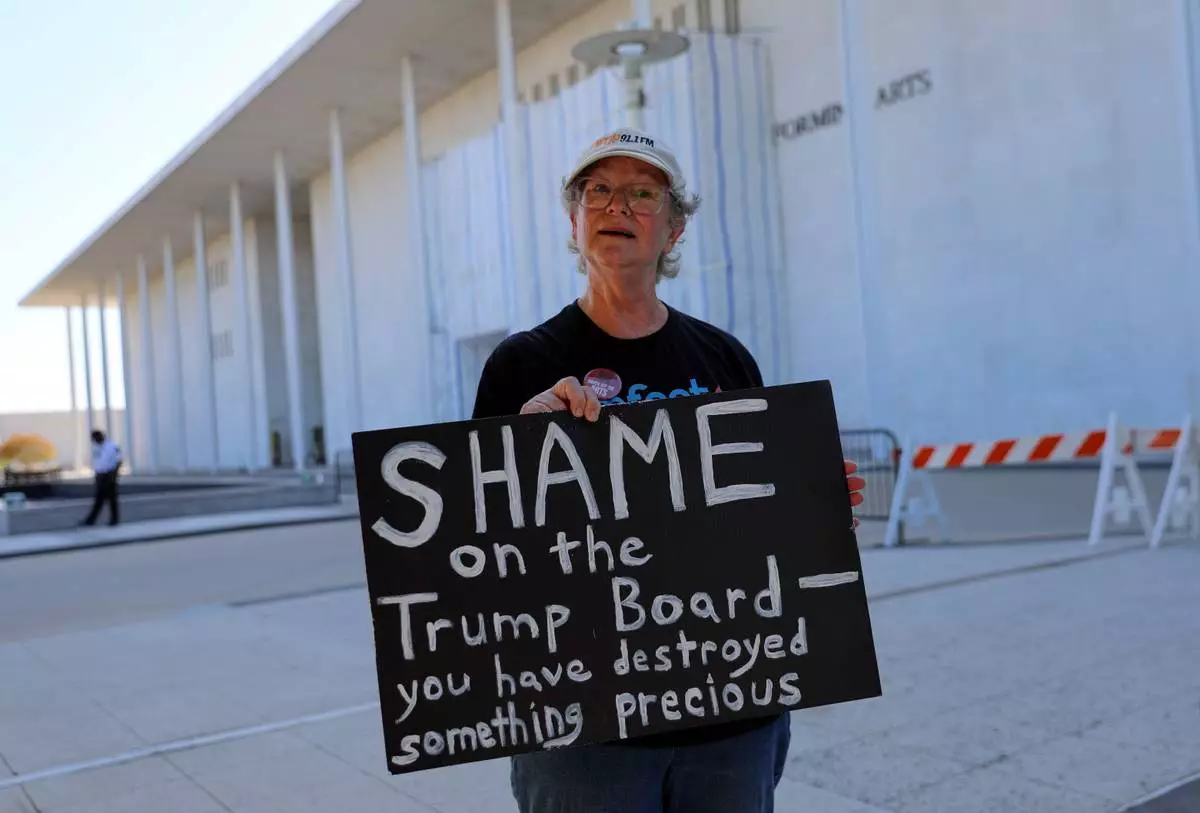
Laura Bligh of Vienna, Va., holds a protest sign outside the John F. Kennedy Center for the Performing Arts in Washington, Wednesday, Sept. 16, 2026, in Washington. (AP Photo/Rahmat Gul)
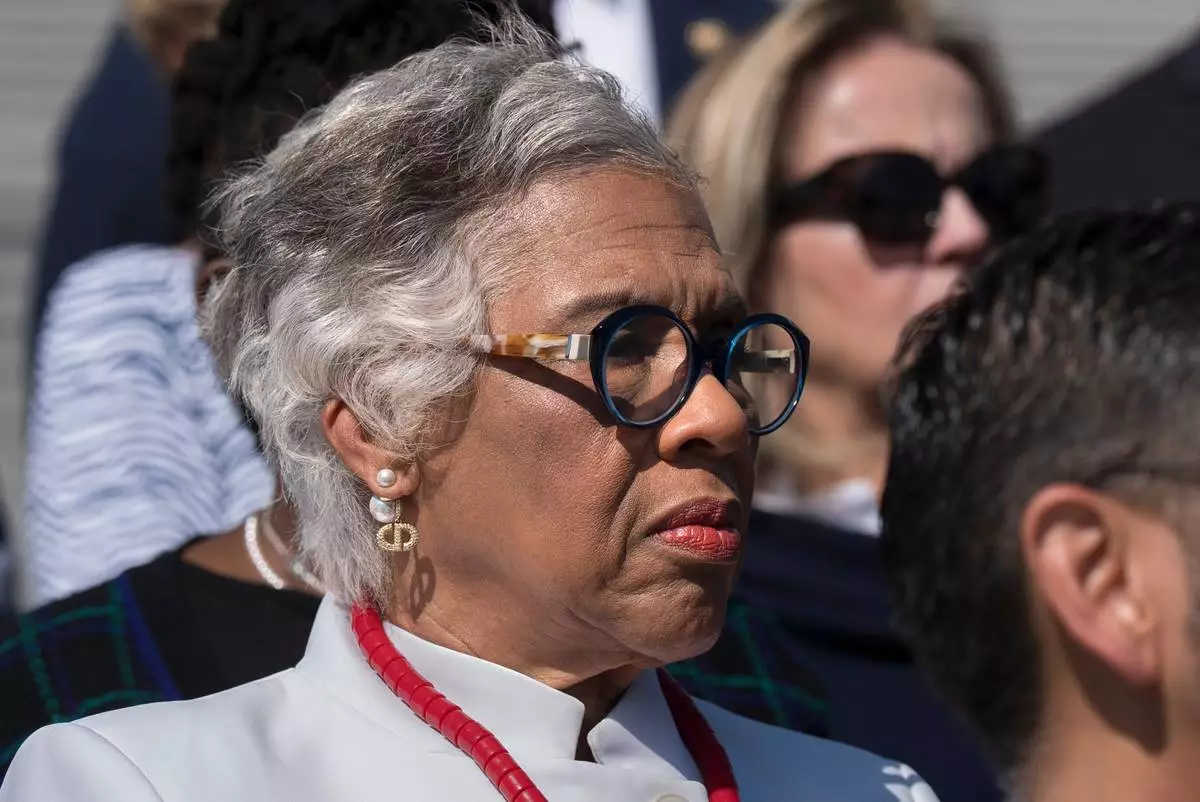
Rep. Joyce Beatty, D-Ohio, and board member of the Kennedy Center, attends an event with fellow Democrats to denounce the economic policies of President Donald Trump, at the Capitol in Washington, Wednesday, Sept. 16, 2026. (AP Photo/J. Scott Applewhite)
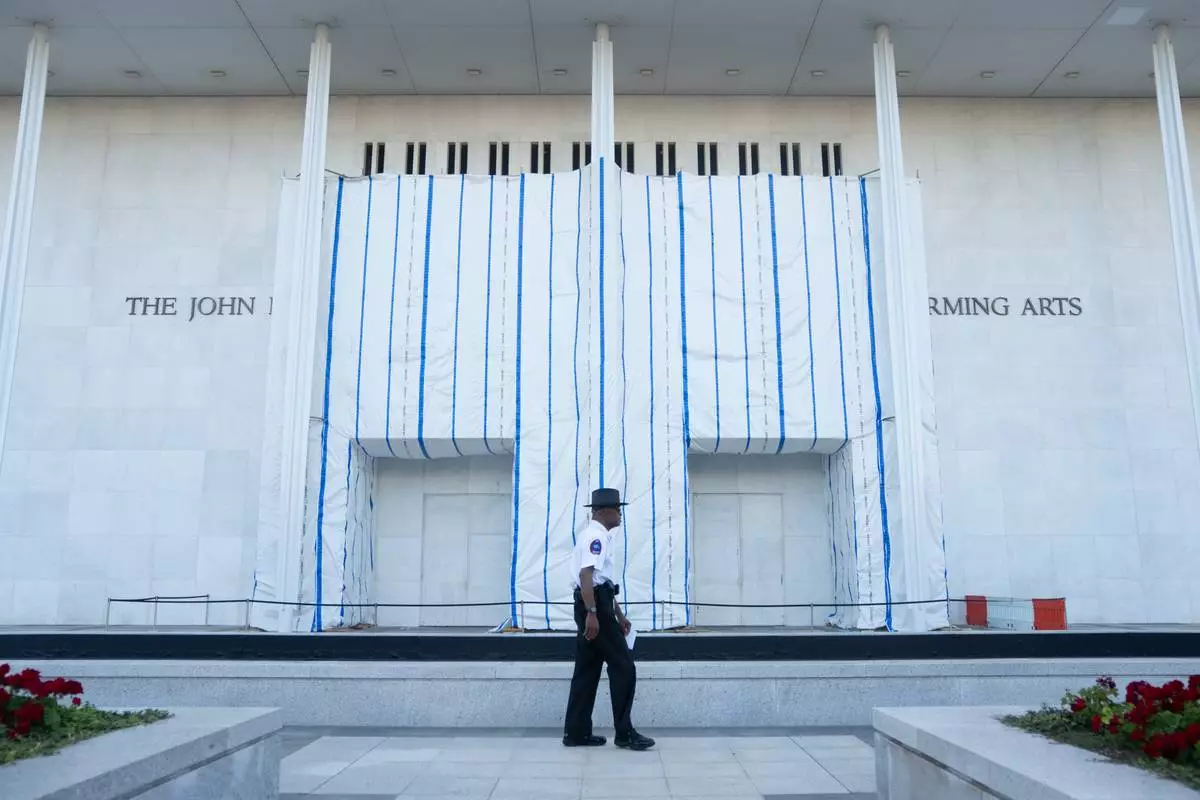
A tarp covers portions of the sign at the John F. Kennedy Center for the Performing Arts, Wednesday, Sept. 16, 2026, in Washington. (AP Photo/Allison Robbert)
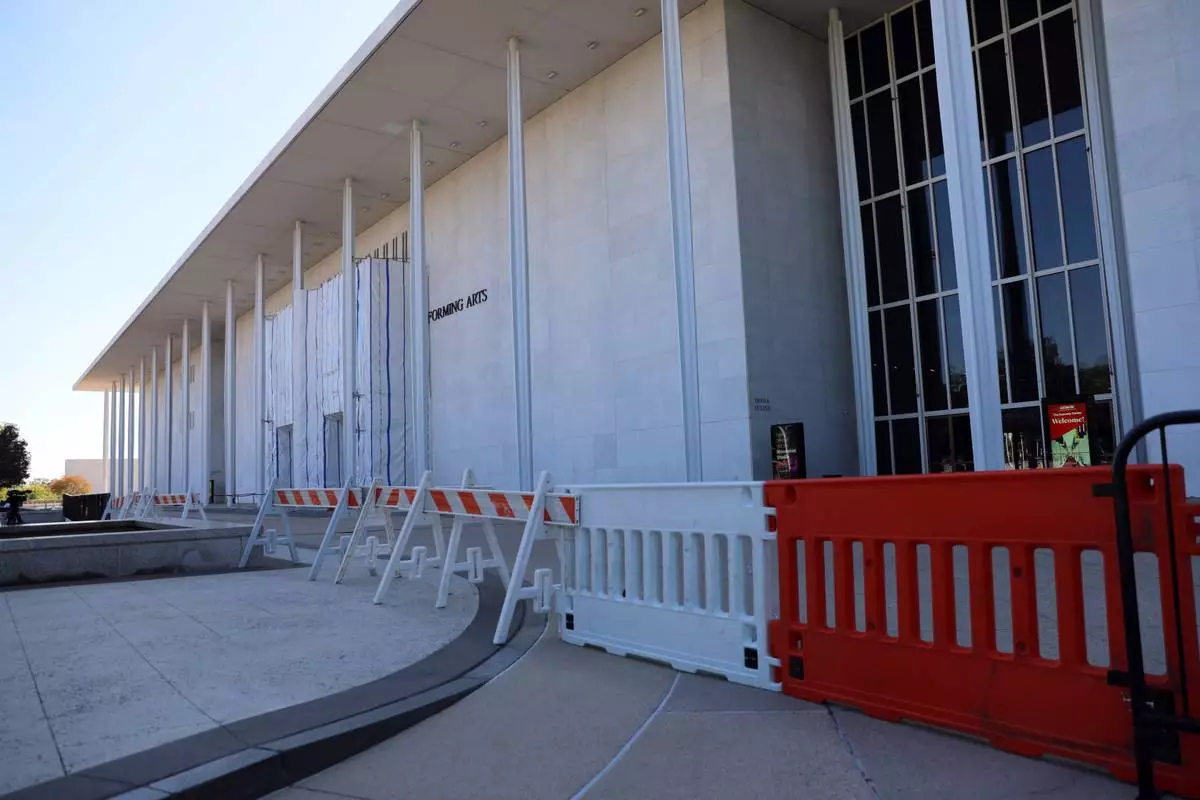
Barricades are installed in front of the John F. Kennedy Center for the Performing Arts, Wednesday, Sept. 16, 2026, in Washington. (AP Photo/Rahmat Gul)