An upgraded free trade agreement (FTA) between China and the Association of Southeast Asian Nations (ASEAN) will give small and medium-sized enterprises (SMEs) in Southeast Asia easier access to the Chinese market, according to a leading economist in Singapore.
China and ASEAN are working to accelerate the implementation of the FTA 3.0 Upgrade Protocol between the two sides. Signed in October 2025, the protocol covers areas such as the digital economy and green development.
The latest version of the agreement promises to lower barriers and provide SMEs with better tools and information.
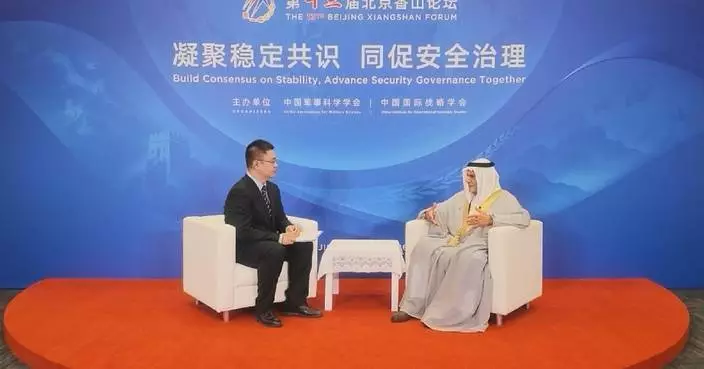
Jayant Menon, a visiting senior fellow at Singapore's ISEAS-Yusof Ishak Institute and a former lead economist at the Asian Development Bank, said this upgrade of CAFTA could be a game-changer for businesses in the region.
"I think what we've learned from the earlier version experience is that SMEs were still struggling to utilize the FTA. So the preference utilization rate was very low and so trade was quite unbalanced, with ASEAN firms finding difficulties in accessing the huge Chinese market. This upgrade actually improves access by reducing all kinds of costs. It's publicly available now. All the requirements, the information platform contains the full agreement, the relevant laws, the regulations and the practical business information that's required by SMEs to take advantage of this agreement," said Menon.
"For ASEAN countries, I think both these areas, digital trade and the green economy, are critical. Let me start with the green economy. You cannot really pursue the green economy without China. So China has got the leading edge on things like battery technology, electric vehicles. And these areas are obvious areas for supply chains to converge, and for environmental services and sustainable agriculture to also be promoted. So I think that's the green economy," he said.
"On the digital economy, again this relates back to reducing frictions that affect the SMEs especially. So here we've got a move towards paperless trade, single windows, electronic signatures, all of those aspects that will actually make it easier to increase two-way trade, but to rebalance trade so that local SMEs can access the market more efficiently. But the last point I want to make is that the critical challenge into practice, and this is where the challenge lies. It's fine to actually sign these agreements, but to make a difference, they have to actually matter on the ground. So laws might have to be changed, and this is the next stage of the implementation," said the expert.
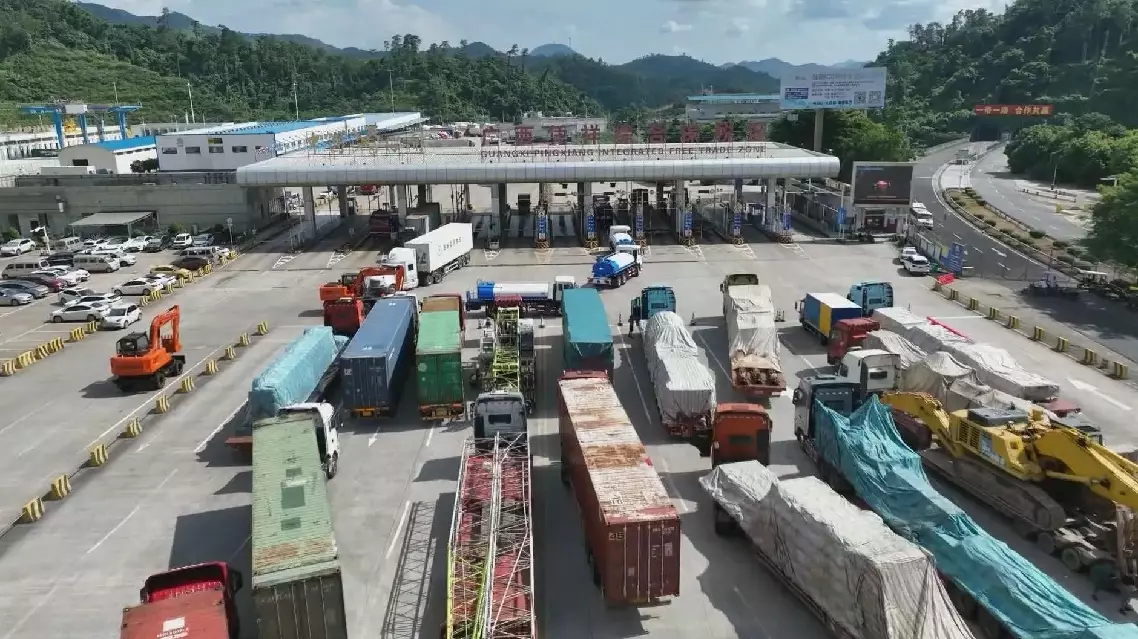
Bilateral trade between China and ASEAN topped 1 trillion U.S. dollars for the first time in 2025, totaling 1.05 trillion dollars, up 7.4 percent year on year. In the first seven months of 2026, trade between the two sides had already reached 744.41 billion dollars, an increase of 24.7 percent year on year, and accounting for 21.8 percent of China's total foreign trade.
China has remained ASEAN's largest trading partner for 17 consecutive years, while ASEAN has been China's largest trading partner for six successive years.
China-ASEAN free trade agreement upgrade to boost SME market access: expert