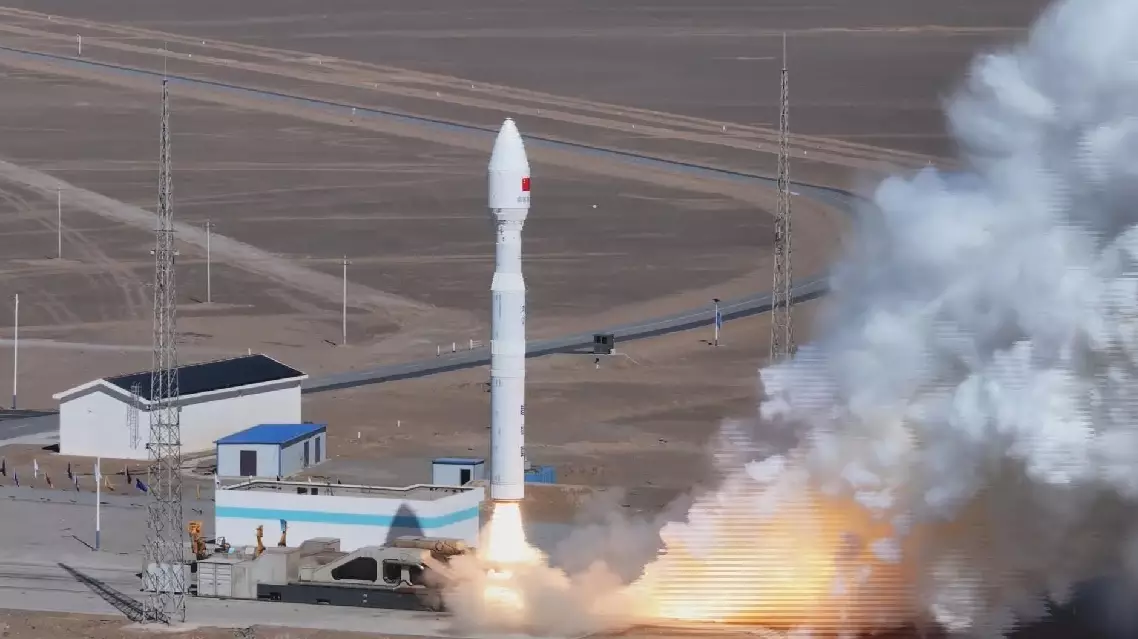
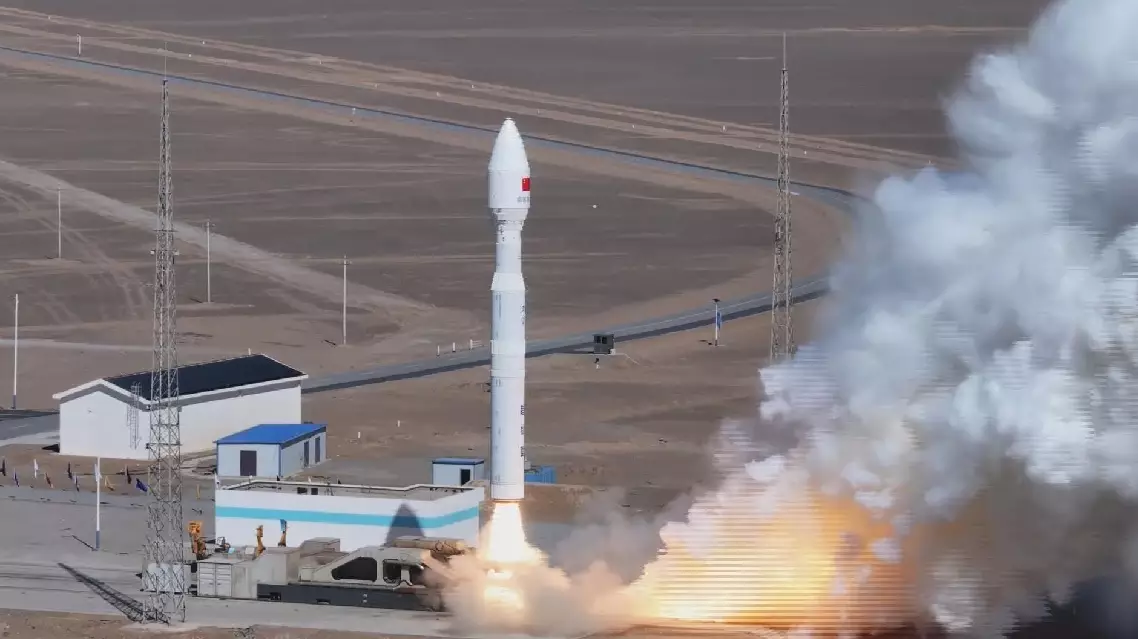
China successfully launched nine satellites into space from the Dongfeng commercial space innovation pilot zone in northwest China at 12:03 Sunday (Beijing Time).
The satellites were carried by a Lijian-1 Y18 carrier rocket and have entered their planned orbits.
Click to Gallery
China launches Lijian-1 rocket, sending 9 satellites into orbit
China launches Lijian-1 rocket, sending 9 satellites into orbit
China launches Lijian-1 rocket, sending 9 satellites into orbit
China launches Lijian-1 rocket, sending 9 satellites into orbit
China launches Lijian-1 rocket, sending 9 satellites into orbit
China launches Lijian-1 rocket, sending 9 satellites into orbit
The launch mission was a complete success, marks the 16th flight of the Lijian-1 carrier rocket.
The Lijian-1, developed by Chinese commercial space company CAS Space, is a solid-fuel carrier rocket featuring rapid-response capabilities.
China launches Lijian-1 rocket, sending 9 satellites into orbit
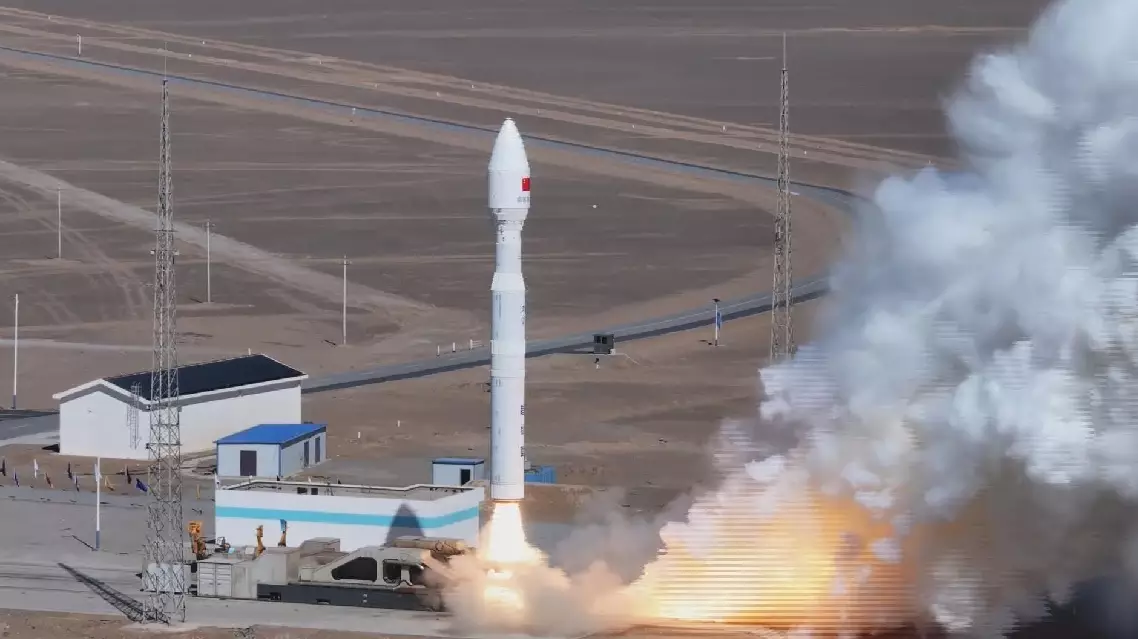
China launches Lijian-1 rocket, sending 9 satellites into orbit
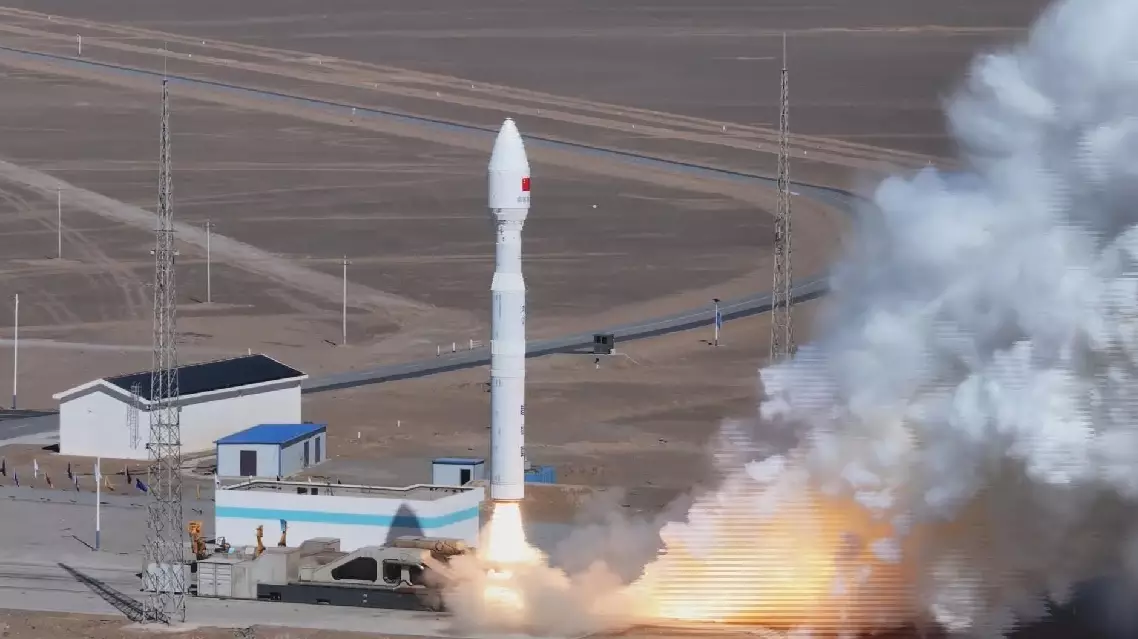
China launches Lijian-1 rocket, sending 9 satellites into orbit
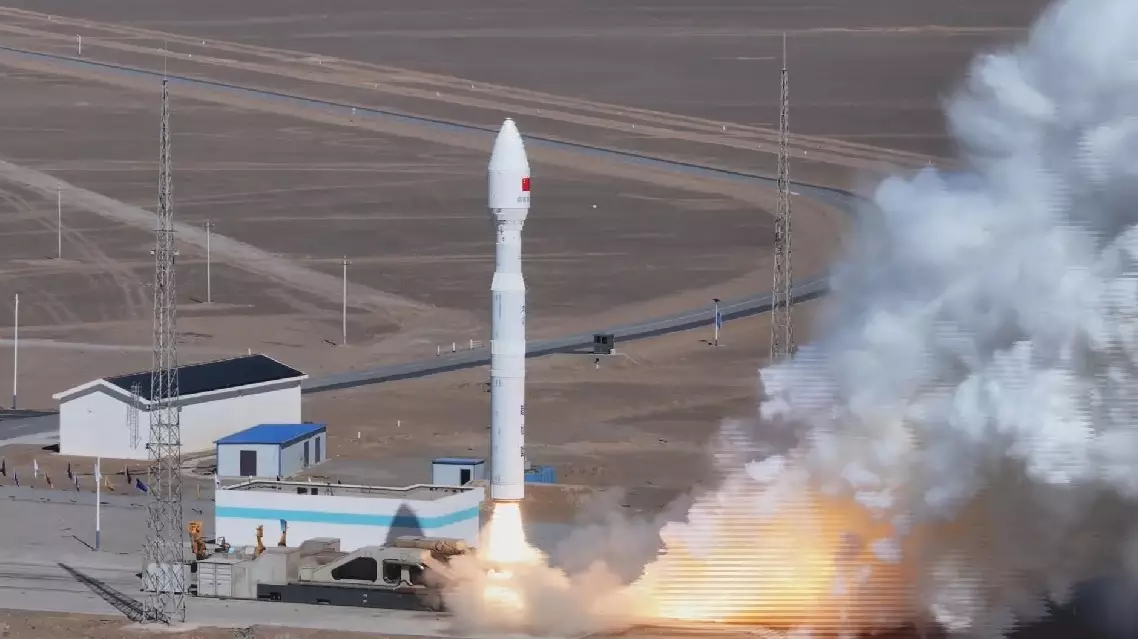
China launches Lijian-1 rocket, sending 9 satellites into orbit
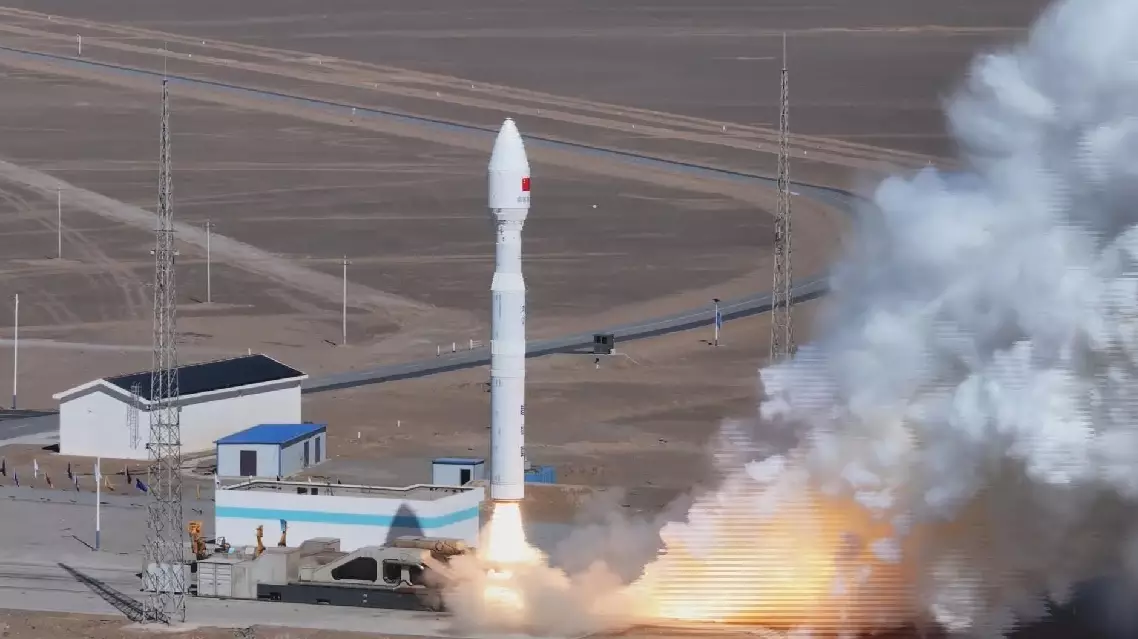
China launches Lijian-1 rocket, sending 9 satellites into orbit
China launches Lijian-1 rocket, sending 9 satellites into orbit
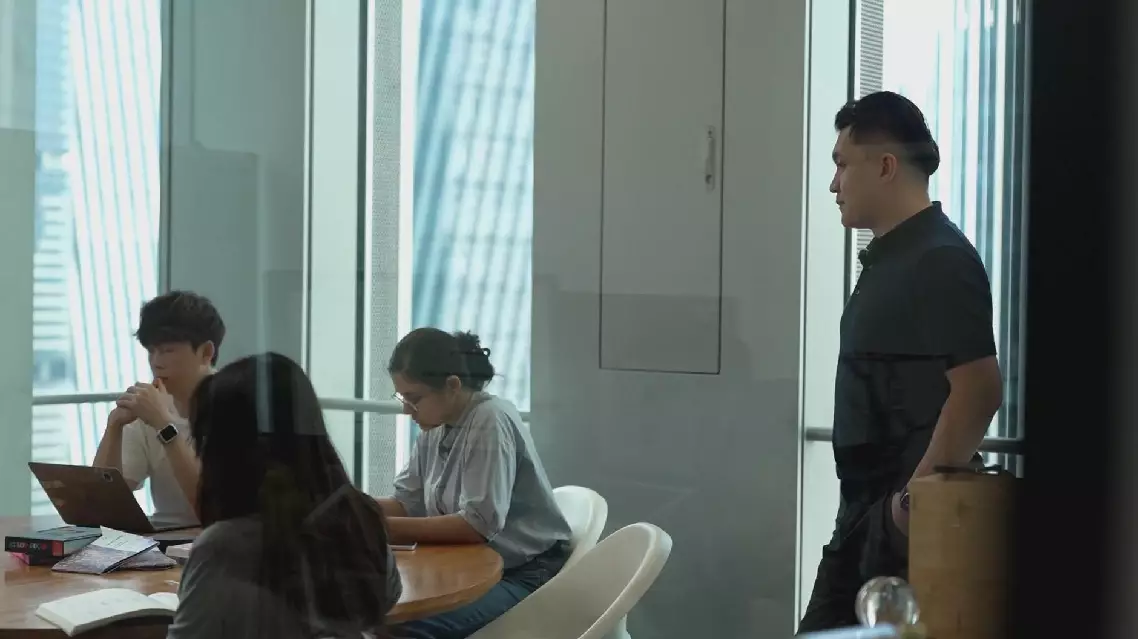
Australian entrepreneur Steven Bai, the co-founder of Sencity, said the well-developed manufacturing ecosystem in Shenzhen, a tech hub in south China, and in the broader Greater Bay Area, has helped his company turn their futuristic visions of AI products into reality.
Bai said Sencity's main product, an AI-powered rubbish bin that encourages people to discard of their litter properly, shows that the potential of AI technology is not limited to apps and screens, and can have an impact on people in their daily lives.
In order to realize that potential, Bai decided to set up shop in Shenzhen.
"Coming from a design background, but also as a person who fascinates about the potential of technology. So when I was in America, we were building a product called the TetraBIN. It was one of the world's first interactive AI trash receptacle during that time. We were trying to bring it into mass production. As a startup company, we had very limited resources. I talked to my partners and talked to my team members. I said, hey, maybe we can go to China," Bai said in an interview with China Global Television Network.
Bai says the scale and speed of high-end manufacturing in Shenzhen and the Greater Bay Area is like ''magic''.
"Everything you want to build in the world, you can somehow build it in Shenzhen with a very fast turn-around pace but also minimal optimized cost. So, you can go to Huaqiang North to design your first AI companion devices this afternoon and to have your first small batch units next week and by next month you might be able to ship that to the rest of the world. I think that is the magic of the Greater Bay Area," said Bai.
Bai said that by offering dynamic manufacturing and development hubs like Shenzhen, China is attracting more entrepreneurs from around the world who want to bring their ideas to life.
"Living in Australia taught me how to think and taught me how to see the world from a very creative point of view. But we also need to build the vision. And China was the place that allowed us to bring that initial vision into reality. And the Greater Bay Area was the place where we can get access to the entire ecosystem," said Bai.
Australian entrepreneur says Shenzhen’s manufacturing ecosystem helps develop AI products