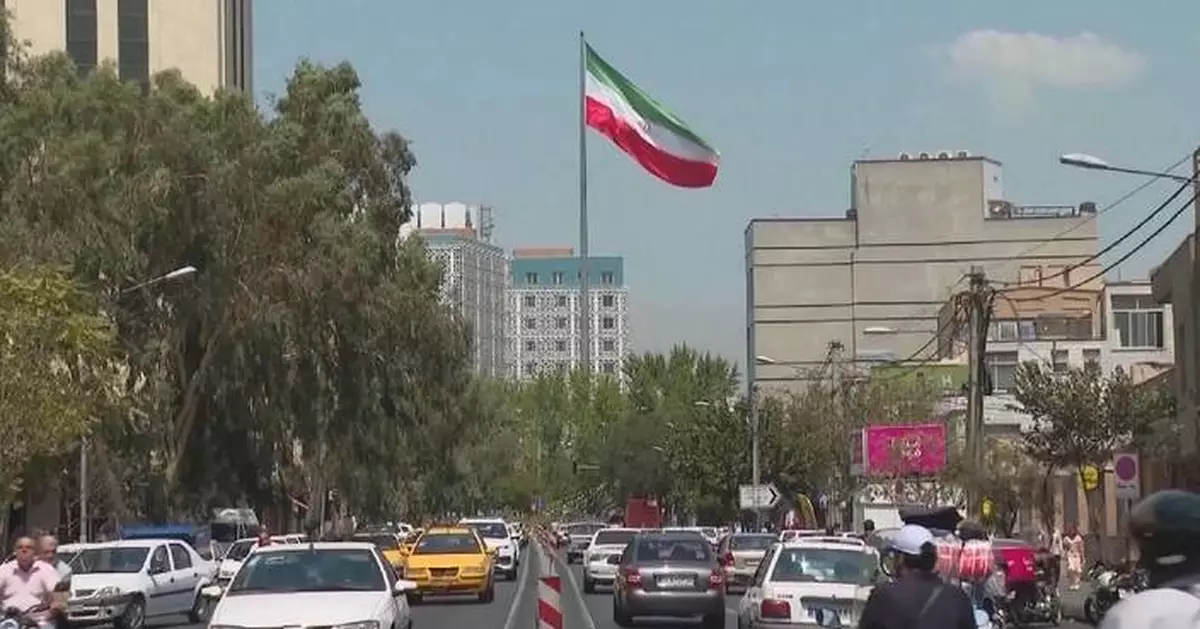
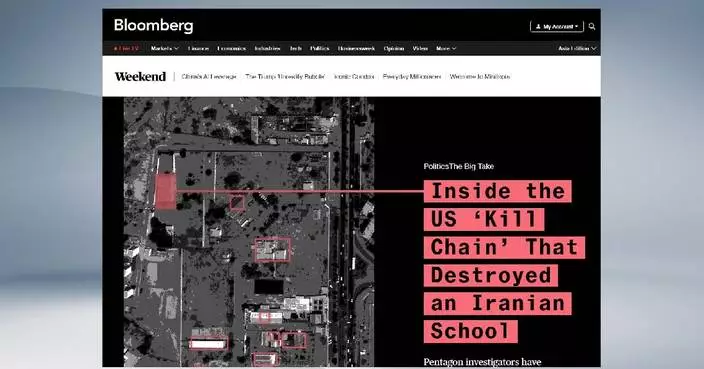
Iran has issued a stern warning to the United States and its regional allies, vowing "painful" retaliation against any renewed hostilities, as its military command cited intelligence reports suggesting U.S. plans for further aggressive actions.
In a statement released on Sunday, the Khatam al-Anbiya Central Headquarters said intelligence indicates that the United States, in an attempt to cover up its failures and reap benefits from the ongoing conflict, has decided to take hostile action against Iran again.
The decision reportedly came after a joint meeting in a European country and with the tacit approval of certain Middle Eastern nations.
The command warned that any mistake by the U.S. side against Iran would result in its bases and interests throughout the region being subjected to sustained, effective, and painful strikes without reservation.
The statement further cautioned countries in the region against pursuing "two-faced policies" or cooperating with enemies, labeling such nations as "accomplices." In that case, they will no longer be able to count on the restraint or tolerance of the Iranian armed forces, the statement added.
The military warning came amid a surge in security operations across Iran.
On Sunday, Iran's Ministry of Intelligence announced it had dismantled three terrorist cells linked to the United States and Israel in the provinces of Alborz, Kerman, and West Azerbaijan. Multiple terrorists were arrested or killed during the operations, the ministry said.
In a separate development highlighting the tense intelligence standoff, an Iranian man accused of providing the Israeli intelligence agency with information about Iranian military bases was executed, according to Iran's official reports on Saturday.
This followed the execution of two other men in August, who were charged with supplying Israeli intelligence officers with coordinates, images, and information regarding Iran's military and security installations.
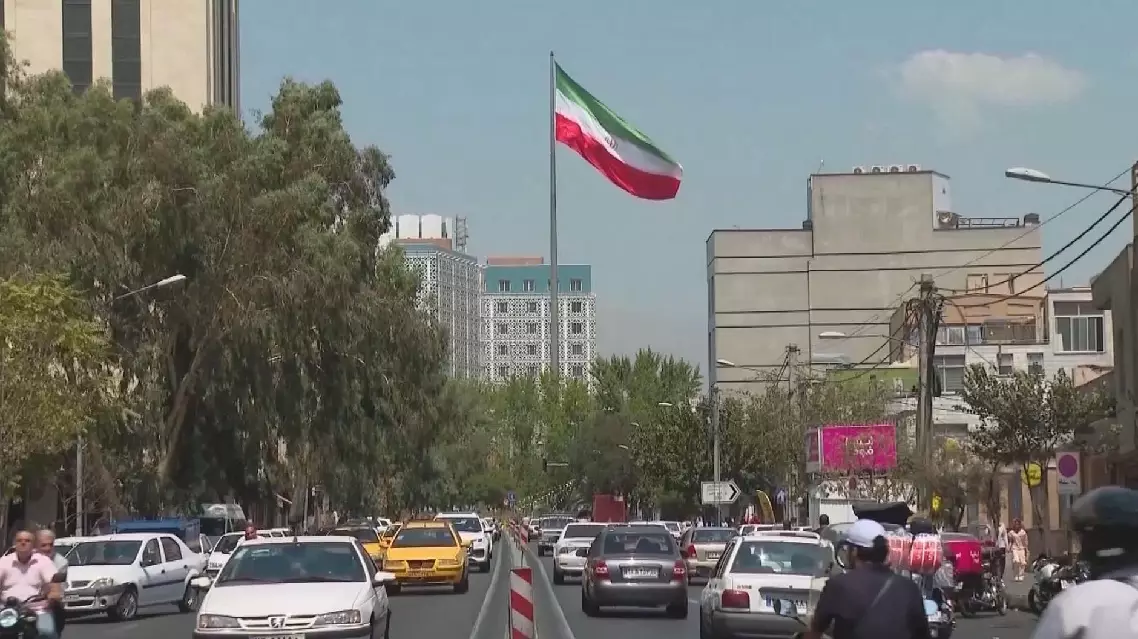
Iran threatens US bases, warns regional countries against 'two-faced' policies
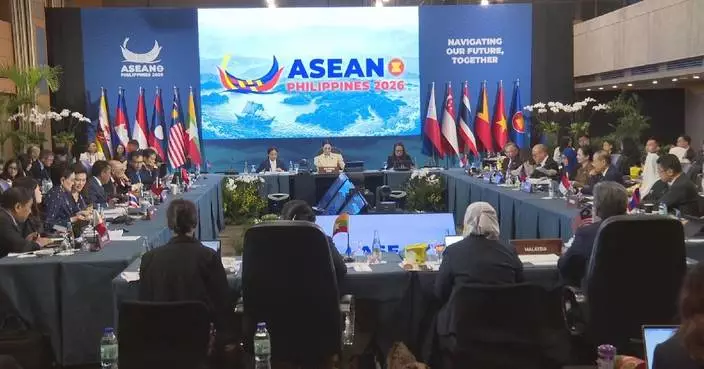
The ongoing China-ASEAN Expo serves as a bridge for China and the Association of Southeast Asian Nations (ASEAN) to boost trade flows, helping both sides reap shared development dividends.
Scheduled to run from Sept 17 to 21 in Nanning City of south China's Guangxi Zhuang Autonomous Region, the event draws more than 3,400 exhibitors from over 70 countries and regions.
This year, Timor-Leste is participating for the first time as a full ASEAN member and a co-host of the expo, with participants noting results have exceeded expectations, bolstered by China's vast market.
"I brought 60 packages of 250-gram coffee, which would be sold out in one day. Now I'm thinking that China market is open for everybody and it's very huge," said an exhibitor from Timor-Leste.
Participants also hailed the construction of China's Pinglu Canal, which officially opened to traffic on Wednesday.
The 134.2-km-long canal runs from Hengzhou, a county-level city in Guangxi, to the Beibu Gulf, the closest maritime outlet for much of southwest China.
The canal becomes a cost-competitive river-sea intermodal shortcut connecting ASEAN producers with the vast consumer market in southwest China, said the participants.
"In the past, shipments into the southwest China usually went by sea to Guangzhou and then overlands. Too many handover made it hard to keep products fresh. Losses were high and transit time was unreliable. Now that the canal is open, we can enter [the] Guangxi [Zhuang Autonomous Region] directly from the Beibu Gulf and move on to Yunnan, Guizhou and Sichuan restaurants, faster onto the supermarket shelves and tables in the southeast [part of China]," said an exhibitor from Vietnam.
With the formal signing of the China-ASEAN Free Trade Area (FTA) 3.0 Upgrade Protocol in Oct 2025, bilateral cooperation has expanded beyond economic and trade areas to emerging fields such as the digital economy and the green economy.
"I am looking for an investor to develop agriculture and integrated tourism with us in Malaysia," said an exhibitor from Malaysia.
Economic ties between China and ASEAN have continued to deepen. Bilateral trade topped 1 trillion U.S. dollars for the first time in 2025, totaling 1.05 trillion dollars, up 7.4 percent year on year. In the first seven months of 2026, trade between the two sides reached 744.41 billion dollars, an increase of 24.7 percent year on year and accounting for 21.8 percent of China's total foreign trade.
China has remained ASEAN's largest trading partner for 17 consecutive years, while ASEAN has been China's largest trading partner for six successive years.
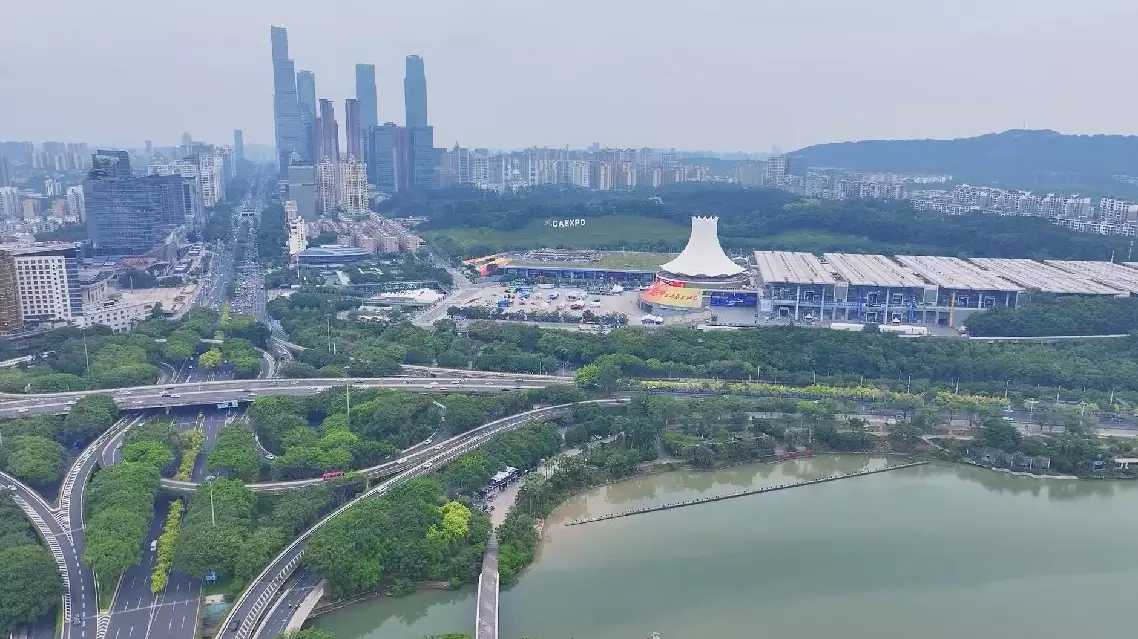
China-ASEAN Expo boosts bilateral cooperation, delivers shared dividends