KYIV, Ukraine (AP) — Russian drones blasted Ukraine’s southern city of Zaporizhzhia, a day after Kyiv’s forces fired more than 1,000 drones at Russia, officials said Monday.
The war's relentless daily attacks underscore the absence of any significant progress in diplomatic efforts to stop the fighting, more than four years after Russia invaded its neighbor.
There is no sign the war is abating as world leaders gather this week at the U.N. General Assembly. Ukrainian President Volodymyr Zelenskyy said he expects to meet with U.S. President Donald Trump at the annual event in New York. Russian President Vladimir Putin isn’t due to attend.
European leaders, fearing Moscow has malicious intentions on their continent, are keen to put further pressure on Putin to withdraw from Ukraine, but the Russian leader has given no indication he is ready to give up his goals.
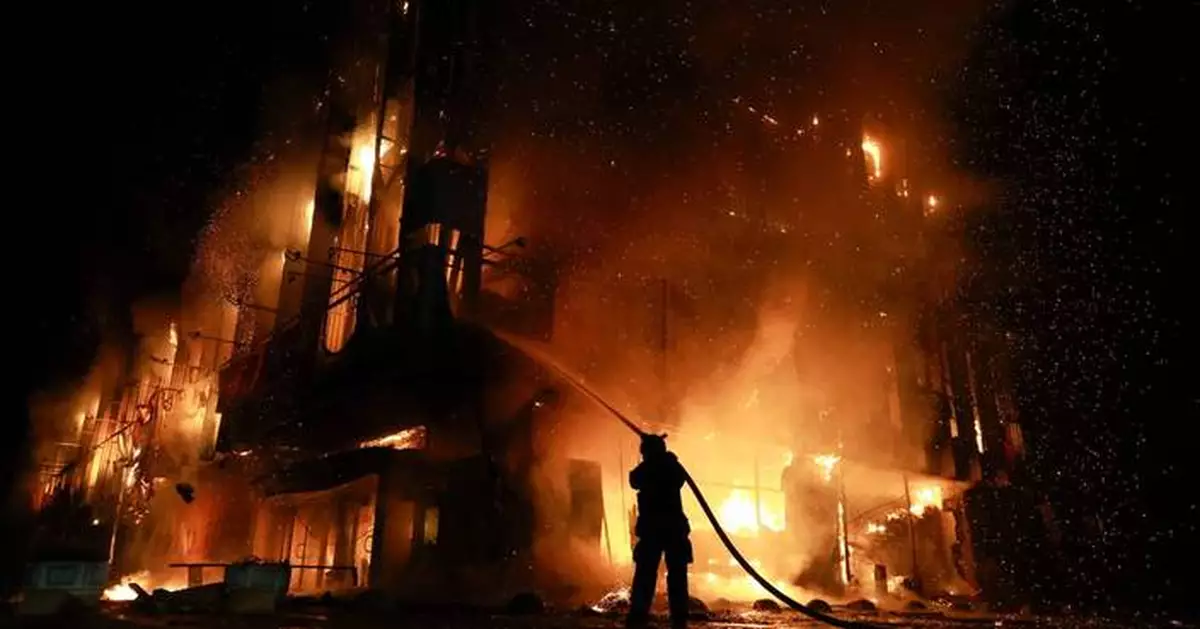
The Russian bombardment of Zaporizhzhia late Sunday hit apartment blocks, a university and a shopping mall, among other sites, and wounded five people, Zelenskyy said on social media Monday.
Russia also struck nine other regions of Ukraine, he said.
“Russia is not backing down from its escalation and is sending many signals that it is ready to expand the war,” Zelenskyy said. “At the U.N. General Assembly, we will discuss how we can achieve peace through joint efforts.”
The Russian military overnight targeted Ukrainian logistics hubs, warehouses and ports, among other military-related sites, the Russian Defense Ministry said in a statement Monday.
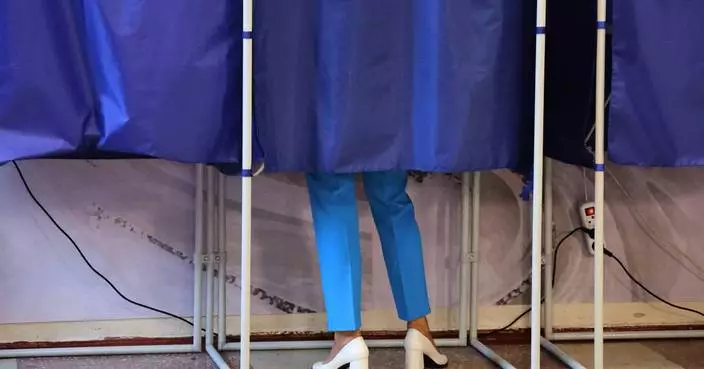
The attacks came after Ukraine launched a huge swarm of drones at Russia from Saturday to Sunday, including hundreds aimed at Moscow, as voters turned out for the third and last day of a carefully orchestrated parliamentary election.
The Russian Defense Ministry said Monday that its air defenses overnight downed 244 Ukrainian drones over Russian regions and the waters of the Black Sea.
Meanwhile, Ukraine’s air force said Monday it shot down or suppressed 148 Russian drones in an overnight attack.
During the aerial barrages, drones have repeatedly strayed into neighboring countries, unnerving leaders who are wary of Russia and fear being dragged into conflict.
Moldova’s Ministry of Defense said Monday that part of the country's airspace in the north was temporarily closed overnight after surveillance systems detected an “aerial object” entering its national airspace shortly after midnight.
In recent weeks, Moldova’s airspace has been violated multiple times, and drone debris has been found on its territory. With electronic jamming knocking drones off course, it was not clear whether the drones were Russian or Ukrainian, though officials have often singled out Moscow for blame.
Moldova’s pro-Western President Maia Sandu has repeatedly condemned Russia for its war on Ukraine, and earlier this month said Moscow’s “brutal war is reaching our border” following Russian strikes along Moldova’s frontier with Ukraine.
Drone incursions into Romania’s airspace have also increased significantly.
AP reporter Stephen McGrath contributed to this story from Leamington Spa, England.
Follow the AP’s coverage of the war in Ukraine at https://apnews.com/hub/russia-ukraine
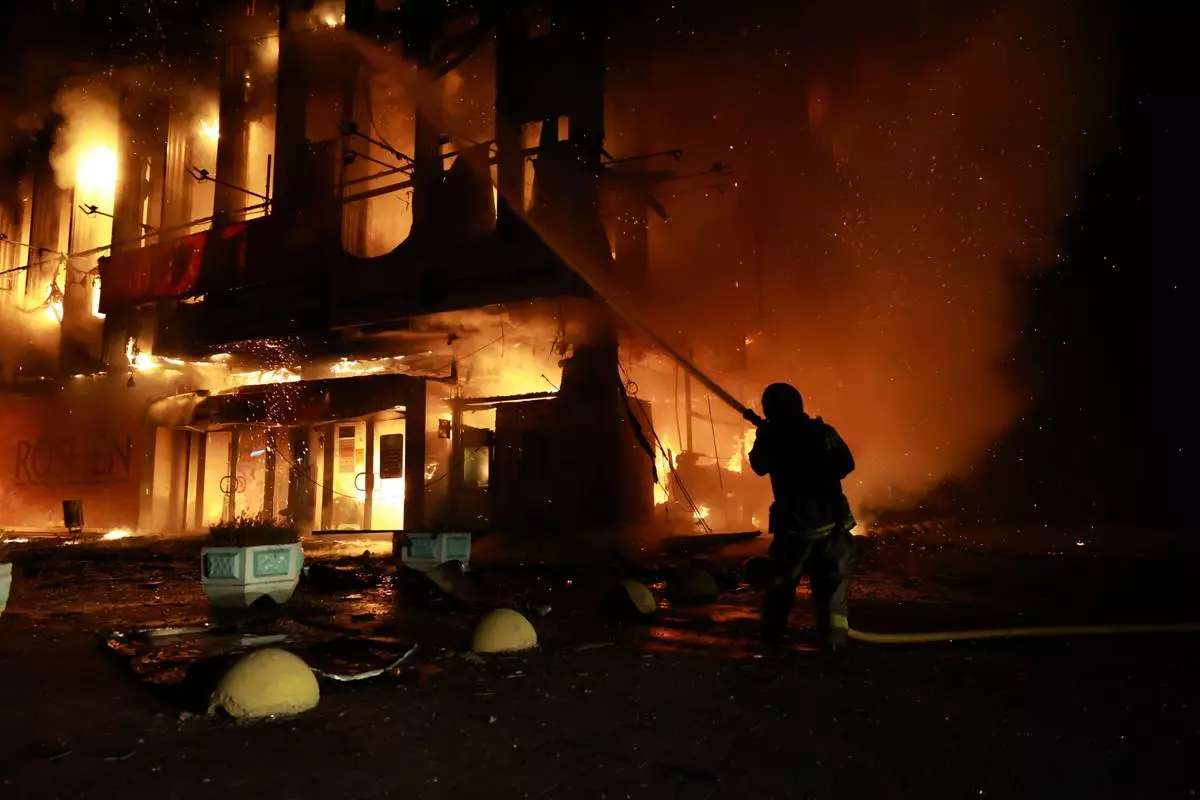
A rescue worker puts out a fire at the Intrade trade center after a Russian drone strike on Zaporizhzhia, Ukraine, Monday, Sept. 21, 2026. (AP Photo/Kateryna Klochko) Correction: Byline corrected to Kateryna Klochko, instead of Evgeniy Maloletka
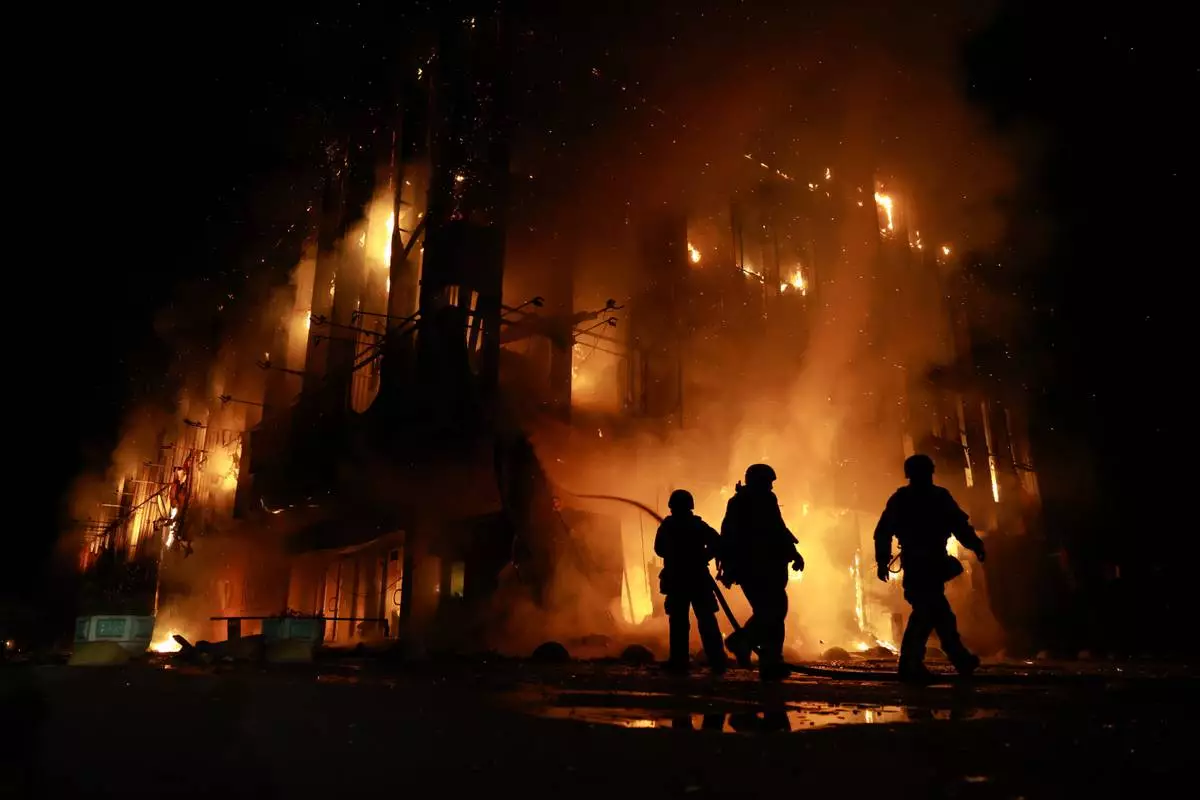
Rescue workers put out a fire at the Intrade trade center after a Russian drone strike on Zaporizhzhia, Ukraine, Monday, Sept. 21, 2026. (AP Photo/Kateryna Klochko) Correction: Byline corrected to Kateryna Klochko, instead of Evgeniy Maloletka
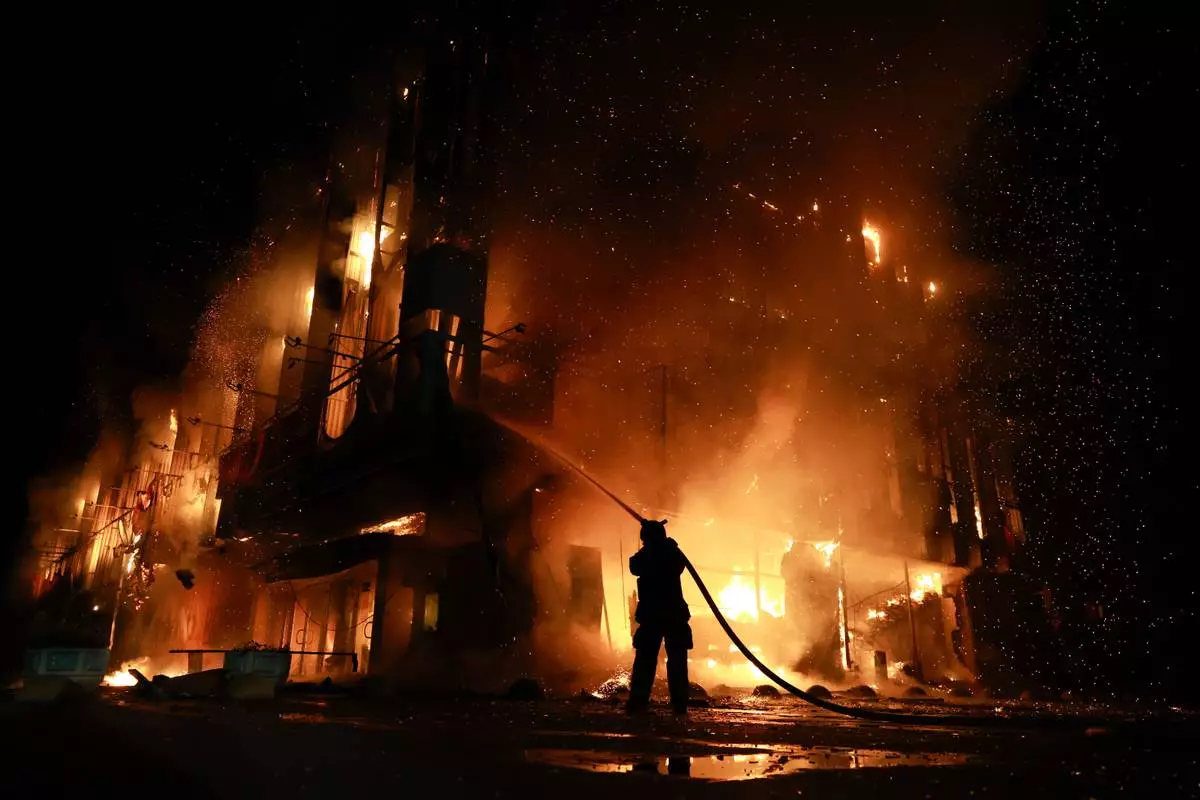
A rescue worker puts out a fire at the Intrade trade center after a Russian drone strike on Zaporizhzhia, Ukraine, Monday, Sept. 21, 2026. (AP Photo/Kateryna Klochko) Correction: Byline corrected to Kateryna Klochko, instead of Evgeniy Maloletka
BERLIN (AP) — German Chancellor Friedrich Merz faced a struggle to stabilize his position and keep his agenda on track Monday after voters inflicted two more defeats on his party, ejecting it from a state legislature for the first time in its eight-decade history.
The unpopular Merz vowed to stay on and push through reforms to Germany, Europe's biggest economy, minutes after polls closed Sunday in regional elections in Berlin and in Mecklenburg-Western Pomerania, a largely rural eastern region on the Baltic Sea coast.
Still, final results underlined the extent of what Merz conceded was a “disaster” in Mecklenburg-Western Pomerania. His center-right Christian Democratic Union fell just below the 5% of the vote needed to keep seats in the regional parliament, the first time that has happened in 77 years of modern Germany's federal republic, after losing more than half its support.
The CDU also dropped to second place in Berlin behind the hard-left Left Party, which is in pole position to lead the next city government — though Merz's party could, depending on how coalition talks go, still retain city hall.
Neither state is one of Germany's political heavyweights. The CDU's 2023 win in Berlin was its only one in the past 25 years in the capital, which has tended to lean left, and the party was already weak in Mecklenburg-Western Pomerania.
But the manner of its defeat in the latter in particular adds to the headwinds Merz faces after a stinging defeat by the far-right Alternative for Germany two weeks ago in Saxony-Anhalt, another region in the formerly communist east, damaged his authority and set off speculation that he might be replaced.
Alternative for Germany, or AfD, emerged as the strongest party in Mecklenburg-Western Pomerania, but the center-left Social Democrats — the junior party in Merz's national governing coalition — were fairly close behind after a campaign focused squarely on the state governor, Manuela Schwesig, as a bulwark against the far-right party. That polarization helped squeeze other mainstream parties, including the CDU.
A left-leaning three-party coalition under Schwesig would have a majority in the new regional legislature.
Schwesig and others in the governing parties have cast doubt on aspects of the federal government's reform agenda, which is meant to bolster a chronically sluggish economy. The reform plans include a potentially painful overhaul of the creaking pension system, a reduction of Germany’s stifling bureaucracy and cuts to income tax for low- and middle-income families.
The head of the Social Democrats' group in the national parliament, Matthias Miersch, said it was clear that “we need reforms.” But he told ARD television that “we must also take people's concerns seriously.”
Merz faces more meetings Monday with his party's leadership. Much will depend on the CDU's influential regional leaders; the party's eight state governors last week backed the chancellor, though questions remained about how wholehearted their support was.
There are at least no more electoral tests this year. However, five state elections are scheduled next year, three of them in April.
They include one in North Rhine-Westphalia, Germany's most populous state, currently led by a prominent CDU figure often cited as a possible successor to Merz, Hendrik Wüst. None of the five elections is in the east, where AfD is strongest.
“I don't see that swapping out a leadership figure would really bring a change,” Education Minister Karin Prien, who is also a deputy CDU leader, told Phoenix television, adding that she doesn't see “another personnel offer” coming.
“So we must now discuss with one another — together with the chancellor as a government, and on the other hand as a party — how we win more acceptance and more credibility among the population,” Prien said.
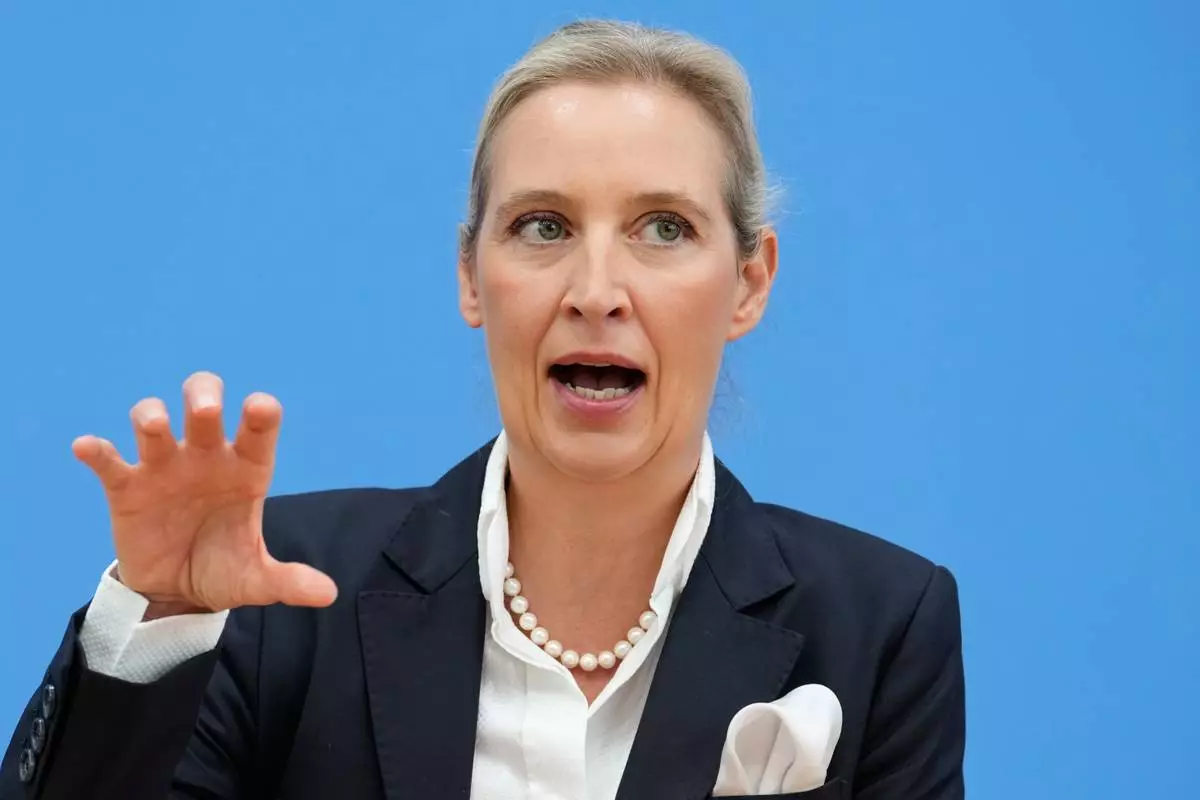
AfD party leader Alice Weidel talks to the media during a press conference of the "Alternative for Germany" (AfD) in Berlin, Germany, after yesterday's two state elections in Berlin and Mecklenburg-Western Pomerania, Monday, Sept. 21, 2026. (AP Photo/Ebrahim Noroozi)
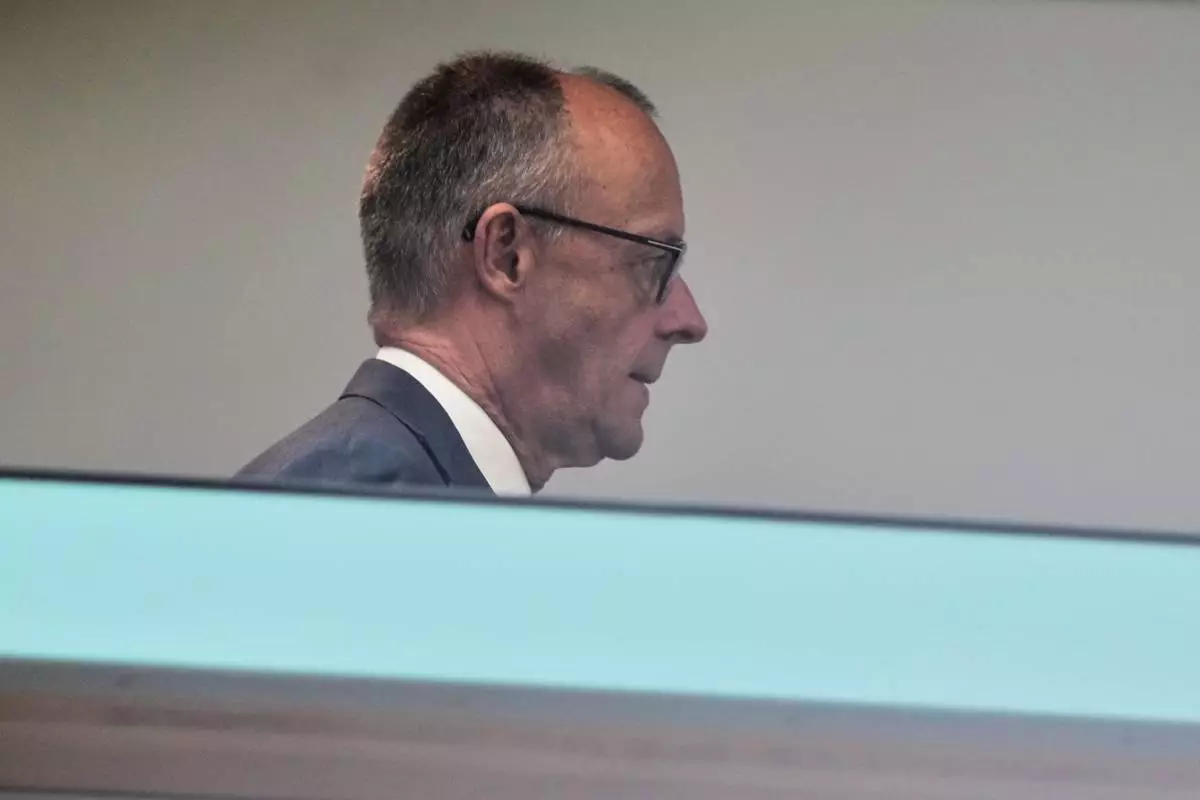
German chancellor Friedrich Merz is seen ahead of a press conference at the Christian Democratic Union (CDU) headquarters in Berlin, Germany, after yesterday's two state elections in Berlin and Mecklenburg-Western Pomerania, Monday, Sept. 21, 2026. (AP Photo/Markus Schreiber)
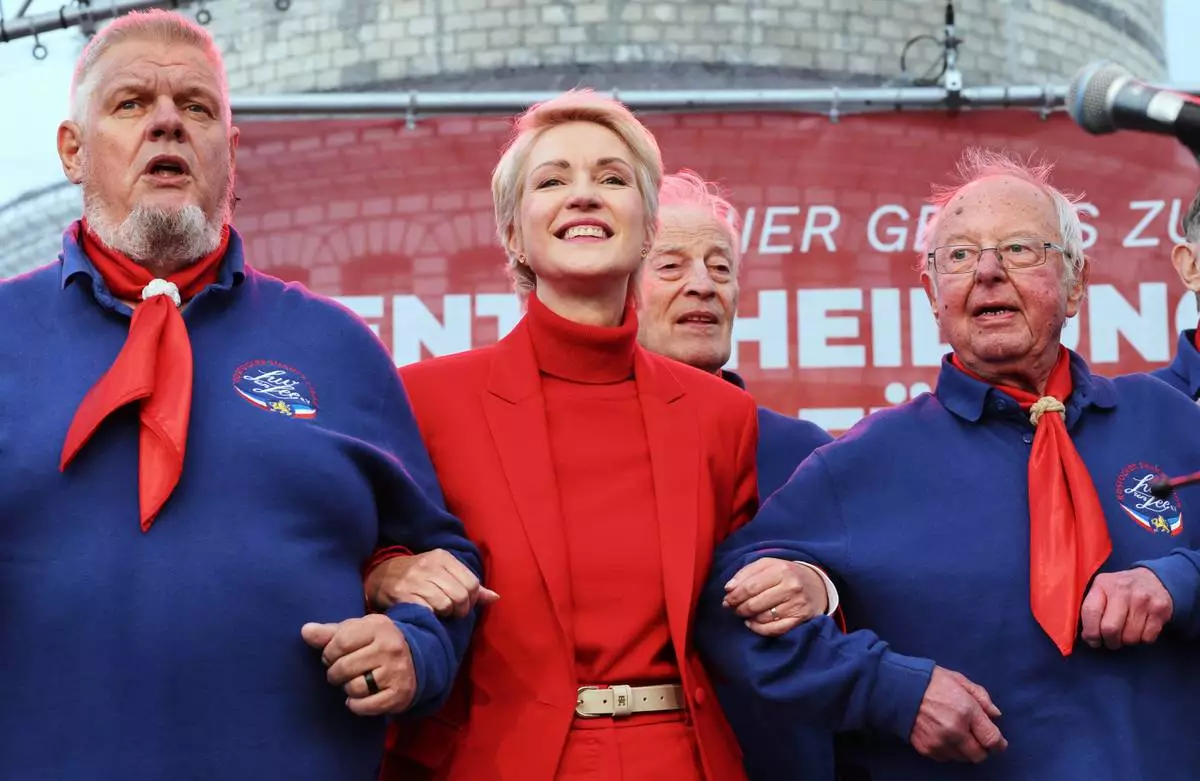
Manuela Schwesig (SPD), center, minister-president of Mecklenburg-Western Pomerania, stands on stage alongside members of the Rostock shanty choir Luv un Lee at a campaign event in Warnemünde, Germany, on Friday, Sept. 18, 2026. (Bernd Wüstneck/dpa/via AP)
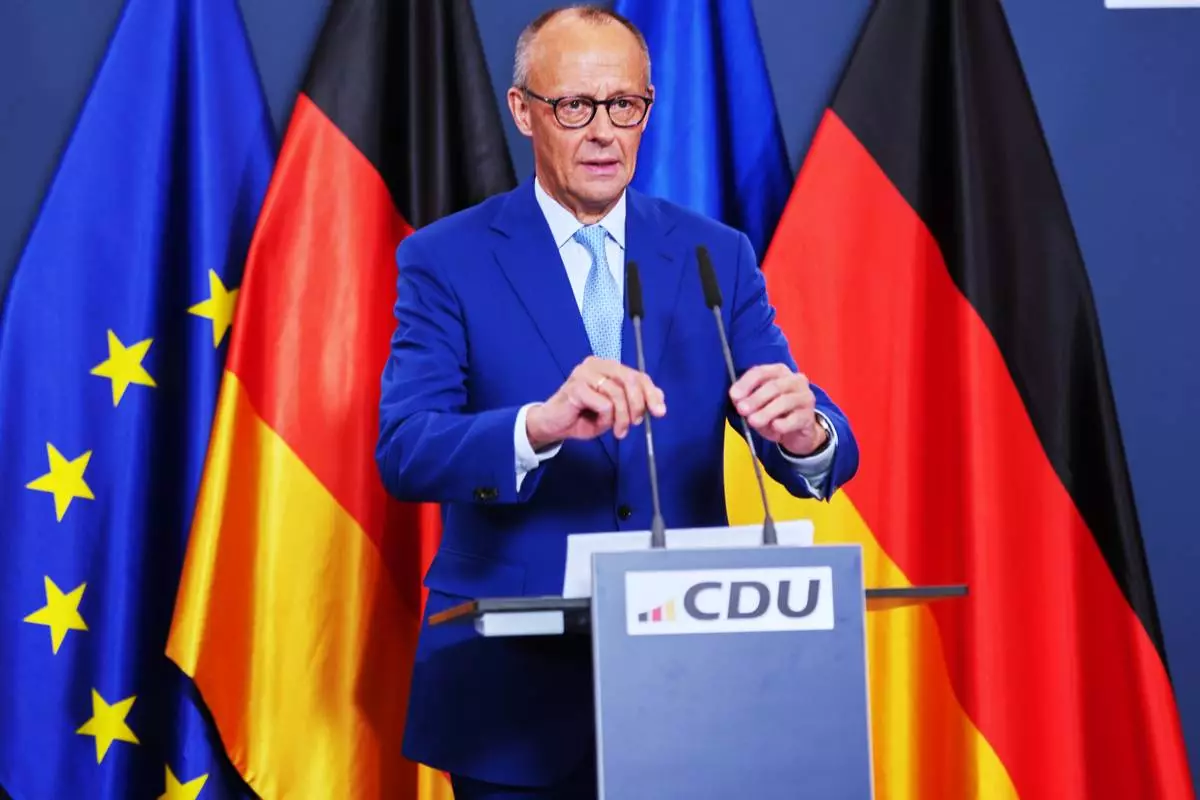
German Chancellor Friedrich Merz speaks to media at the Christian Democratic Union party headquarters in Berlin, Germany, Sunday, Sept. 20, 2026. (AP Photo/Markus Schreiber)