China and the United States should handle the challenges and risks in the artificial intelligence (AI) field proactively and responsibly, and share AI governance beyond the distillation dispute, experts said.
China-U.S. competition and cooperation in AI remain under global attention, with 'distillation' -- a common technique in which one model is trained from the outputs of another -- a recent focus.
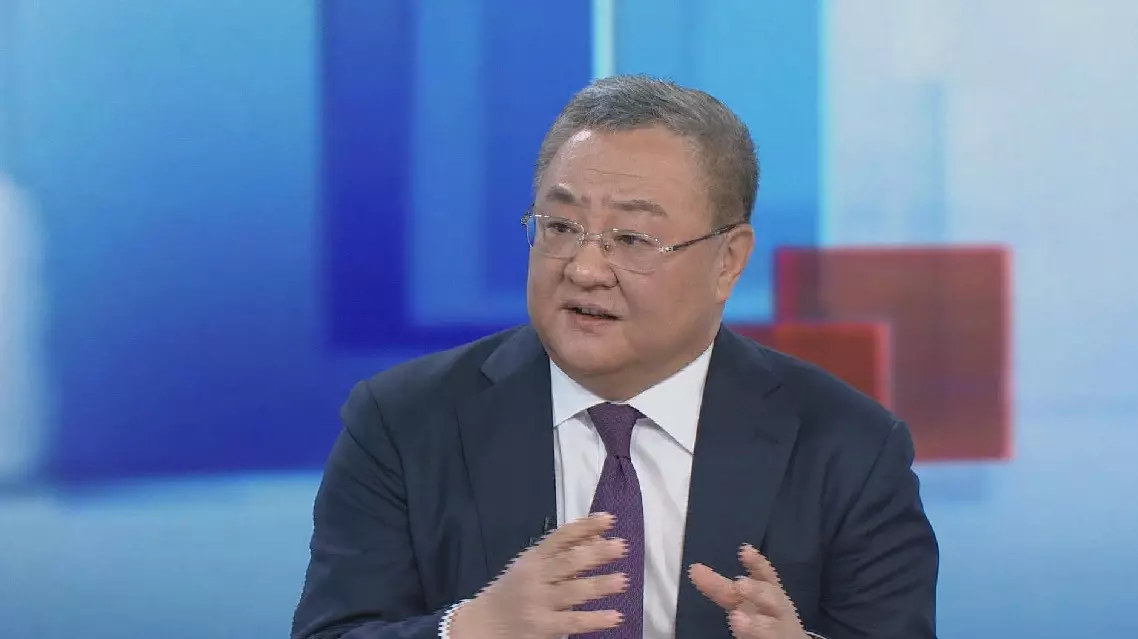
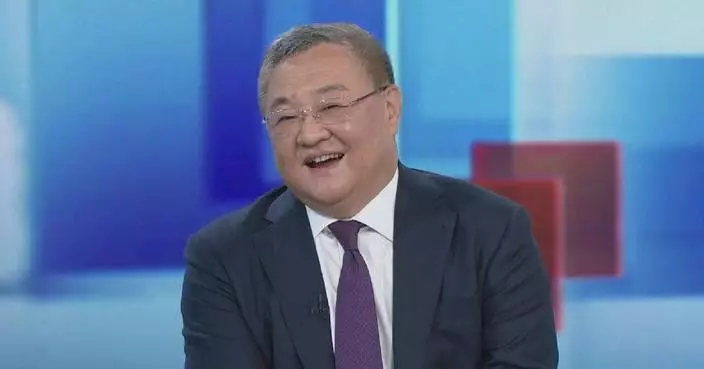
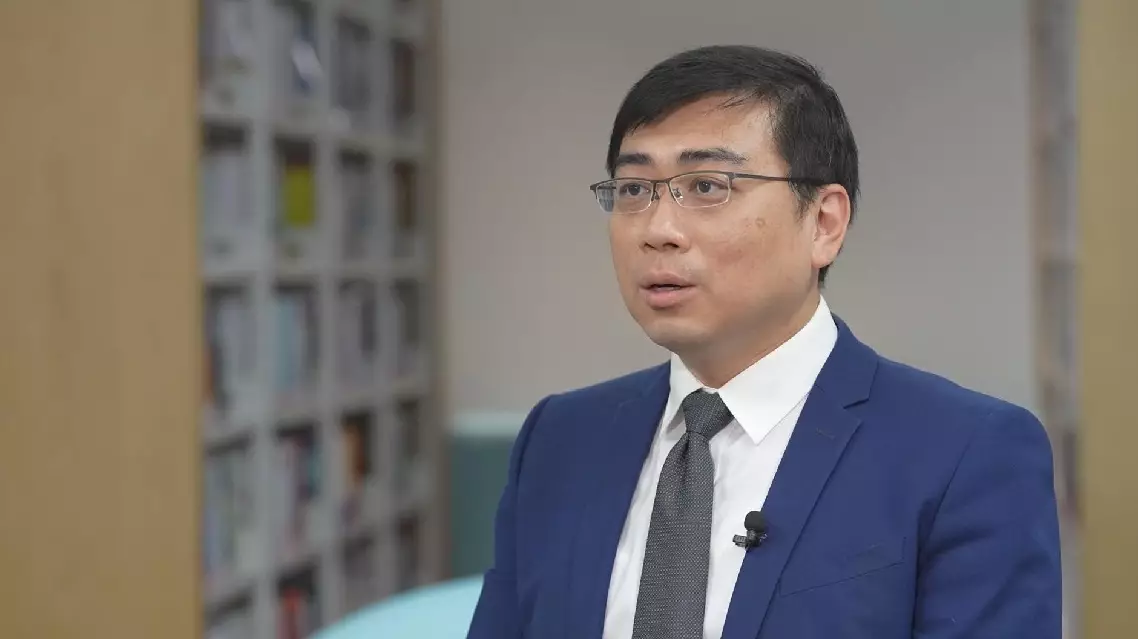
For months, China and the U.S. have seen model distillation differently. Gai Keke, vice president of the Zhongguancun Academy, has been an AI security researcher for years. He notes that model distillation is mainly a tool for efficiency rather than original breakthroughs.
"Distillation is a relatively universal artificial intelligence technique. AI companies worldwide, whether Chinese or American, widely use this technique to optimize models and improve efficiency. From this point of view, everybody is equal in front of technological tools. What's more important is that the essence of distillation is catching up, not surpassing," said Gai.
Even OpenAI executive Dean Ball said distillation is not the main driver of recent Chinese AI advances. Insiders point instead to foundational research and engineering breakthroughs in model architecture and training methods.
"What the U.S. seeks to preserve is not merely America's advantage, but America's hegemony. Their logic is this: AI must be monopolized by the United States alone," said Shen Yi, a professor of International Politics at Fudan University.
But can AI technology really be monopolized? Industry observers believe AI has now reached a stage where no single country can complete all innovation behind closed doors.
"As two major AI powers, China and U.S. should make 'sharing risks, jointly building rules, and jointly governing' their top priority," said Gai.
China, U.S. should handle AI challenges in responsible manner: expert