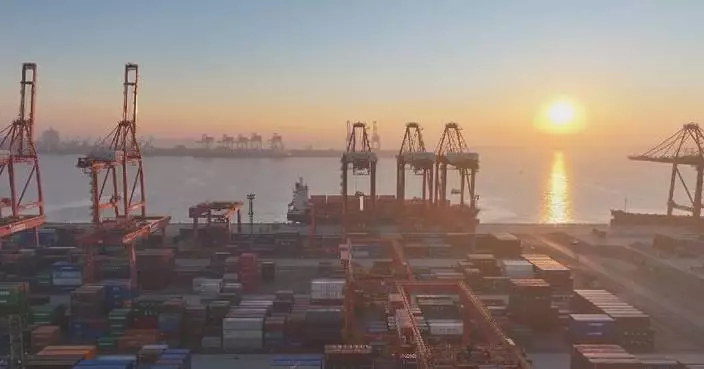
Shanghai Futures Exchange steel contracts closed lower on Wednesday.
The most-active rebar futures for January 2027 finished the day session at 3,113.00 yuan (about 464.64 U.S. dollars) per tonne, down 0.26 percent from the previous settlement.
The hot-rolled coil futures for January 2027 settled at 3,301.00 yuan (about 492.70 U.S. dollars) per tonne, down 0.18 percent.
Rebar is mainly used in construction for buildings, bridges and infrastructure. Hot-rolled coil is a flat steel product widely used across the manufacturing sector, including in automobiles, home appliances, machinery and pipes.
Both contracts are among the most actively traded steel futures in the world and serve as key price references for the Chinese and global steel markets.
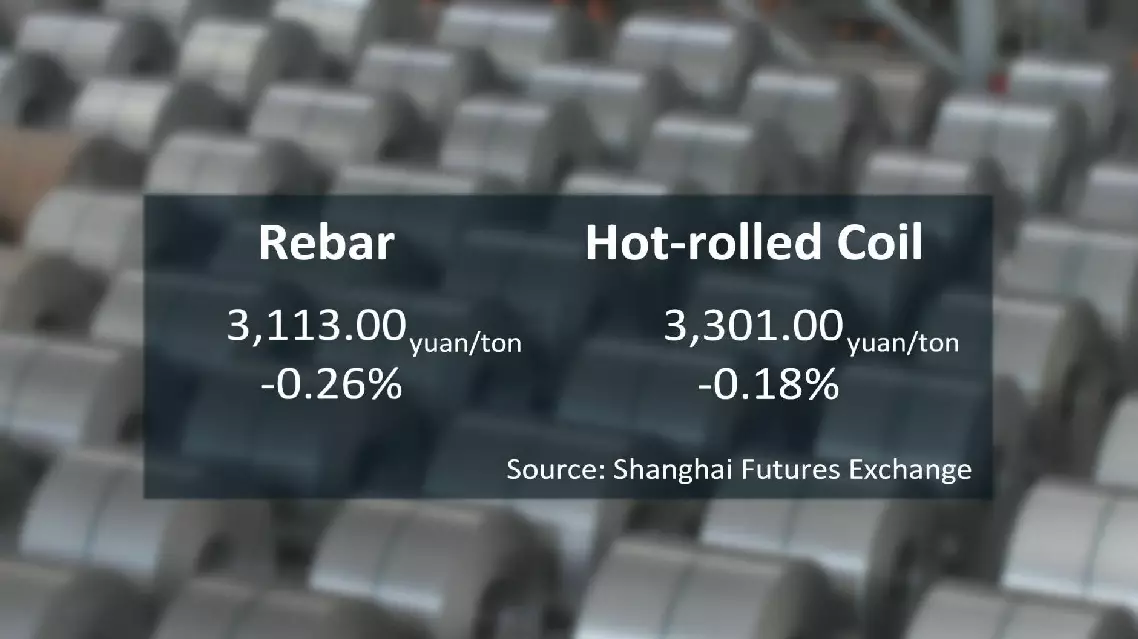
Chinese steel futures close lower Wednesday
China's appropriately accommodative monetary policy continued to deliver results in the third quarter, while the quality and effect of financial sector serving the real economy continued to improve, said the third-quarter monetary policy report released by the People's Bank of China (PBOC) on Wednesday.
The PBOC, China's central bank, said in the report that the country's credit structure continued to optimize in the third quarter.
At the end of September, loans to the technology, green, inclusive finance, elderly care and digital economy sectors grew 12.0 percent, 13.0 percent, 6.5 percent, 16.2 percent and 15.7 percent year on year, respectively, all continuing to outpace overall loan growth.
Financing costs across the economy remained low, the report showed, with new corporate loans in September carrying rates slightly below 3.0 percent and new personal housing loans around three percent.
The yuan exchange rate remained basically stable at a reasonable and balanced level. At the end of September, the yuan closed at 6.7053 per U.S. dollar, appreciating 4.1 percent from the end of 2025.
Looking ahead, the PBOC said it will continue to implement the appropriately accommodative monetary policy, comprehensively use and adjust monetary policy tools as appropriate, and guide the growth of social financing and money supply to match economic growth and the expected target for overall prices.
The central bank will seek to create a suitable monetary and financial environment for stable economic growth, high-quality development and the smooth operation of financial markets.
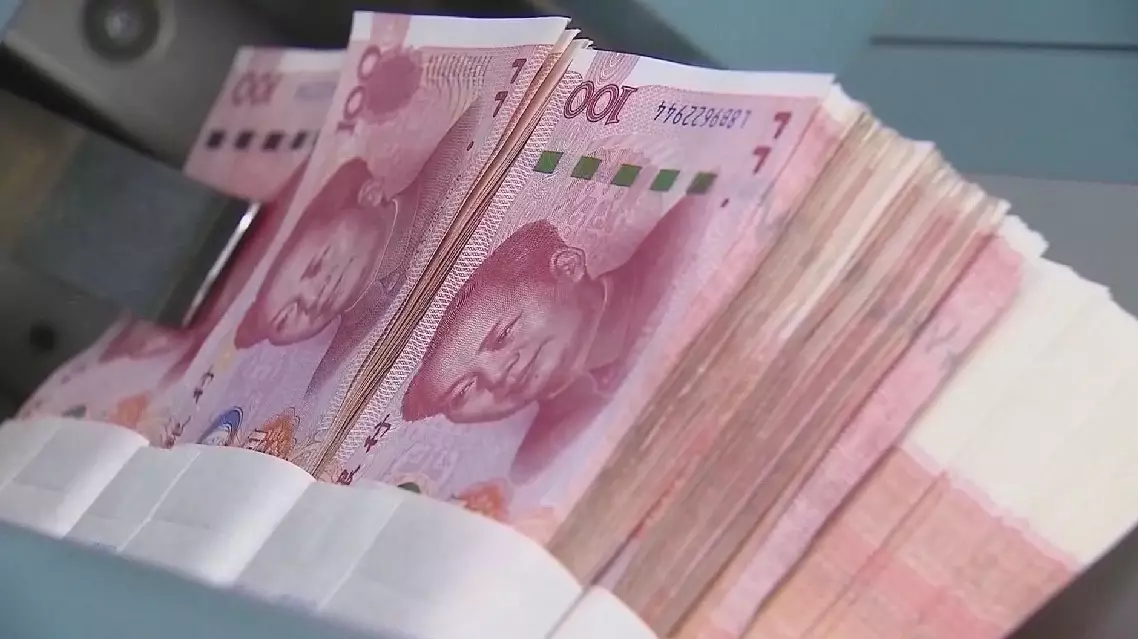
Appropriately accommodative monetary policy continues to deliver results in Q3: Central Bank