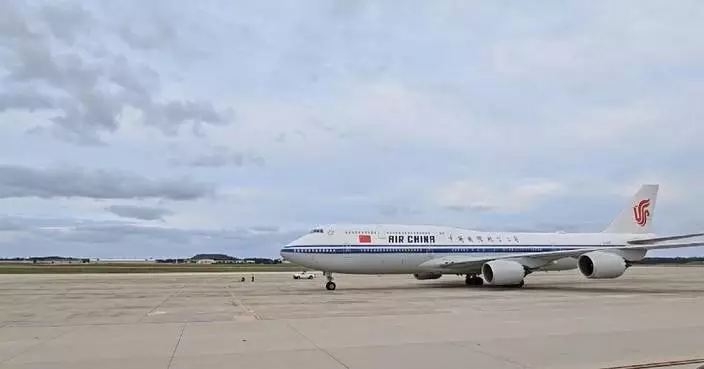
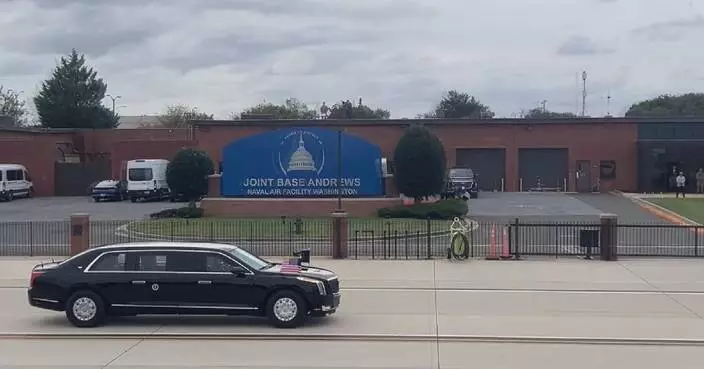
Chinese President Xi Jinping has urged efforts to explore the right way for developing China-U.S. relations in the new era, saying that the two countries should be friends that support each other and work together toward common prosperity.
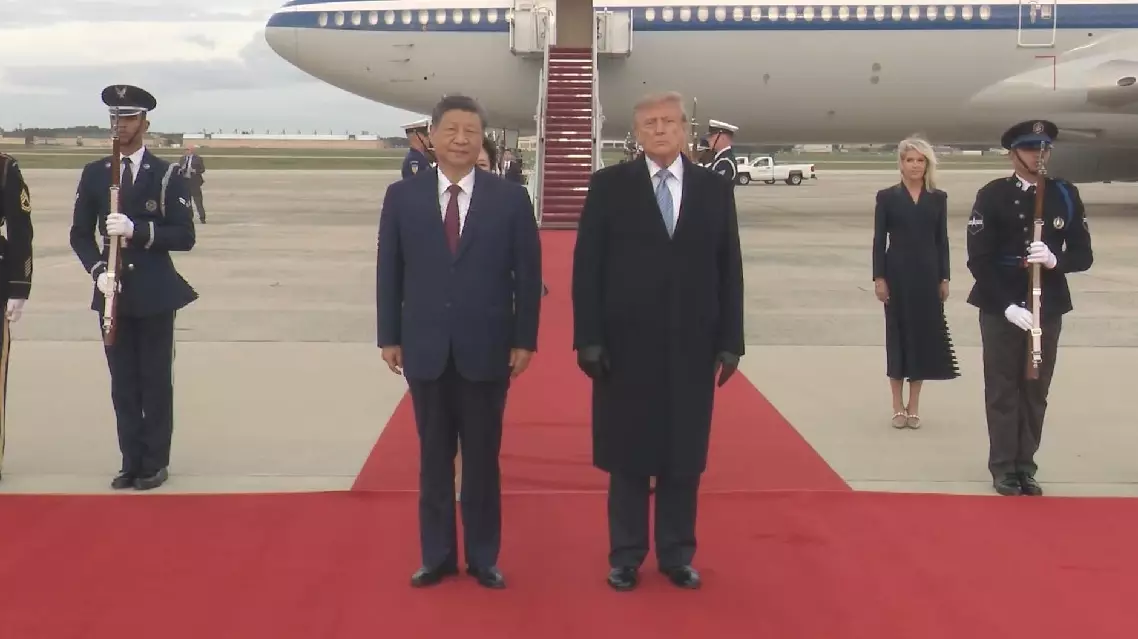
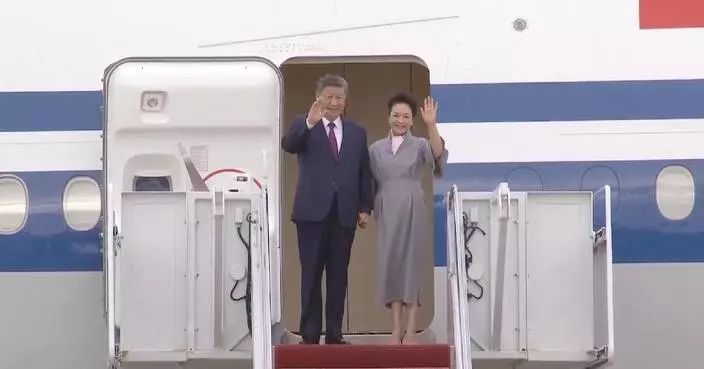
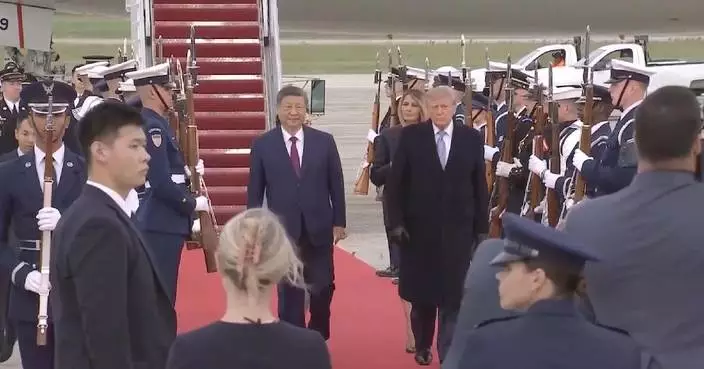
Xi made the remarks in May this year when hosting U.S. President Donald Trump in Beijing. During their talks, Xi also raised questions about China-U.S. relations.
"Can China and the United States overcome the Thucydides Trap and create a new paradigm of major-country relations? Can we meet global challenges together and provide greater stability for the world? Can we build a bright future together for our bilateral relations in the interest of the well-being of the two peoples and the future of humanity? These are the questions vital to history, to the world and to the people," Xi said.
As China has remained the world's second-largest economy since 2010, some Western politicians and scholars have frequently applied the Thucydides Trap to China-U.S. relations. Xi responded to the Thucydides Trap rhetoric in September 2015 when he delivered a speech in Seattle, the United States.
Xi attributed the appearance of a Thucydides Trap to strategic miscalculation among major countries, saying that China stands ready to work with the United States to learn more about each other's strategic directions and development paths, calling for more understanding and trust between the two sides to prevent misunderstanding and miscalculation.
Regarding the Taiwan question, Xi stressed that it is the most important issue in China-U.S. relations.
If it is handled properly, the bilateral relationship will enjoy overall stability. Otherwise, the two countries will have clashes and even conflicts, putting the entire relationship in great jeopardy, Xi said, urging the U.S. side to exercise extra caution in handling the Taiwan question.
Safeguarding cross-Strait peace and stability is the biggest common denominator between China and the United States, Xi said, emphasizing that "Taiwan independence" and cross-Strait peace are as irreconcilable as fire and water.
With trade and economic cooperation serving as the cornerstone for the steady and long-term development of bilateral relations, Chinese and U.S. teams had an in-depth exchange of views in Busan, the Republic of Korea, where Xi and Trump met in October last year.
In their meeting, Xi said China will further deepen reform across the board, expand opening up, and promote higher-quality economic growth while achieving an appropriate increase in economic output, and advance well-rounded human development and common prosperity for all, adding that this will also expand the space for cooperation between China and the United States.
"Business has always been a central part of the U.S.-China relationship. We have exchanged technologies and we have grown together and I am hopeful that we will make progress to deepen the business relationship," said Craig Allen, former president of the U.S.-China Business Council.
Xi has always believed that the story of China-U.S. relations is written by the people. In 1985, Xi, then Zhengding County Committee of the Communist Party of China in north China's Hebei Province, led a delegation to visit the U.S. state of Iowa, where he established profound friendship with the local people.
In September 2015, Xi said in his speech in Seattle that the foundation of China-U.S. friendship lies in the people and the hope lies in the youth, so he invited young Americans to visit China.
Stressing that dialogue is better than confrontation, Xi said in Busan last year that China and the United States should maintain communication through various channels and at various levels to enhance mutual understanding, adding that there is good potential for the two countries to work together on combating illegal immigration and telecom fraud, anti-money laundering, artificial intelligence, and responding to infectious diseases.
He called on competent departments to strengthen dialogue and exchanges and carry out mutually beneficial cooperation, as the two countries should engage in positive interactions on regional and international platforms.
As the world today is confronted with many tough problems, Xi said China and the United States can jointly shoulder their responsibilities as major countries, and work together to accomplish more great and concrete things for the good of the two countries and the whole world.
At the welcome banquet for Trump in May this year, Xi noted that this year marks the start of China's 15th Five-Year Plan period and the 250th anniversary of America's Declaration of Independence, hailing the people of both countries as great people. He said that achieving the great rejuvenation of the Chinese nation and making America great again can run in parallel, complement each other and benefit the world.
"As President Xi also said, we are partners, not rivals; that is the fundamental framework. I think they are basic principles which need to be enunciated and clearly embraced, which will create the foundation for that stability and constructive cooperation going forward," said Sourabh Gupta, a senior fellow at the Institute for China-America Studies.
The cooperation between China and the U.S. across the Pacific Ocean is not only a blessing for the people of both countries, but also a blessing for the region and the world. Just as Xi said, the building of a constructive China-U.S. relationship of strategic stability should not be a mere slogan, but concrete action taken by both sides toward the same goal.
Xi pointed out that the common interests shared by China and the United States far outweigh their differences. The success of one country is an opportunity for the other, and a stable China-U.S. relationship is a boon to the world.
Cooperation between China and the United States is of great mutual benefit, while confrontation will bring nothing but damage to both sides, he said.
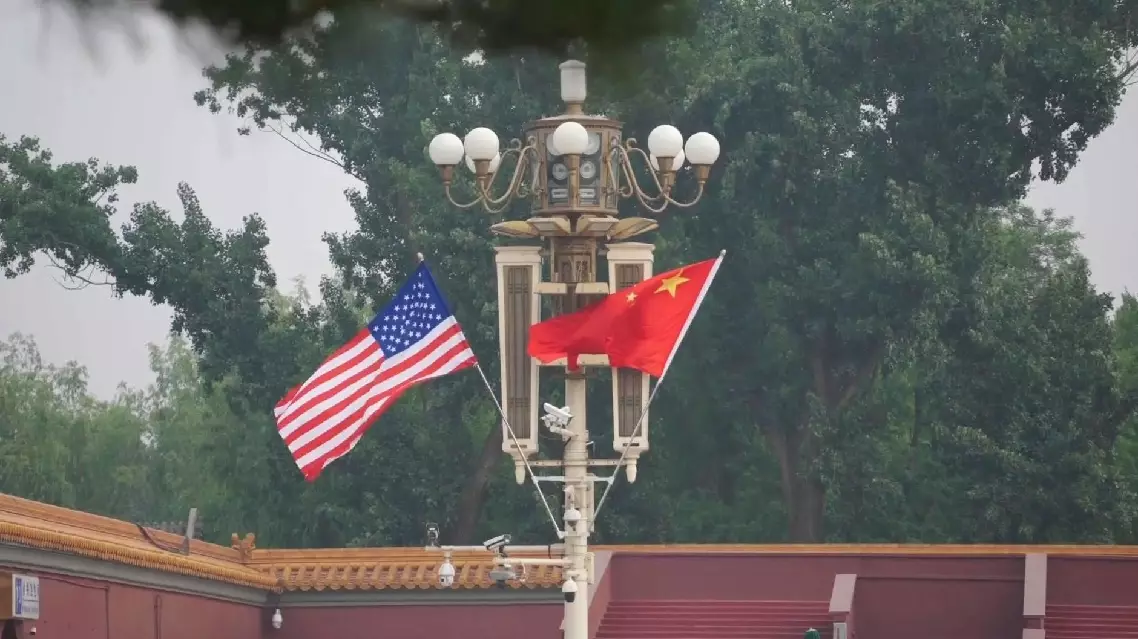
Xi calls for exploring right way for China, US to get along