Driven by mature technical systems and standardized solutions, China's underwater robot industry is accelerateing its global expansion, fueling a surging demand for specialized talents in the sector.
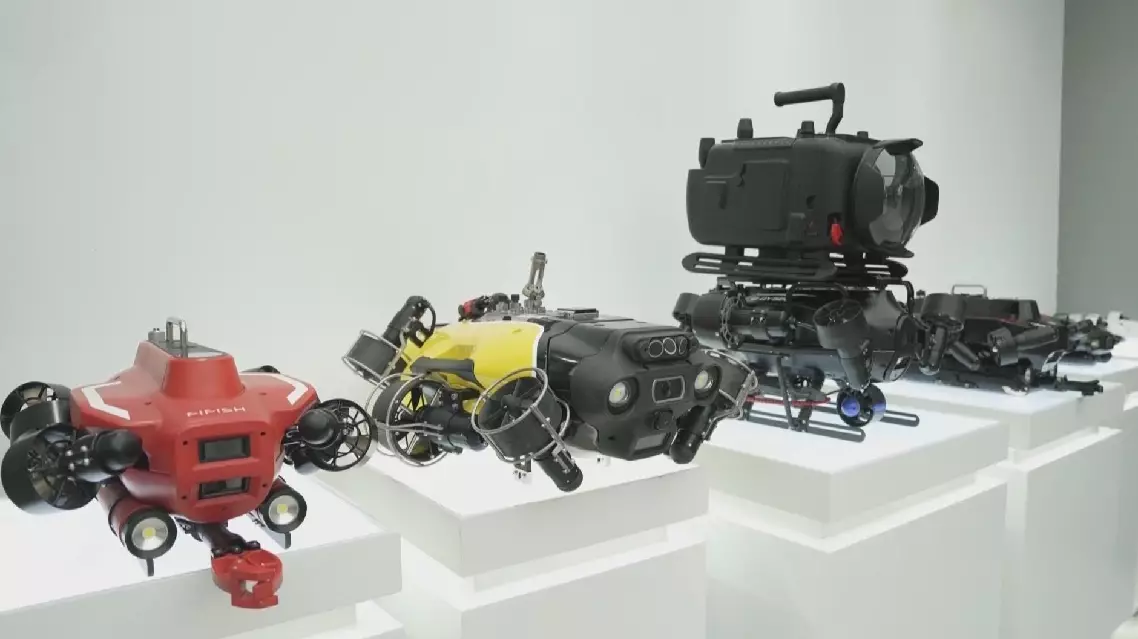
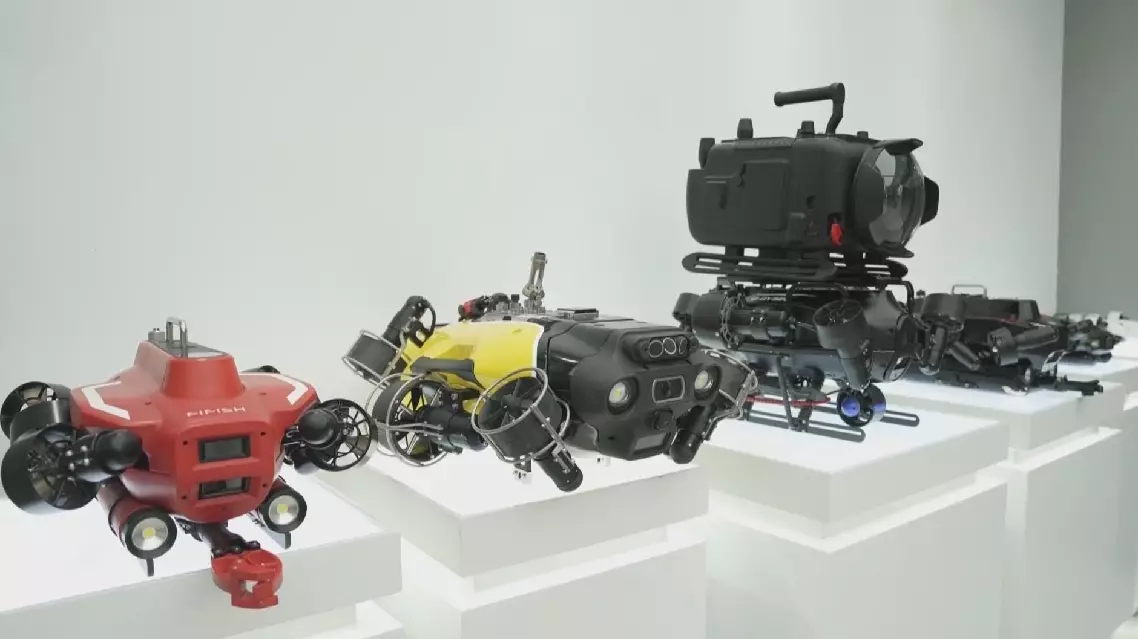
At a showroom of an underwater robotics company in Shenzhen City, south China's Guangdong Province, a variety of smart devices designed for different aquatic scenarios are on display.
Demonstrating their capabilities in underwater environments, these products have seen a rapid increase in overseas orders this year.
"Overall, our shipments of complete machines and components have exceeded 300,000 units over the past five years. Our exports have continued to grow this year, up 40 percent year on year, with export value surpassing 100 million yuan (about 15 million U.S. dollars) by the end of June," said Zhang Ying, deputy general manager of Chasing-Innovation Technology Co., Ltd.
At another underwater robotics firm, continuous upgrades in AI integration have propelled its products into the global market. Its robots are now sold to over 100 countries and regions across the world, with overseas revenue accounting for more than 90 percent of the company's total.
"We have truly applied AI to underwater perception, positioning, navigation, measurement, mapping, and automated task inspection. So far in 2026, our export value has grown by 60 percent compared to the same period last year," said Li Ping, deputy general manager of Shenzhen QYSEA Tech Co., Ltd.
As application scenarios for underwater robots expand and market demand soars globally, research and development talents in specialized sub-fields are in short supply. Developing robots for complex aquatic environments requires overcoming distinct technical hurdles.
For software engineers crossing over from other tech sectors, adapting to the unique demands of the underwater environment presents a steep learning curve.
Deng Jiawen, who has recently joined a robotics company, focuses on the driving, communication, and hardware-software debugging of underwater robots. His previous job was as a central control hardware and software engineer at a smart home appliance enterprise.
"The working environment of the equipment is entirely different now. It operates underwater, which presents technical problems completely different from what I encountered before. This requires continuous learning and practice," said Deng, now an embedded software development engineer at Chasing-Innovation.
"It is difficult to find ready-made talent for these mature positions in the market. Instead, we recruit individuals with relevant practical experience and backgrounds and transition them into our specific marine operation processes," said Zhang Yingyan, human resources director at Shenzhen QYSEA Tech Co., Ltd.
To address this growing talent gap and sustain the industry's momentum, local authorities in Shenzhen are closely monitoring the sector's needs and highlighting the massive demand for interdisciplinary professionals.
"In the 'underwater robot-plus' sector, key positions include robot operators, maintenance engineers, and research and development roles focused on underwater positioning and vision. There will be a massive demand for interdisciplinary talent who possess both robotics expertise and familiarity with marine environments," said Duan Xiaowei, director of the marine technology innovation and cooperation division at the Shenzhen Ocean Development Bureau.
China's underwater robot industry expands globally, fuels talent demand
China's underwater robot industry expands globally, fuels talent demand