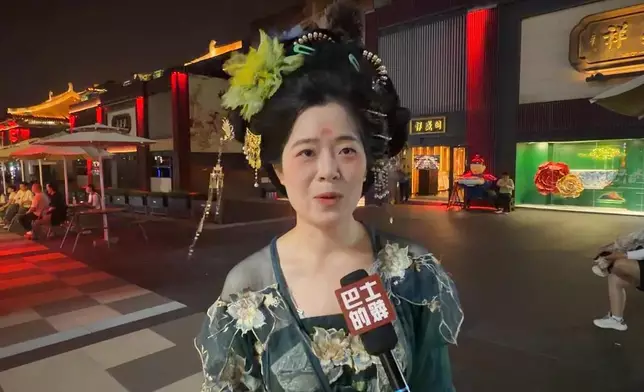
On September 22, the Gansu media interview team of the Media Alliance of the Guangdong-Hong Kong-Macao Greater Bay Area’s "Retracing the Long March" joint interview tour series visited the Special Agricultural Products Promotion Centre in Zhongchuan Town, Huining County, to learn about local agricultural development. In the evening, the team travelled to Xi'an, the capital of Shaanxi Province, to join the Shaanxi team and tour the Grand Tang Mall, experiencing the ancient elegance of Xi'an, known as the “ancient capital of thirteen dynasties.”
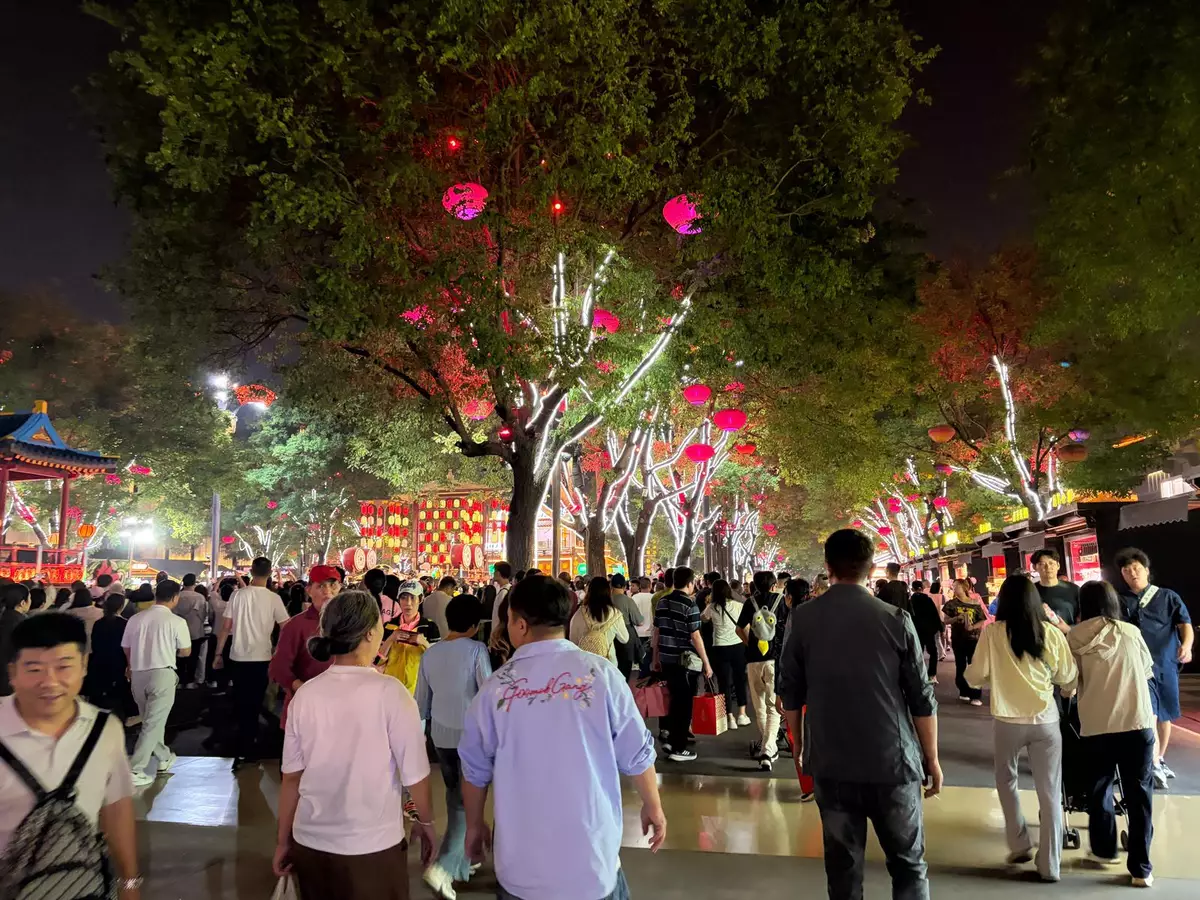
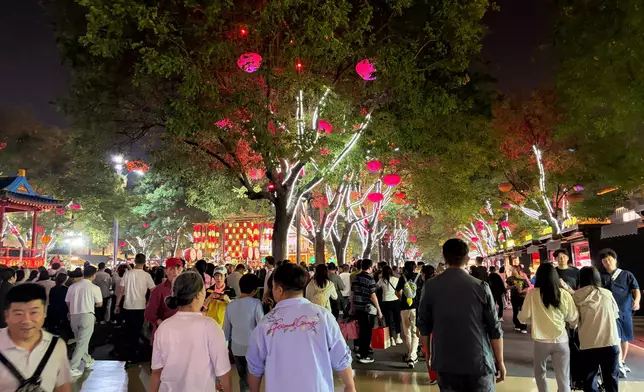
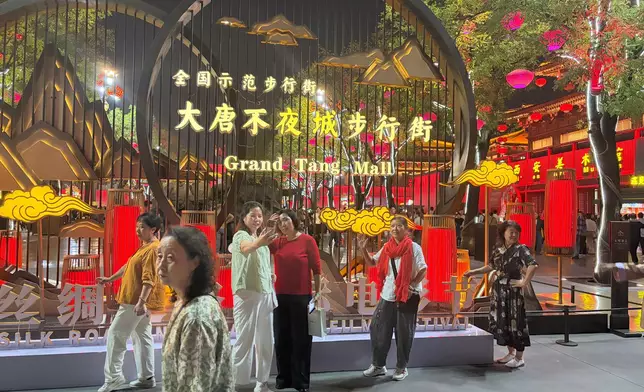
The Grand Tang Mall, Photo by Bastille Post
To mark the 90th anniversary of the victory of the Red Army’s Long March, the Hong Kong Federation of Journalists, the All-China Journalists Association, the Guangdong Journalists Association and the Macao Journalists Association have launched a joint interview tour series titled “Retracing the Long March.” Following the Jiangxi tour and the Guizhou-Yunnan tour, the Shaanxi-Gansu tour is being held from September 18 to 24 in Gansu and Shaanxi provinces under the theme “Carrying Forward the Red Legacy of the Long March, Uniting the Synergy of the Greater Bay Area.”
Click to Gallery
The Grand Tang Mall, Photo by Bastille Post
The Special Agricultural Products Promotion Centre in Zhongchuan Town, Huining County, Photo by Bastille Post
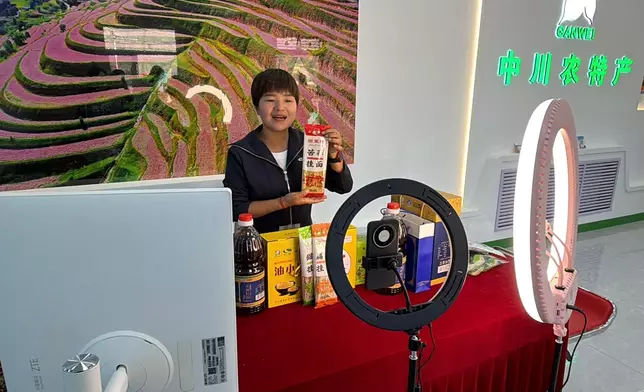
Local livestreamers promote agricultural products online. Photo by Bastille Post
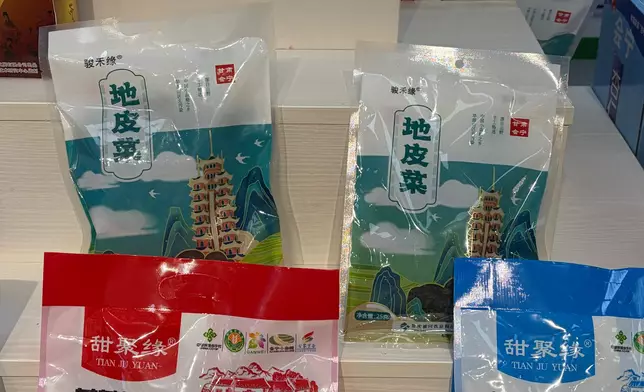
Local specialty agricultural products, Photo by Bastille Post
The Grand Tang Mall, Photo by Bastille Post
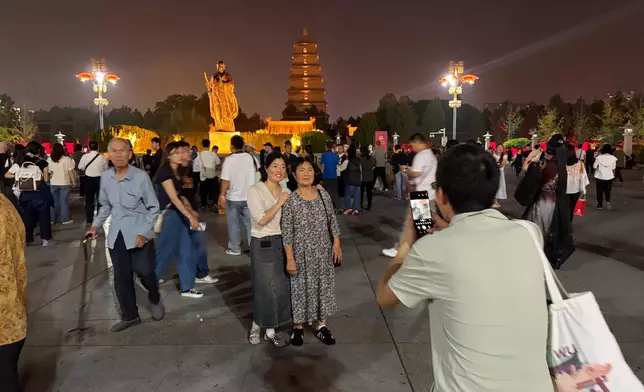
Tourists pose for a photo in front of the statue of Master Xuanzang and the Giant Wild Goose Pagoda. Photo by Bastille Post
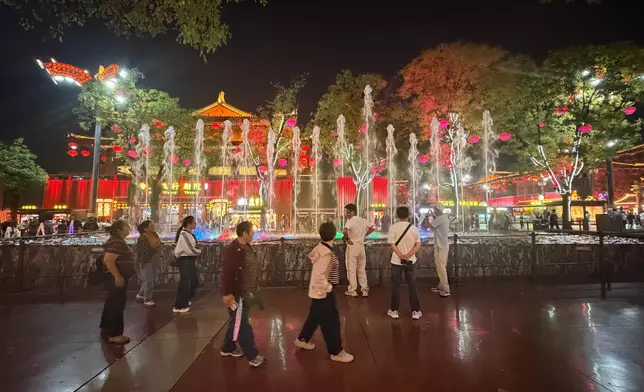
The fountain at the Grand Tang Mall, Photo by Bastille Post
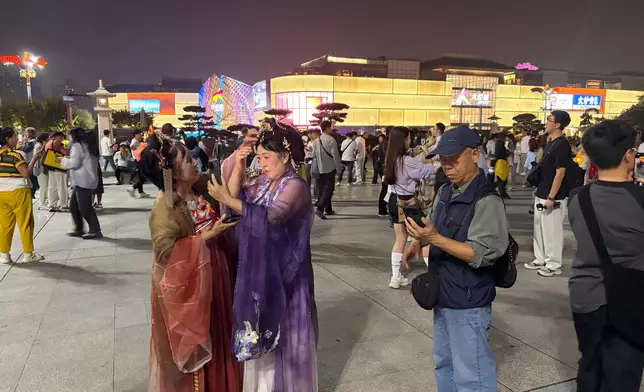
The tourists at the Grand Tang Mall, Photo by Bastille Post
Paddy from Manchester, England, Photo by Bastille Post
Ms. Kong, from Shijiazhuang, Hebei, Photo by Bastille Post
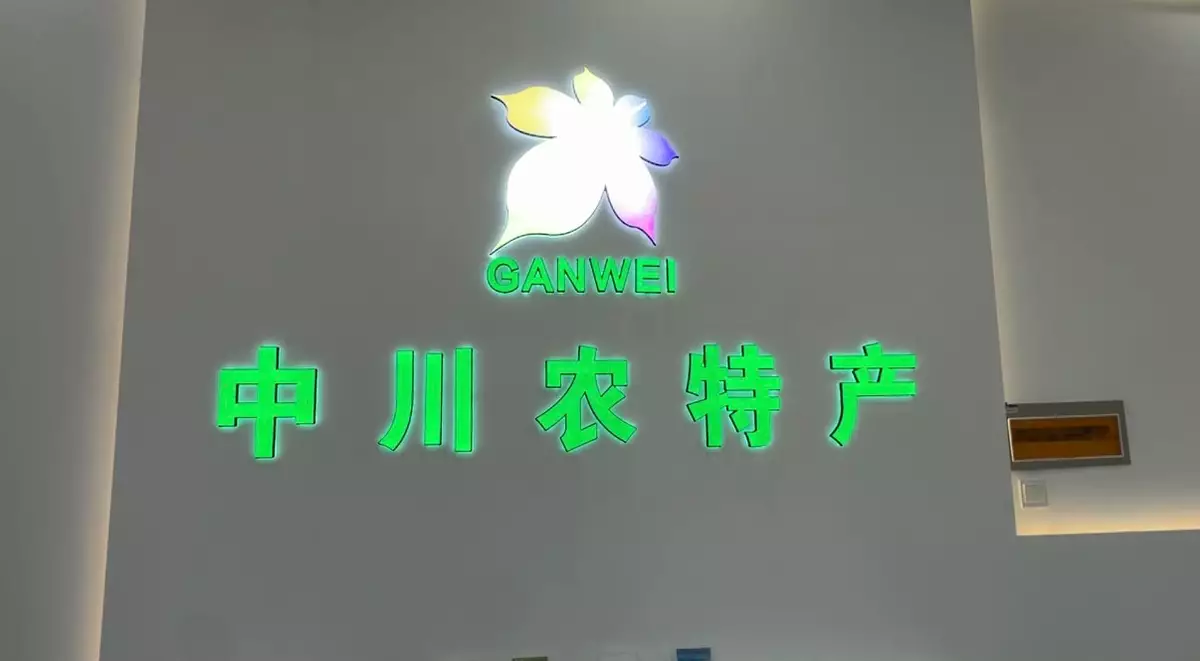
The Special Agricultural Products Promotion Centre in Zhongchuan Town, Huining County, Photo by Bastille Post
The Special Agricultural Products Promotion Centre in Zhongchuan Town, Huining County, is located at the ecological geological disaster relocation and resettlement site in Gaomiao Village. Planned by the Township CPC Committee and local government, the centre was built under the leadership of the Gaomiao Village CPC branch. It serves as a comprehensive service platform for the town's rural industrial development. Anchored on the principle of “CPC building leading industrial development, data empowerment driving growth,” the centre focuses on the town's “3+1” special leading industries, including cattle, sheep, vegetables and miscellaneous grains. It has built a full-chain industrial service platform that integrates product display, brand operation, online sales, production-marketing matchmaking, and technical services, serving as an important vehicle for Zhongchuan Town to promote the integration of CPC building in agricultural areas with rural industries. Moreover, it opens channels for agricultural products to leave villages and enter cities, including lentils and buckwheat, continuously strengthening the local collective economy and driving steady income growth for residents.
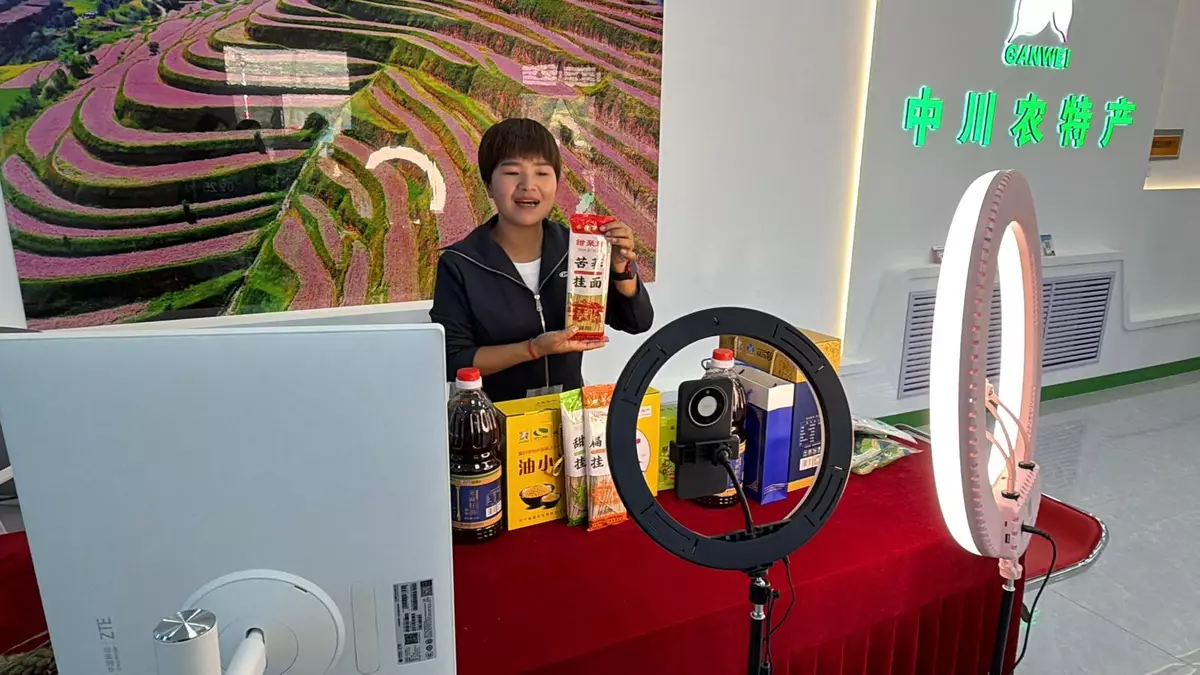
Local livestreamers promote agricultural products online. Photo by Bastille Post
The centre also leverages digital empowerment and e-commerce to boost agriculture, tackling local challenges such as narrow sales channels and low premiums for agricultural products. Using its platform advantages, the centre has established a live-streaming sales channel and operates an online mall, with sales portals on new media platforms including TikTok, Kuaishou and WeChat Video Channels, creating a three-dimensional marketing system of “online mall + short video traffic generation + live-streaming sales,” helping premium local agricultural products expand their markets. A professional live-streaming team has been assembled, with CPC member influencers trained as hosts, regularly conducting base traceability, field live-streams, and online sales activities. Meanwhile, the Gaomiao Village CPC branch has taken the lead in connecting with seven agricultural product processing enterprises across the town, vigorously developing contract farming and building an integrated industrial chain of production, processing and sales, forming a stable and efficient production-marketing matchmaking mechanism.
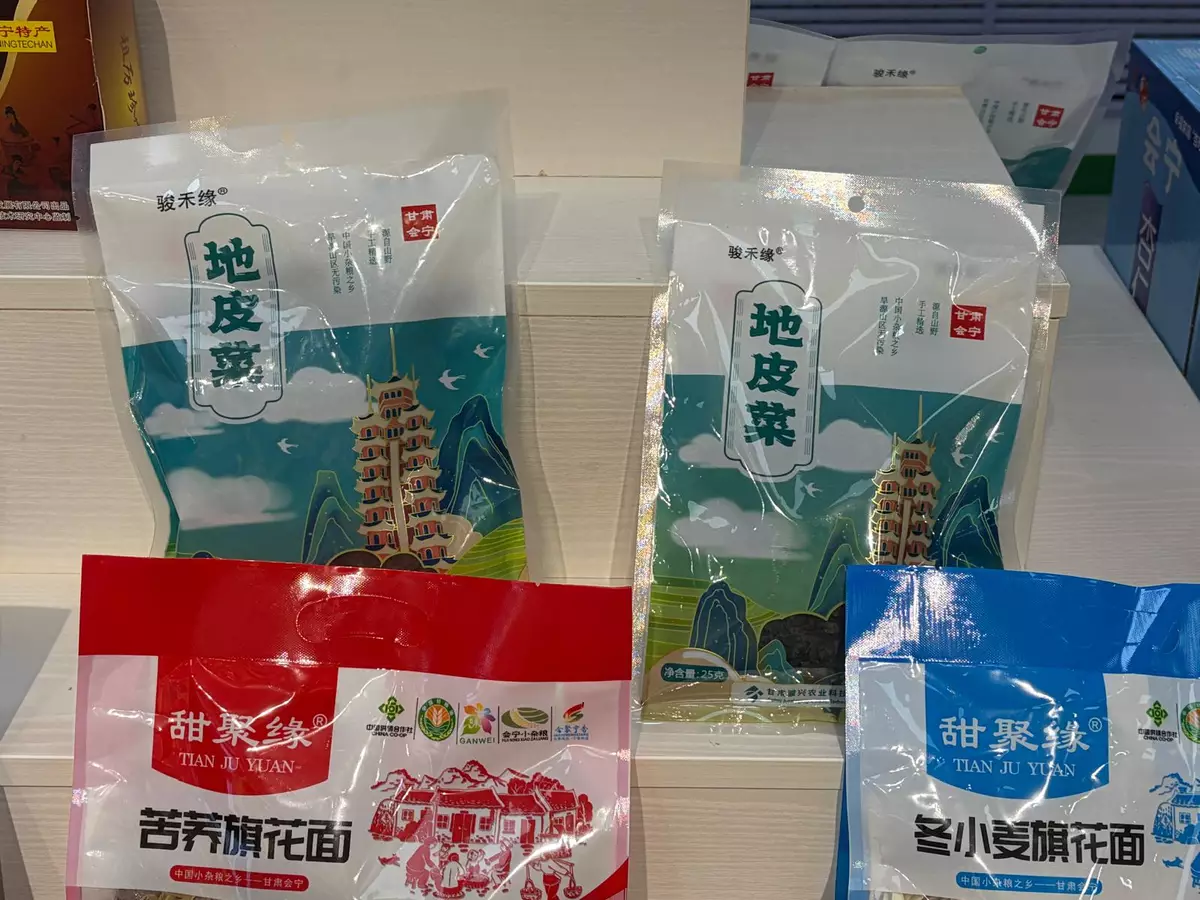
Local specialty agricultural products, Photo by Bastille Post
The delegation then travelled to Xi'an in the evening to visit the Grand Tang Mall. Located at the foot of the Giant Wild Goose Pagoda in the core area of Qujiang New District, the Grand Tang Mall is a 2.1-kilometre-long north-south pedestrian street. Based on the culture of the prosperous Tang Dynasty 1,400 years ago, it is divided into four sections: the Giant Wild Goose Pagoda North Square, the Giant Wild Goose Pagoda South Square, Zhenguan Square and Kaiyuan Square. The Giant Wild Goose Pagoda North Square features a magnificent musical fountain, while the South Square offers an interpretation of Buddhist culture. Zhenguan Square is the largest landscape focal point of the entire street, and Kaiyuan Square is the core area for cultural performances.
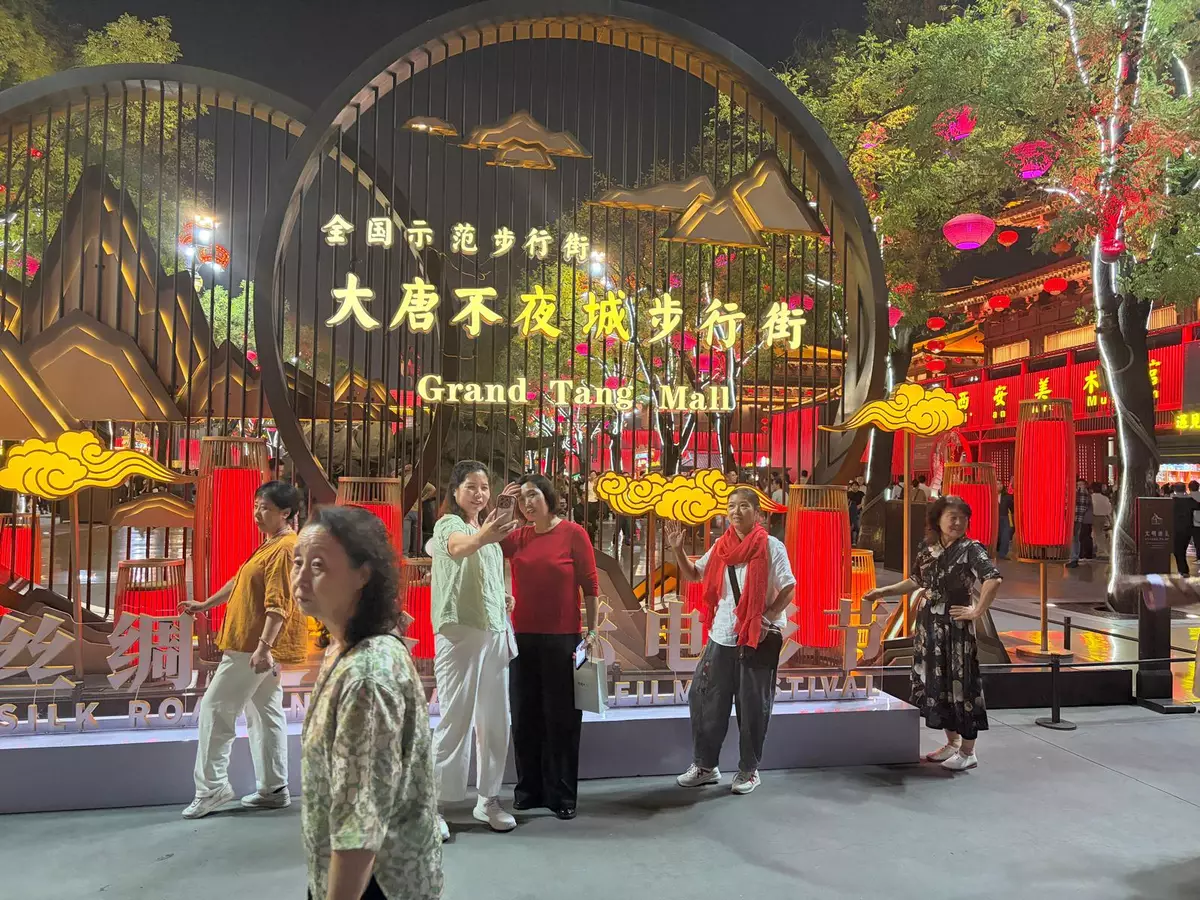
The Grand Tang Mall, Photo by Bastille Post
Since the Chinese New Year in 2018, the Grand Tang Mall has served as the main venue for the “Xi'an Year” Spring Festival series for eight consecutive years, creating a Spring Festival cultural feast with authentic Chinese flavour. In 2024, it served as the Xi'an sub-venue for the CMG Spring Festival Gala. Propelled by the programme “Ode to Chang'an: Rivers, Mountains and Poems,” it brought together poetry enthusiasts and attracted large numbers of tourists who resonated deeply with the blend of AR scenes and the real world.
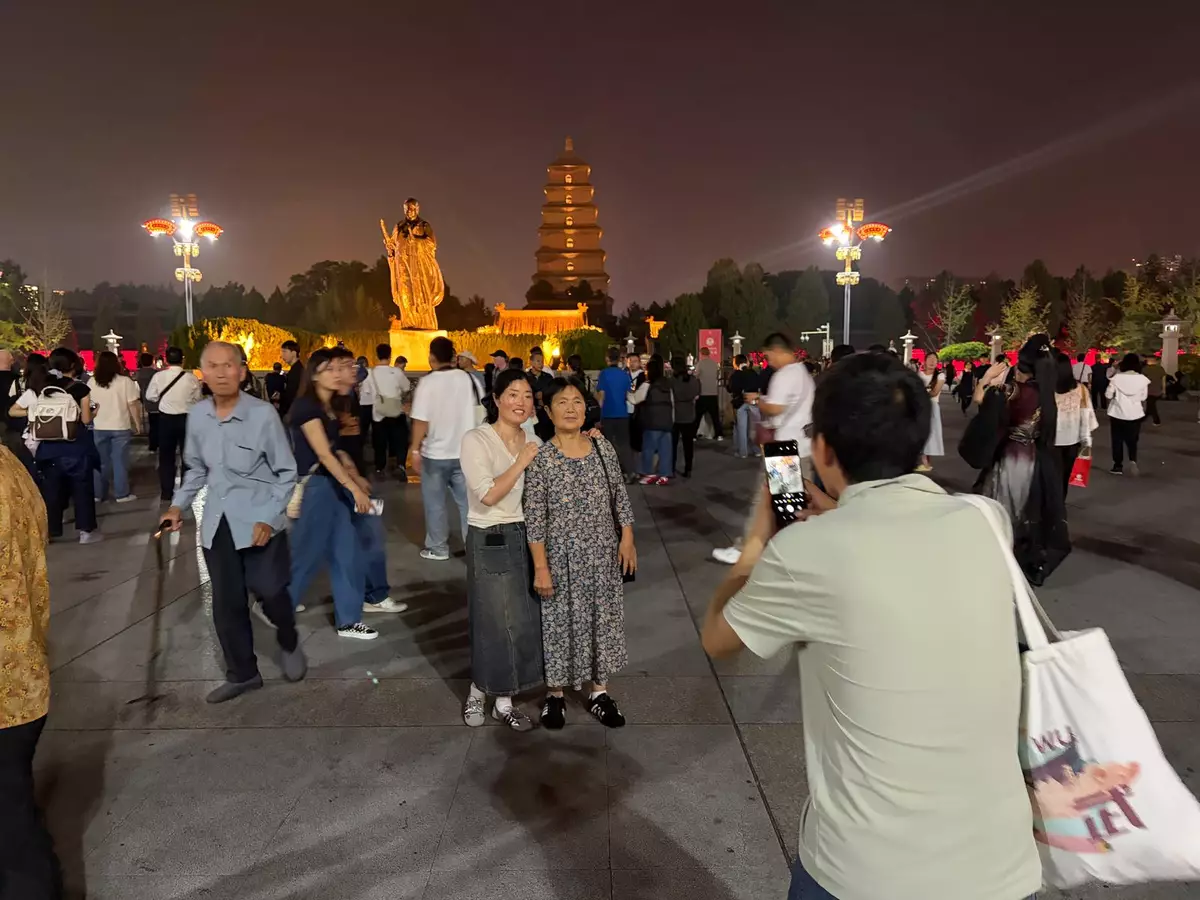
Tourists pose for a photo in front of the statue of Master Xuanzang and the Giant Wild Goose Pagoda. Photo by Bastille Post
In recent years, the Grand Tang Mall has consistently adhered to a “culture plus” development philosophy. After receiving titles including National Demonstration Pedestrian Street, National-level Night-time Cultural and Tourism Consumption Cluster, National-level Tourism and Leisure Block, and National “5G + Smart Tourism” Application Pilot Project, it was again selected in 2025 as one of the first batch of “Shaanxi Commercial and Tourism Famous Streets,” fully utilising cultural tourism scenic resources to drive regional value and high-quality development of the cultural tourism industry.
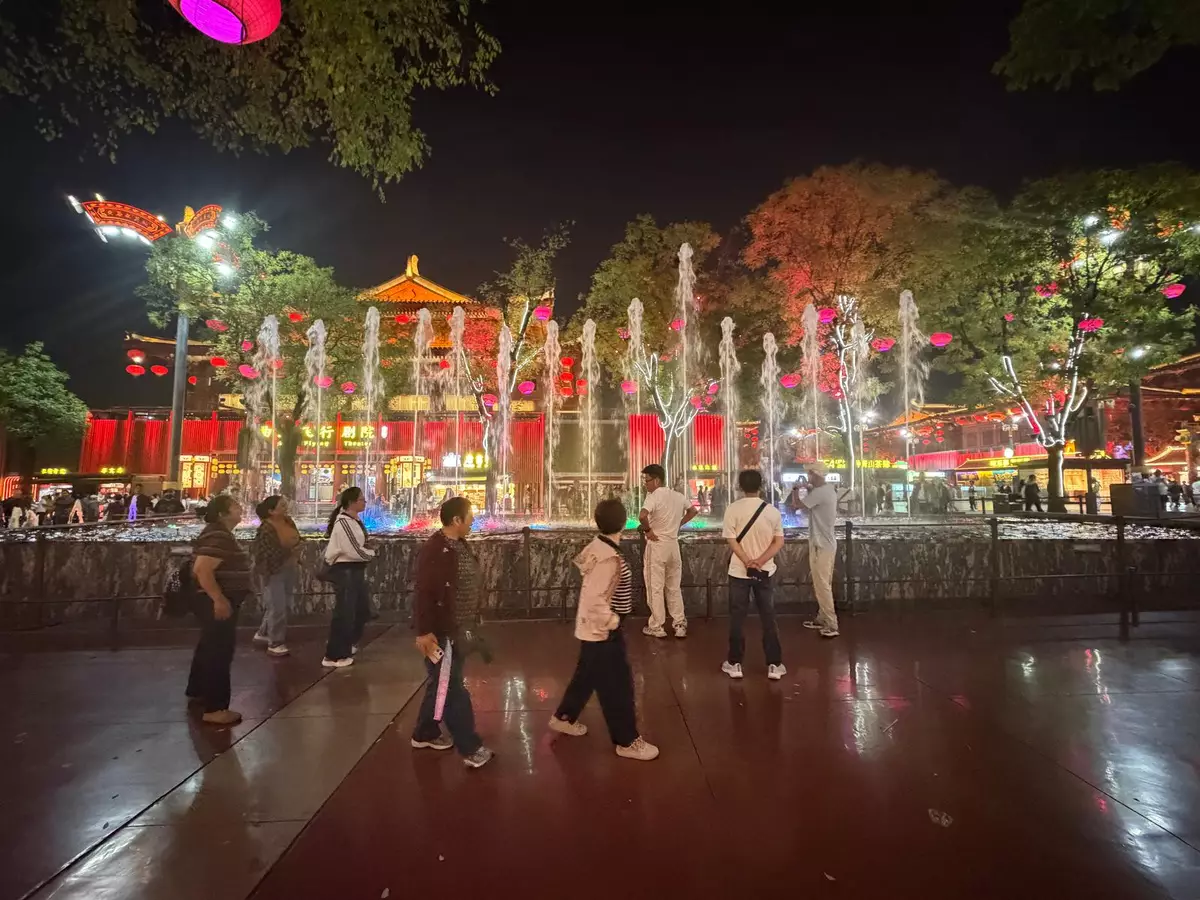
The fountain at the Grand Tang Mall, Photo by Bastille Post
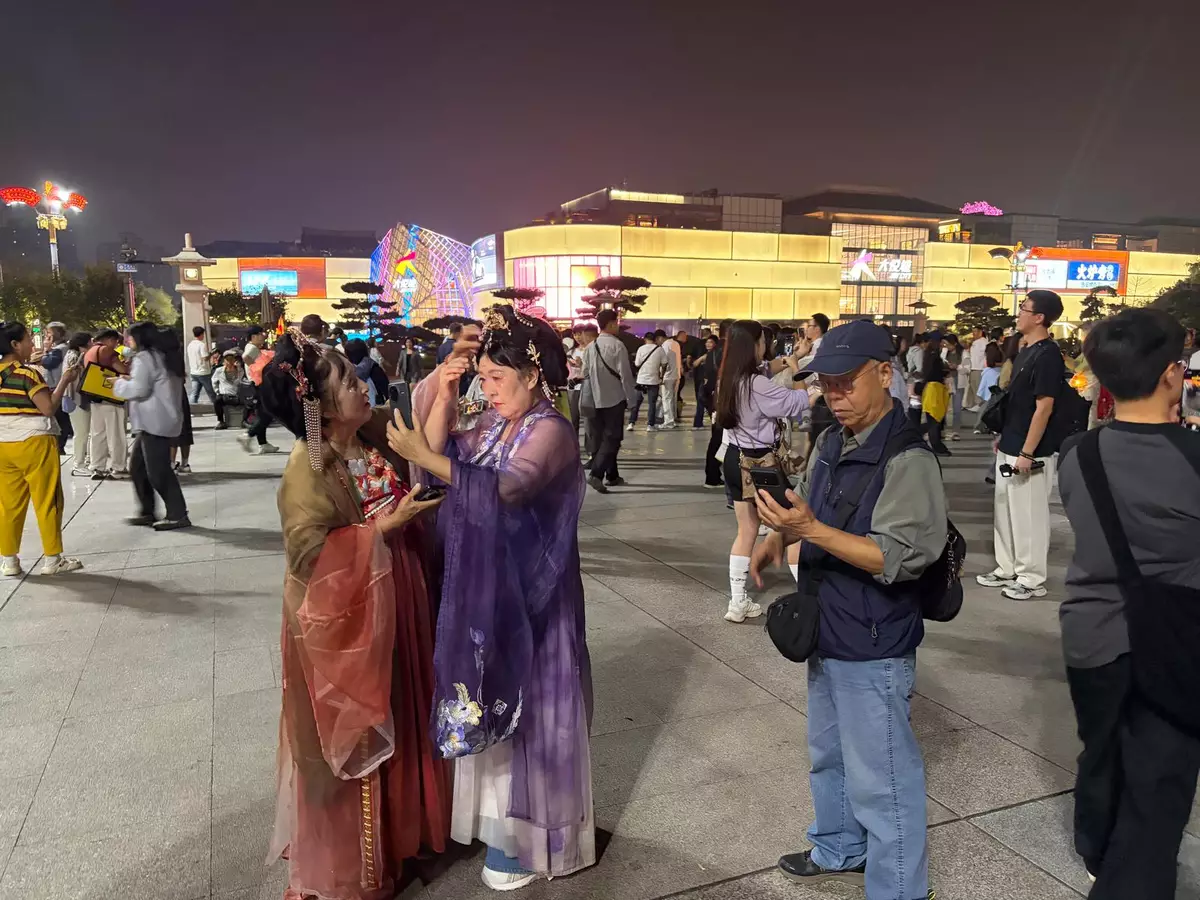
The tourists at the Grand Tang Mall, Photo by Bastille Post
Paddy from Manchester, England, visited Xi'an for the first time to accompany his girlfriend from Hubei. The couple wore hanfu as they strolled through the Grand Tang Mall. Paddy said Xi'an's architecture is “more different and more traditional,” presenting a deeper sense of historical origins compared to modern metropolises like Shanghai and Beijing. He would recommend Xi'an to his family in the UK, mainly for its rich food, especially the noodles.
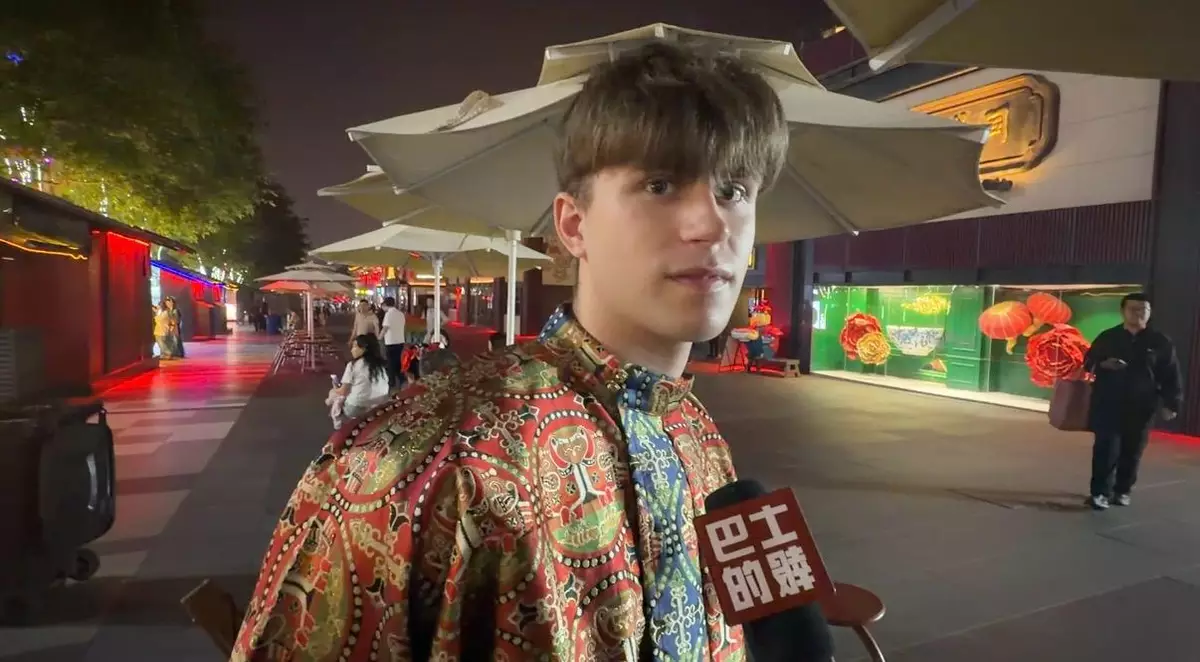
Paddy from Manchester, England, Photo by Bastille Post
Ms. Kong, from Shijiazhuang, Hebei, described herself as a “free-spirited tourist.” She said she was deeply attracted by “Han-Tang culture” and enjoyed the immersive hanfu experience in Xi'an because it allowed her to recreate the feeling of the “prosperous Tang Dynasty.” She recommended stewed pork burger, Chinese cold noodles, and pita bread soaked in lamb soup as must-try Xi'an delicacies. She said she would recommend Xi'an to friends and family because it is “great for strolling, great for eating, and great for photos.”
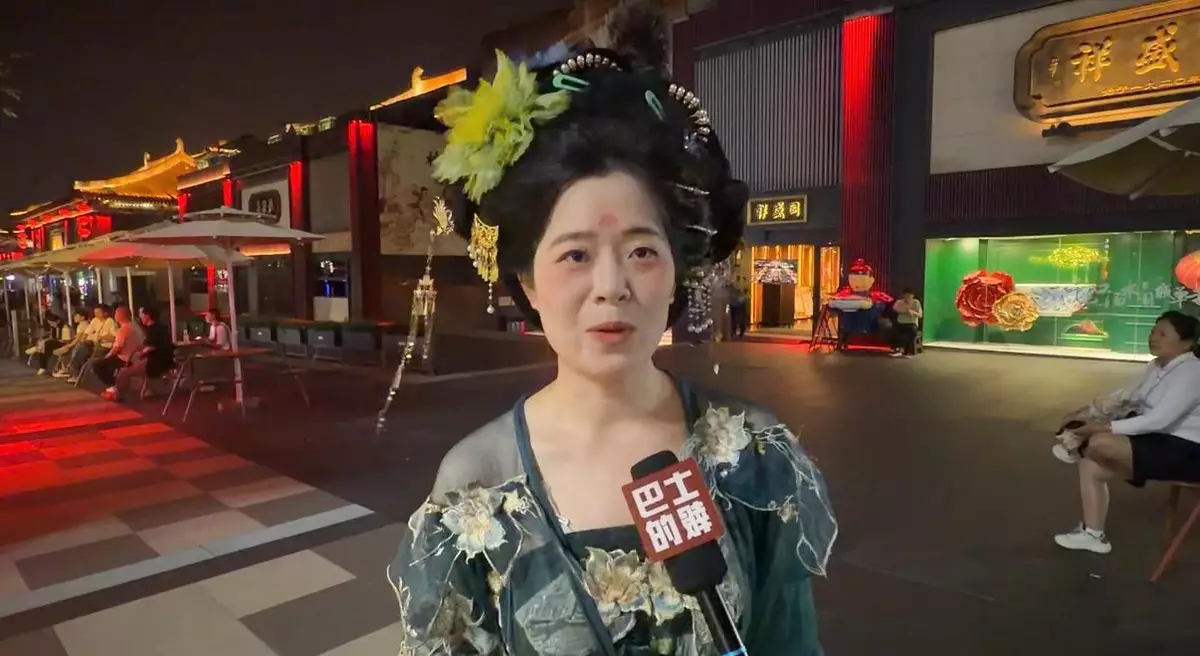
Ms. Kong, from Shijiazhuang, Hebei, Photo by Bastille Post
On September 20, the Gansu media interview team of the Media Alliance of the Guangdong-Hong Kong-Macao Greater Bay Area’s “Retracing the Long March" joint interview tour series visited the Hadapu Long March Memorial Museum, Hadapu Red Army Street, and the Laluliang 10,000-mu Chinese Herbal Medicine Planting Base in Dangchang County.
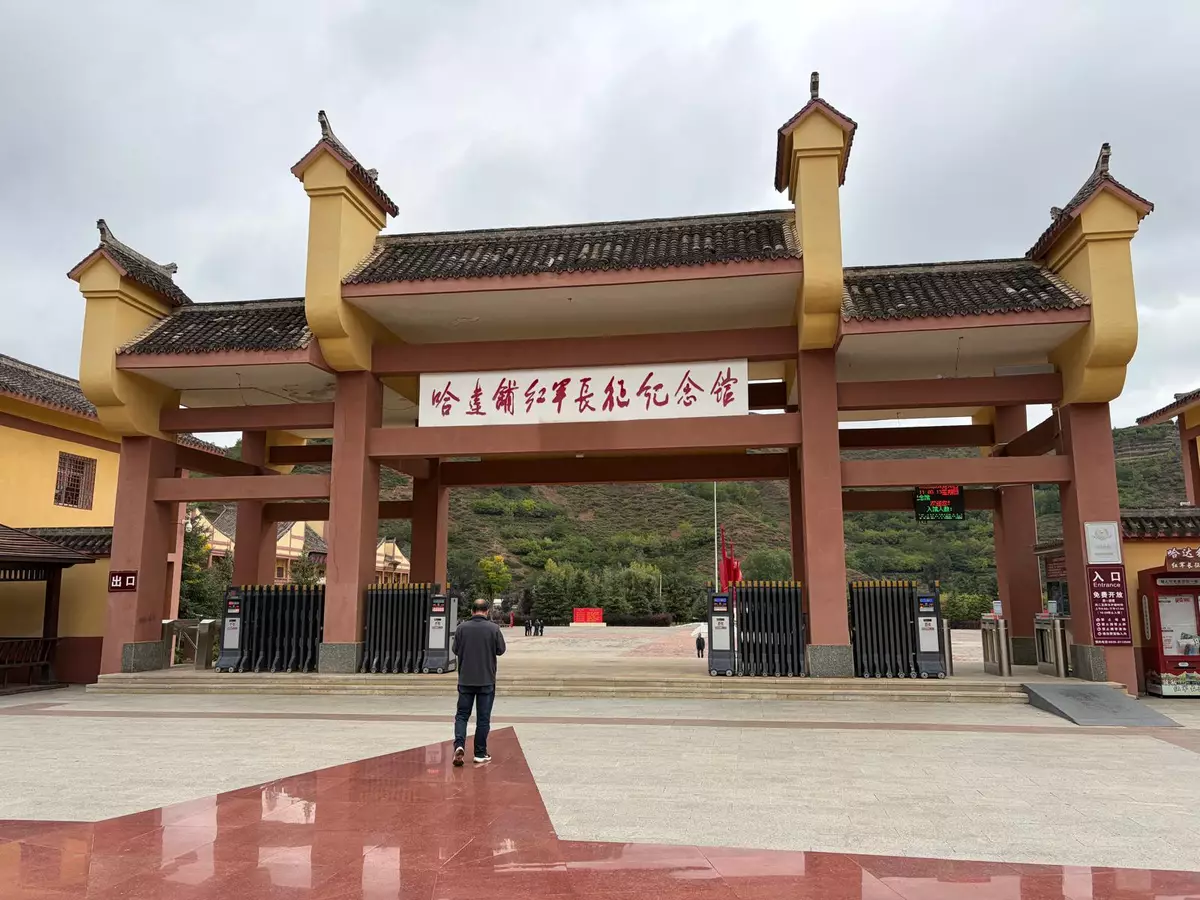
The Hadapu Long March Memorial Museum, Photo by Bastille Post
At these sites, the delegation learned about the historical process through which the Red Army obtained media information and made the major strategic decision to “march to northern Shaanxi,” while also gaining an in-depth understanding of the current status of medicinal herb cultivation and development in Gansu Province.
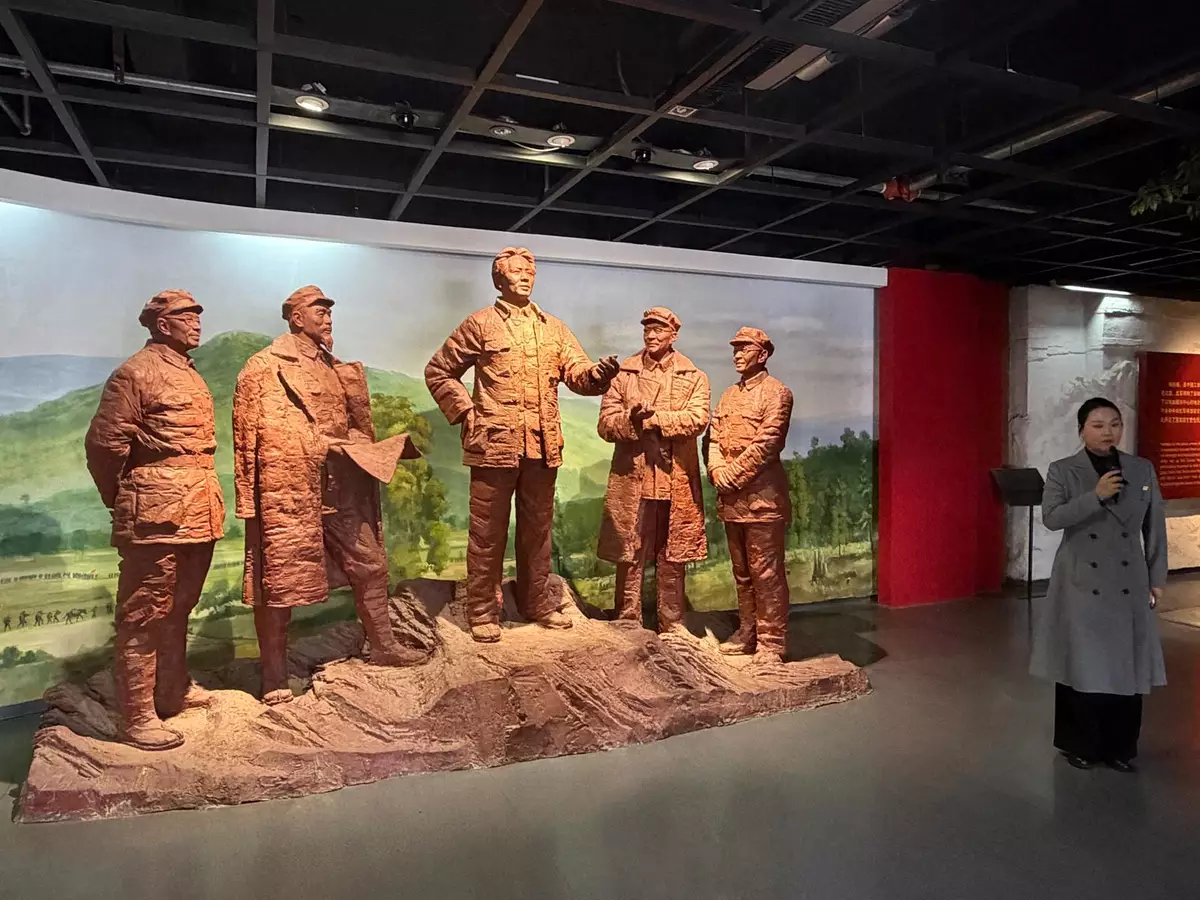
Exhibits at the Hadapu Long March Memorial Museum, Photo by Bastille Post
To mark the 90th anniversary of the victory of the Red Army’s Long March, the Hong Kong Federation of Journalists, the All-China Journalists' Association, the Guangdong Journalists Association and the Macao Journalists Association have launched a joint interview tour series titled “Retracing the Long March.” Following the Jiangxi tour and the Guizhou-Yunnan tour, the Shaanxi-Gansu tour is being held from September 18 to 24 in Gansu and Shaanxi provinces under the theme “Carrying Forward the Red Legacy of the Long March, Uniting the Synergy of the Greater Bay Area.”
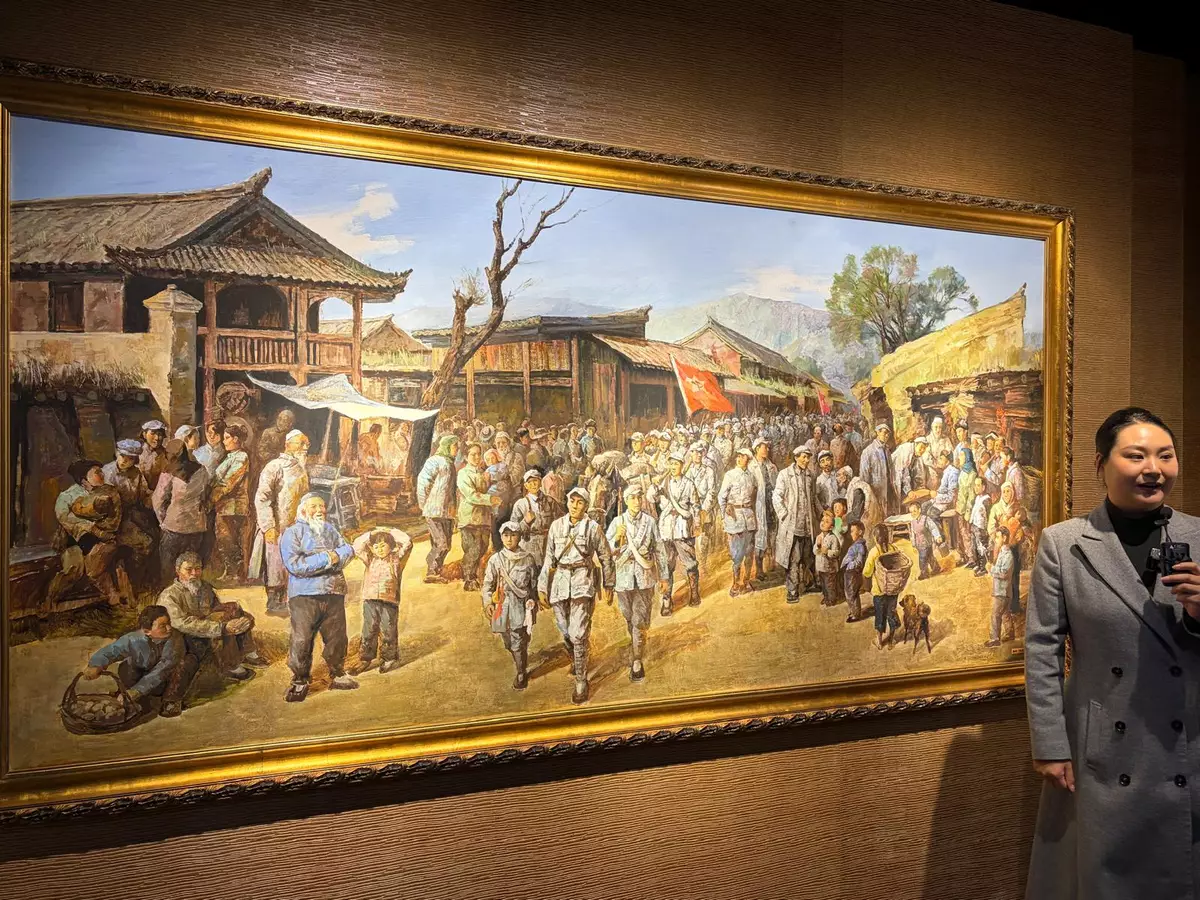
Exhibits at the Hadapu Long March Memorial Museum, Photo by Bastille Post
On September 20, the interview team visited the Hadapu Long March Memorial Museum in Hadapu Town, Danchang County, Longnan City, Gansu Province.
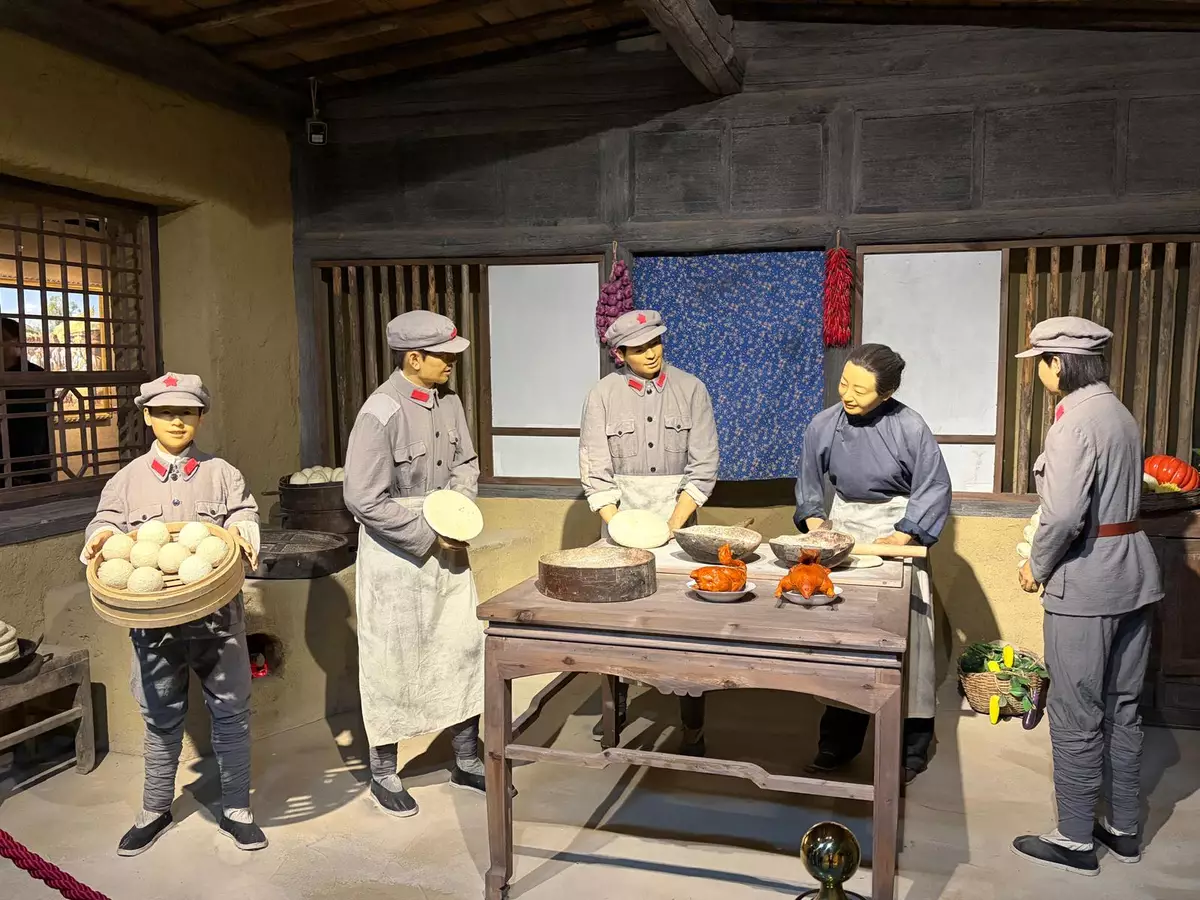
Exhibits at the Hadapu Long March Memorial Museum, Photo by Bastille Post
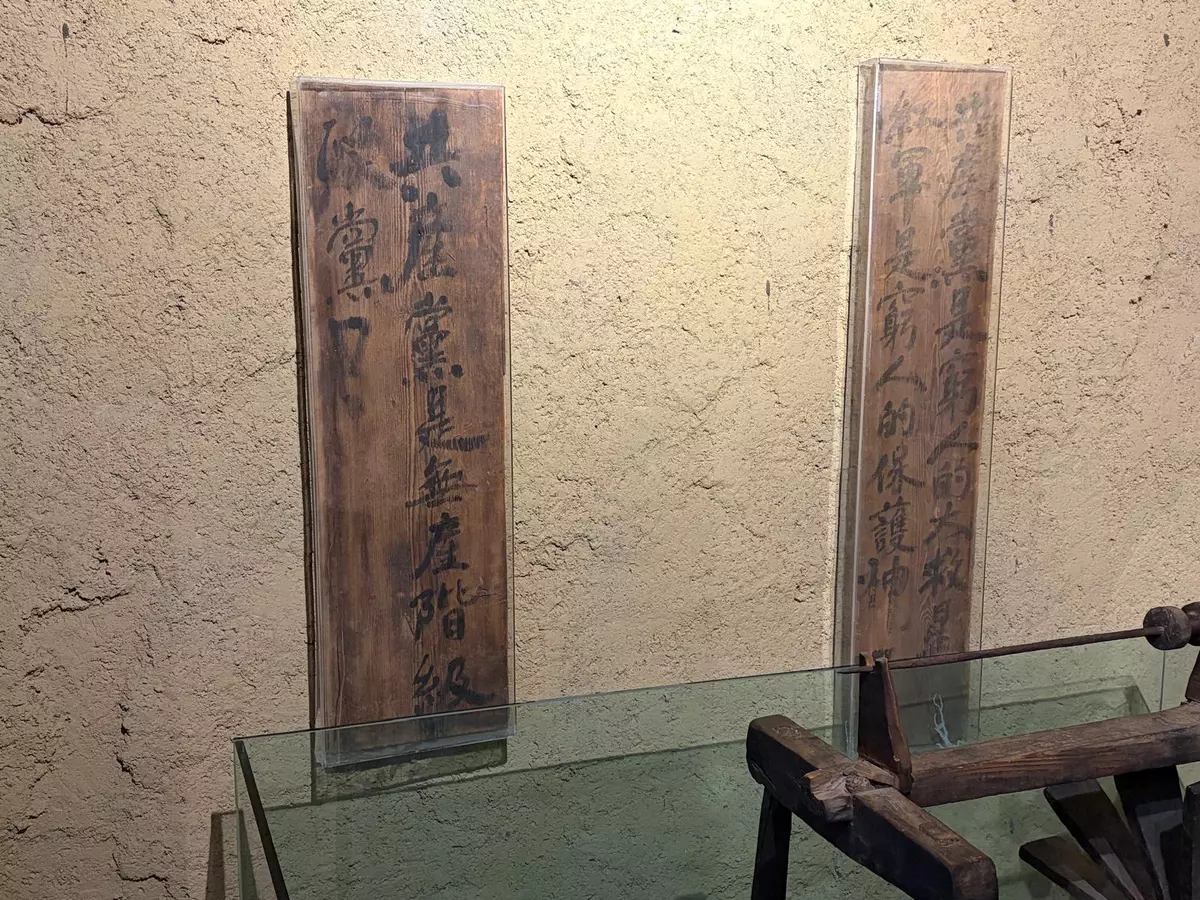
Exhibits at the Hadapu Long March Memorial Museum, Photo by Bastille Post
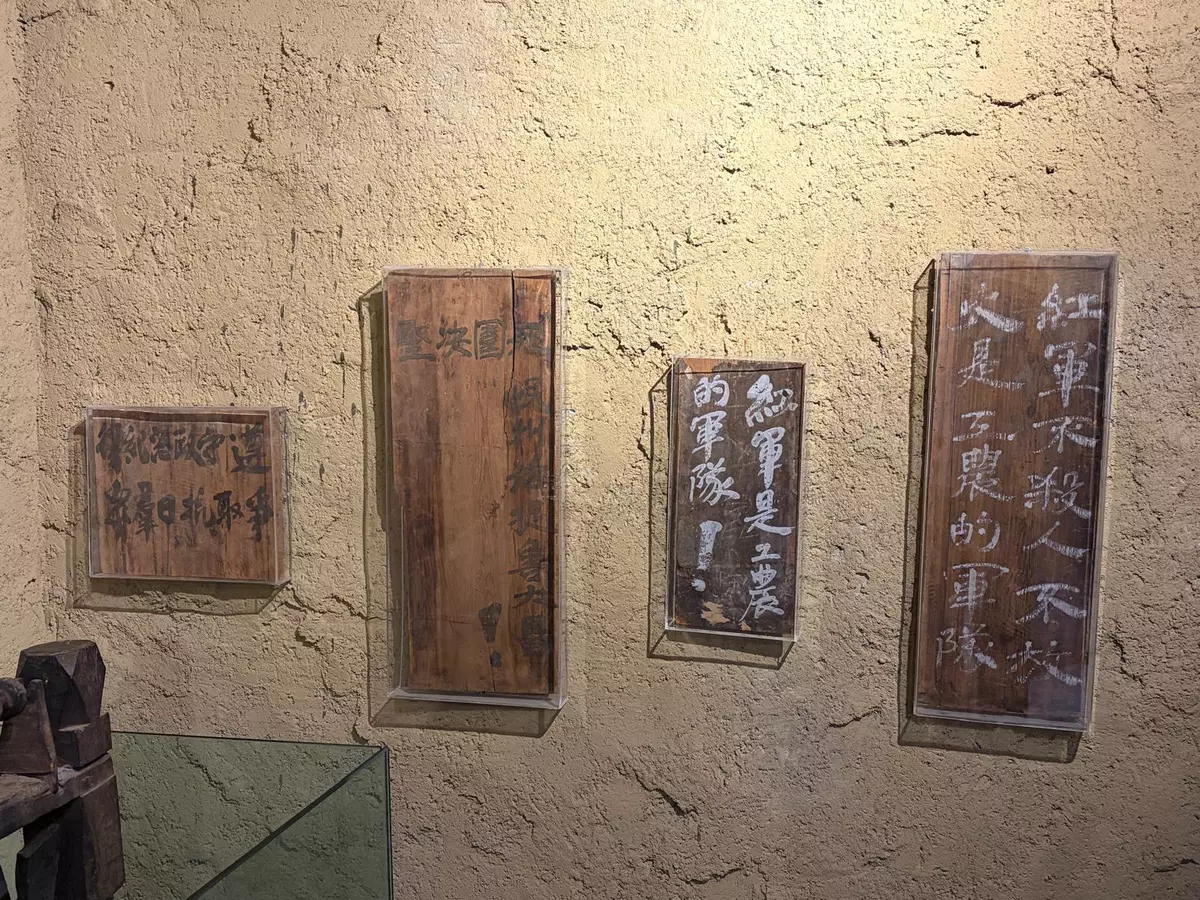
Exhibits at the Hadapu Long March Memorial Museum, Photo by Bastille Post
The memorial museum is located along National Highway 212, 35 kilometers south of the county town, 35 kilometers north of Min County, and 70 kilometers west of Lazikou Pass, Diebu County. It was officially opened in October 1985 and offers free admission. The museum houses 52 revolutionary cultural relics. Hadapu holds an extremely important position and role in the history of the Red Army’s Long March. The First, Second, and Fourth Front Armies of the Red Army arrived in Hadapu twice, in September 1935 and September 1936, respectively. It was here that the Central Committee of the Chinese Communist Party and Mao Zedong, former leader of the Chinese Communist Party, made the major strategic decision to set the landing point of the Long March in northern Shaanxi, the decision-making location that determined the fate of the Red Army’s Long March.
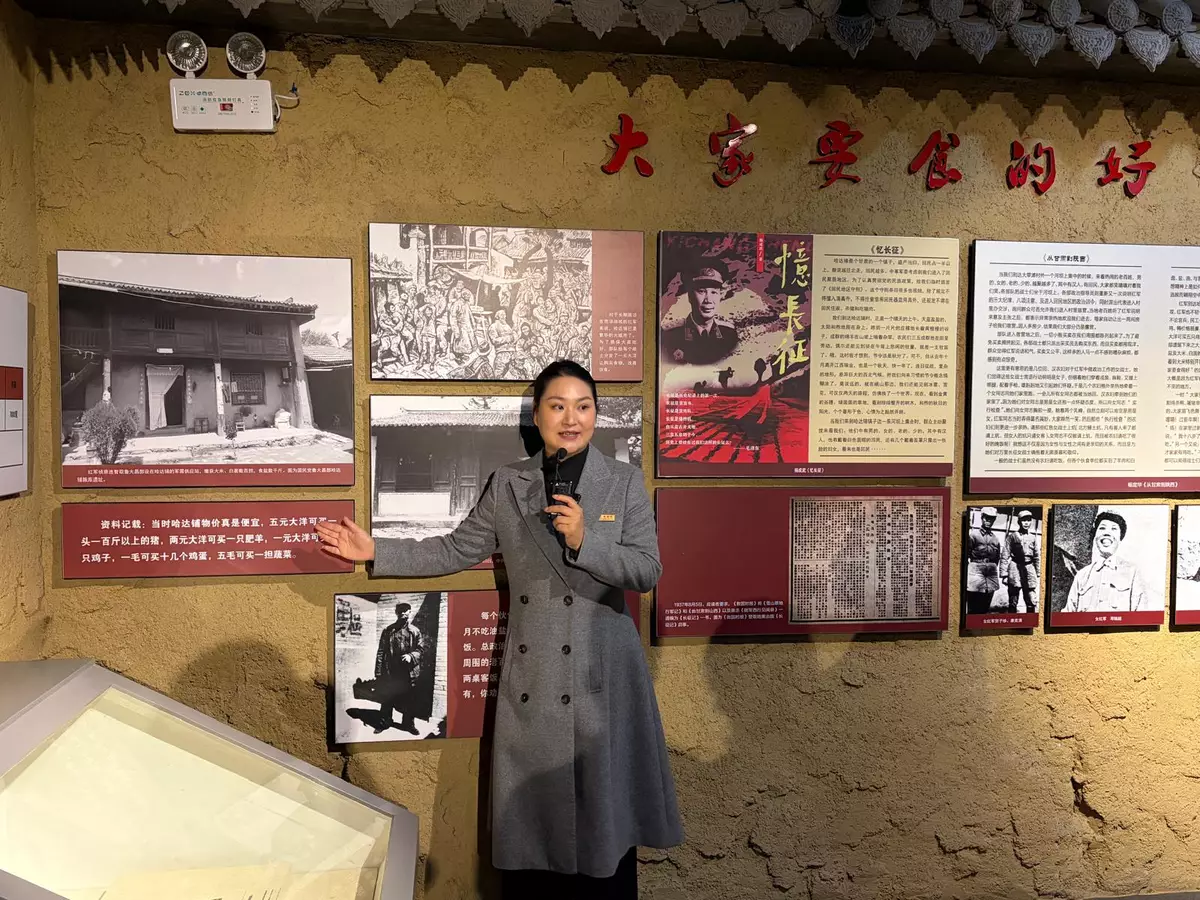
Zhang Jinqin, a docent at the Hadapu Long March Memorial Museum, Photo by Bastille Post
Zhang Jinqin, a docent at the Hadapu Long March Memorial Museum, said that before the Central Committee of the Chinese Communist Party reached Hadapu, the destination of the Long March was unclear, in a state that was “both clear and vague.” Mao Zedong was overjoyed only when the Tianjin edition of Ta Kung Pao was discovered at the Hadapu Postal Agency, carrying reports on the shift in the military situation in northern Shaanxi and information related to Liu Zhidan and Xu Haidong. Finally, on the morning of September 22, 1935, the Central Committee of the Chinese Communist Party and Mao Zedong convened a central leadership meeting. After deliberation, they decided to set the landing point of the Red Army’s Long March in northern Shaanxi. They formulated the strategic guideline of “making a feint to the east while attacking in the west, crossing the Wei River northward, and mounting a feigned attack on Tianshui.” Historians have summarized this as “one newspaper set the direction.” Hadapu is the place where “marching to northern Shaanxi” was formally decided, a decision that could be said to have changed the fate of the Communist Party of China.
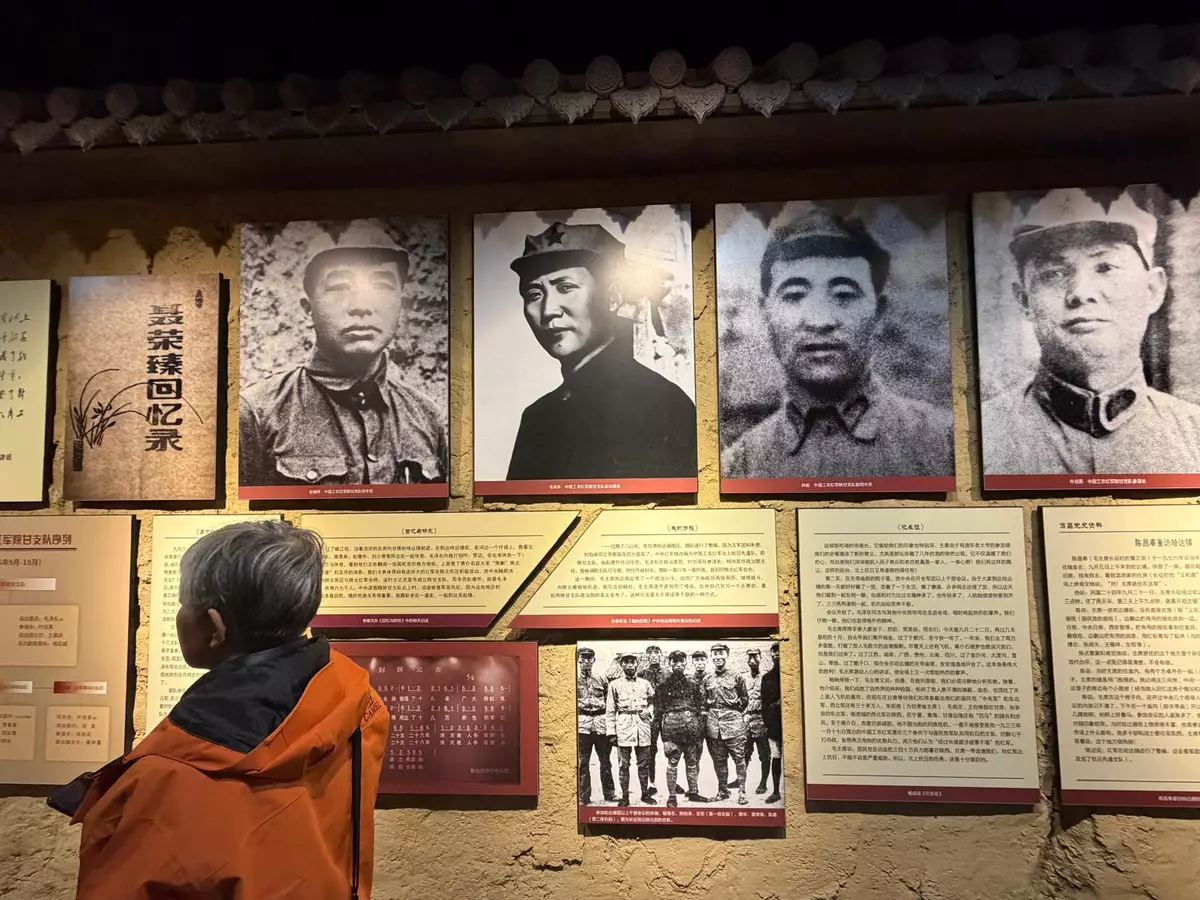
Exhibits at the Hadapu Long March Memorial Museum, Photo by Bastille Post
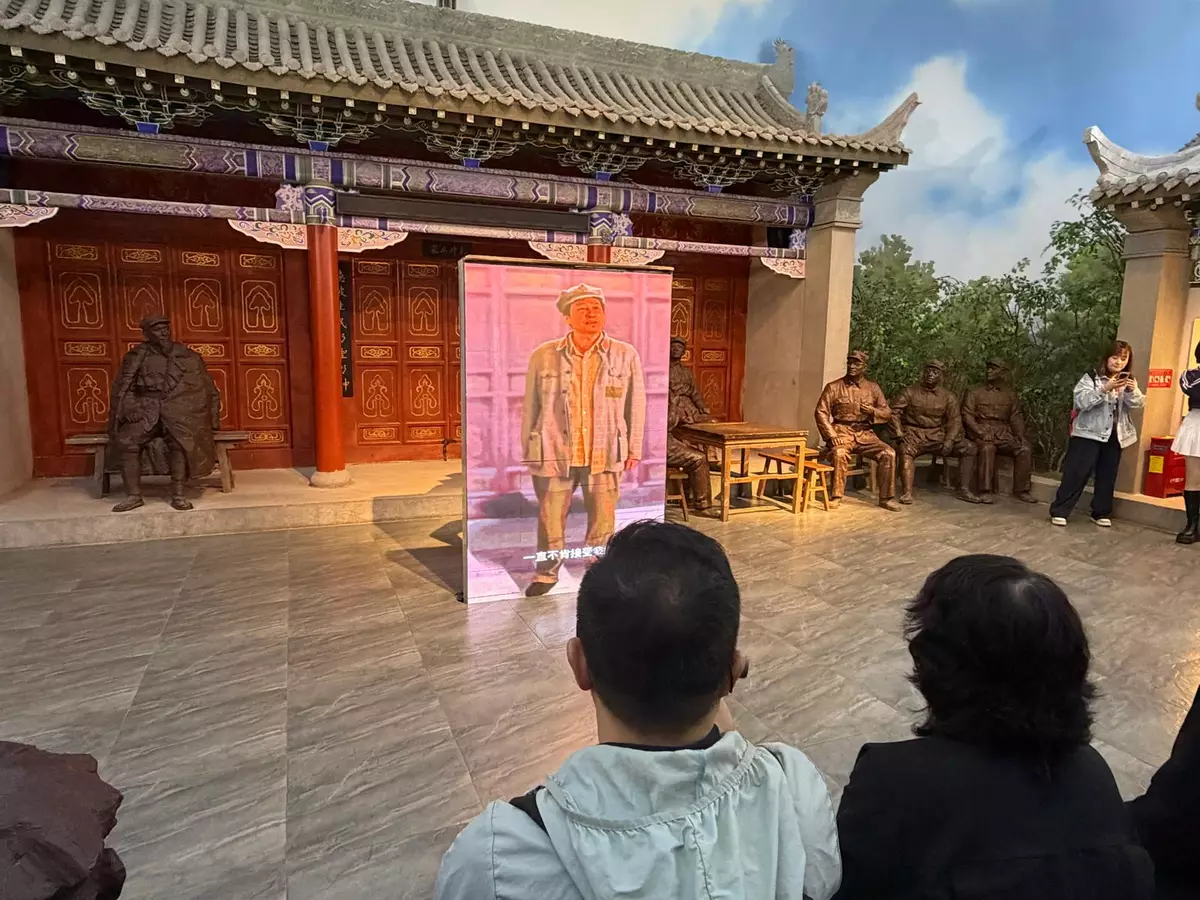
Exhibits at the Hadapu Long March Memorial Museum, Photo by Bastille Post
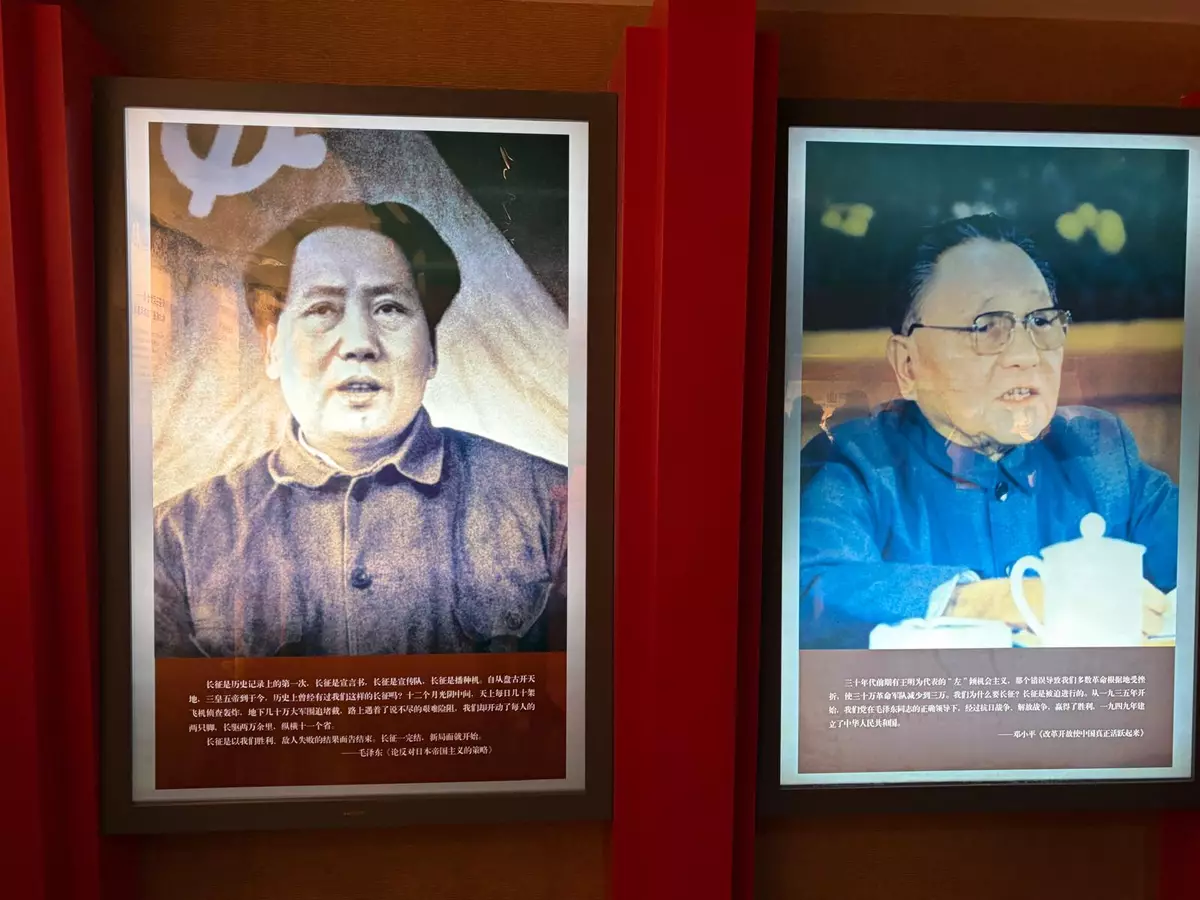
The photo of Mao Zedong, Photo by Bastille Post
Zhang Jinqin pointed out that the Hadapu Long March Memorial Museum now receives 500,000 visitors annually, including study tour groups as well as Party members and cadres from Party organs. She said that what left the deepest impression on her were student groups from Sichuan, Shaanxi and Qingdao, with single visits hosting as many as 1,000 to 2,000 teenagers. As for visiting groups from Hong Kong, she said the museum had received three Hong Kong groups this year. Among them, the most memorable was a visit by the Hong Kong headquarters of Ta Kung Pao, forming a historical echo with the newspaper that helped establish the direction of “marching to northern Shaanxi” back then. She described the museum as a veritable “refuelling station,” with the goal of enabling visitors to take away the “spiritual nourishment” that Mao Zedong spoke of: not only physical refuelling, but also, more importantly, refuelling for the mind.
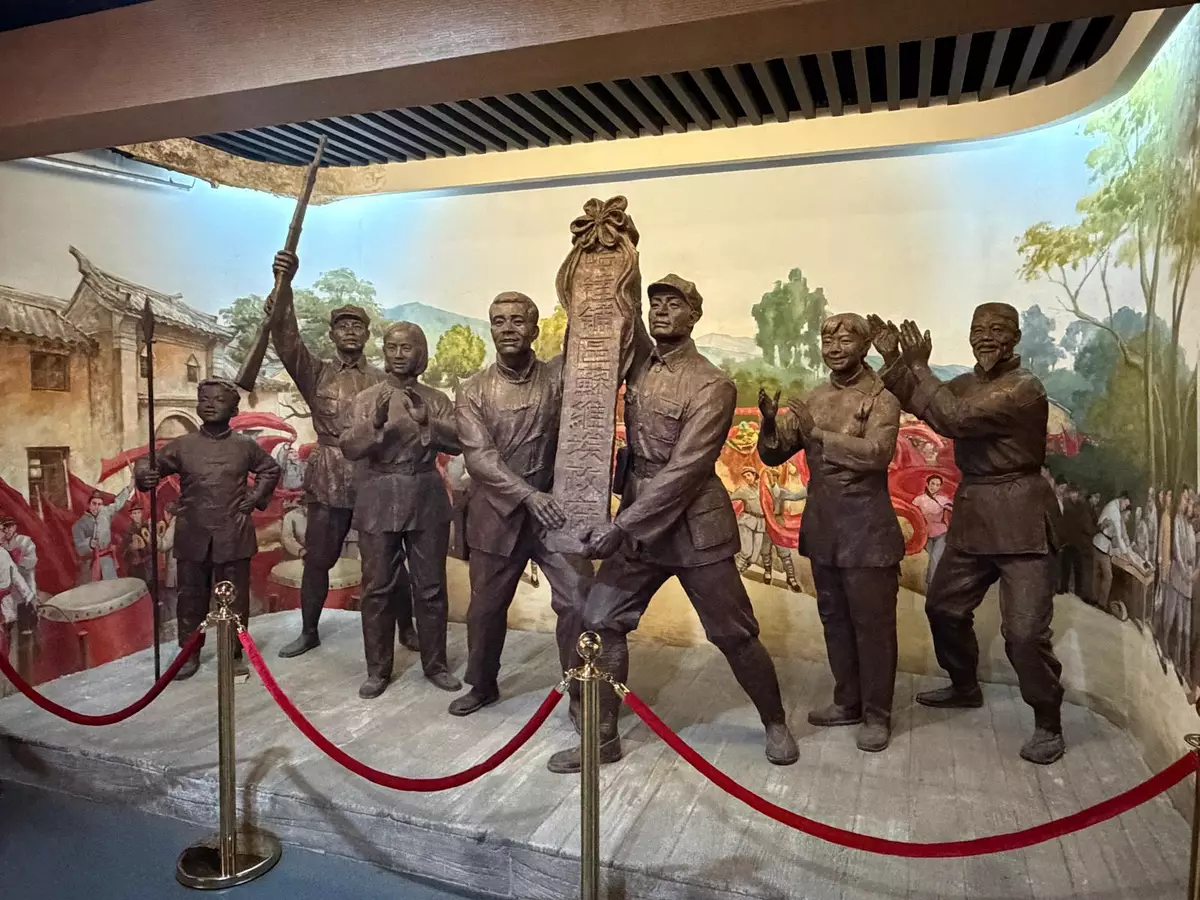
Exhibits at the Hadapu Long March Memorial Museum, Photo by Bastille Post
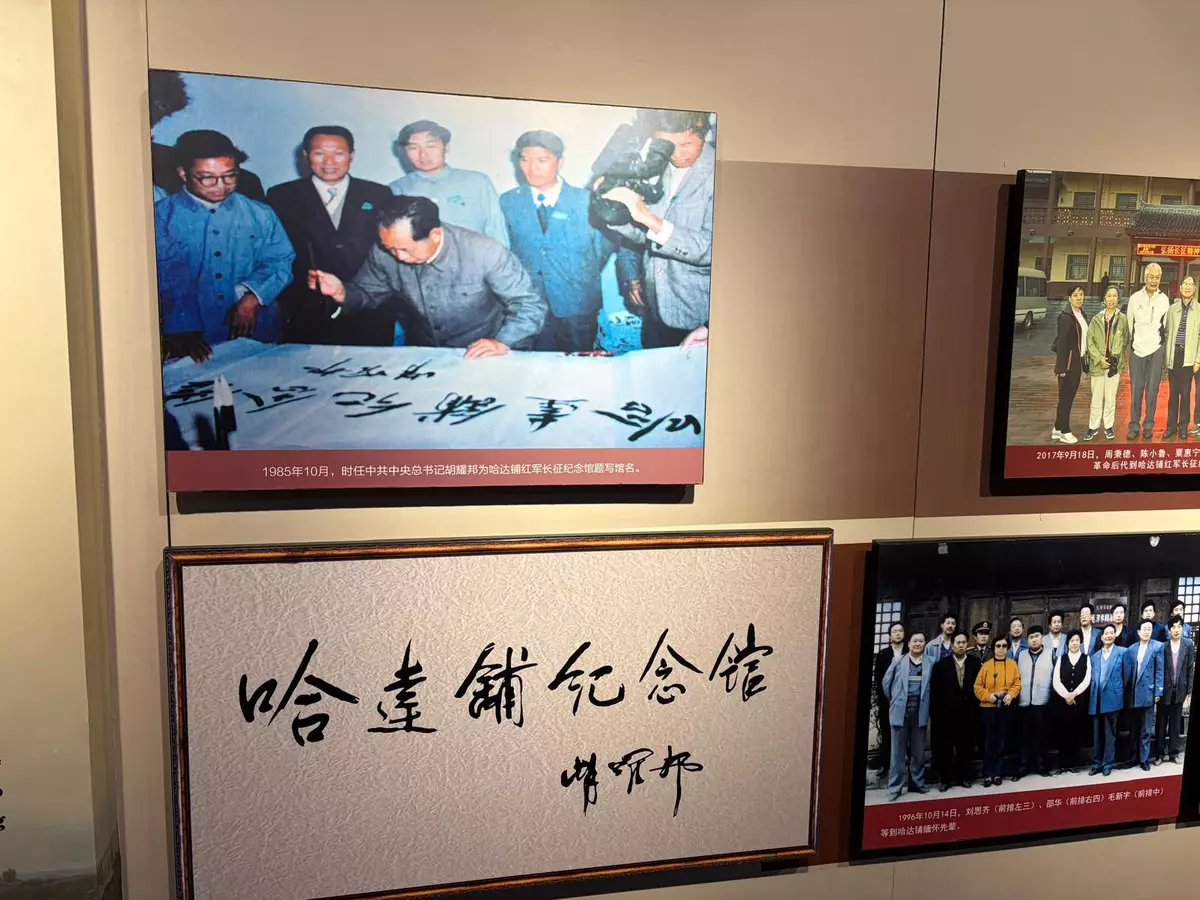
Exhibits at the Hadapu Long March Memorial Museum, Photo by Bastille Post
Afterwards, the interview team visited Hadapu Red Army Street. The street spans about 1,200 metres and is made up of 382 shops. It is the longest street the Red Army walked during the Long March and the most intact in preserving its original appearance. Seven revolutionary sites remain, including the former site of the “Yihechang” pharmacy, which served as Mao Zedong’s residence; the former site of the General Headquarters of the Second Front Armies of the Red Army; the postal agency; and the site of Tongshanshe. Among them, the Tongshanshe site was the residence of Zhou Enlai, Former Premier of the State Council. Zhang Jinqin recounted that Zhou Enlai took Chinese medicine at Tongshanshe to recuperate and was cured of a liver abscess there.
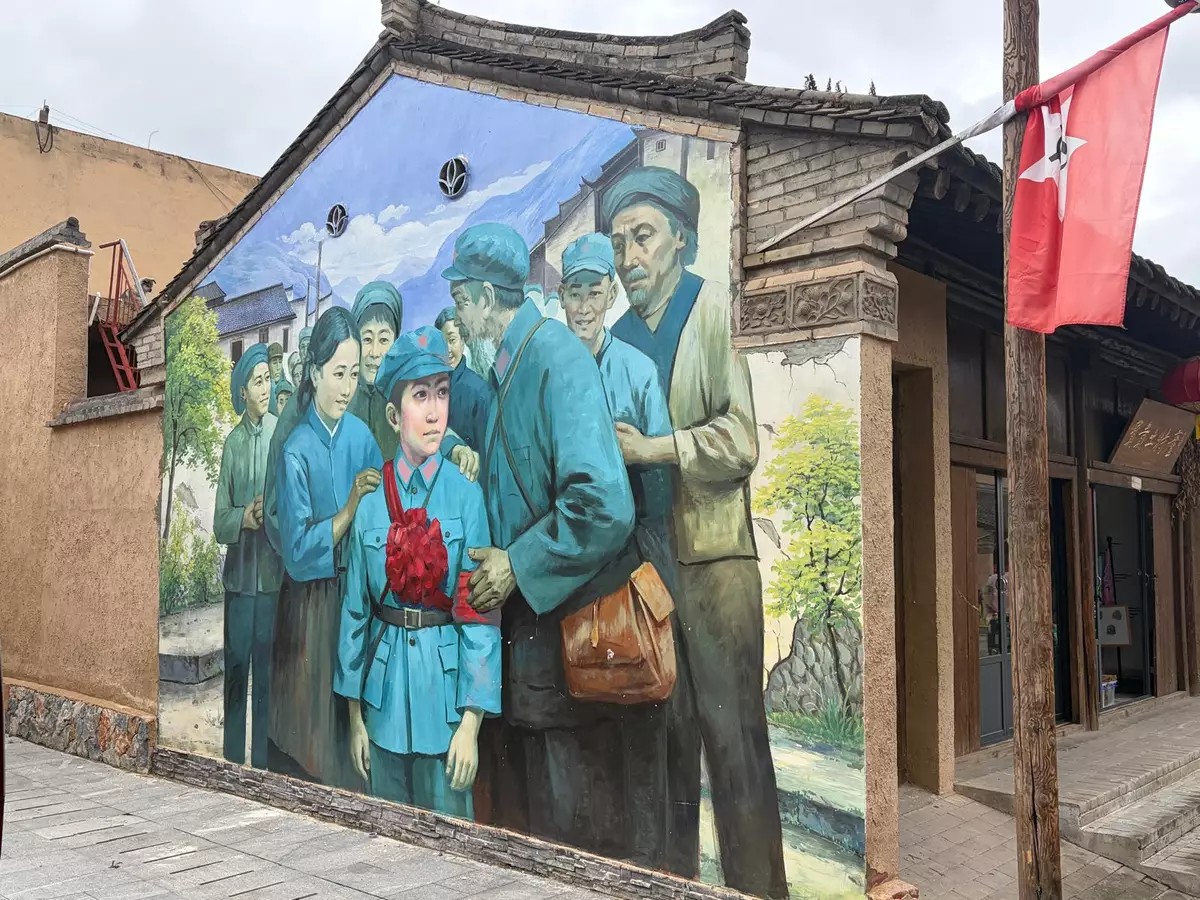
The Hadapu Red Army Street, Photo by Bastille Post
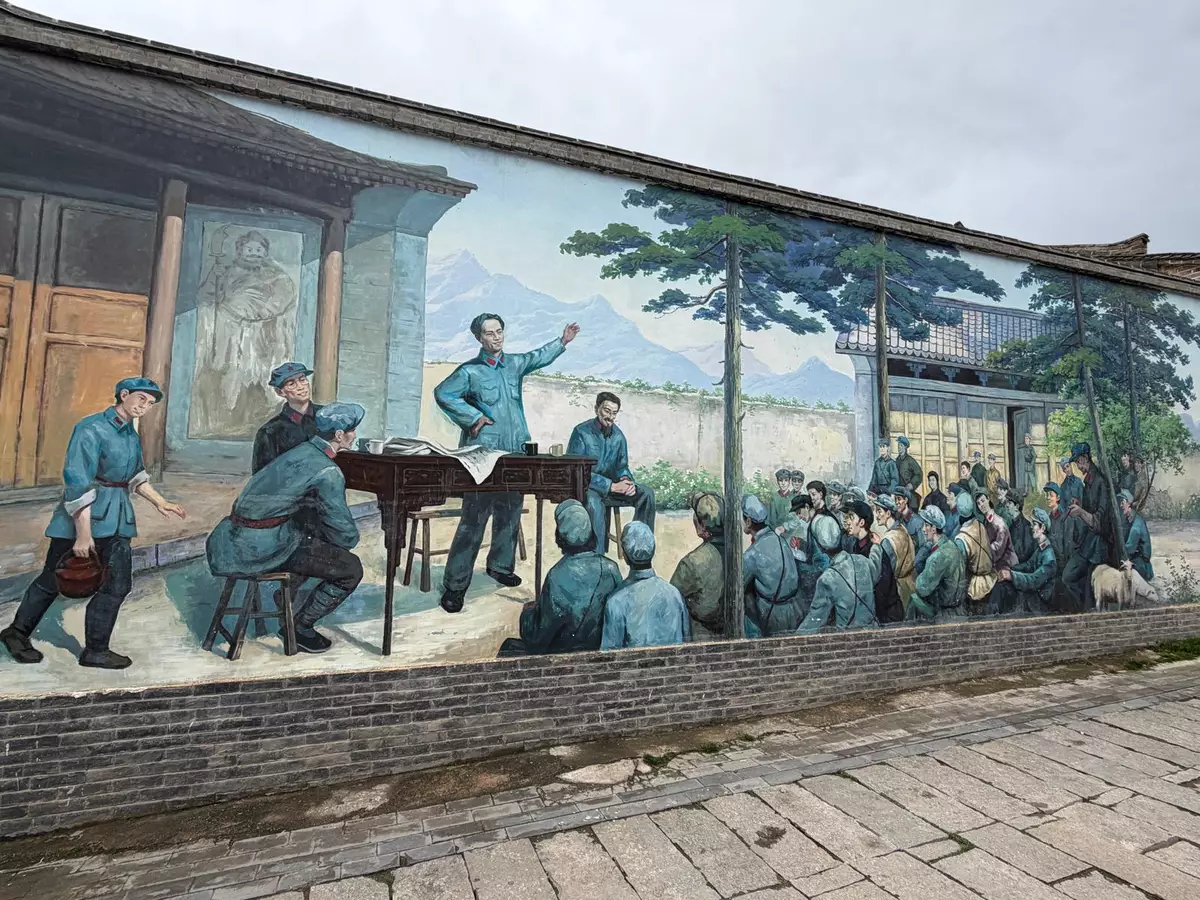
The Hadapu Red Army Street, Photo by Bastille Post
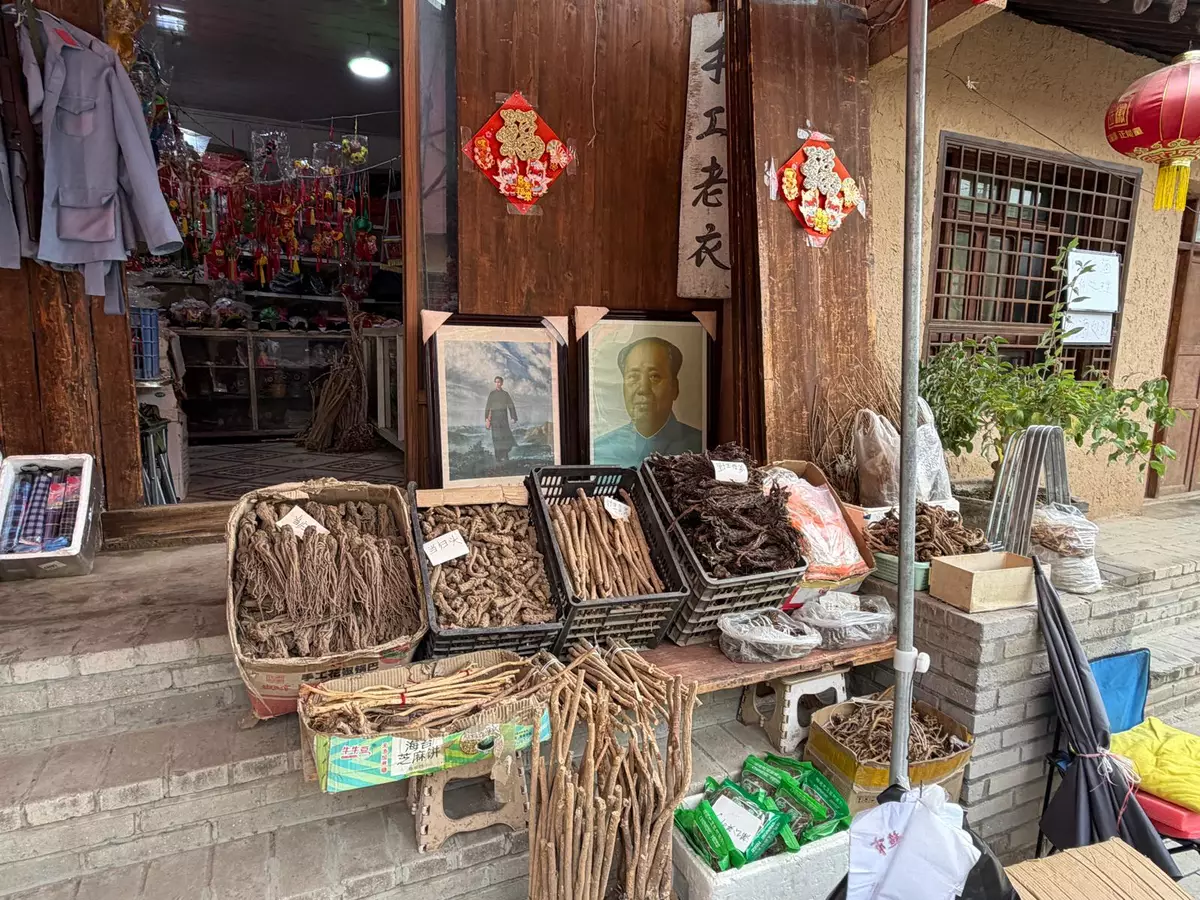
The shop along the Hadapu Red Army Street, Photo by Bastille Post
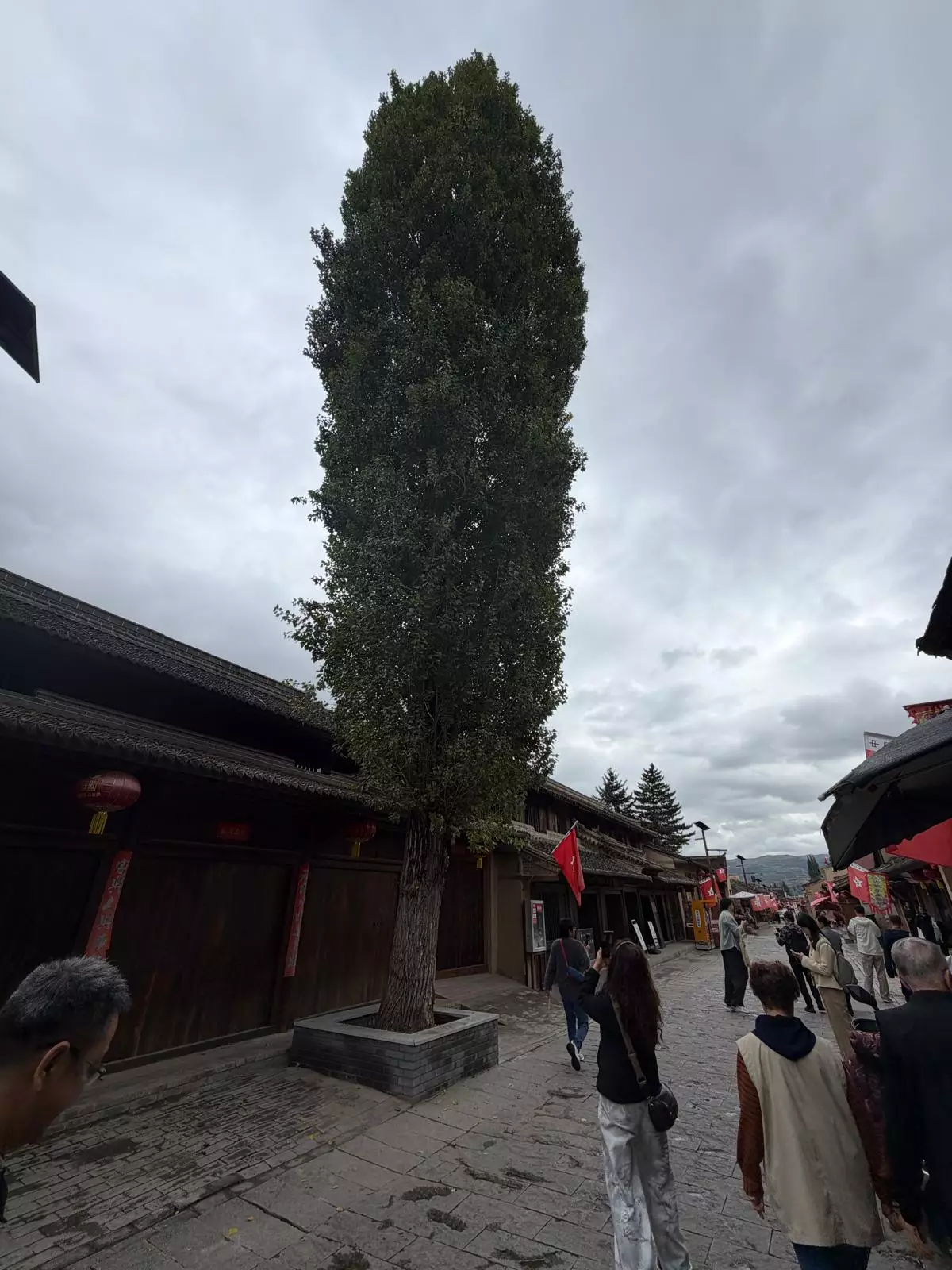
A large tree that has stood on the Hadapu Red Army Street since 1935, Photo by Bastille Post
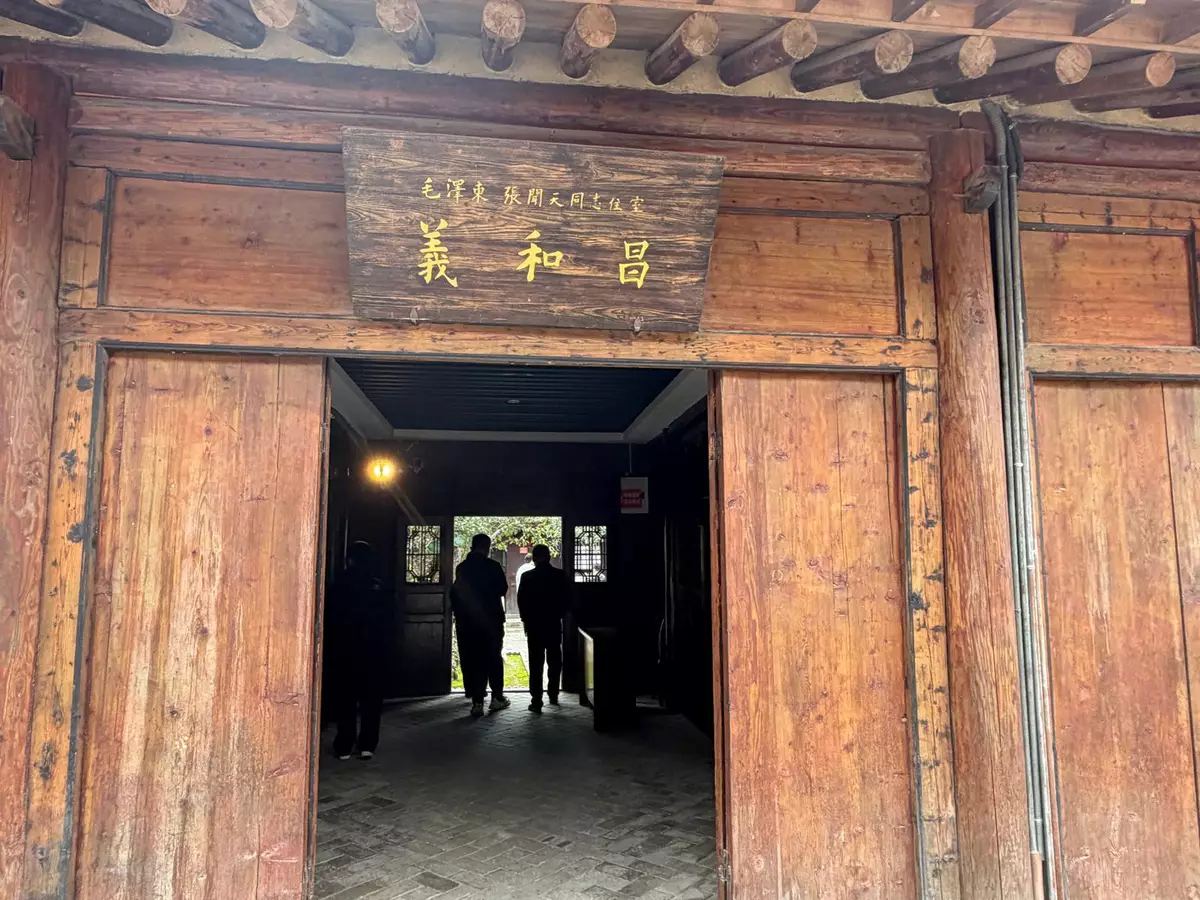
The former site of the “Yihechang” pharmacy, which served as Mao Zedong’s residence, Photo by Bastille Post
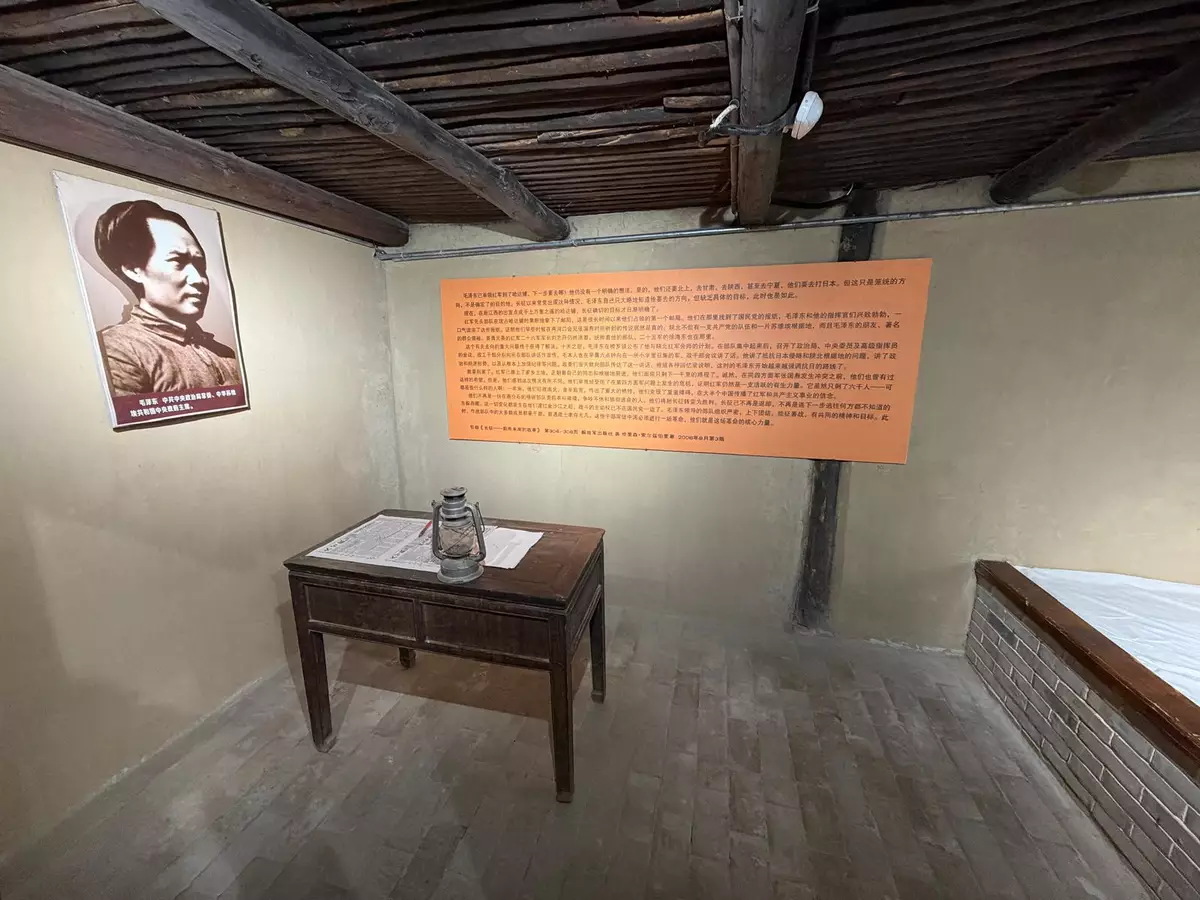
The former site of the “Yihechang” pharmacy, which served as Mao Zedong’s residence, Photo by Bastille Post
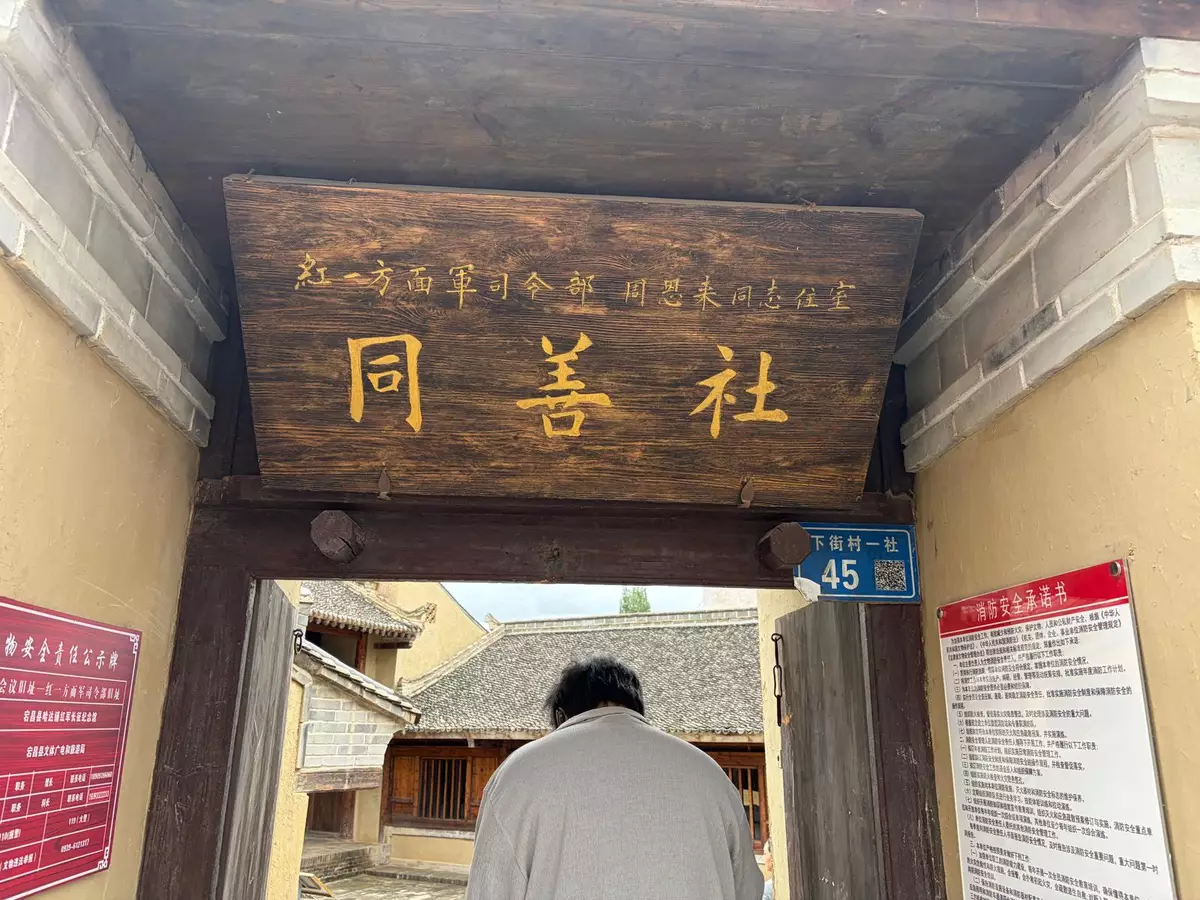
The site of Tongshanshe, Photo by Bastille Post
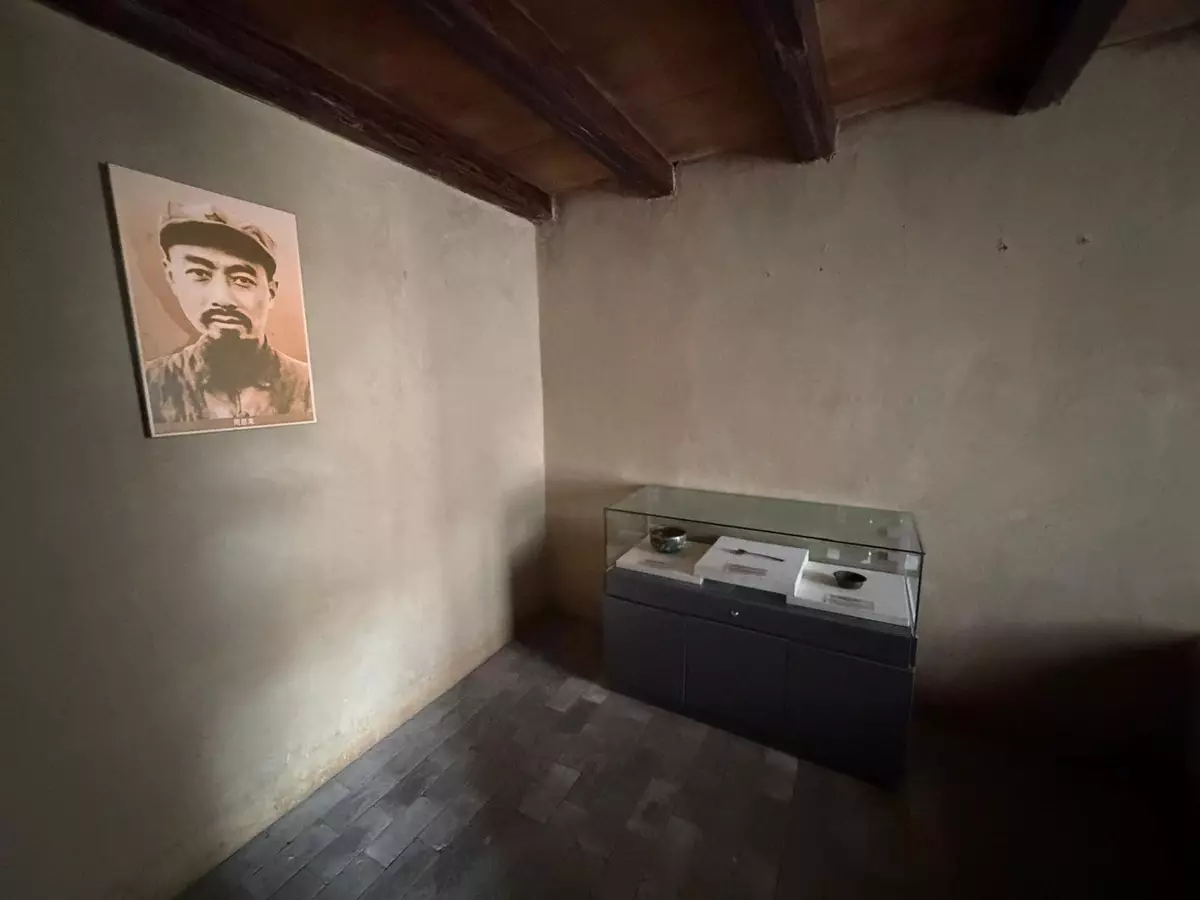
The site of Tongshanshe, Photo by Bastille Post
In the afternoon, the interview team visited the Laluliang 10,000-mu Chinese Herbal Medicine Planting Base in Dangchang County. Located in southern Gansu Province, in the northwest of Longnan City, Dangchang County lies at the junction of the Min Mountains on the edge of the Qinghai–Xizang Plateau and the extended Western Qinling Mountains. With an average of nearly 2,000 hours of sunshine per year and an average temperature of 9.3°C, it falls within a temperate continental climate zone. Dangchang County has a long history of cultivating Chinese herbal medicines. A general survey has identified 692 varieties of medicinal herbs, of which 142 are commercially purchased, and more than 10 are grown on a relatively large scale. With its diverse, widely distributed, and abundant medicinal herb resources, Dangchang County is known as the “Millennium Herb Town” and “Natural Herb Treasury,” and is one of the most suitable growing areas for authentic Chinese medicinal materials in Gansu Province. In 2025, Hadapu Angelica, Dangchang Codonopsis, Dangchang Astragalus and Dangchang Rhubarb were recognised by the National Intellectual Property Administration as “National Geographical Indication Protected Products.” The planting area of major medicinal materials such as Angelica, Codonopsis, Astragalus and Rhubarb has remained stable at 400,000 mu year-round, including 265,000 mu of green standardised planting bases and about 100,000 mu of seedling breeding bases. Output reaches 120,000 tonnes, with a comprehensive output value of RMB 5.5 billion. In the main production areas, medicinal herb income accounts for more than 60% of herb farmers’ income. The planting area accounts for 0.8%, 10.3% and 41% of the national, provincial and municipal totals, respectively.
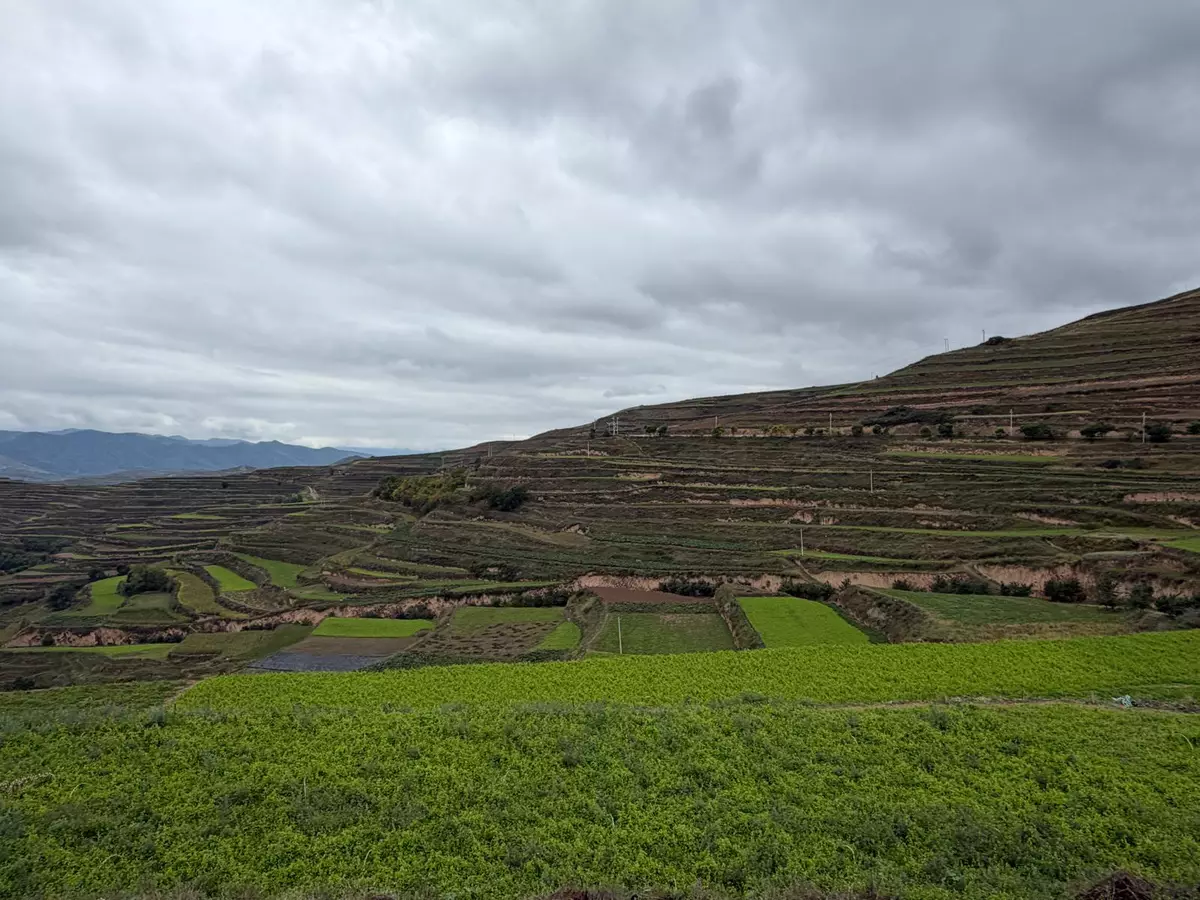
The Laluliang 10,000-mu Chinese Herbal Medicine Planting Base in Dangchang County, Photo by Bastille Post
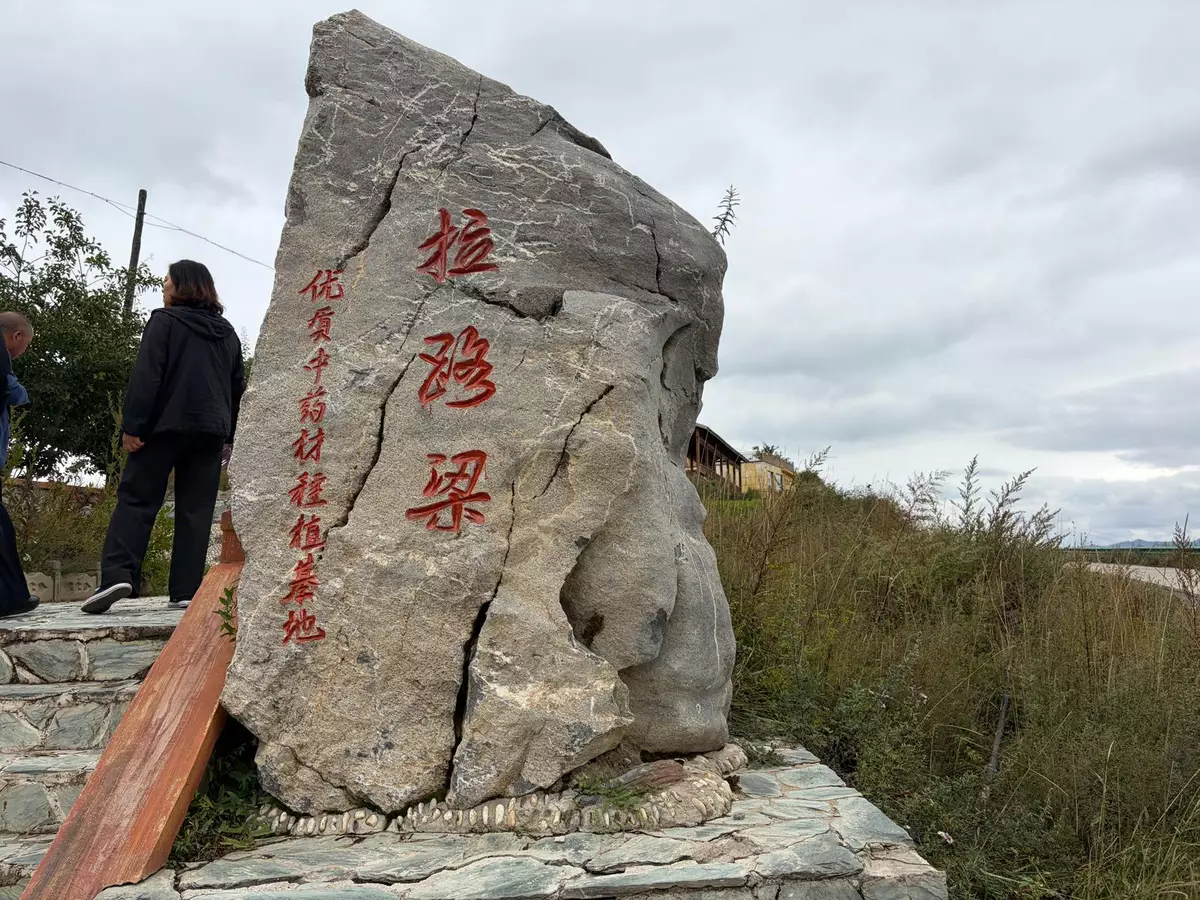
The Laluliang 10,000-mu Chinese Herbal Medicine Planting Base in Dangchang County, Photo by Bastille Post
Ma Jihua of Qiang’aling Ecological Agriculture (Nanjing) Co., Ltd. said the company’s export value last year was about RMB 600,000, covering Hong Kong and Macao, except for Guangdong. The company’s products focus on Astragalus, Angelica and Codonopsis. He noted that the company sees Hong Kong as a distribution hub—local buyers purchase in bulk and then distribute to Chinese medicine wellness shops and small clinics, which in turn channel the products to Macao and Southeast Asia. In addition, he observed strong demand for health-preserving soups among Hong Kong residents, and that strict pre-import inspection and testing requirements have helped high-quality producers build a protection of product differentiation.
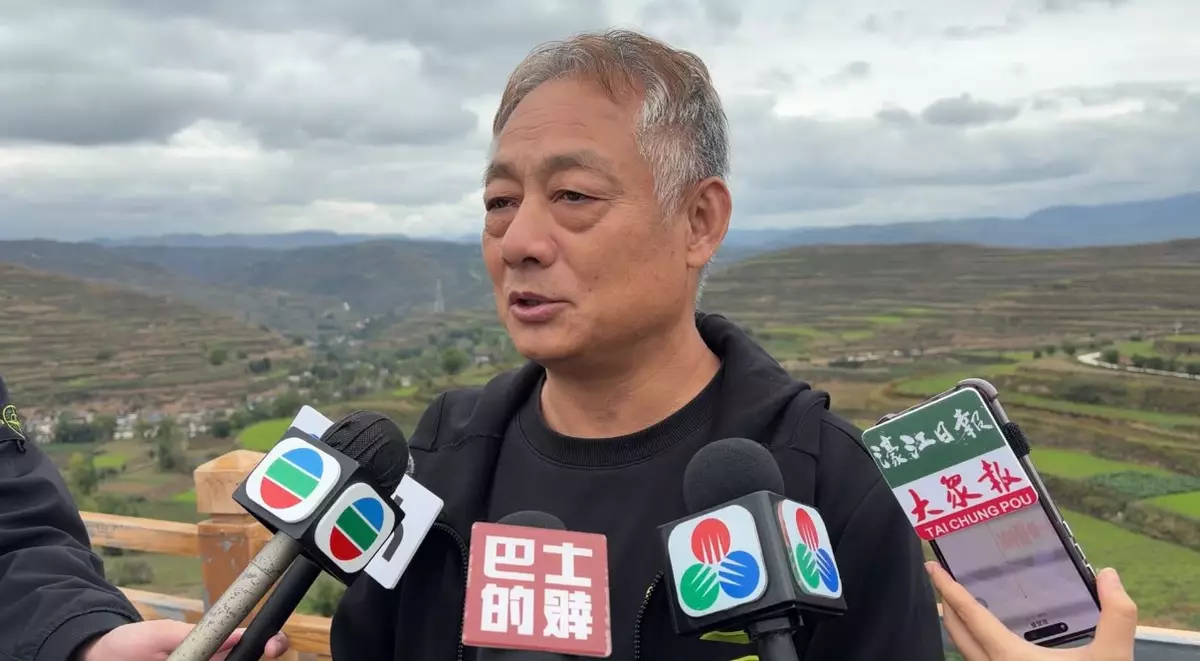
Ma Jihua of Qiang’aling Ecological Agriculture (Nanjing) Co., Ltd. Photo by Bastille Post
Asked about the advantages of Astragalus, Angelica and Codonopsis produced in Gansu, Ma Jihua cited the high altitude, large temperature difference between day and night, abundant sunshine, and the county’s location at the intersection of the Western Qinling Mountains and Min Mountains, which he considers a geographical landscape that cannot be replicated anywhere else in China. He said Gansu’s Astragalus, Angelica and Codonopsis are quality-assured, which stems from Gansu’s low-pollution environment, the use of fertilisers in compliance with national permits, and the local government’s strong attention to plant protection work.
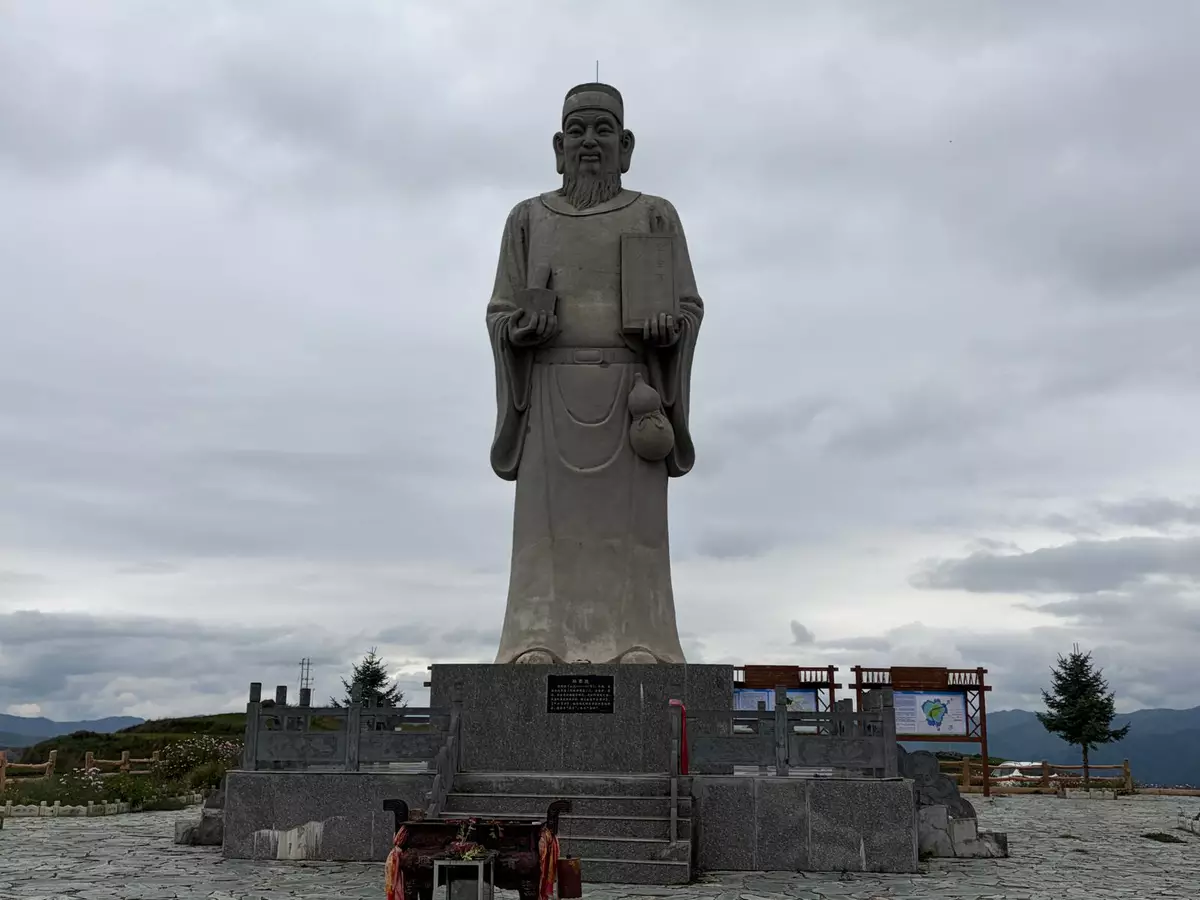
The Laluliang 10,000-mu Chinese Herbal Medicine Planting Base in Dangchang County, Photo by Bastille Post
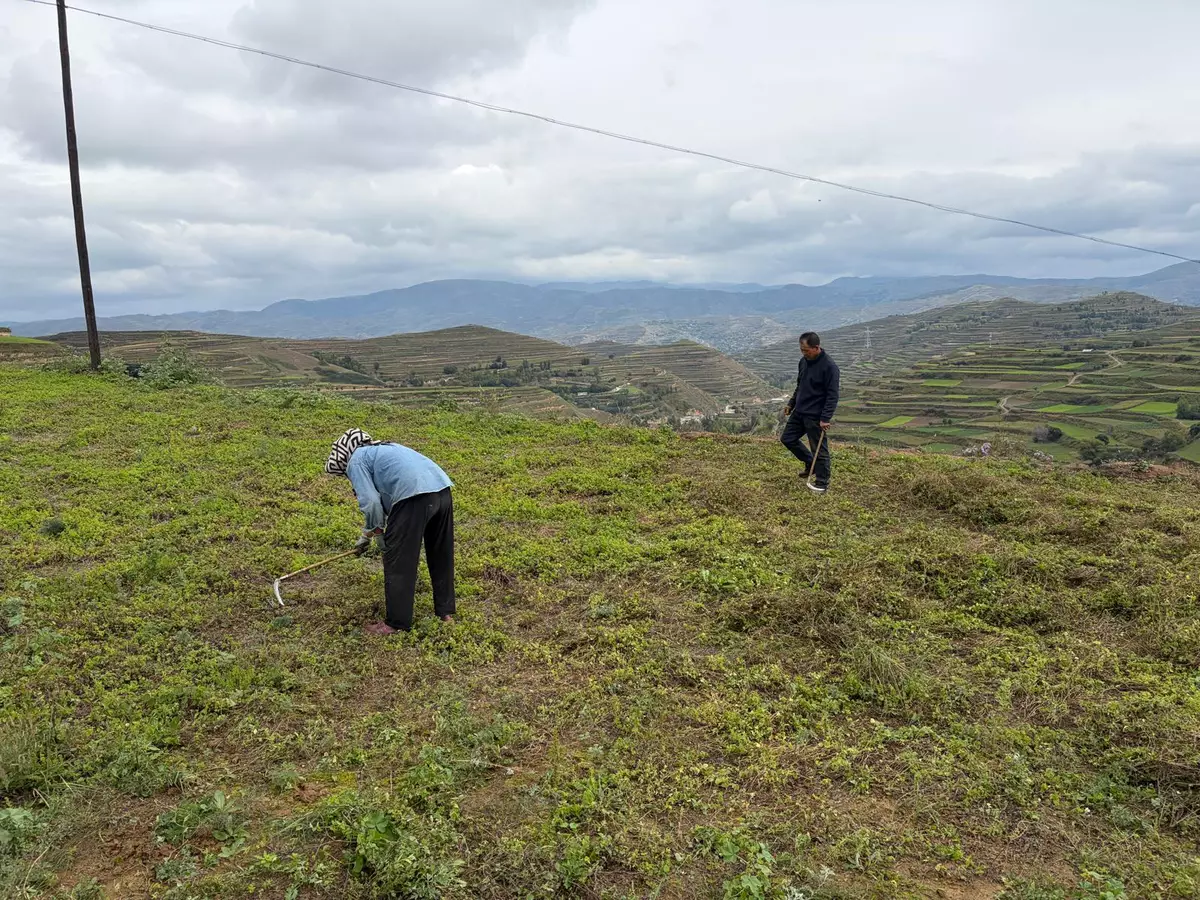
The Laluliang 10,000-mu Chinese Herbal Medicine Planting Base in Dangchang County, Photo by Bastille Post
Li Quanjun, head of Gansu Longyuan Herbal Biotechnology Enterprise, said that the enterprise started out in raw material slicing and decoction pieces, mainly supplying pharmaceutical factories; online sales are currently still dominated by Astragalus slices. However, he noted that pharmaceutical factories offer extremely low premium margins; compounded by the mountainous terrain, terraced farming requires significantly more labour input than large-field operations, driving up per-mu investment costs and squeezing the profit structure of the raw materials business. He said the enterprise will transition downstream to higher-value “new-style tea drinks / light wellness” categories to reshape product value.
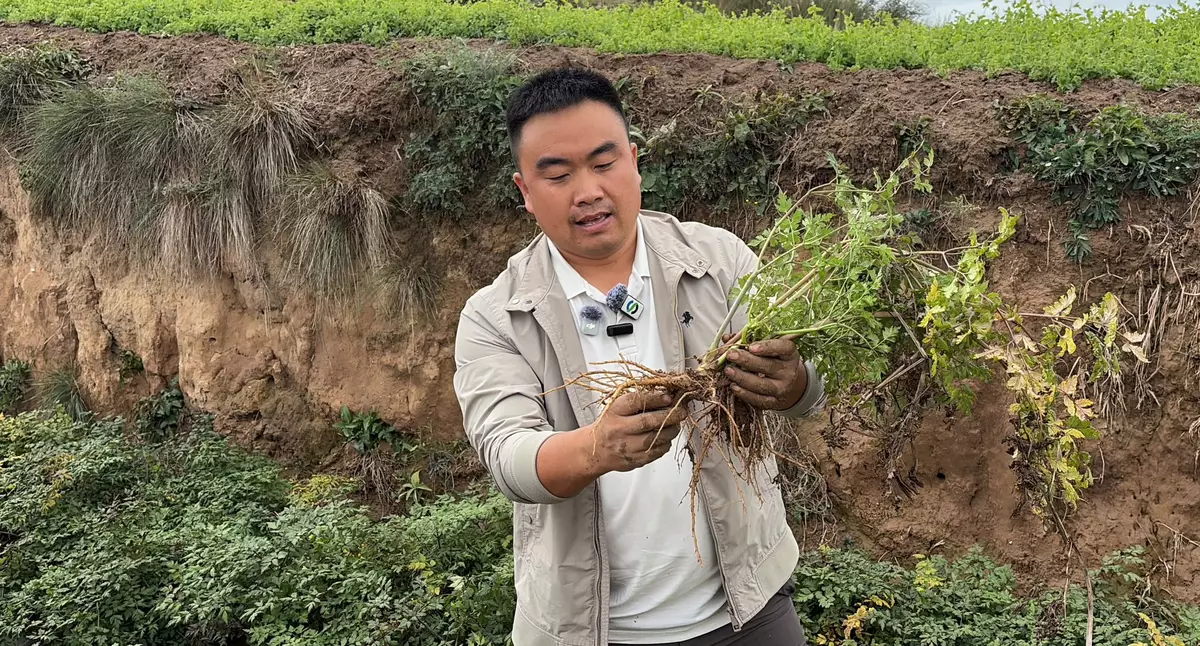
Li Quanjun displays freshly picked Angelica. Photo by Bastille Post
The new-style tea drinks will feature 12 wellness tea beverages based on Astragalus, Codonopsis and Angelica, while the light wellness soup packs will target the soup culture favoured in Guangzhou, Hong Kong and Macao, with 36 varieties of frozen or ready-to-cook soup packs under development. Li Quanjun noted that tea pack sales revenue is about RMB 5 million per year, but given that the company currently has no actual sales channels in Hong Kong and Macao, it will seek opportunities to study the local food culture and explore possibilities for subsequent collaborative development.