Skip to Content Facebook Feature Image

A (permanent) seat at the table of power: African leaders press UN for Security Council reform

News

A (permanent) seat at the table of power: African leaders press UN for Security Council reform
News

News

A (permanent) seat at the table of power: African leaders press UN for Security Council reform

2026-09-24 20:44 Last Updated At:20:50

They want to help make the decisions — not just watch them unfold.

As in years past, African leaders attending the U.N. General Assembly this year are demanding a reform of the powerful Security Council that would include permanent seats for countries from the continent in the global body's highest decision-making structure.

Many African heads of state who addressed the meeting since it began on Tuesday have decried the continent’s lack of permanent representation in the Security Council as it navigates global security issues that directly and indirectly affect their populations and governments.

These include the war between Russia and Ukraine, the ongoing Israel-Hamas conflict and, more recently, the U.S. war with Iran — issues that all loom large at this year's General Assembly.

The 15-member Security Council has five permanent members — the United States, Russia, France, the United Kingdom and China — that hold veto power. Other nations, which do not, are elected by the General Assembly rotate in and out every two years on a staggered basis. Africa holds three of those nonpermanent seats.

While the calls for Africa to be represented permanently on the Security Council have often been debated by the General Assembly, many said the global conflicts currently faced by the organization made it more urgent for the body to be more inclusive.

According to most African leaders, the unfair representation in the Security Council has created doubt about the credibility of the organization and its oft-trumpeted commitment to multilateralism and equality among nations.

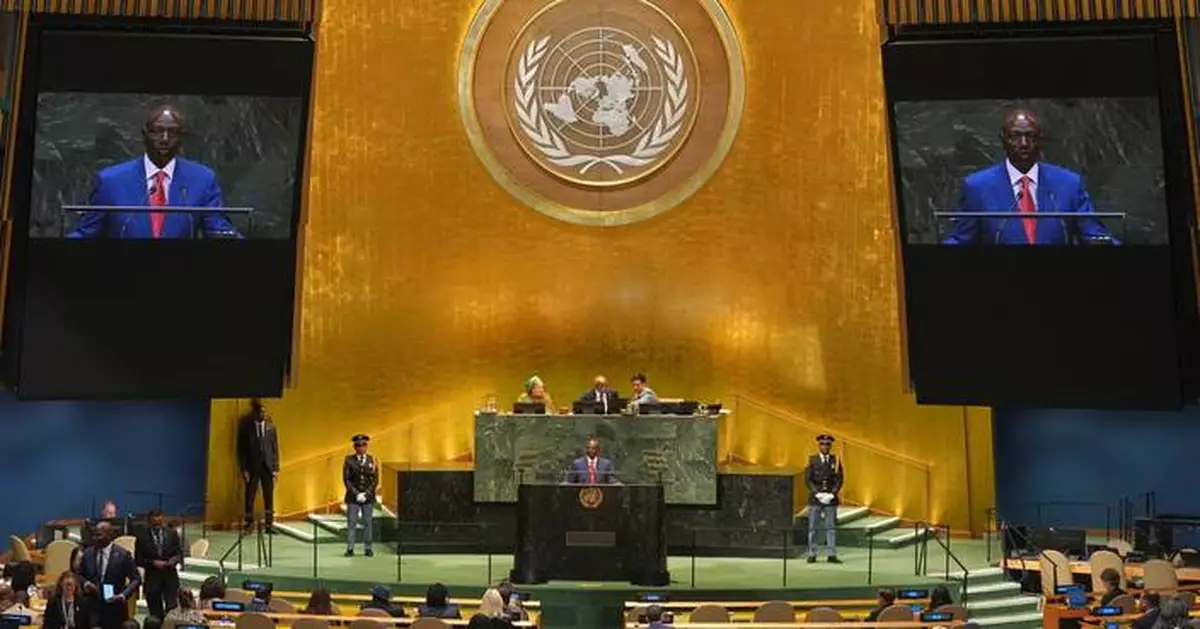
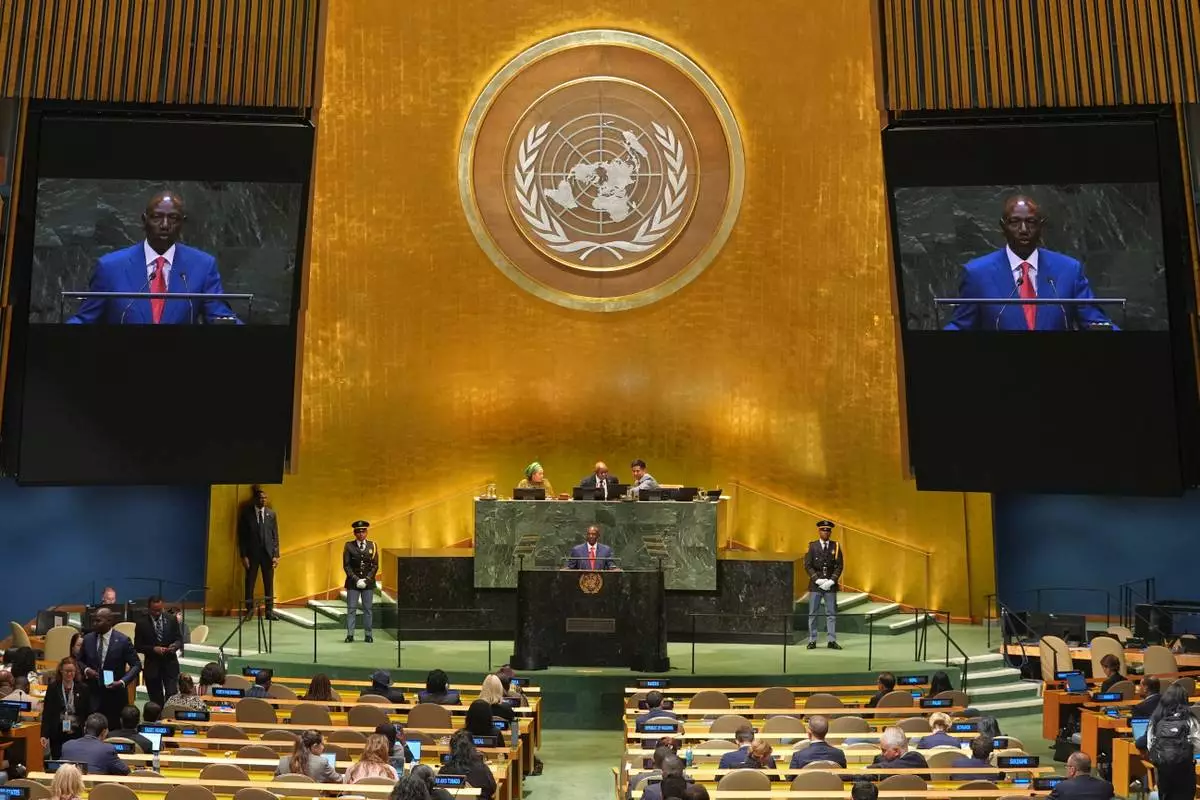
“Every nation is sovereign and equal under the (U.N.) charter. Yet, on the gravest question of war and peace, five nations possess a permanent power that the other 188 do not. The equality proclaimed in this assembly ends at the doors of the security council,” Kenyan President William Ruto told delegates on Wednesday.

They have also highlighted the large African population and the high number of African countries that are member states of the United Nations.

“How can a world led with a right conscience justify the denial of 1.6 billion Africans, the right to equal representation?” asked Ethiopia’s president, Taye Atske Selassie.

In 2024, the United States said it would support the addition of two new permanent seats for African countries on the council. That, however, was under the administration of former President Joe Biden.

As the world's leaders grapple with the future of artificial intelligence at the meeting, many in Africa also insisted that the decision-making about its rapid growth and development should include the developing nations as they were likely to feel its impact reverberate across the continent.

This came a day after U.N. Secretary-General António Guterres urged global competitors in artificial intelligence to cooperate in addressing threats from the technology. And on the same day, the Security Council held a special meeting about AI that featured the industry's leaders calling for help in managing the technology.

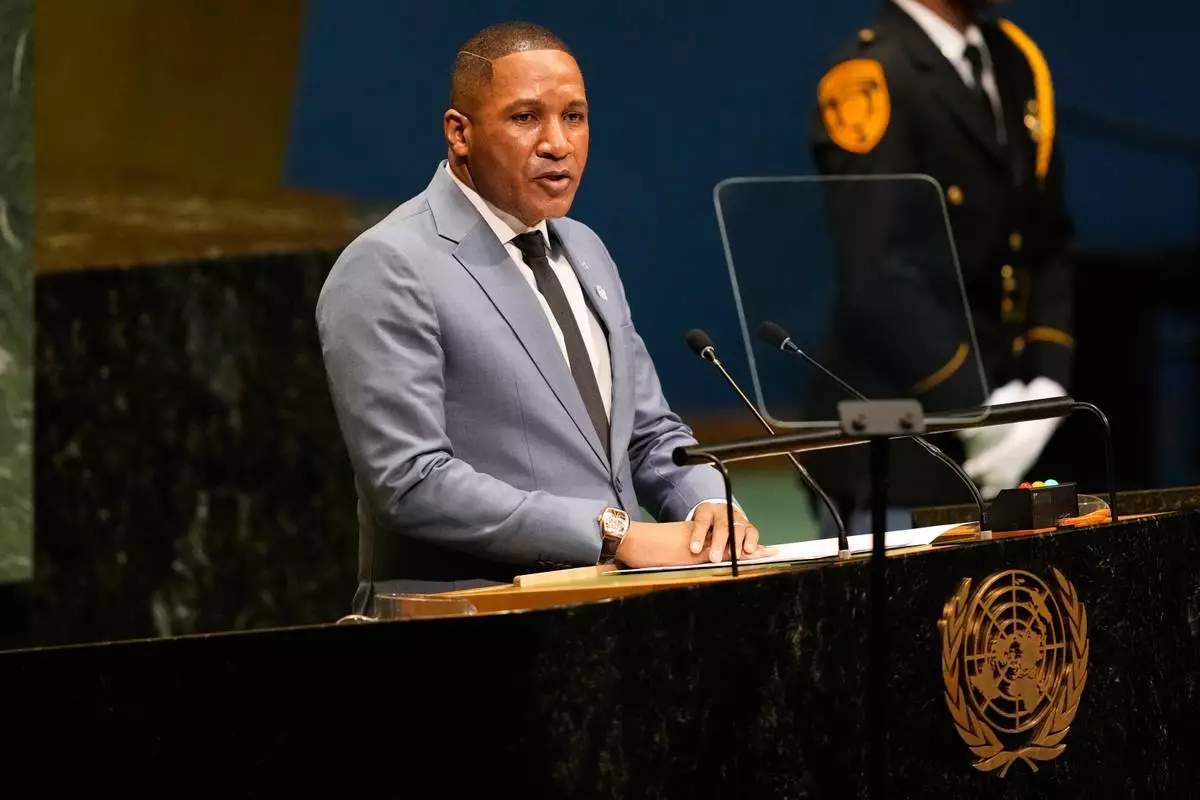
On Wednesday, Botswana President Duma Boko was among the leaders calling for African nations to be included in the discussions. He said this extended to critical minerals, rare earths, and energy resources that power the technological developments. Many of those come from developing countries.

“Therefore, developing countries must have a meaningful voice in setting the standards and safeguards that will govern these technologies, ensuring that they expand opportunities, support decent work, and strengthen public services, while protecting human dignity, rights, and security,” Boko told delegates.

Most leaders are sticking the initial demands contained in the African Union's position on the issue adopted in 2005, which includes a demand for at least two permanent seats on the Security Council.

Said Namibia President Netumbo Nandi-Ndaitwah: “The time has come for us to recognize that we have been negotiating for too long."
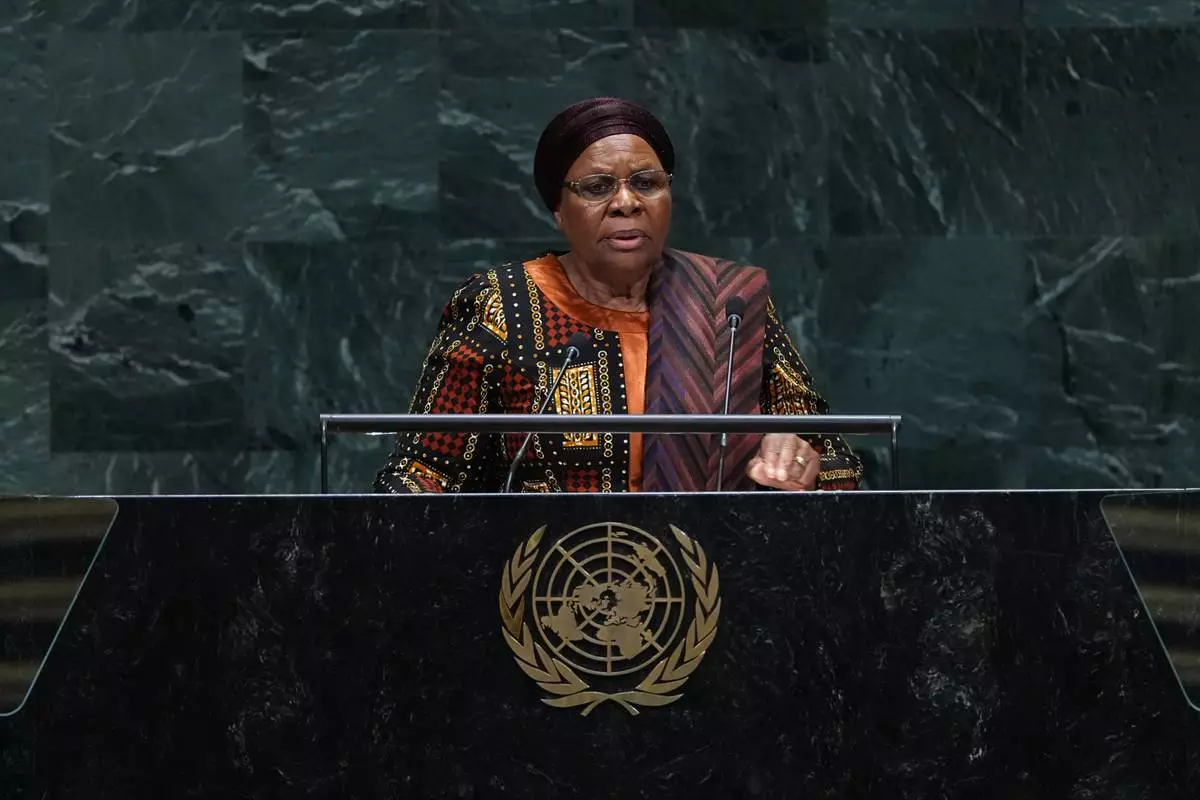
Namibia's President Netumbo Nandi-Ndaitwah addresses the 81st session of the United Nations General Assembly at U.N. headquarters Wednesday, Sept. 23, 2026. (AP Photo/Frank Franklin II)
Namibia's President Netumbo Nandi-Ndaitwah addresses the 81st session of the United Nations General Assembly at U.N. headquarters Wednesday, Sept. 23, 2026. (AP Photo/Frank Franklin II)

Botswana's President Duma Boko speaks during the 81st session of the United Nations General Assembly at United Nations headquarters, Wednesday, Sept. 23, 2026. (AP Photo/Seth Wenig)
Botswana's President Duma Boko speaks during the 81st session of the United Nations General Assembly at United Nations headquarters, Wednesday, Sept. 23, 2026. (AP Photo/Seth Wenig)

President of Kenya William Samoei Ruto, addresses the 81st session of the United Nations General Assembly at U.N. headquarters Wednesday, Sept. 23, 2026. (AP Photo/Frank Franklin II)

President of Kenya William Samoei Ruto, addresses the 81st session of the United Nations General Assembly at U.N. headquarters Wednesday, Sept. 23, 2026. (AP Photo/Frank Franklin II)
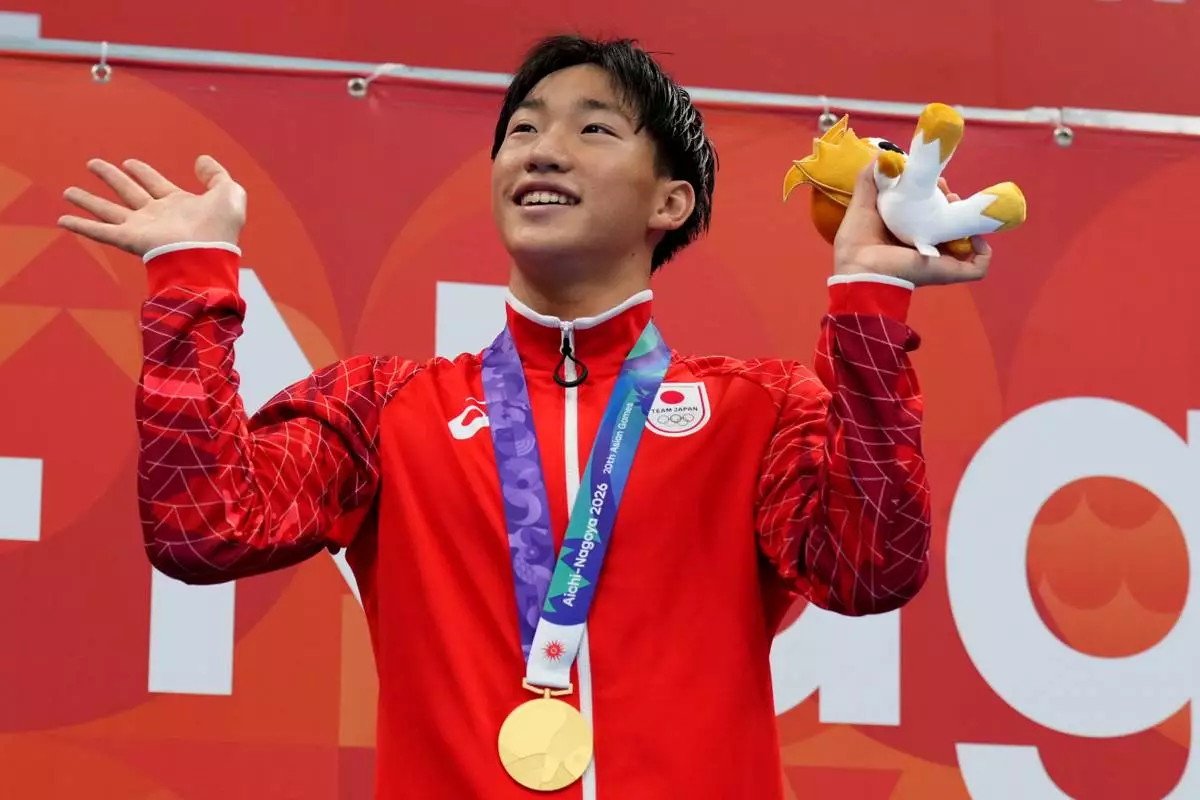
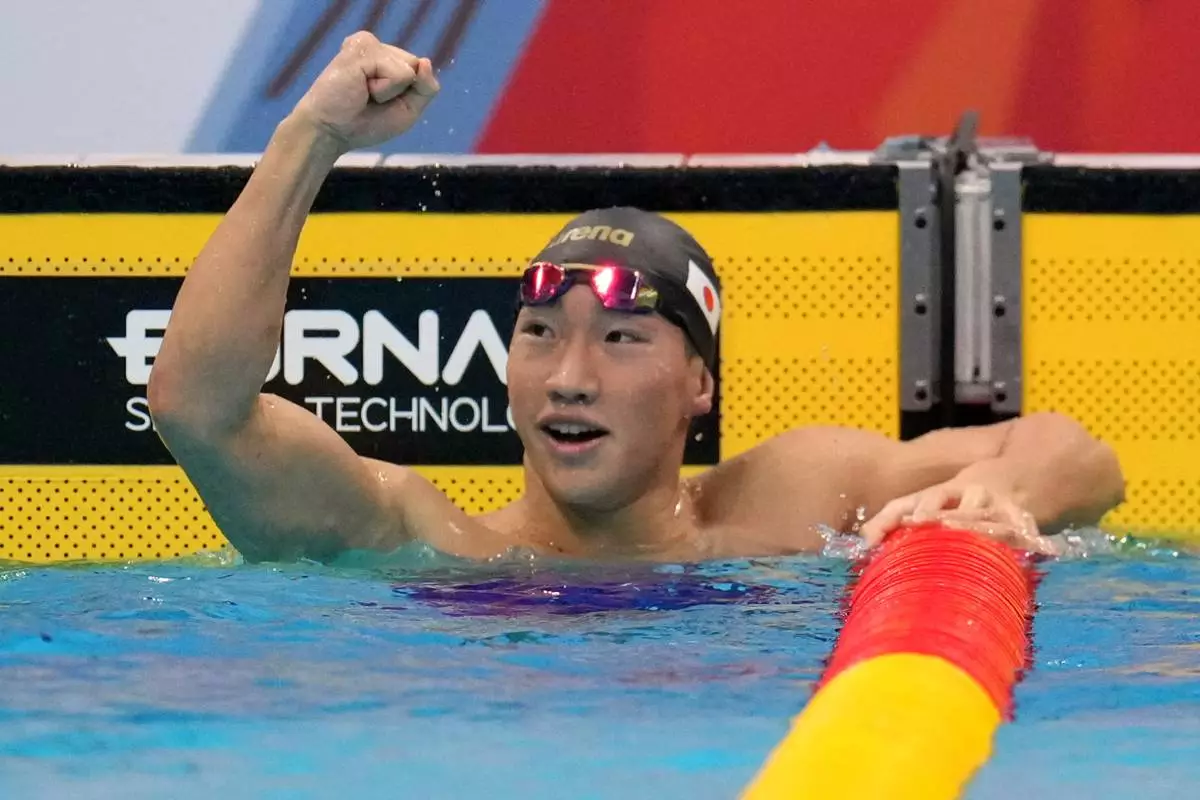
NAGOYA, Japan (AP) — Japanese teenager Shin Ohashi set a world record in the 200-meter breaststroke on Thursday at the Asian Games, swimming a time of 2 minutes, 4.83 seconds.

The old record was 2:05.48 set by Qin Haiyang of China at the 2023 swimming world championships in Fukuoka, Japan.

“I wasn’t expecting to post a time like that,” Ohashi said. “So I was really happy. At the same time, I felt a huge sense of relief.”

Denis Petrashov of Kyrgystan was second in 2:08.67 and Cho Sung-jae of South Korea took bronze in 2:08.76.

The 17-year-old Ohashi already had the fastest time of the year (2:06.59) and has been the breaststroker to beat this season.

“I may be the world-record holder now, but the level of competition around the world will keep rising,” Ohashi said. “I don’t want to be left behind. Instead, I want to be the one who sets the pace, so I’ll keep working hard in training.”

Ohashi’s record temporarily took the spotlight away from China and 13-year star Yu Zidi. Yu has won three gold medals in the 200 butterfly, and 200 and 400 IM during the Asian Games. She will not swim any other individual events.

Ohashi won the 400 individual medley earlier in the week in the Asian Games, clocking 4:07.02. That world mark is held by Leon Marchand of France (4:02.50), who won four gold medals in the 2024 Paris Olympics.

He said the most notable thing about his race on Thursday was that he did not fade in the last 50 meters.

“I think my biggest strength is my ability to keep my swimming compact and maintain a good tempo,” he said. “Ultimately, I think my biggest goal is to win an Olympic gold medal.”

Marchand has been among the presenters handing out medals on the pool deck during the games with swimming being held in the Olympic pool in Tokyo.

Ohashi is far from physically imposing. He is only 1.69 meters tall — just under 5-feet-7 — and broke Japan's national record earlier in the year in the 100-meter breaststroke.

That record had been held by Japan's Kosuke Kitajima, a four-time Olympic gold medalist and three-time world champions.

China, slightly in the shadows of Ohashi's world record, still won four gold medals in Thursday's seven events. Through five days in the pool — swimming ends Friday — China has won 25 gold medals in 34 events.

Chinese winners on Thursday included Wu Qingfeng in the women's 50 free (23.98); Zhang Zhanshuo in the men's 800 free (7:42.49); the men's 4x100 freestyle relay (3:10.60); the women's 4x200 free relay (7:49.37).

In addition to Ohashi, Japan also picked up gold from Kotomi Kato (2:22,57) in the women's 200 breaststroke.

The other gold on Thursday went to Mikhail Arkhangelskiy of Bahrain (22.91) in the men's 50-butterfly. Arkhangelskiy was born in Russia and has swum for Florida State University.

See full AP coverage of Asian sports here

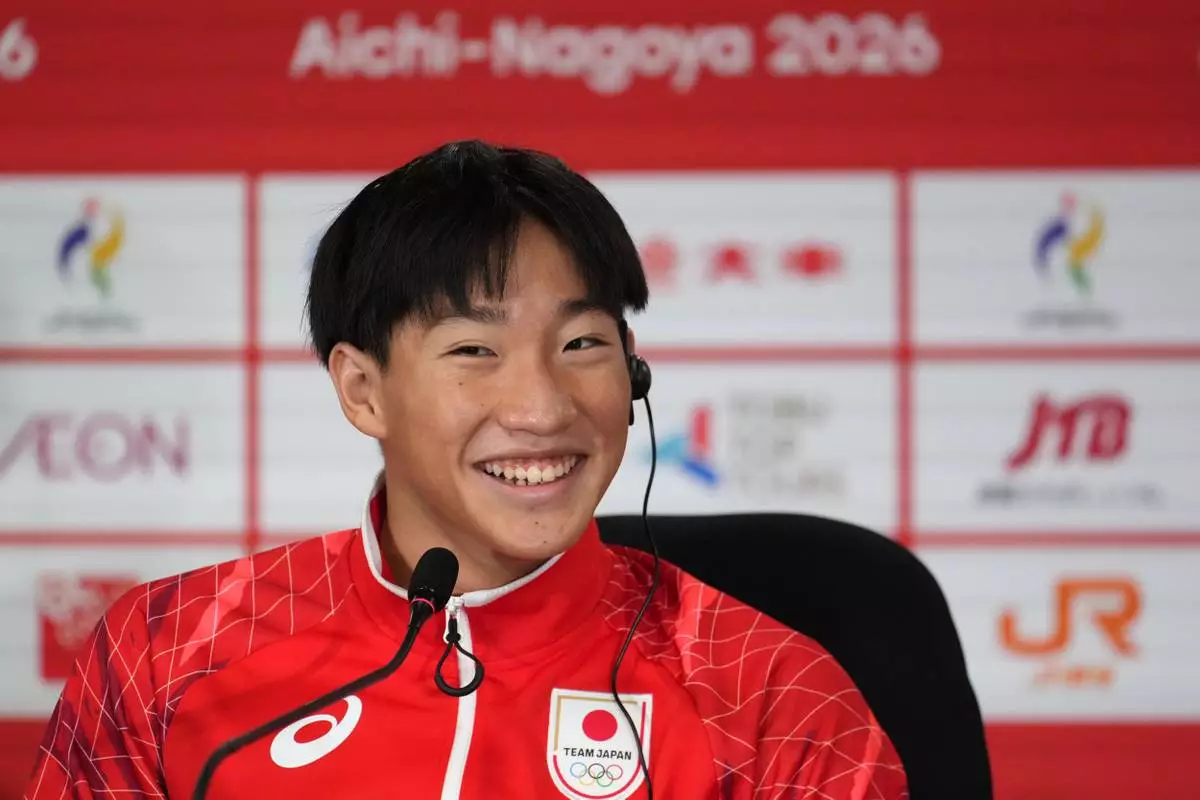
Shin Ohashi of Japan speaks during a press conference as he set a world record in the men's 200-meter breaststroke in swimming at the Asian Games in Tokyo, Japan, Thursday, Sept. 24, 2026. (AP Photo/Hiro Komae)

Shin Ohashi of Japan speaks during a press conference as he set a world record in the men's 200-meter breaststroke in swimming at the Asian Games in Tokyo, Japan, Thursday, Sept. 24, 2026. (AP Photo/Hiro Komae)

Gold medalist Shin Ohashi of Japan poses on the podium after the men's 200-meter breaststroke final in swimming at the Asian Games in Tokyo, Japan, Thursday, Sept. 24, 2026. (AP Photo/Hiro Komae)

Gold medalist Shin Ohashi of Japan poses on the podium after the men's 200-meter breaststroke final in swimming at the Asian Games in Tokyo, Japan, Thursday, Sept. 24, 2026. (AP Photo/Hiro Komae)

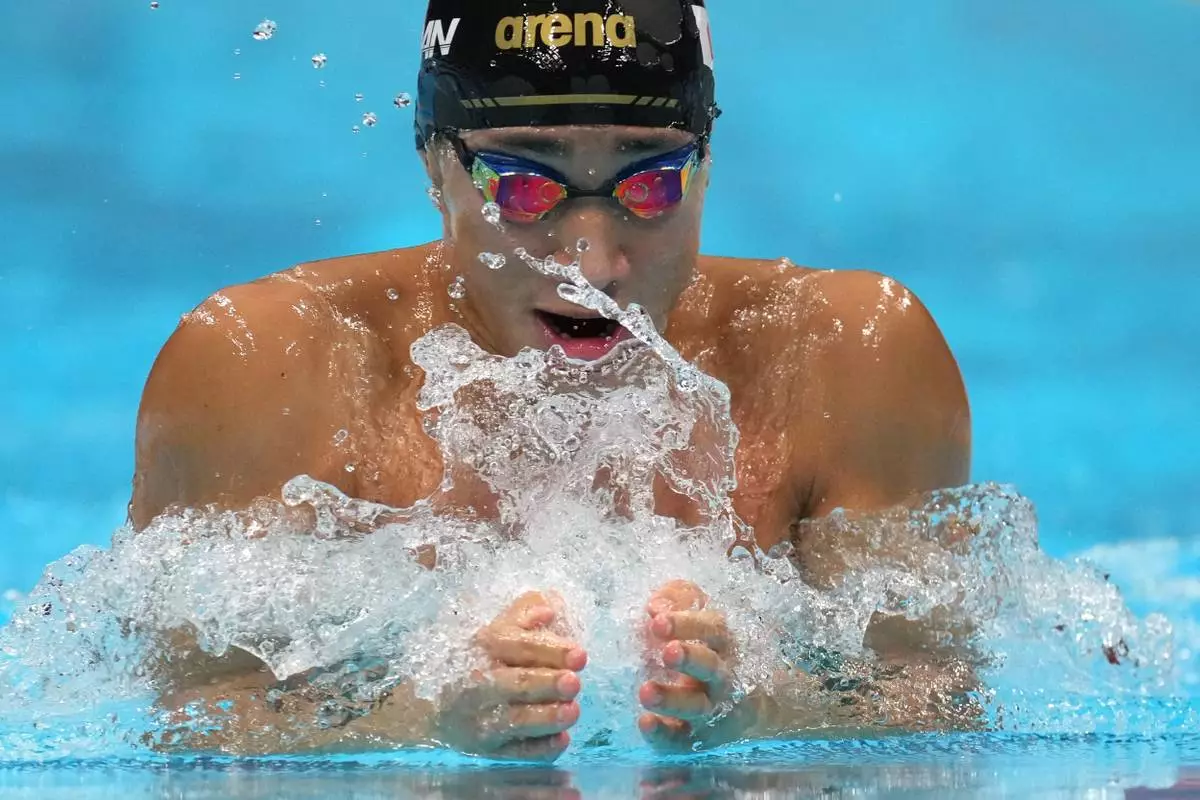
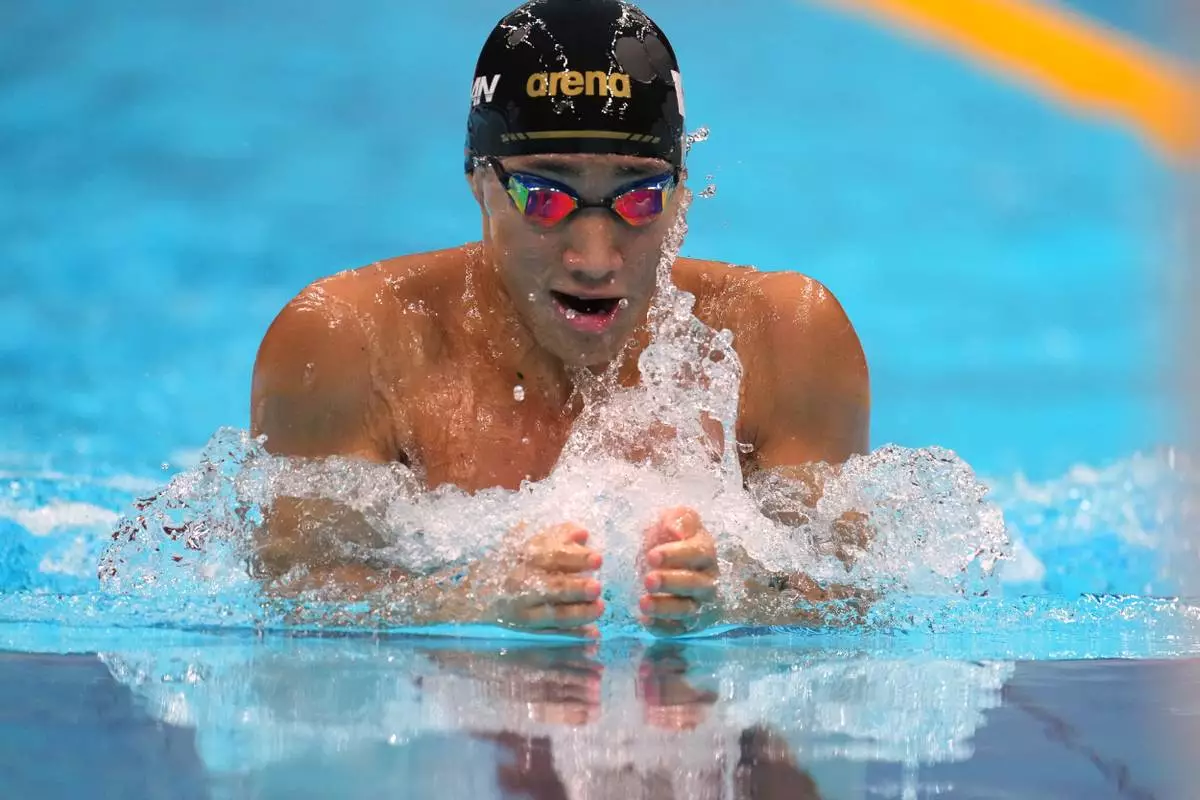
Shin Ohashi of Japan competes during the men's 200-meter breaststroke final in swimming at the Asian Games in Tokyo, Japan, Thursday, Sept. 24, 2026. (AP Photo/Hiro Komae)

Shin Ohashi of Japan competes during the men's 200-meter breaststroke final in swimming at the Asian Games in Tokyo, Japan, Thursday, Sept. 24, 2026. (AP Photo/Hiro Komae)

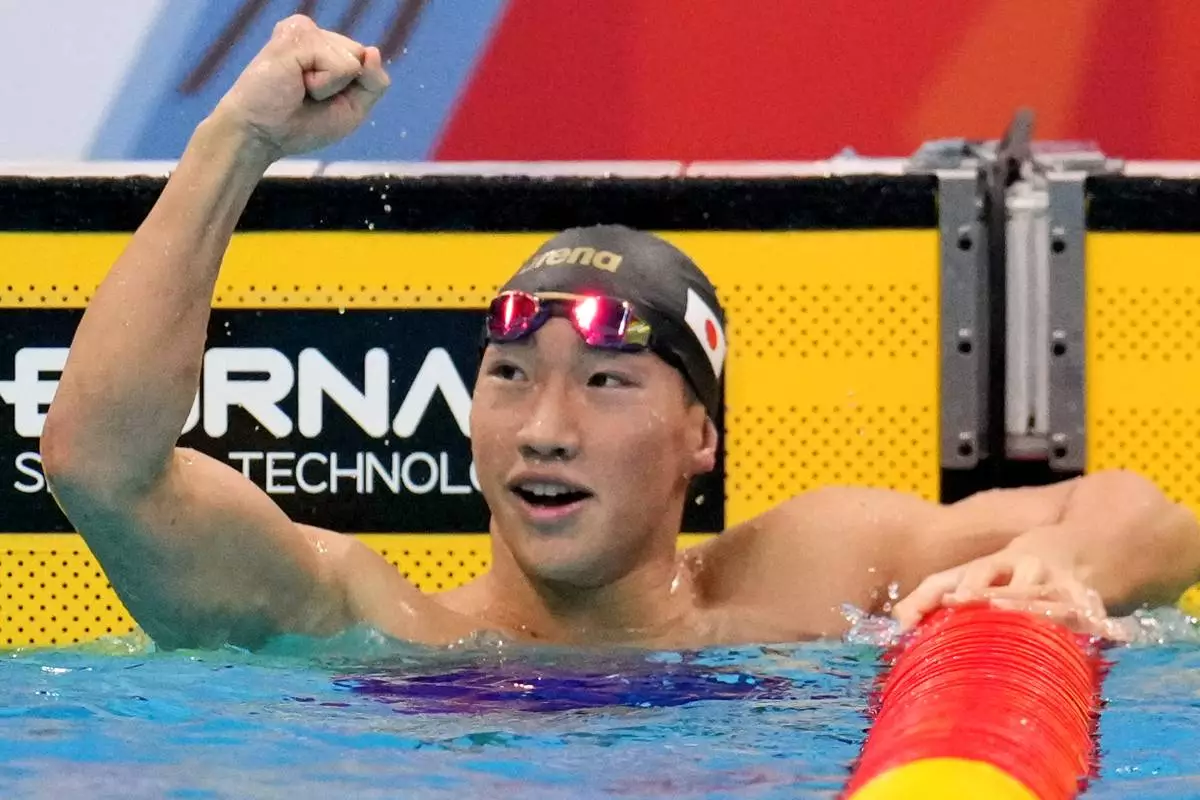
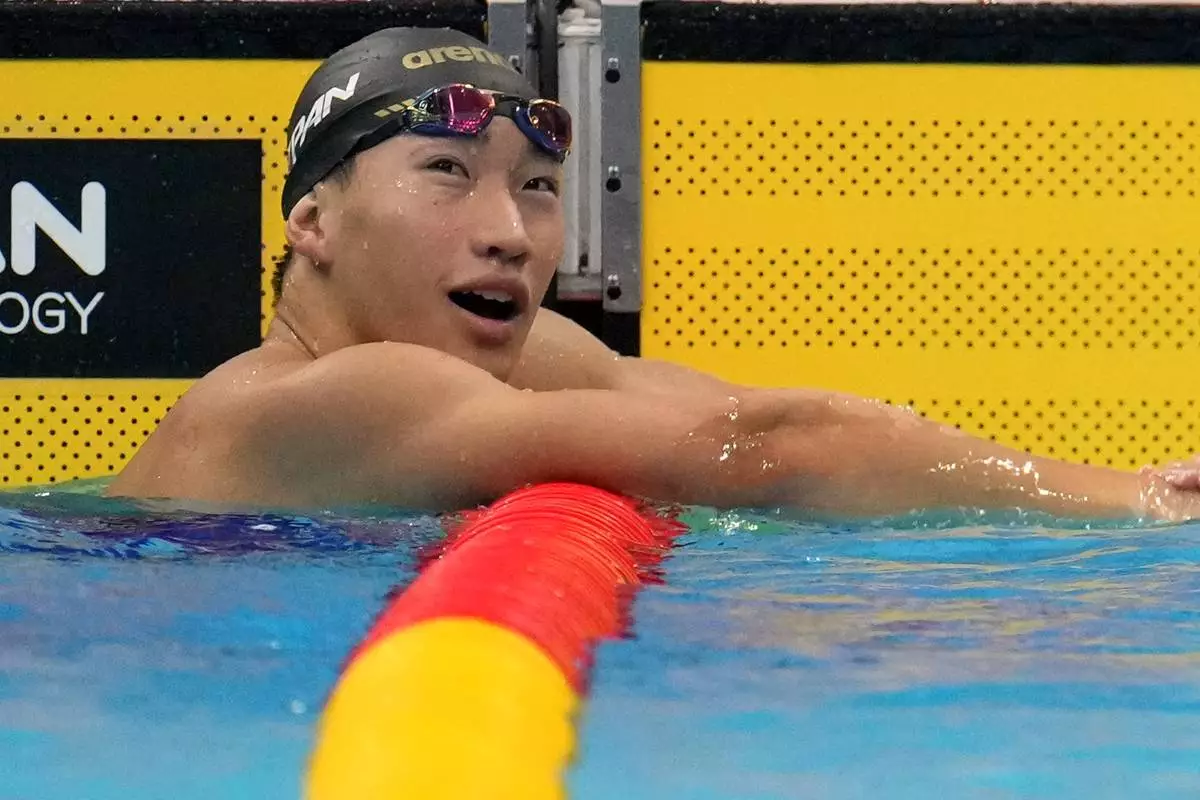
Shin Ohashi of Japan celebrates after winning the men's 200-meter breaststroke final in swimming at the Asian Games in Tokyo, Japan, Thursday, Sept. 24, 2026. (AP Photo/Hiro Komae)

Shin Ohashi of Japan celebrates after winning the men's 200-meter breaststroke final in swimming at the Asian Games in Tokyo, Japan, Thursday, Sept. 24, 2026. (AP Photo/Hiro Komae)

Shin Ohashi of Japan competes during the men's 200-meter breaststroke final in swimming at the Asian Games in Tokyo, Japan, Thursday, Sept. 24, 2026. (AP Photo/Hiro Komae)

Shin Ohashi of Japan competes during the men's 200-meter breaststroke final in swimming at the Asian Games in Tokyo, Japan, Thursday, Sept. 24, 2026. (AP Photo/Hiro Komae)

Shin Ohashi of Japan celebrates after winning the men's 200-meter breaststroke final in swimming at the Asian Games in Tokyo, Japan, Thursday, Sept. 24, 2026. (AP Photo/Hiro Komae)

Shin Ohashi of Japan celebrates after winning the men's 200-meter breaststroke final in swimming at the Asian Games in Tokyo, Japan, Thursday, Sept. 24, 2026. (AP Photo/Hiro Komae)

Shin Ohashi of Japan celebrates after winning the men's 200-meter breaststroke final in swimming at the Asian Games in Tokyo, Japan, Thursday, Sept. 24, 2026. (AP Photo/Hiro Komae)

Shin Ohashi of Japan celebrates after winning the men's 200-meter breaststroke final in swimming at the Asian Games in Tokyo, Japan, Thursday, Sept. 24, 2026. (AP Photo/Hiro Komae)

Recommended Articles