UNITED NATIONS (AP) — Five years ago, Turkish Prime Minister President Recep Tayyip Erdogan ordered the world to stop confusing the heirs to one of history’s great empires with a ridiculous American bird.
Type Turkey into Google and you get images and articles “that conflate the country with Meleagris — otherwise known as the turkey,” state media announced. "Famous for being served on Christmas menus or Thanksgiving dinners … 'Turkey' is defined as “something that fails badly.’”
Click to Gallery
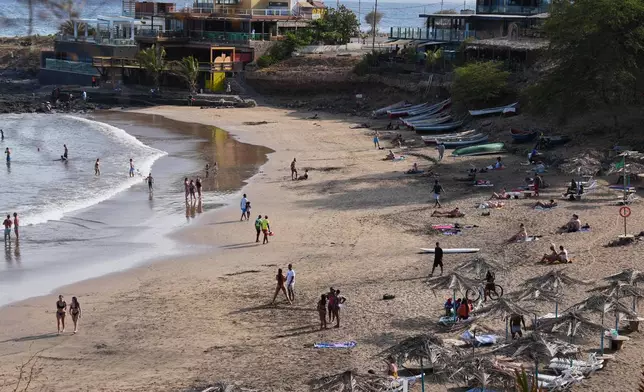
FILE - People lounge on a beach in Praia, Cape Verde, on May 7, 2026. (AP Photo/Misper Apawu, File)
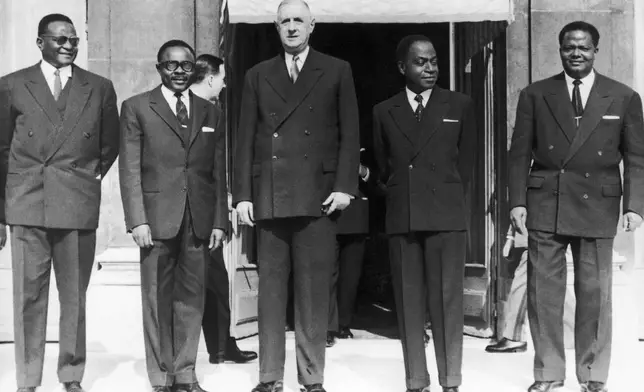
FILE - From left, Nigerian President Hamani Diori, Burkina Faso President Maurice Yameogo, French President Charles de Gaulle, Ivory Coast President Felix Houphouet-Boigny and Benin President Hubert Maga pose for a photo after a summit in Paris on March 7, 1961. (AP Photo/Levy, File)
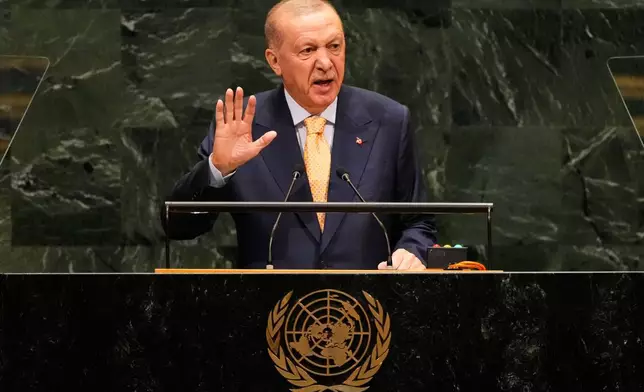
Turkey's President Recep Tayyip Erdogan speaks during the 81st session of the United Nations General Assembly at United Nations headquarters, Tuesday, Sept. 22, 2026. (AP Photo/Seth Wenig)
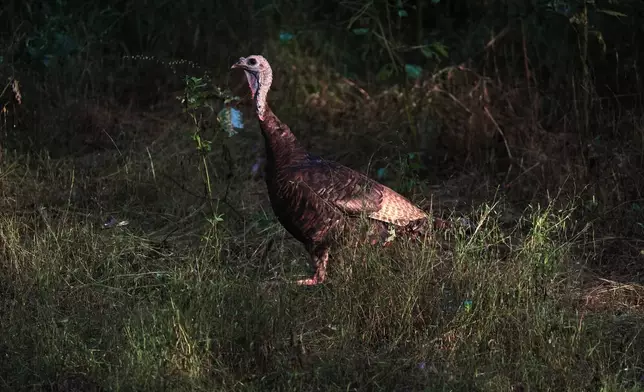
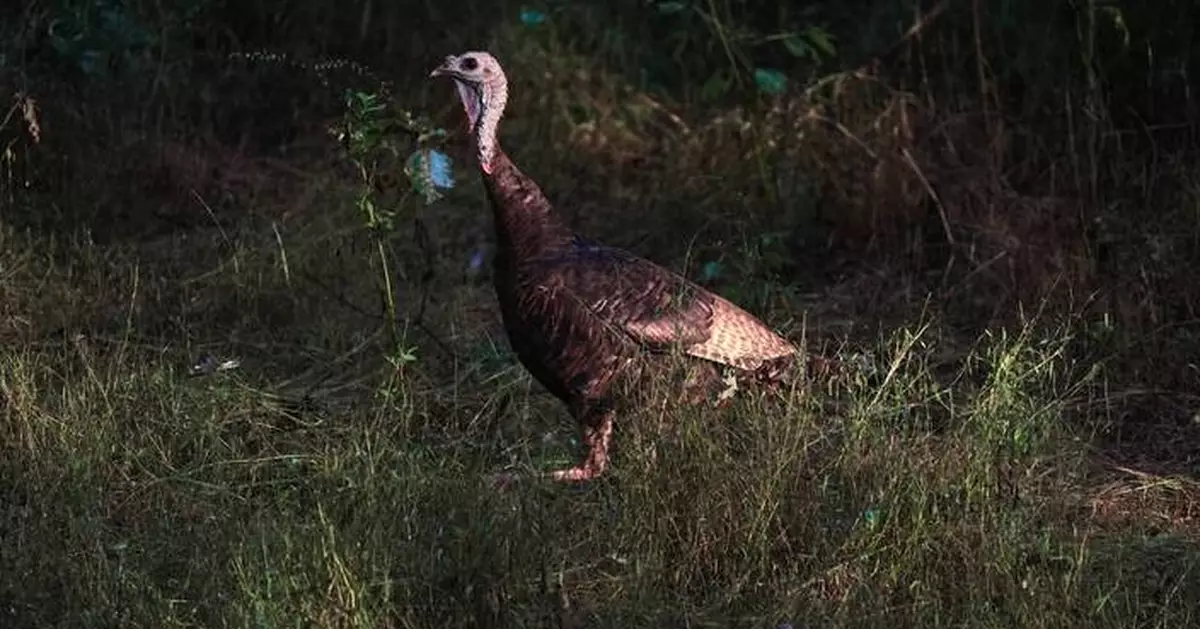
FILE - A female turkey walks through a forested area, Sept. 26, 2025, in Cincinnati. (AP Photo/Joshua A. Bickel, File)
Stop using a word associated with defeat and warm stuffing, the government asked the world’s 1.5 billion English speakers.
But rebranding a nation — as Nauru, now Naoero, is trying to do at the United Nations this week — can be a challenging endeavor.
From New Coke to Netflix's messy spinoff of the Quikster service (remember Quikster?), corporate rebrands and other failures are an essential part of capitalism.
National rebranding, on the other hand, often touches on independence movements, armed conflicts, ethnic divisions and battles over the very meaning of historical events.
Siam became Thailand in 1939 to foster ethnic unity and shed a foreign label. The name changed in almost all English-speaking countries.
Both bigger and smaller, other name changes have been criticized as merely demagogic impulsivity, like President Donald Trump's executive orders renaming the Gulf of Mexico and Lake Ontario. Erdogan's critics also see autocratic tendencies, and the Turkey/Türkiye name change has gotten some flak at home.
The Portuguese name “Costa do Marfim” first appeared on 17th-century nautical charts because ivory dominated that stretch of the West African coast.
The French ruled the country from 1893 until 1960, and Côte d’Ivoire kept its colonial name after independence, unlike other African nations because the nation's first president, Félix Houphouët-Boigny, favored cooperation with France rather than a sharp rupture. Linguists also say that choosing a name from one of the country’s 60-odd languages could have appeared to favor one community, while the French name was an accepted national label.
In 1985, however, the country asked the United Nations to use just its French name instead of translations like “Ivory Coast” or the Spanish “Costa de Marfil.”
Côte d'Ivoire requested that its French-language name "should no longer be considered a geographical term and that the practice of translating it into the different languages be stopped," as the U.N. put it.
That change hasn't become universal, perhaps because it involved such linguistic subtlety.
Elsewhere in Africa, the nation of Swaziland changed its name to the Kingdom of Eswatini in April 2018. That relatively simple change has largely taken root in just a few years.
On a planet where nearly a fifth of people speak English, the language seeps into the farthest corners of the globe in movies, TV shows and music. In that environment, reasserting native tongues can be a heavy lift.
Siam became Thailand in 1939 and today, if you’re an English speaker hungry for phad kaphrao, look for the nearest Thai restaurant. Only cat aficionados still look for the silky Siamese cat that sits fourth in registrations on Britain’s Governing Council of the Cat Fancy, with similar popularity in North America.
As for Turkey, Erdogan said in December 2012 that the century-old Turkish-language name Türkiye was better suited to his nation.
Erdogan had become Turkey’s most influential leader since national independence hero Mustafa Kemal Ataturk, and his nation has taken on a more conservative character under his two-decade rule. Committed to Islam and to helping his nation regain past glory, Erdogan ordered that “the values derived from the Turkish nation’s deep-rooted history are treated with the utmost care.”
Some outside observers saw a self-interested motive.
Ali Fuad Selvi, an associate professor of English at the University of Alabama, wrote that Turkey's attempted name change had “an ultimate motivation to consolidate President Erdogan’s political power and authority (and) elevate his status to that of a national leader.”
Turkey notified the United Nations of the change in June 2022 and it immediately complied, along with NATO, which Turkey joined in 1952. UN spokesman Stephane Dujarric said the name change became effective from the moment Secretary-General Antonio Guterres got a letter requesting the use of “Türkiye” instead of “Turkey” in all matters.
Many governments and nongovernmental organizations use Türkiye. The U.S. mostly uses Türkiye, while at least one British government warning “advises against all travel to parts of Turkey.”
Many media organizations and regular people still use the old name. The Associated Press, whose Stylebook guides a broad swath of American language use, employs Turkey based on the common English-language spelling and its familiarity to global audiences. The AP regularly reviews that usage, and all similar cases.
In 2013, the Portuguese-speaking archipelago, independent since 1975, asked the United Nations to stop translating its name as “Cape Verde” in English or “Cap-Vert” in French and to use “Cabo Verde” in every language.
At the time, the government of Prime Minister José Maria Neves said it needed to reinforce the country’s identity, standardize its designation in international organizations and consolidate the “Cabo Verde” brand in diplomacy, tourism, the economy, and culture.
The government has continued to market Cabo Verde as a brand built around the islands’ music, democratic stability and “morabeza,” a Creole term associated with hospitality.
The 2026 World Cup gave that brand its largest global platform. FIFA consistently called the team Cabo Verde as the tournament debutants held future champions Spain to a scoreless draw and reached the knockout stage before a vast global audience.
Mark Banchereau in Dakar, Senegal contributed.
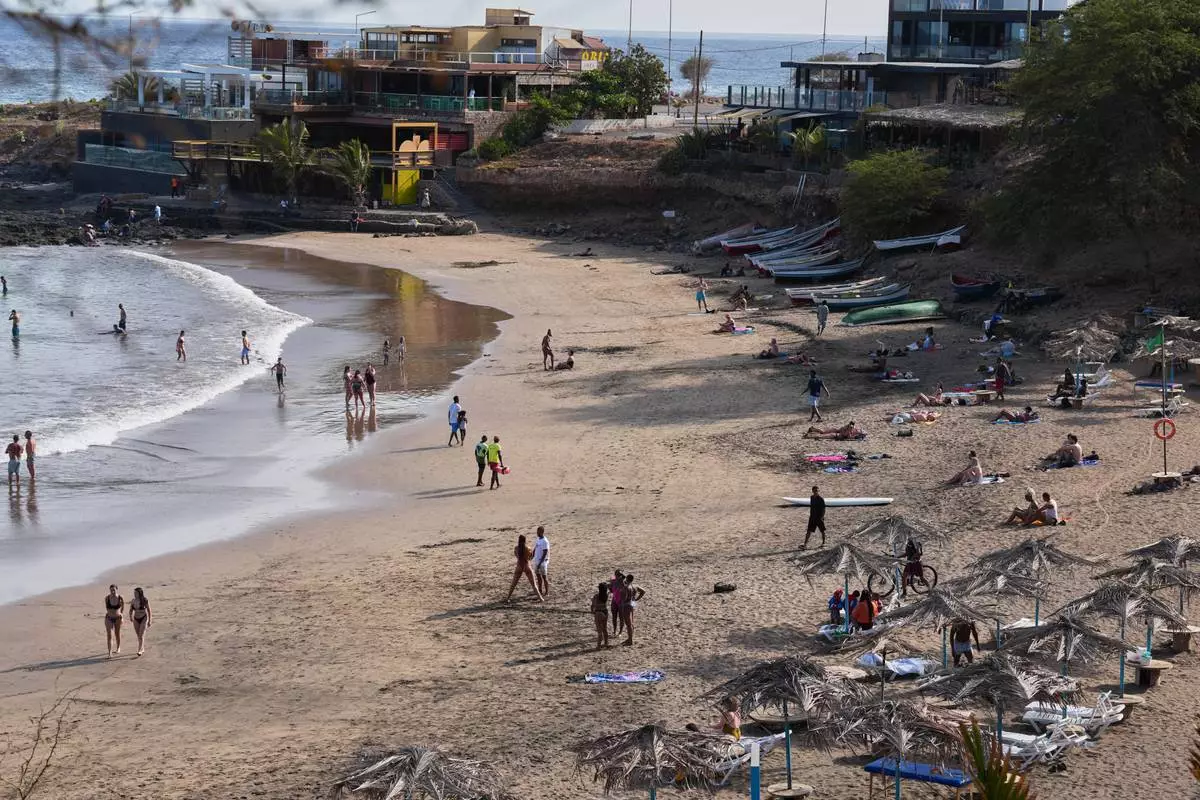
FILE - People lounge on a beach in Praia, Cape Verde, on May 7, 2026. (AP Photo/Misper Apawu, File)
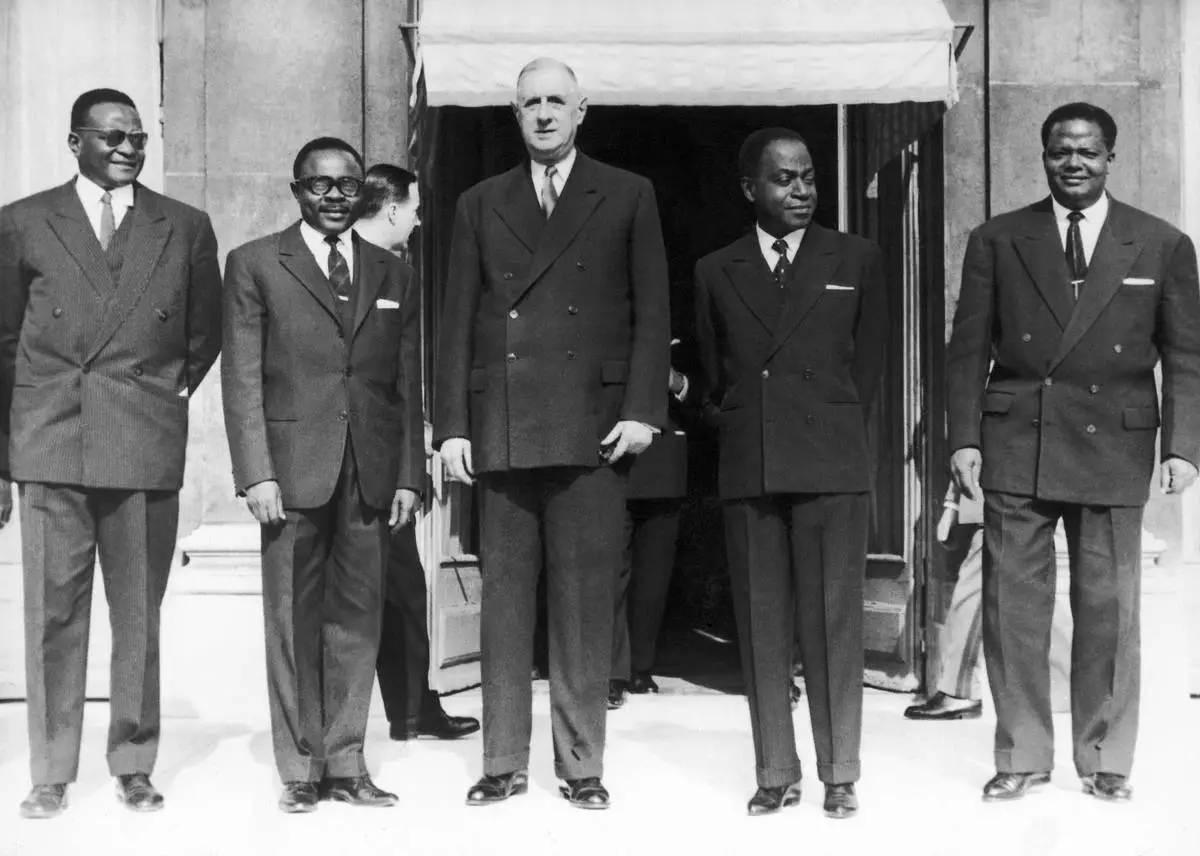
FILE - From left, Nigerian President Hamani Diori, Burkina Faso President Maurice Yameogo, French President Charles de Gaulle, Ivory Coast President Felix Houphouet-Boigny and Benin President Hubert Maga pose for a photo after a summit in Paris on March 7, 1961. (AP Photo/Levy, File)
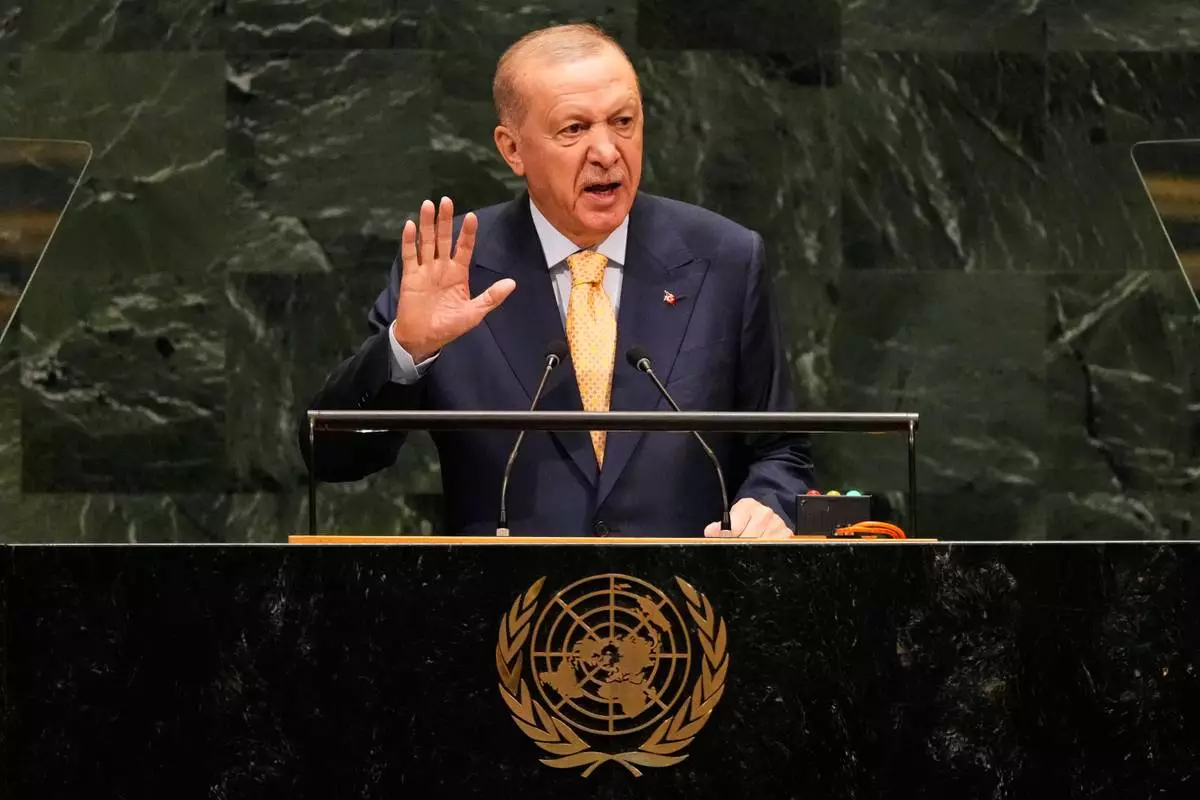
Turkey's President Recep Tayyip Erdogan speaks during the 81st session of the United Nations General Assembly at United Nations headquarters, Tuesday, Sept. 22, 2026. (AP Photo/Seth Wenig)
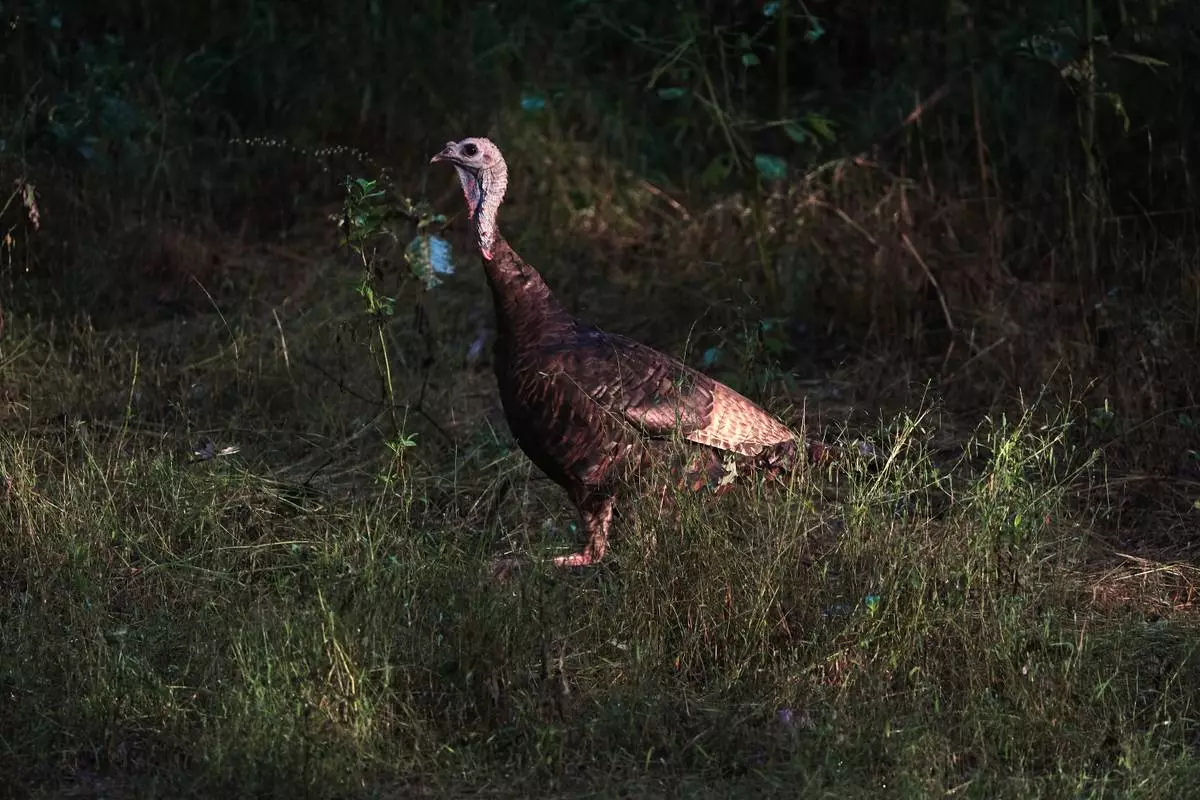
FILE - A female turkey walks through a forested area, Sept. 26, 2025, in Cincinnati. (AP Photo/Joshua A. Bickel, File)