MELBOURNE, Australia (AP) — Three Australian appellate judges on Monday rejected an activist’s landmark bid to prosecute Britain’s King Charles III over the alleged genocide of Indigenous people.
The ruling by Victoria state’s Court of Appeal leaves Uncle Robbie Thorpe with one final domestic option: seeking permission to appeal to the High Court of Australia. The High Court accepts only about 10% of applications for leave to appeal.
Indigenous Australians use the titles ‘uncle’ and ‘aunt’ as marks of respect for community elders.
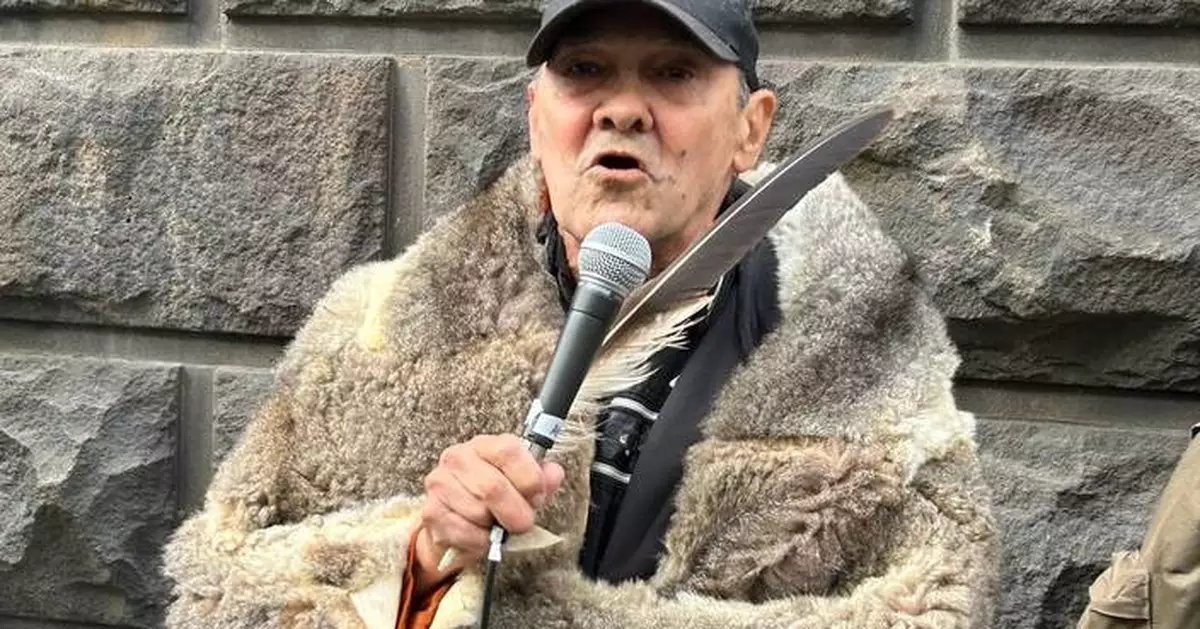
Thorpe, a 68-year-old elder of the Krautatungalung people, said Monday that he did not expect to receive a fair hearing in Australia. After exhausting his options in Australian courts, he said he would take his allegations against the monarch to the International Criminal Court in the Netherlands.
“The International Criminal Court will expose Australia for what it really is — a lying, racist, illegal occupation committing genocide,” Thorpe said.
Monday’s ruling was Thorpe’s third legal defeat since he began trying in 2023 to launch a private prosecution against the monarch in Melbourne Magistrates’ Court.
His case alleges that the king, who is also Australia’s head of state, along with the Australian government and its institutions, is perpetuating genocide by maintaining systems that disadvantage Indigenous people across numerous socioeconomic measures.
Indigenous Australians make up about 4% of the population. They die younger, experience worse health outcomes and are more likely to be imprisoned or unemployed than other Australians, according to official statistics.
The British monarch is immune from all criminal and civil liability in the United Kingdom. This provides an immunity that is even broader than that of a U.S. president because it extends to personal acts that are outside official power, Sydney University constitutional lawyer Anne Twomey said.
The king’s common law immunity in Britain has likely been inherited by Australia, a former British colony that continues to recognize Britain’s monarch as its own head of state. Twomey said she is unaware of the monarch’s common law immunity ever being tested in Australia.
The British and Australian parliaments could legislate to alter a monarch’s immunity. But a British monarch is also the head of state of several countries including Canada and New Zealand. The monarch is entitled to sovereign immunity under customary international law and according to Australian statutes including the Foreign States Immunities Act 1985 and the Diplomatic Privileges and Immunities Act 1967.
The International Criminal Court does not recognize head of state immunity and has the jurisdiction to prosecute on a charge of genocide.
But an individual such as Thorpe does not have the option to launch a private prosecution in the ICC as he has attempted in a low-level Australian court.
The U.N. Security Council can refer a prosecution, but Britain would veto such a move against King Charles, Australian National University international lawyer Don Rothwell said.
The most common path is for an individual to make the ICC’s Office of the Prosecutor aware of evidence, as happened in cases against Russian President Vladimir Putin and Israeli Prime Minister Benjamin Netanyahu.
“An individual cannot commence a prosecution. If they’ve exhausted all of their options under Australian law, the best that they can do is seek to provide evidence that they believe constitutes the crime of genocide. It’s then up to the International Criminal Court to determine whether they would seek to prosecute,” Rothwell said.
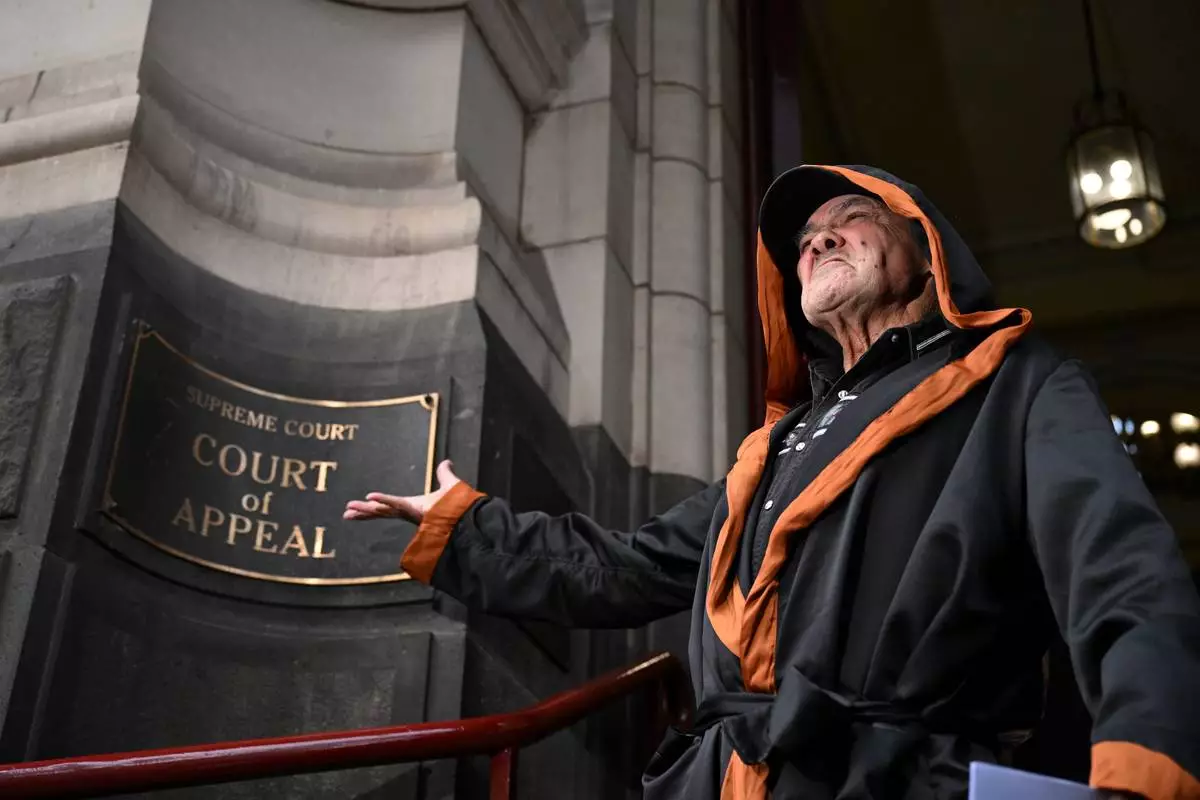
Robbie Thorpe speaks outside the Victoria state Supreme Court of Appeal in Melbourne, Australia, June 3, 2026. (James Ross/AAP Image via AP)
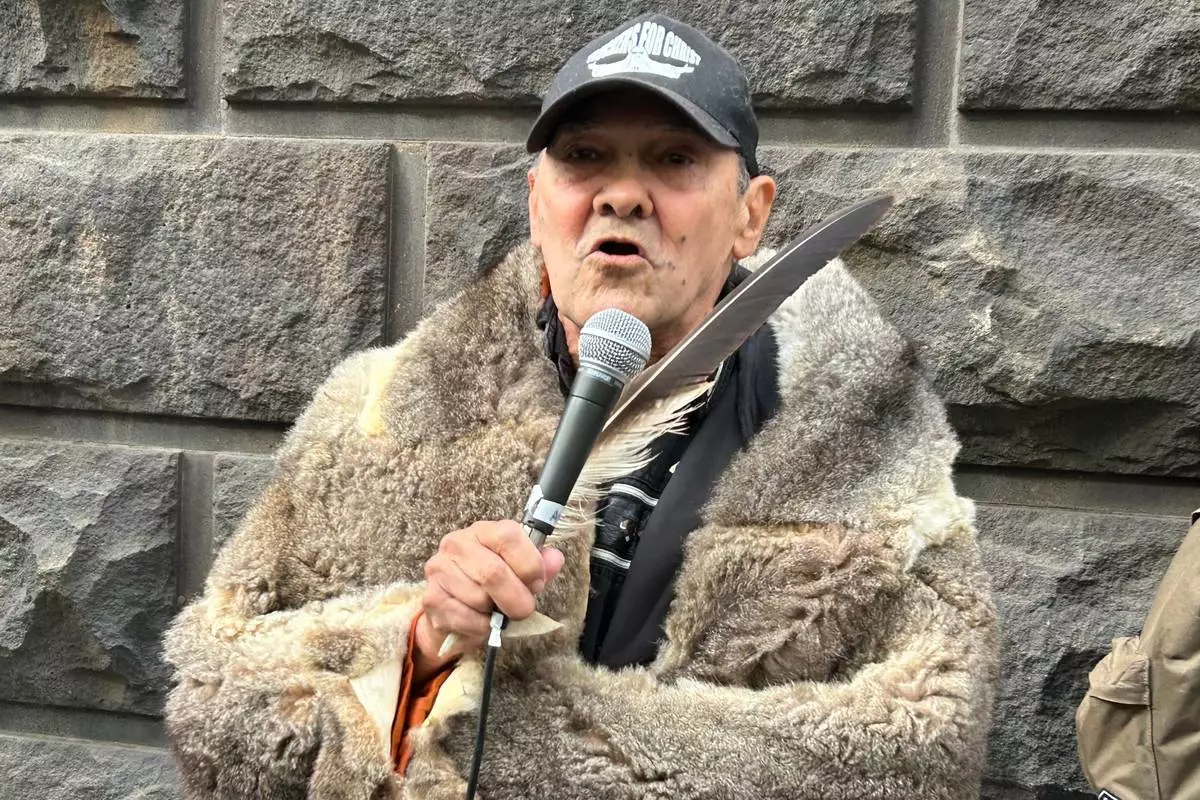
FILE - Robbie Thorpe speaks outside the Victoria state Supreme Court of Appeal in Melbourne, Australia, on June 3, 2026. (AP Photo/Rod McGuirk, File)
CAMPECHE, Mexico (AP) — Politicians and judges are increasingly attempting to shut down press freedoms in Mexico, raising concerns among journalism watchdog groups.
In 2025, a new lawsuit against journalists or media outlets was filed every six days in Mexico, 69 cases in total, according to Article 19, a press freedom watchdog, triple the previous year.
Politicians have discovered that lawsuits are “a much more effective way to silence the press because they give the impression of legality,” said Jan-Albert Hootsen, the Mexico representative for the Committee to Protect Journalists.
Tribuna, a 50-year-old daily newspaper in the southeastern state of Campeche, became the flagship media outlet during the administrations of the Institutional Revolutionary Party which governed the state for nearly a century.
Then Layda Sansores, of the ruling Morena party, won the 2021 gubernatorial election. And things quickly changed.
She pulled government advertising from Tribuna — advertising that was necessary for the paper to continue to publish. She started her own television program promoting her administration and demeaning journalists, handing out Oscar-style awards — called the “Golden Pinocchio” — to journalists she deemed the biggest “liars.”
Tribuna ran columns railing against her, and those columns sometimes went beyond her politics. Criticism intensified with gender-specific and homophobic attacks. Then in 2024, Tribuna, starved of revenue, ceased to print though it continued to publish online, including scathing articles against Sansores.
Sansores responded with several civil and criminal complaints against Jorge Luis González, who served as its editor for three decades and continues as a contributor, alleging moral damage, gender-based political violence and hate speech.
In mid-2025, one of Sansores' criminal cases against González led judges to bar him from journalism for two years and to have a judicial censor review Tribuna articles before online publication. Press freedom watchdogs strongly denounced the decision, arguing that prior censorship is unacceptable and concerned the decision might set a precedent.
González said he immediately appealed the measures and a judge temporarily suspended them pending a final ruling of the case.
Sansores has denied persecuting or censoring the press and says her lawsuits are to protect women. She did not respond to requests for comment.
Several local reporters say she also changed the way authorities try to control the press. Campeche officials now “stop you with lawsuits,” said Ronny Aguilar, a local journalist and digital content creator.
Reporters Without Borders has denounced the growing and widespread use of laws as weapons against the press, especially in the Americas.
U.S. President Donald Trump has banned three news outlets’ reporters from the White House, escalating his efforts — in the courts and through administrative action. The Associated Press also is suing following the president’s decision last year to bar AP reporters from the Oval Office, Air Force One and some events in retaliation for the news outlet’s decision not to follow his lead in changing the name of the Gulf of Mexico, which lies partially in Mexican and other waters.
In Mexico, the weaponization of the judicial system comes amid an increase in journalist killings. Seven journalists were killed this year, five of them in less than three months, one of the deadliest spikes in over a decade, according to CPJ.
Some of those targeted with lawsuits, including Veracruz crime reporter Rafael León, acknowledge that the experience has changed how they work. Although terrorism charges against León were dropped after President Claudia Sheinbaum intervened, he now reports less and works in fear, he said.
Sheinbaum has softened the hostile tone her predecessor, Andrés Manuel López Obrador, used toward some journalists, but a new federal regulation to protect “audiences' rights” set to take effect this month has alarmed press watchdogs.
The president insists it will better protect the public’s right to complain about any publication without leading to censorship. Some groups fear it could allow the state to intervene in some disputes ahead of Mexico’s 2027 elections.
Leopoldo Maldonado, the U.N. special rapporteur on freedom of expression, warned that although governments may have legitimate reasons to combat disinformation or hate speech, laws that turn the state and judges into arbiters of the truth “generally end very badly.”
Among other problems, he said, such laws often rely on vague concepts that should not be addressed through criminal law.
Legislation targeting fake news has proved problematic in Turkey, Malaysia and Singapore, Maldonado said. Counterterrorism laws in Africa’s Sahel region “are used against the political opposition” and journalists covering armed conflicts there. Citing the example of Russia, he warned that the use of the term “foreign agents” to restrict journalism is spreading across the Americas.
Many government officials fuel hate campaigns and there is a need to regulate the excessive power of digital platform owners and give civil society a greater voice in that process, Maldonado said.
In Campeche, the state Human Rights Commission and activists are promoting legislation to protect human rights defenders and journalists.
Meanwhile, in the building that once housed the Tribuna newsroom, boxed-up computers sit waiting to be sold, offices stay empty and printing presses stand idle. Only a TV studio is still active.
González's shooting of his weekly political commentary video show continues. And so do the lawsuits from government officials against journalists.
Follow AP’s Latin America coverage at https://apnews.com/hub/latin-america
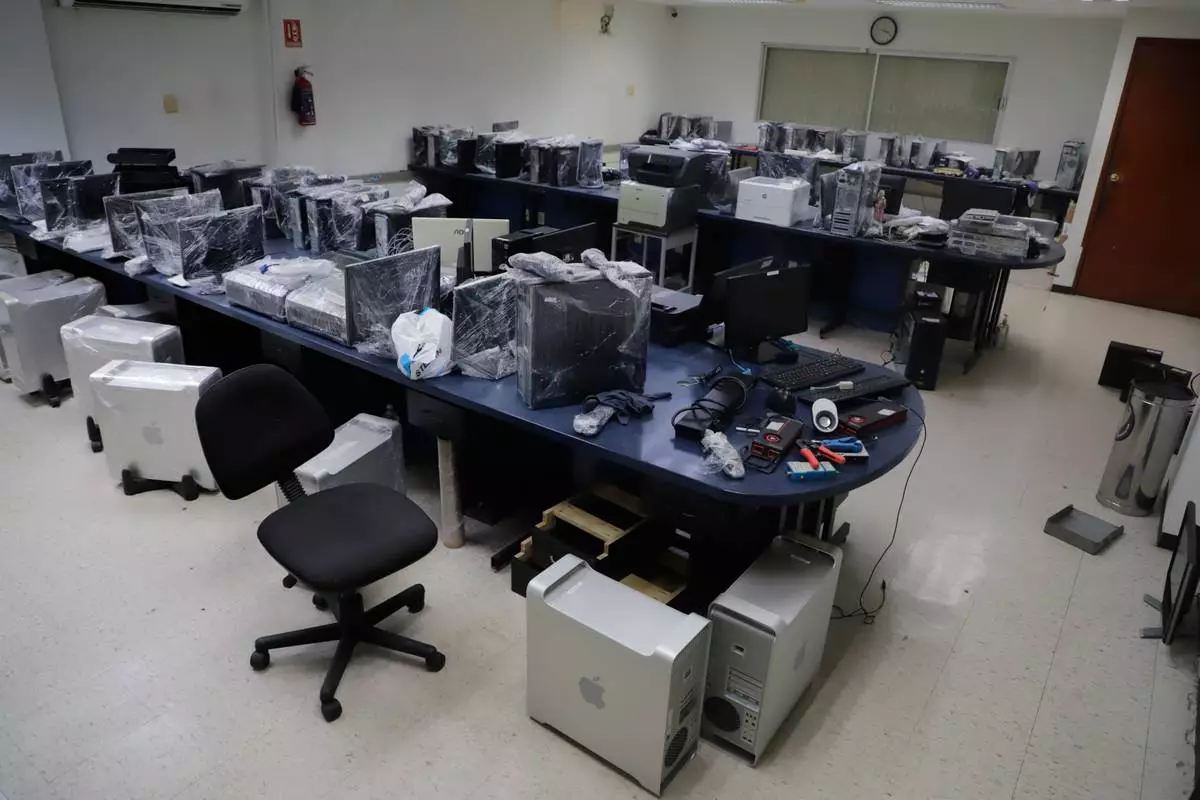
Computer equipment sits idle in the former newsroom of the independent newspaper Tribuna that closed two years prior in Campeche, Mexico, Thursday, Sept. 17, 2026. (AP Photo/Martin Zetina)
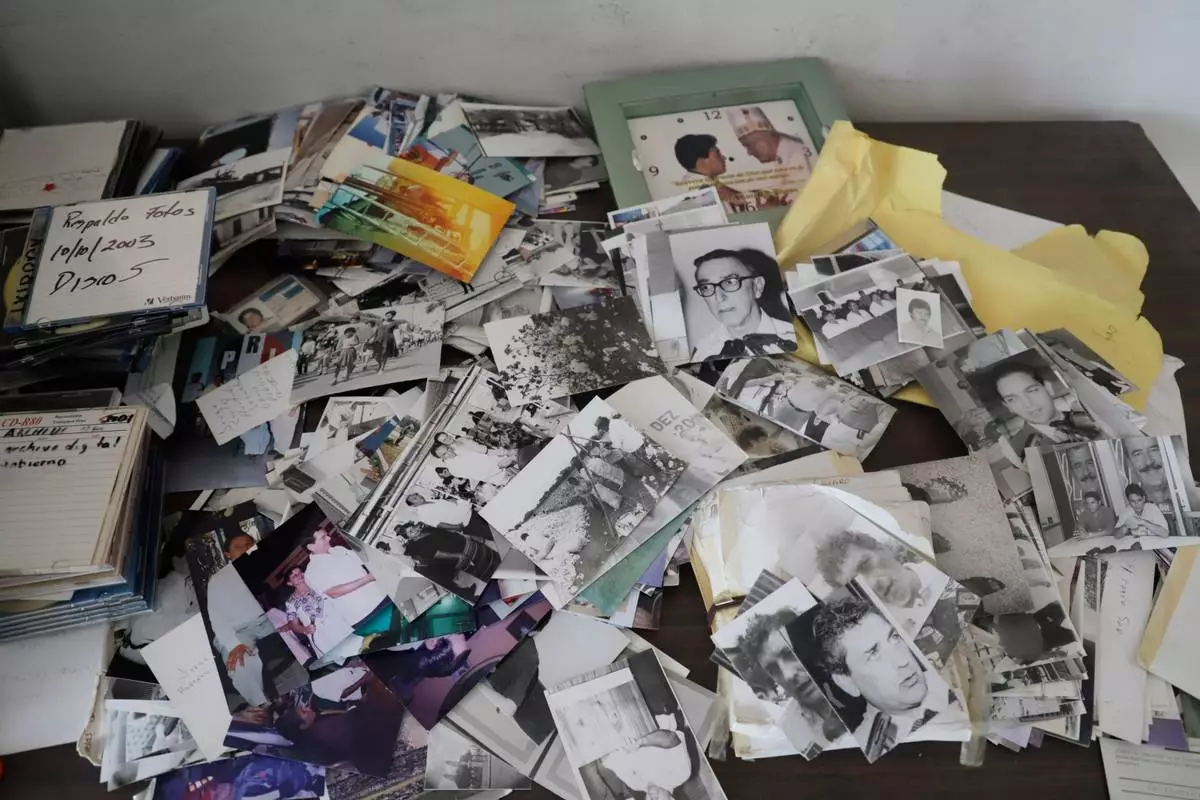
Photographs lie in the former newsroom of the independent newspaper Tribuna that closed two years prior in Campeche, Mexico, Thursday, Sept. 17, 2026. (AP Photo/Martin Zetina)
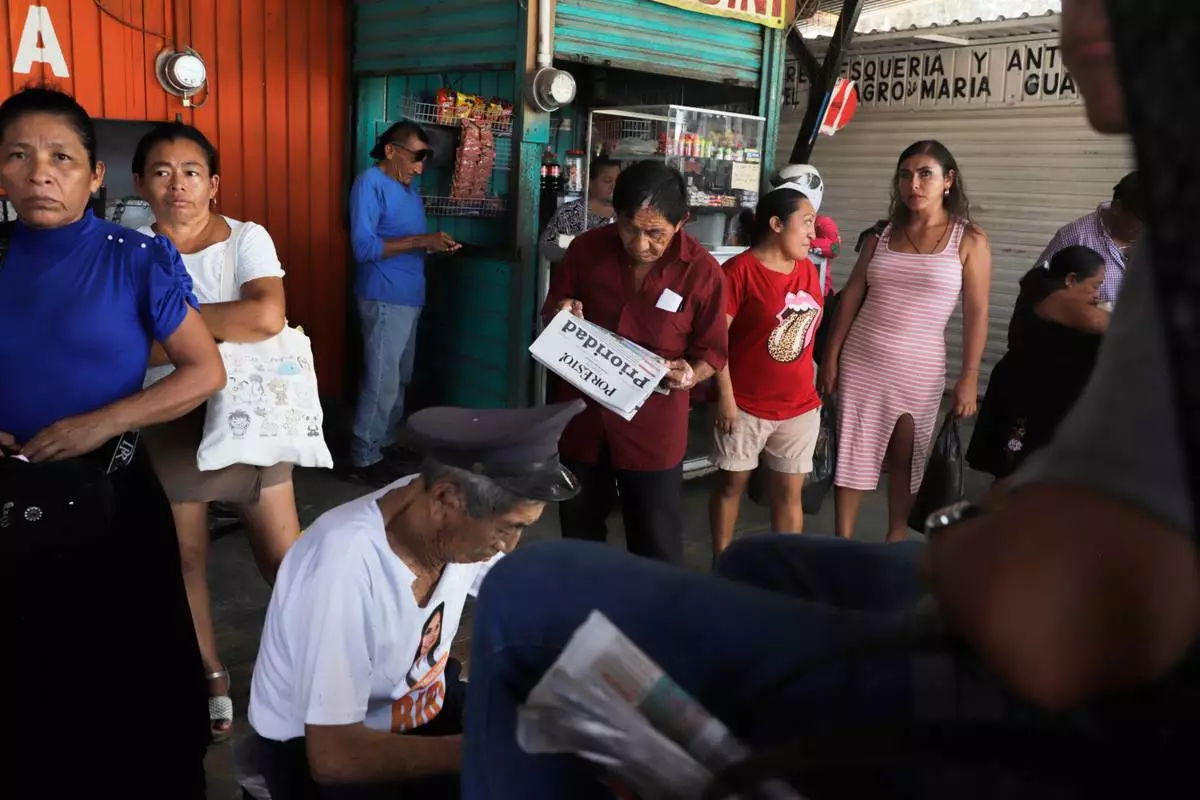
A person reads a newspaper at a market in Campeche, Mexico, Thursday, Sept. 17, 2026. (AP Photo/Martin Zetina)
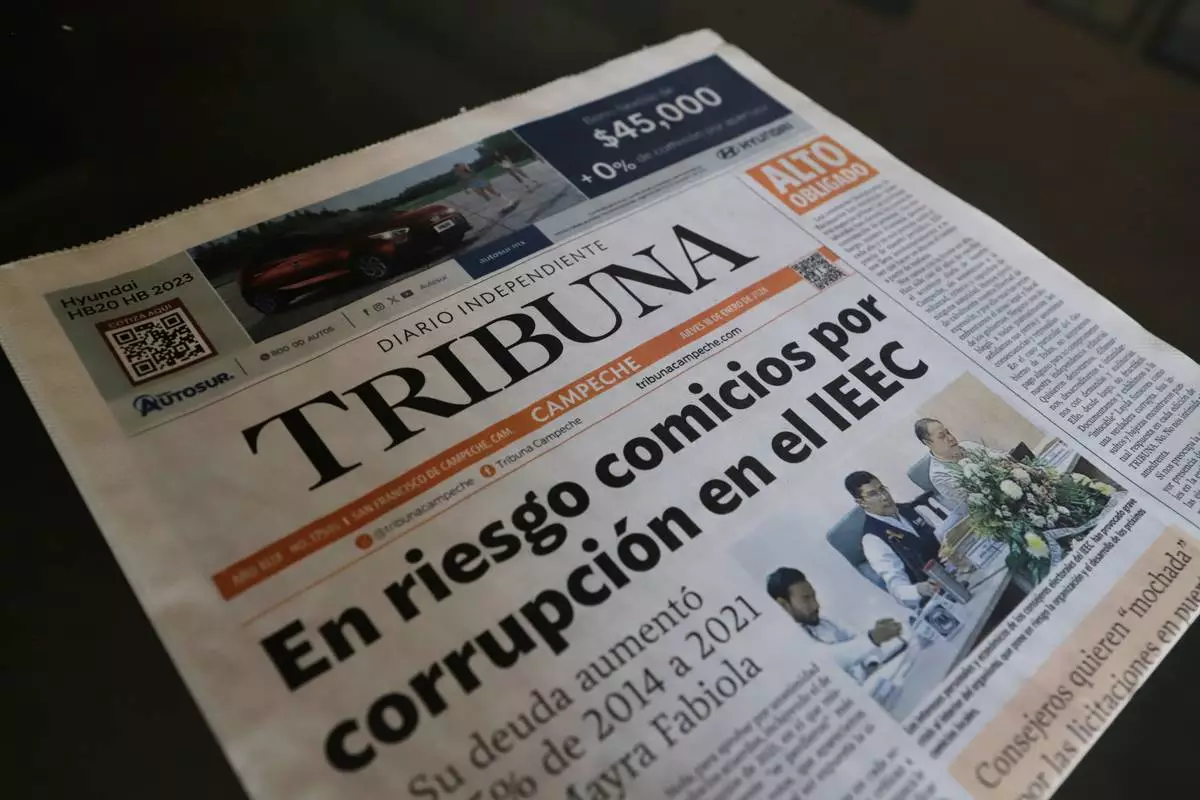
The last edition of the independent newspaper Tribuna, which closed on Jan. 18, 2024, in Campeche, Mexico, Thursday, Sept. 17, 2026. (AP Photo/Martin Zetina)
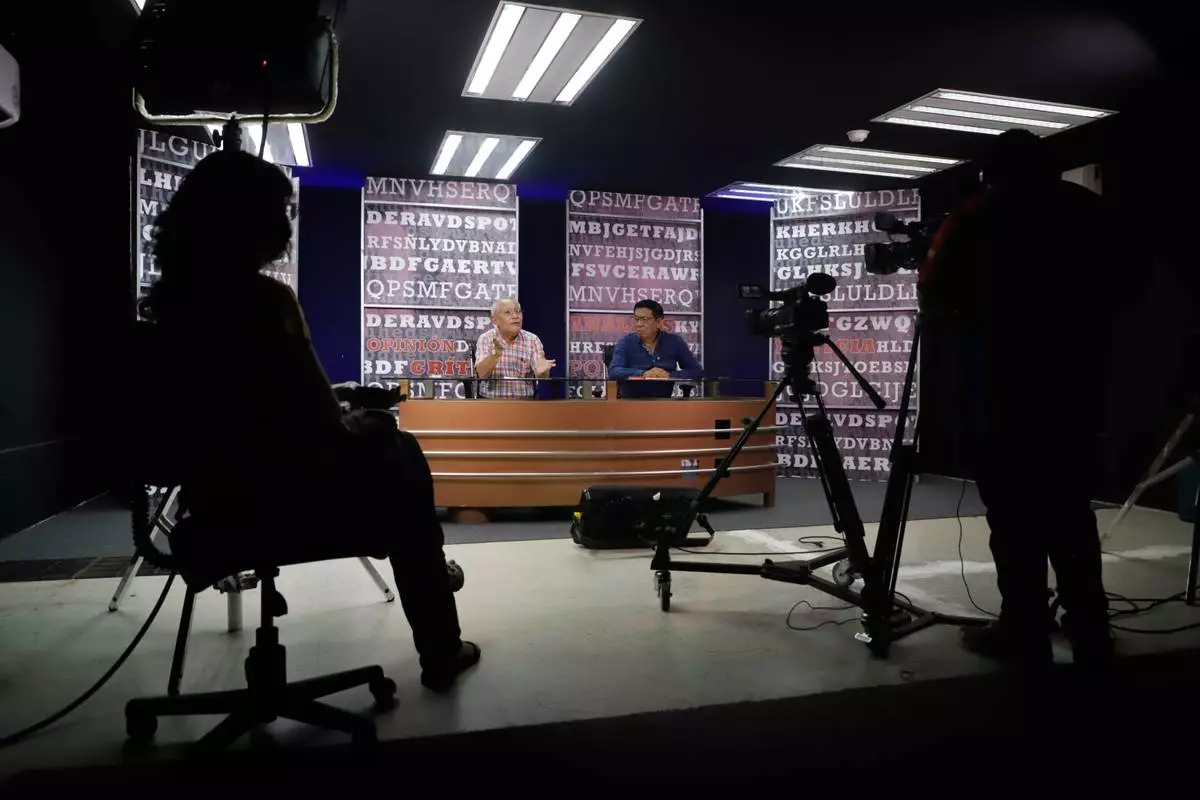
Jorge Luis González, former director of the independent newspaper Tribuna, left, and journalist Lorenzo Chim Caamal, host the program Expediente in Campeche, Mexico, Thursday, Sept. 17, 2026. (AP Photo/Martin Zetina)