DH reminds public that injection procedures should only be administered by registered medical practitioners or registered dentists
In response to media enquiries regarding the Department of Health's (DH) plan to revise the Codes of Practice (CoPs) for licensed private healthcare facilities (PHFs) to update regulatory requirements on the use of injectable and infusible products in PHFs, the DH today (September 29) responded as follows:
In 2013, the Government accepted the recommendations of the Working Group on Differentiation between Medical Procedures and Beauty Services under the Steering Committee on Review of Regulation of Private Healthcare Facilities that procedures involving injections should be regarded as medical procedures and only be performed by registered medical practitioners or registered dentists. Products intended for human parenteral injection are high-risk products. Unless they fall within other regulatory categories (e.g. medical devices or proprietary Chinese medicines), they are generally classified as pharmaceutical products under the Pharmacy and Poisons Ordinance (Cap. 138) and must be registered with the Pharmacy and Poisons Board of Hong Kong before they can be sold or distributed in Hong Kong. The "Guidance Notes for Definitions and Abbreviations for Medical Device Administrative Control System (GN-00) " published by the DH also explicitly stipulates injectable dermal fillers are classified as medical devices.
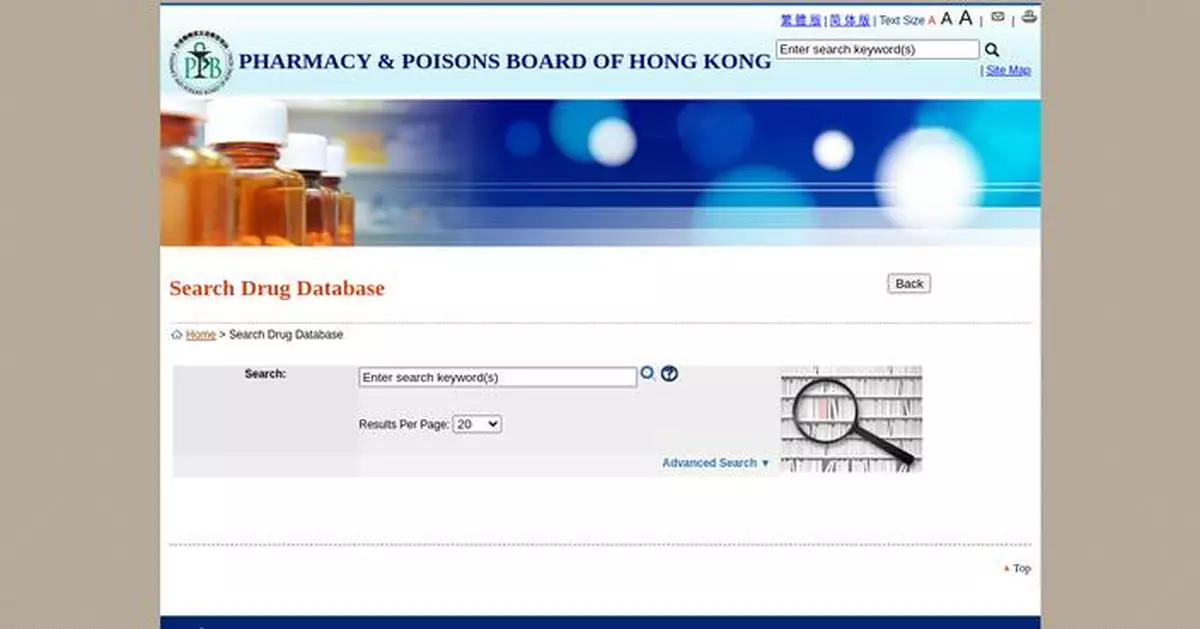
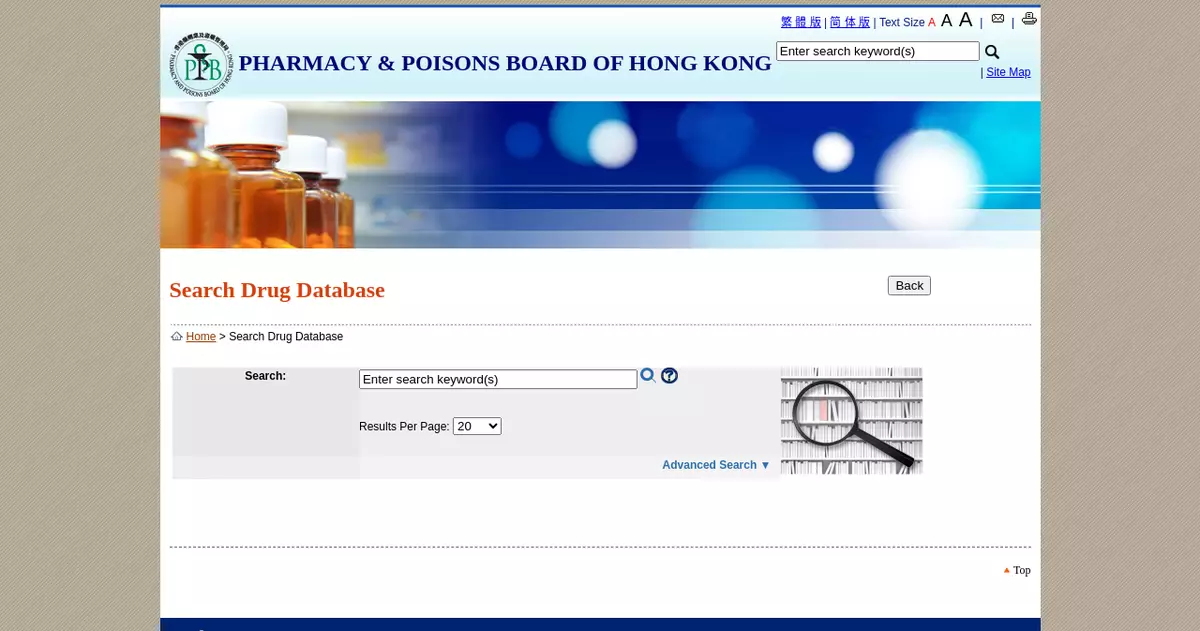
All registered pharmaceutical products carry a Hong Kong registration number in the format of "HK-XXXXX" on their packages. Members of the public can use the "Search Drug Database" function on the website of the Pharmacy and Poisons Board of Hong Kong to check information on individual registered pharmaceutical products by entering the product name or ingredient; all listed medical devices carry a listing number in the format of "HKMD XXXXXX". Members of the public may refer to the "List of Medical Devices" at the Medical Device Division's website for detailed information.
The DH regulates premises where registered medical practitioners and registered dentists practise under the Private Healthcare Facilities Ordinance (Cap. 633) (the Ordinance). The Government set up the Advisory Committee for Regulatory Standards for Private Healthcare Facilities (Advisory Committee) under the Ordinance. It comprises members from the Hong Kong Academy of Medicine, the Hospital Authority, the academia, and representatives from private hospitals, registered medical practitioners' as well as dentists' associations. The terms of reference of the Advisory Committee are to devise, review and update the standards of regulation for PHFs and make recommendations on the CoPs issued by the Director of Health from time to time.
Since injectable and infusible products intended for human are high-risk products, the Advisory Committee has endorsed updated regulatory requirements and required that all injectable and infusible products used in licensed PHFs must fall within one of the following categories:
i) Pharmaceutical products registered or exempted from registration under the Pharmacy and Poisons Regulations (Cap. 138A);
ii) Human organ or human tissue products in compliance with the Human Organ Transplant Ordinance (Cap. 465); or
iii) Medical devices listed under the Medical Device Administrative Control System (MDACS).
In light of the Advisory Committee's decision, the DH will also revise the CoPs for licensed PHFs accordingly. The DH intends to publish the revised CoPs in the Gazette in the fourth quarter of 2026. The revised CoPs, except for the sections on medical devices, will take effect one month after publication in the Gazette. To allow licensed PHFs sufficient time to identify compliant alternative products,the requirement for using injectable and infusible medical devices listed under MDACS will take effect on March 1, 2027.
Regarding the aforesaid requirement on injectable and infusible products, the DH issued a letter on September 9, 2026, to notify licensees of PHFs, licence applicants and the medical device industry. This letter, as well as frequently asked questions, have also been uploaded to the DH's website for reference.
The Ordinance stipulates that operators of PHFs must obtain a licence or a letter of exemption before they can operate the relevant PHFs. The regulatory regimes for private hospitals and day procedure centres have been fully implemented, while the Government has started accepting applications for clinic licences and requests for letters of exemption for small practice clinics since October 2025. Any premises (including premises claiming to provide beauty services) that provide medical services/carry out medical procedures must obtain a relevant licence or letter of exemption under the Ordinance according to the nature of the medical services/procedures. The Government expects that, as early as the end of December 2027, any premises (including premises claiming to provide beauty services) that provide medical services or carry out medical procedures will be required to hold a relevant licence or letter of exemption under the Ordinance according to the nature of the services or procedures. As of yesterday (September 28), the DH has issued a total of over 3 400 clinic licences or letters of exemption for small practice clinics.
Compliance with the CoP is a condition for the issuance and renewal of licences. The DH inspects licensed PHFs from time to time and will take regulatory action if any licensed PHF is found to be in violation of the CoPs.
From time to time, the DH receives notifications of cases in which members of the public have developed complications following injection procedures, such as a probable case of botulism after a botulinum toxin injectionannounced on September 21 this year.
The DH has consistently reminded the public through various channels that injection procedures are medical procedures which should only be performed by locally registered medical practitioners or registered dentists. Members of the public should first ascertain the full name of the medical practitioner/dentist and check the List of Registered Medical Practitioners maintained by the Medical Council of Hong Kong or the List of Registered Dentists maintained by the Dental Council of Hong Kong. The professional qualifications and relevant credentials of the medical practitioner/dentist should also be verified. Before receiving an injection, members of the public should first understand the details of the procedure, potential risks and possible complications to make an informed decision. They should refuse injections from unknown sources, as their quality and efficacy are not assured.
Any person who is not a registered medical practitioner or registered dentist shall not perform medical procedures; otherwise the person may be charged for violating the Medical Registration Ordinance (Cap. 161) and the Dentists Registration Ordinance (Cap. 156).
The illegal sale or possession of unregistered pharmaceutical products is a criminal offence. The maximum penalty for each offence upon conviction is a fine of $100,000 and two years' imprisonment. If a person is suspected of illegally providing unregistered pharmaceutical products, the DH will conduct investigations and take enforcement actions. If medical professionals are involved, the DH will refer the case to relevant professional regulatory bodies for follow-up actions.
Source: AI-found images
Pest Control Steering Committee reviews progress of anti-mosquito and anti-rodent work implemented by departments
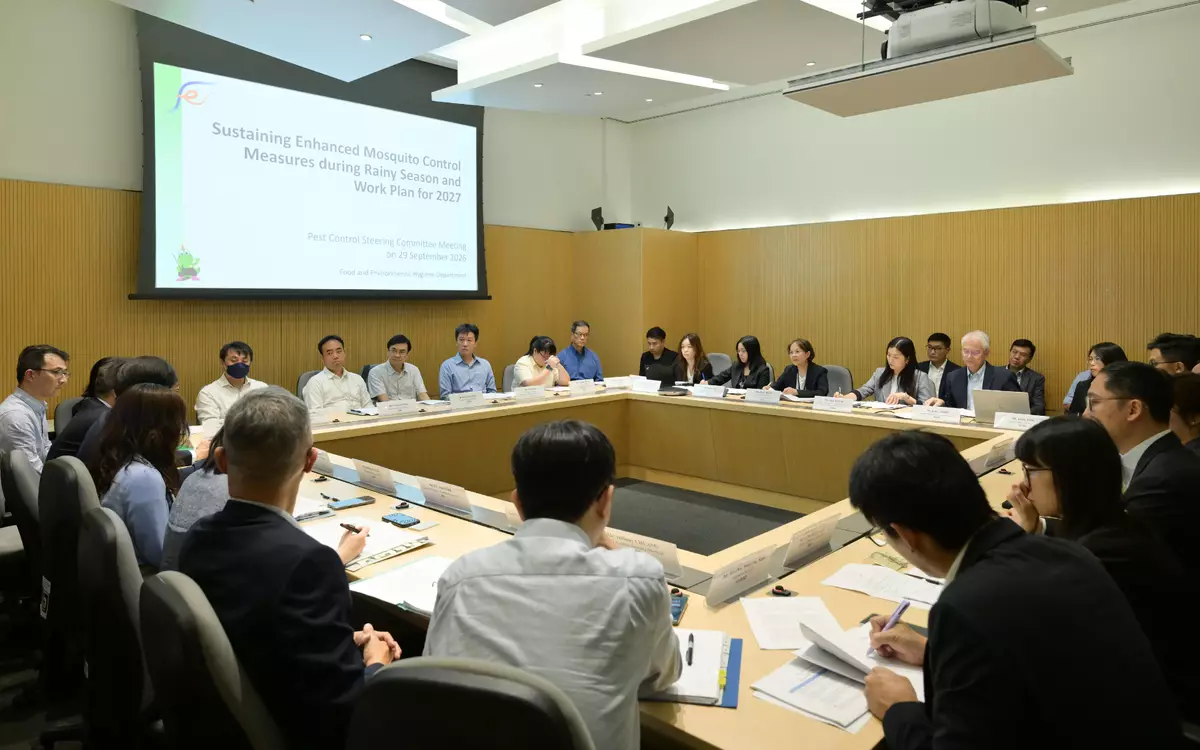
The interdepartmental Pest Control Steering Committee (PCSC) held its 24th meeting today (September 29) to review the effectiveness of departments' enhanced mosquito control measures during the rainy season this year and their work plans for the coming year, to discuss the progress of sustaining territory wide rodent prevention and control efforts, and to receive updates on the latest developments in food waste recycling.
Mosquito control
The representative of the Food and Environmental Hygiene Department (FEHD) reported to the PCSC the latest mosquito surveillance data. As compared with the same period last year, temperatures rose earlier and rainfall was higher in the first half of this year. Taking May as an example, rainfall was far higher than last year (rainfall in May was 227.2 millimetres, representing a significant increase as compared with 81.6 millimetres in the same month last year), the gravidtrap index for Aedes albopictus in May was correspondingly higher than that of the previous year. With departments and stakeholders continuously stepping up mosquito control measures, the index has gradually declined. The indices recorded from June to August this year (9.8 per cent in June, 9.6 per cent in July and 6.6 per cent in August) were broadly comparable with those in the same period of 2025 (9.5 per cent in June, 8.1 per cent in July and 5.3 per cent in August).
According to the World Health Organization, a total of around 2.2 million dengue fever (DF) cases and over 1 000 DF-related deaths were recorded worldwide between January to August this year. Also, a total of 502 264 chikungunya fever (CF) cases and 186 CF-related deaths were reported in 41 countries/territories last year. Meanwhile, the Guangdong Provincial Disease Control and Prevention Administration reported that Guangdong Province had recorded 150 DF cases and 496 CF cases in August 2026, representing an increase as compared with the preceding two months. Mosquito-borne diseases such as DF and CF are endemic in various countries worldwide. The risk of imported cases from affected areas leading to local transmission remains. Members of the public should maintain good environmental hygiene, and to take appropriate anti-mosquito measures to prevent mosquito bites, both in Hong Kong and when travelling to areas affected by mosquito-borne diseases, in order to prevent mosquito-borne diseases.
The FEHD also reported to the PCSC the follow-up actions undertaken in response to the two local DF case and one CF case recorded this year (as at September 24). Also, Hong Kong has recorded 30 imported DF cases and two imported CF cases during the same period.
Upon receiving notification from the Centre for Health Protection of the Department of Health of cases involving related mosquito-borne disease, the FEHD took immediate follow-up actions including:
(1) Initiating surveys of mosquito infestation within 24 hours in areas within a 250-metre radius of the residence and workplace of the patient, as well as places the patient had visited during the incubation and infectious period. Relevant Government departments will be notified of the results for follow-up actions;
(2) Implementing larvicidal control measures in the target area and conducting fogging operations in nearby adult mosquito habitats to eliminate adult mosquitoes;
(3) Providing professional advice and technical support to assist relevant departments and stakeholders in formulating and implementing effective mosquito control measures swiftly;
(4) Inspecting construction sites and private residences, and taking enforcement actions against violations related to mosquito breeding;
(5) Visiting schools and childcare facilities in the target area to provide information and assistance regarding mosquito prevention and elimination; and
(6) Enhancing publicity work through organising health talks, setting up mobile education stations and distributing publicity leaflets.
Through the above prompt followup actions, no secondary transmission has so far arisen from the abovementioned local cases.
The FEHD has also continued leveraging technology to enhance the effectiveness of mosquito control, working with departments and stakeholders to strengthen antimosquito measures across districts, as well as stepping up inspections and enforcement. From January to August this year, the FEHD issued 432 statutory notices requiring the clearance of stagnant water or stagnant water containers, and instituted a total of 154 prosecutions in relation to mosquito breeding, of which 108 involved mosquito breeding at construction sites.
Although the overall mosquito situation in Hong Kong remains under control, the weather has yet to cool down and the rainy season has not yet ended as September begins. In addition, a local CF case has recently been recorded, and neighbouring regions continue to report cases of DF and CF. The risk of mosquito infestation and transmission of mosquito borne diseases therefore persists, and all relevant departments and members of the public should remain vigilant.
At the meeting, the Under Secretary for Environment and Ecology and the Chairperson of the PCSC, Miss Diane Wong, reminded departments to continue closely monitoring mosquito surveillance data, and to keep the list of mosquito black spots updated so that adjustments and deployments can be made in accordance with actual circumstances, thereby ensuring that anti mosquito measures are prompt and effective. Miss Wong also appealed to members of the public and property management companies to regularly remove stagnant water to eliminate mosquito breeding and reduce the risk of transmission of mosquito borne diseases.
Rodent control
The FEHD is currently implementing a data driven rodent control strategy, making use of information obtained from the Rodent Activity Survey (RAS), public complaints, and frontline inspections. Based on risk assessment results, resources are dynamically allocated to locations with higher rodent infestation risks, where targeted and comprehensive rodent control operations are carried out. These efforts are further complemented by strengthened collaboration on rodent control in private premises and across sectors, with a view to optimising resource utilisation and enhancing the overall effectiveness of rodent control work.
The FEHD reported to the PCSC that the RAS for the first half of 2026 has been completed in all districts. Results show that the overall Rodent Absence Rate is 96.4 per cent, similar to the figures recorded in the first half (96.0 per cent) and second half (96.1 per cent) of 2025, reflecting that the rodent infestation situation of Hong Kong has remained satisfactory and stable. Since January 2025, the scope of RAS has been extended to include several public rental housing estates under the Housing Department (HD) and parks managed by the Leisure and Cultural Services Department (LCSD), etc. To further enhance the representativeness of the RAS, coverage has been expanded to include rental housing estates under the Hong Kong Housing Society, all public rental housing estates under the HD, fixed-pitch hawker areas, as well as village house areas.
The FEHD has continued to strengthen interdepartmental collaboration, including conducting inspections of government buildings under the management of the Government Property Agency (GPA) and providing targeted technical advice to help relevant departments implement more effective rodent prevention and control measures. The FEHD will alo continue to collaborate with various departments at the district level to implement anti-rodent measures enhance public awareness of environmental hygiene, thereby consolidating the achievements made to date. In addition, the FEHD proactively inspects private premises or buildings near locations with higher rodent infestation risks, so as to identify potential areas with rodent infestation problem at an early stage. The FEHD also provides professional advice to property managements or property owners, and issues Notice of Elimination of Vermin where appropriate, requiring parties concerned to take necessary anti-rodent operations. In the first eight months of 2026, the FEHD issued a total of 255 Notices of Elimination of Vermin, representing an increase of about eightfold compared with the same period in 2025.
The Environment and Ecology Bureau (EEB) and the FEHD have been actively promoting community participation and encouraging stakeholders to work together in implementing rodent prevention and control measures. Since April this year, the FEHD has expanded the coverage of the Anti-Rodent Charter (the Charter) to include shopping centres. As at August 2026, 840 residential premises and 130 shopping centres signed the Charter, covering about 780 000 households and about 8 200 shops respectively, including three premises, covering over 60 households, that signed the Charter are participants of the Pilot Scheme on "Joint Property Management".
Food waste handling
The representative of the Environmental Protection Department (EPD) introduced to the PCSC efforts and achievements in promoting food waste recycling. Following the expansion of food waste recycling network, the food waste collection volume of Hong Kong has been rising steadily, increasing from an average of about 130 tonnes per day in 2021 to about 350 tonnes per day in 2025. At present, about 1 900 food waste smart recycling bins and over 260 public food waste recycling points have been set up across districts, covering public housing estates, private residential buildings, government quarters, GREEN@COMMUNITY, public markets and public refuse collection points. For the collection of commercial and industrial food waste, the EPD provides free point-to-point food waste collection services for premises with larger quantity of food waste. Currently, there are over 800 commercial and industrial food waste collection points across Hong Kong, covering food factories, markets, cooked food centres, wholesale markets, hospitals, hotels and shopping malls.
In addition, to increase the participation rate of street level shops in food waste separation and recycling, the EPD launched the Food Waste Recycling Trial Scheme for Street-level Shops (Trial Scheme) in September this year in areas of Tsuen Wan and Kwun Tong with a higher concentration of such shops, with a view to strengthening publicity and education, as well as assisting street level shops in participating in food waste recycling. The Trial Scheme also collects relevant data and feedback to develop a sustainable and replicable operational model for food waste recycling at street level shops, thereby enhancing the overall recycling rate.
The EPD will continue to collaborate closely with government departments in enhancing the food waste recycling network, installing food waste smart recycling bins and on-site food waste treatment facilities at additional suitable venues, as well as implementing various recycling initiatives. These initiatives will provide more convenient and cost-effective food waste recycling services for all sectors of the community, thereby helping to improve environmental hygiene and reduce food sources for rodents.
The FEHD has also implemented a scheme that allows licensed food premises, subject to specific conditions, to place covered waste containers in their adjoining rear lanes after business hours, for the proper temporary storage of refuse awaiting collection by the cleansing staff. At present, the scheme has been extended to 192 locations.
The meeting today was chaired by Miss Diane Wong. Government bureaux, departments and organisations attending the meeting were the Agriculture, Fisheries and Conservation Department; the Architectural Services Department; the Buildings Department; the Civil Engineering and Development Department; the Development Bureau; the Department of Health; the Drainage Services Department; the Education Bureau; the Electrical and Mechanical Services Department; the EPD; the FEHD; the GPA; the Hospital Authority; the Home Affairs Department; the HD; the Highways Department; the Information Services Department; the Lands Department; the LCSD; the Marine Department; the Social Welfare Department and the Water Supplies Department.
Pest Control Steering Committee reviews progress of anti-mosquito and anti-rodent work implemented by departments Source: HKSAR Government Press Releases