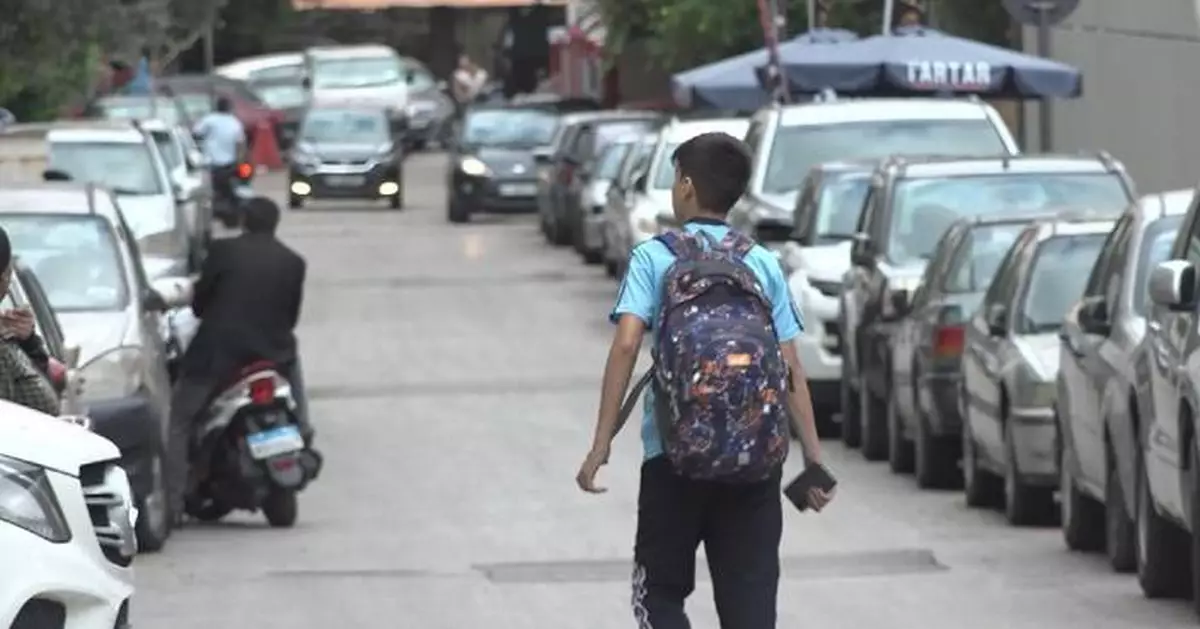
Schools are back in session in Lebanon, but for many families, sending children back to class is no easy feat.
A prolonged economic crisis and conflict with Israel have left many Lebanese families struggling to afford their children's education. With prices rising for almost everything in the country, even buying school supplies has become a stretch.
"We are increasingly focusing only on the basic necessities. In these circumstances and with the situation in Lebanon, it is very difficult. In fact, most parents are increasingly turning to public schools rather than private schools," said Sarah Freij, a resident in Beirut, Lebanon's capital.
Research shows that a year of school supplies costs about 500 U.S. dollars per student in Lebanon, where the minimum monthly wage is just over 300 U.S. dollars. For most families, the gap between take-home income and what they need to cover basic living costs is considerable, and it is still widening.
As tuition fees climb as well, even stationery shops are feeling the strain.
"The prices of the materials, everything like the stationery, the paints, everything are getting higher each year, because for many reasons. We can't do anything else because suppliers, like you said, there's nothing that is produced in Lebanon," said Ziad Otabashi, a supply store owner.
Lebanon has been mired in economic crisis since 2019, when the Lebanese pound, long pegged to the U.S. dollar, began to plummet, pushing most of the population into poverty almost overnight. Since then, reforms have been slow, leaving people with little choice but to scrape by as costs keep rising.
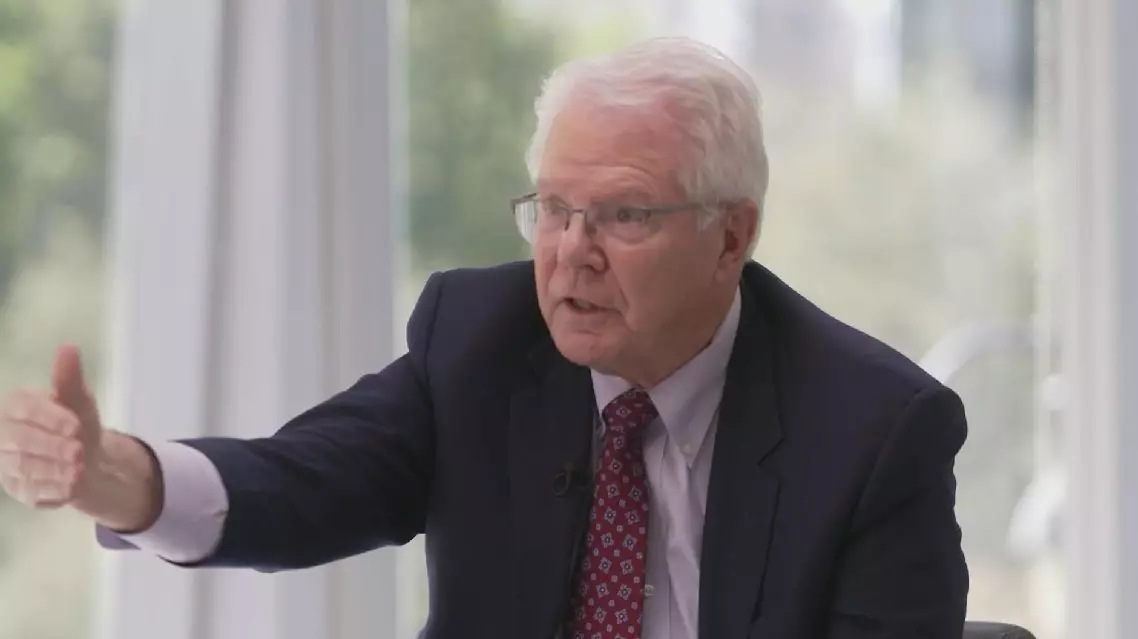
"The cost of living has surged. So imagine year on year it increased by 17 percent inflation in Lebanon, whereas in the vast majority of countries like in the (United) States, Europe, it's around 2.5, 3 percent, to 3.5 percent. So this is for numerous reasons. One of them is because we have a cash economy. We have high time preference. We don't have a place where to put the savings," said economist Dr. Jihad Al Hokayem.
The conflict escalating in March left damage to infrastructure, population displacement, and supply-chain disruptions, halting the country's tentative economic recovery, said a World Bank report released in late August.
Lebanon has long ranked among the most educated Arab states in the Middle East. But with disruptions in economy, sustaining that success is becoming increasingly difficult.
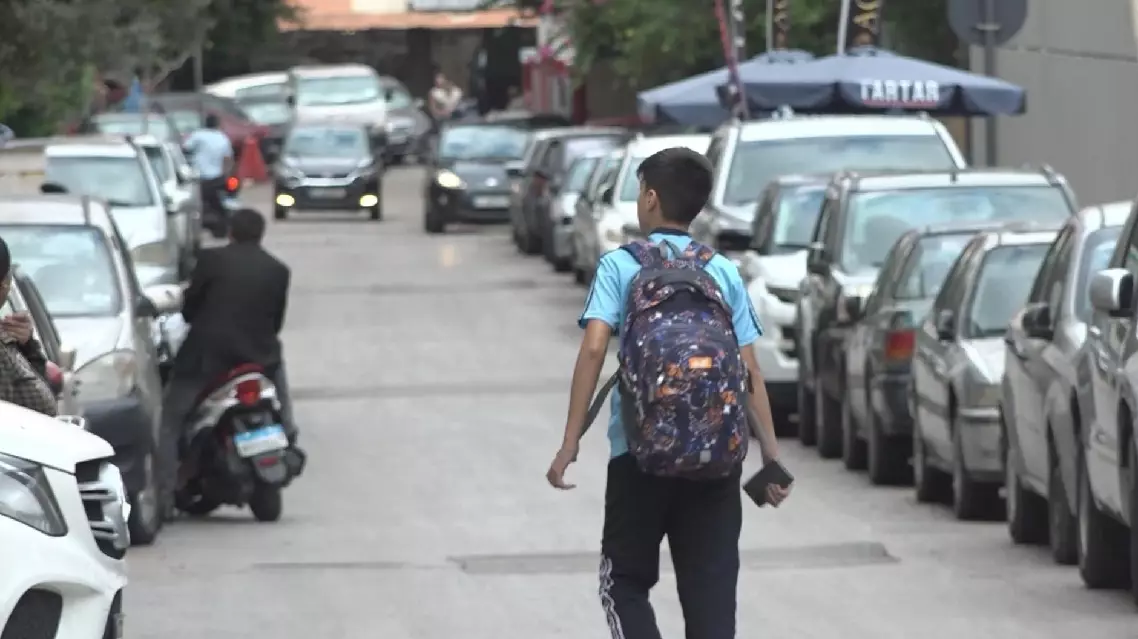
Lebanon's economic crisis puts education out of reach for many children